The Great White Kayaker Debate in Modern Sport: Navigating Safety and Conservation
The "great white kayaker debate" centers on the escalating tension between increasing Great White shark populations and the growing popularity of offshore paddling sports. As of 2026, this debate focuses on whether modern technology ca...
The "great white kayaker debate" centers on the escalating tension between increasing Great White shark populations and the growing popularity of offshore paddling sports. As of 2026, this debate focuses on whether modern technology can guarantee safety, the ethics of entering high-predation zones, and how the sport must adapt to protect both athletes and apex predators.
Contents
The intersection of human recreation and marine apex predator habitats has reached a critical juncture in 2026. For decades, the presence of Great White sharks (Carcharodon carcharias) was viewed through a lens of fear and sporadic tragedy. However, a combination of successful conservation efforts—such as the 1997 federal ban on hunting Great Whites and the protection of their primary food sources—and the explosion of kayaking as a high-performance modern sport has transformed this into a complex debate involving safety, technology, and environmental ethics.
The Evolution of the Conflict: Conservation Meets Recreation
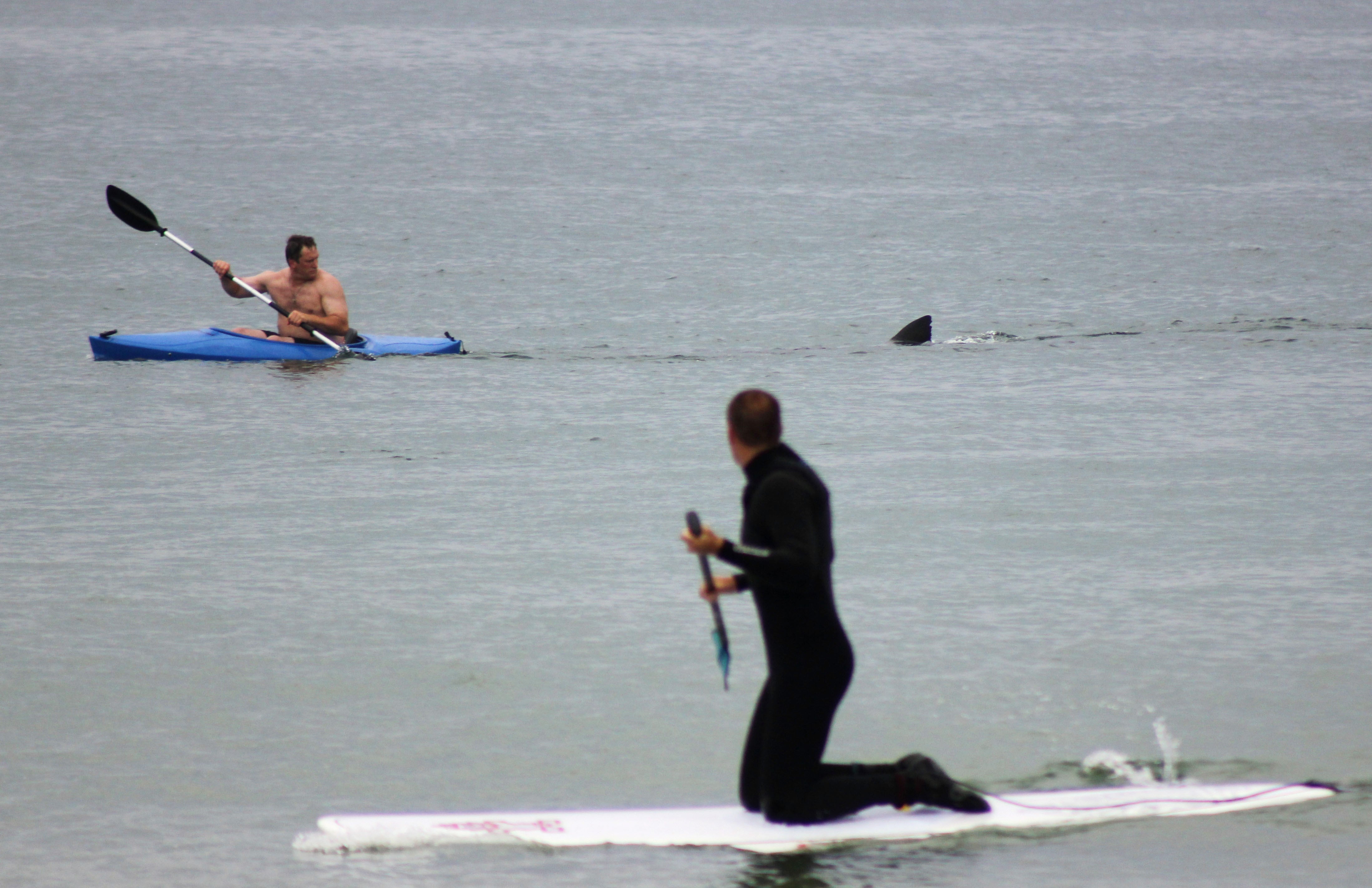
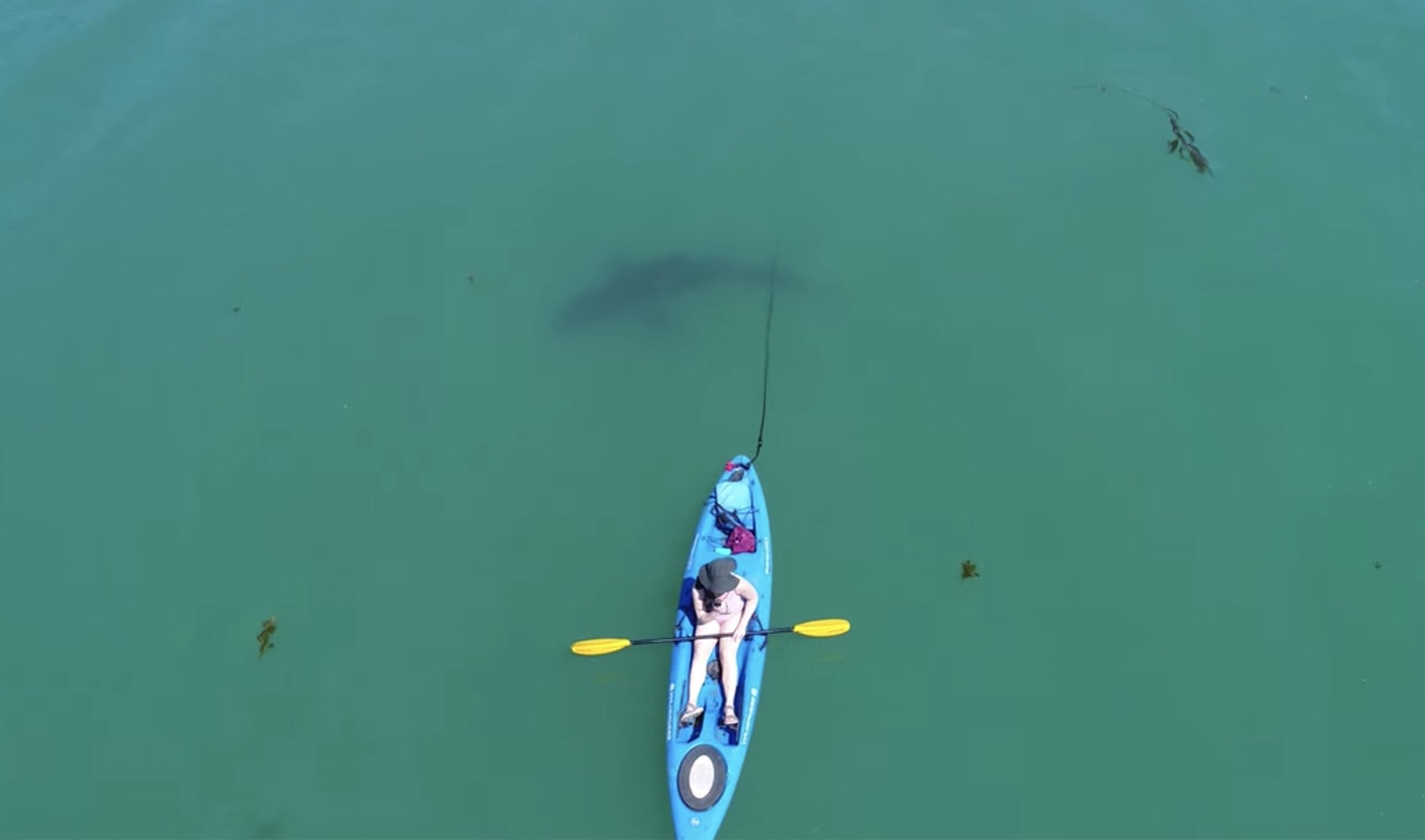
The core of the debate lies in a biological success story that creates a recreational challenge. In regions like Cape Cod, the California coast, and the Western Cape of South Africa, Great White populations have seen a measurable recovery. Concurrently, the sport of kayaking has evolved. Modern sea kayaks and surf-skis are faster, lighter, and capable of traveling much further offshore than their predecessors. This brings paddlers directly into the "patrol zones" of sharks that are hunting pinnipeds (seals and sea lions).
In the context of modern sport, the debate is no longer about "if" a kayaker will encounter a shark, but how the sport should manage that inevitability. Critics argue that kayakers are unnecessarily tempting fate by entering known "hotspots," while proponents of the sport argue that the ocean is a public space where risk management, rather than exclusion, should be the standard.
Technical Risk Factors: Why Kayaks Attract Interest
Great White sharks are highly inquisitive predators that use "test bites" to identify potential prey. To a shark, a 14-to-19-foot kayak roughly matches the profile of a large pinniped or a floating carcass. The debate in modern sport frequently analyzes the technical aspects of kayak design that may contribute to these encounters:
- Vibrations and Acoustics: The rhythmic stroke of a paddle and the hull's displacement of water create low-frequency vibrations. Sharks' lateral lines are finely tuned to detect these movements, which can mimic a distressed animal.
- Visual Silhouette: From below, a kayak's hull creates a dark, elongated shape against the surface light. In 2026, research into "counter-shading" for kayak hulls—painting them in patterns that disrupt this silhouette—has become a significant topic of discussion among equipment manufacturers.
- Electromagnetic Signatures: While kayaks are generally made of non-conductive materials like fiberglass or carbon fiber, the human body and certain electronic devices (GPS, cameras) emit small bio-electric or electromagnetic fields that sharks can detect via their Ampullae of Lorenzini.
The Technological Solution: Effective Deterrents in 2026
A major pillar of the modern debate is the efficacy of electronic shark deterrents. As of 2026, the market for personal shark defense has matured, moving from experimental gadgets to standardized safety equipment. These devices typically fall into three categories: electromagnetic, acoustic, and visual.
The primary debate here is whether these devices provide a "false sense of security." While third-party testing has shown that high-output electromagnetic fields can successfully deter a "curiosity" approach, they may be less effective against a high-speed predatory strike.
Comparison of Modern Shark Deterrent Technologies
| Technology Type | Mechanism of Action | Effectiveness Range | Pros | Cons |
|---|---|---|---|---|
| Electromagnetic (EMF) | Overloads the shark's electro-receptors. | 1–3 meters | Proven to deter most inquisitive Great Whites. | Limited battery life; can be bulky on lightweight boats. |
| Acoustic Deterrents | Emits frequencies that mimic killer whales (orca) or unpleasant noise. | 5–10 meters | Can be integrated into the hull or paddle. | Effectiveness can diminish as sharks habituate to the sound. |
| Visual Disruption | High-contrast patterns (e.g., "Zebra" stripes) to break up the silhouette. | Visual line of sight | Low cost; no power requirement. | Scientific evidence of effectiveness is still being debated. |
| Real-time AI Drones | Autonomous drones monitor race courses and alert paddlers. | Visible from shore/support boat | Non-invasive; provides early warning. | High operational cost; weather dependent. |
The Ethics of Coexistence: "Whose Ocean Is It?"
Beyond safety, the debate takes an ethical turn. Modern sport often prioritizes "conquering" environments, but the recovery of the Great White shark has forced a re-evaluation. Conservationists argue that certain areas—specifically near seal rookeries during peak hunting seasons—should be designated as "no-paddle" zones. They contend that a shark biting a kayaker often results in "revenge culling" or negative PR for a species that is vital to the marine ecosystem.
Kayaking organizations, however, emphasize personal responsibility. They argue that the sport contributes to "blue economy" tourism and fosters an appreciation for the ocean that indirectly supports conservation. The debate in 2026 has shifted toward a "shared space" model, where paddlers use mandatory tracking apps that show "shark-active" zones based on real-time acoustic tagging data.
Safety Protocols and Best Practices for the Modern Kayaker
For those participating in the sport in 2026, the debate has led to a standardized set of "High-Risk Environment" protocols. These are no longer just suggestions but are often requirements for insurance coverage for organized races and tours.
- Group Dynamics: Solo kayaking in known shark habitats is increasingly discouraged. Sharks are less likely to approach a cluster of several large vessels.
- Environmental Awareness: Paddling near river mouths after heavy rain (which brings organic matter and predators) or near haul-out sites for seals is considered a breach of safety protocol.
- Bleed Control Kits: Modern offshore kayakers now carry specialized trauma kits designed for catastrophic limb injuries, reflecting a sober acknowledgment of the risks.
- Electronic Monitoring: Participation in many 2026 coastal races requires the use of a "Shark Shield" or similar verified EMF device.
Common Misconceptions in the Debate
To have an informed discussion about the "great white kayaker debate," one must strip away the sensationalism often found in tabloid media.
- "Sharks are hunting humans": Statistically, this remains false. Most interactions with kayaks are "investigatory." The shark is using its mouth to determine if the plastic or composite object is food.
- "Bright colors attract sharks": While "Yum Yum Yellow" was a common myth, current 2026 research suggests that contrast is more important than specific colors. A solid bright boat might actually be safer than a dark-bottomed boat that mimics a seal.
- "The ocean is more dangerous than ever": While encounters are up, the rate of encounters per thousand paddlers has stayed relatively stable when adjusted for the massive increase in people participating in the sport.
Frequently Asked Questions
Are Great White sharks more aggressive toward kayaks than other boats?
Great Whites are not necessarily more aggressive toward kayaks, but the low profile and size of a kayak make it more susceptible to a "test bite." Unlike larger motorized vessels, a kayak's displacement and speed are similar to large marine mammals, which can trigger a predatory or territorial response.
Does the color of my kayak really matter for shark safety?
Current research indicates that high-contrast silhouettes (dark against a bright surface) are the most visible to sharks from below. While specific colors like yellow were historically blamed, modern experts suggest using "disruptive coloration" patterns on the hull to break up the seal-like shape, rather than worrying about a specific hue.
Can a Great White shark actually flip a sea kayak?
Yes. A mature Great White shark can weigh over 2,000 pounds and possesses immense power. Even a non-predatory "bump" or "nudge" can easily capsize a 17-foot kayak. This is why "re-entry" skills and paddling in groups are critical safety components of the sport in 2026.
Is it legal to use shark deterrents in all waters?
In 2026, personal electronic deterrents are legal and often encouraged in most jurisdictions. However, "active" deterrents that could harm the shark or other marine life (such as high-powered acoustic blasters) may be regulated in marine protected areas. Always check local maritime regulations before deploying active technology.
How has the insurance industry responded to this debate?
The insurance industry now distinguishes between "standard" kayaking and "offshore/high-risk" paddling. Many 2026 policies for professional athletes and tour operators require the use of certified deterrent technology and adherence to "time-of-day" paddling restrictions to remain valid.
Final Recommendations for Athletes and Enthusiasts
The "great white kayaker debate" is ultimately a call for higher standards of preparation. If you are paddling in modern sport contexts—especially in the Pacific or North Atlantic—you should prioritize integrated safety systems. This means combining high-visibility hull patterns, verified EMF deterrents, and real-time situational awareness via local shark-tracking apps. Coexistence is possible, but it requires the athlete to yield to the biological realities of the ocean's apex predators. Before heading out, always consult local "shark smart" programs and ensure your emergency communication gear (VHF/PLB) is functional and accessible.
Image Gallery