Understanding the Patient Flight Landscape in the U.S.
The patient flight landscape in the United States is a complex network of emergency air ambulances, non-emergency medical transports, and charitable flight organizations designed to bridge the gap between local care and specialized med...
The patient flight landscape in the United States is a complex network of emergency air ambulances, non-emergency medical transports, and charitable flight organizations designed to bridge the gap between local care and specialized medical facilities. Navigating this ecosystem requires understanding the distinctions between rotary-wing and fixed-wing services, the evolving regulatory framework governing medical billing, and the specific clinical requirements for safe aerial transit.
Contents
The Architectural Framework of Medical Aviation
In 2026, the U.S. patient flight landscape is categorized primarily by the urgency of the move and the distance required. This infrastructure serves as a critical safety net for rural populations and a high-speed conduit for patients requiring organ transplants, Level I trauma care, or specialized pediatric services not available locally.
Emergency Medical Services (EMS) and Helicopters
Rotary-wing aircraft, commonly known as Life Flights or Medevacs, represent the most visible segment of patient flight. These operations typically handle short-range transports—usually under 150 miles—where time is the most critical factor. Helicopters are deployed directly to accident scenes or for hospital-to-hospital transfers involving critical instability. In the current landscape, these services are heavily integrated into regional trauma systems, with specialized crews capable of maintaining intensive care unit (ICU) levels of monitoring in flight.
Fixed-Wing Air Ambulances
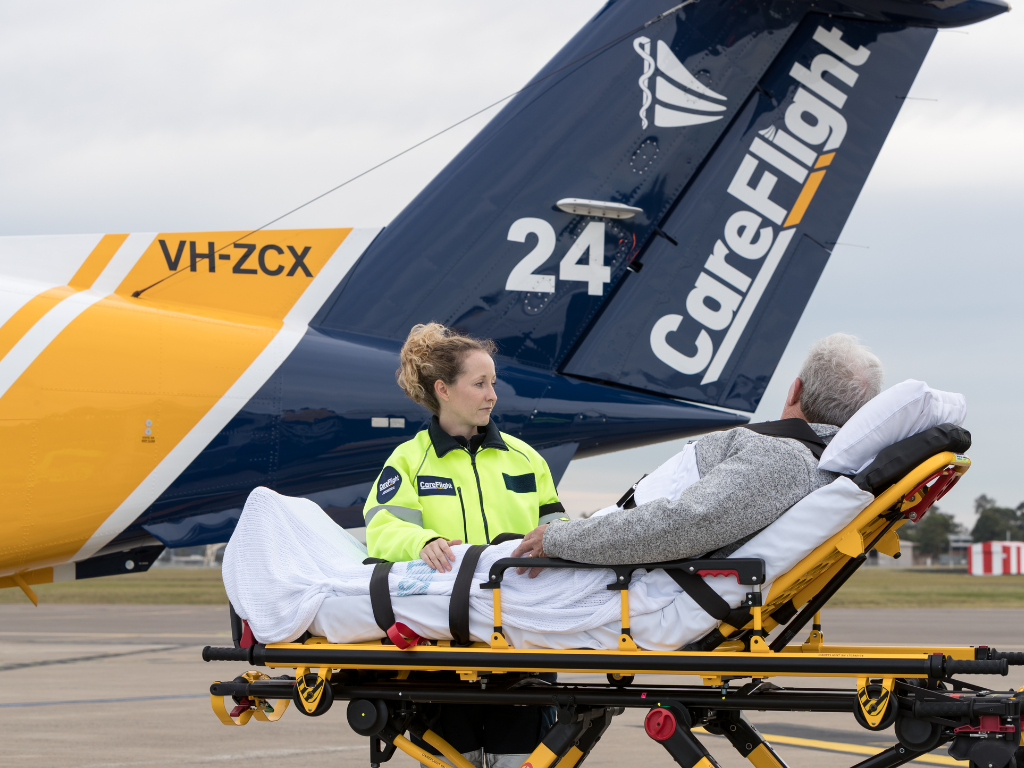
For long-distance transport, often exceeding 200 miles or involving international repatriation, fixed-wing aircraft are the industry standard. These planes—ranging from turboprops for shorter regional hops to specialized long-range jets—function as mobile intensive care units. Unlike helicopters, fixed-wing aircraft offer pressurized cabins, which are essential for patients with specific pulmonary or neurological conditions that are sensitive to altitude-induced pressure changes.
Commercial Medical Escorts
A growing subset of the landscape involves commercial medical escorts. This service utilizes standard commercial airlines but provides a medical professional (RN or Paramedic) to accompany a stable patient. This is a cost-effective alternative for patients who do not require a private aircraft but cannot travel safely without professional monitoring, supplemental oxygen, or assistance with mobility and medication.
Regulatory Standards and Safety Certifications
Safety and quality in the patient flight sector are governed by a mix of federal aviation mandates and voluntary medical accreditations. Because medical aviation straddles the line between transportation and healthcare, providers must adhere to rigorous standards from multiple authorities.
FAA Part 135 Certification
All commercial air ambulance providers must operate under Federal Aviation Administration (FAA) Part 135 regulations. This certification governs the operation of the aircraft itself, including pilot training, maintenance schedules, and weather minimums. While Part 135 ensures the plane is safe to fly, it does not regulate the medical care provided inside the cabin.
The Gold Standard: CAMTS and NAAMTA
To distinguish themselves in a crowded market, premier providers seek accreditation from the Commission on Accreditation of Medical Transport Systems (CAMTS) or the National Accreditation Alliance of Medical Transport Applications (NAAMTA). These organizations conduct exhaustive audits of the provider’s medical protocols, staff experience levels, and specialized equipment. In 2026, most major insurance carriers and hospital systems prioritize or require CAMTS-accredited providers for non-emergency transfers to ensure a baseline of clinical excellence.
The Economic Reality: Costs and the No Surprises Act
The financial aspect of patient flight has historically been the most contentious part of the landscape. However, legislative shifts have significantly altered the experience for the end-user.
Understanding Price Components
The cost of an air ambulance is typically split into two components: a "liftoff fee" (base rate) and a mileage fee. In 2026, domestic fixed-wing flights can range from $20,000 to over $50,000, while international missions can easily exceed $100,000. These costs cover the high overhead of maintaining a flight-ready crew 24/7, specialized medical equipment, and the aviation fuel required for rapid transit.
Protection Under the No Surprises Act
The implementation of the No Surprises Act has been a watershed moment for patient flight in the U.S. Before this legislation, patients often received "balance bills"—the difference between what the air ambulance charged and what the insurance paid—amounting to tens of thousands of dollars.
Under current 2026 regulations, out-of-network air ambulance providers are prohibited from balance billing patients for emergency services. Instead, the insurer and the provider must negotiate a payment through an Independent Dispute Resolution (IDR) process. For the patient, this means they are only responsible for their in-network cost-sharing amounts (deductibles and copays), regardless of whether the flight provider was in their insurance network.
| Service Type | Typical Range | Best For | Average Cost (Est. 2026) |
|---|---|---|---|
| Rotary-Wing (Helicopter) | 0–150 miles | Trauma, cardiac arrest, scene response | $30,000 - $45,000 |
| Fixed-Wing (Jet/Prop) | 200+ miles | Repatriation, specialized facility transfer | $25,000 - $75,000+ |
| Commercial Escort | International/Long distance | Stable patients needing monitoring | $5,000 - $15,000 |
| Charitable Flight | Regional | Non-urgent specialist appointments | $0 (Donated) |
Key Market Dynamics and Major Providers
The U.S. market is dominated by a few large-scale operators that manage various regional brands. Understanding these entities helps in identifying the resources available in specific geographic areas.
- Global Medical Response (GMR): The largest industry player, managing brands like Air Evac Lifeteam, REACH, and Med-Trans. They operate an extensive network of bases, primarily focused on emergency scene response and hospital transfers.
- Air Methods: A major provider that has shifted its focus heavily toward hospital-integrated services and improving safety through advanced flight simulator training for pilots.
- PHI Air Medical: Known for its rigorous safety standards and extensive work with major healthcare systems, PHI remains a staple in the Gulf Coast and Western regions.
- Non-Profit and Hospital-Based Programs: Many premier academic medical centers, such as the Mayo Clinic or Cleveland Clinic, operate their own flight programs. These are often seen as the highest tier of integrated clinical care, as the flight crews are direct employees of the health system.
Clinical Requirements and Operational Logistics
A patient flight is not merely a ride; it is a clinical intervention. The process of arranging a flight involves several logistical hurdles that must be cleared to ensure patient safety.
Medical Necessity and Stability
Before a flight can occur, a "Fit to Fly" assessment is performed. The sending physician must coordinate with the flight team’s medical director to confirm that the patient is stable enough for the stresses of flight, such as G-forces during takeoff and changes in atmospheric pressure. This is particularly vital for patients with pneumothorax (collapsed lung) or those requiring precise ventilator settings.
Bed-to-Bed Service
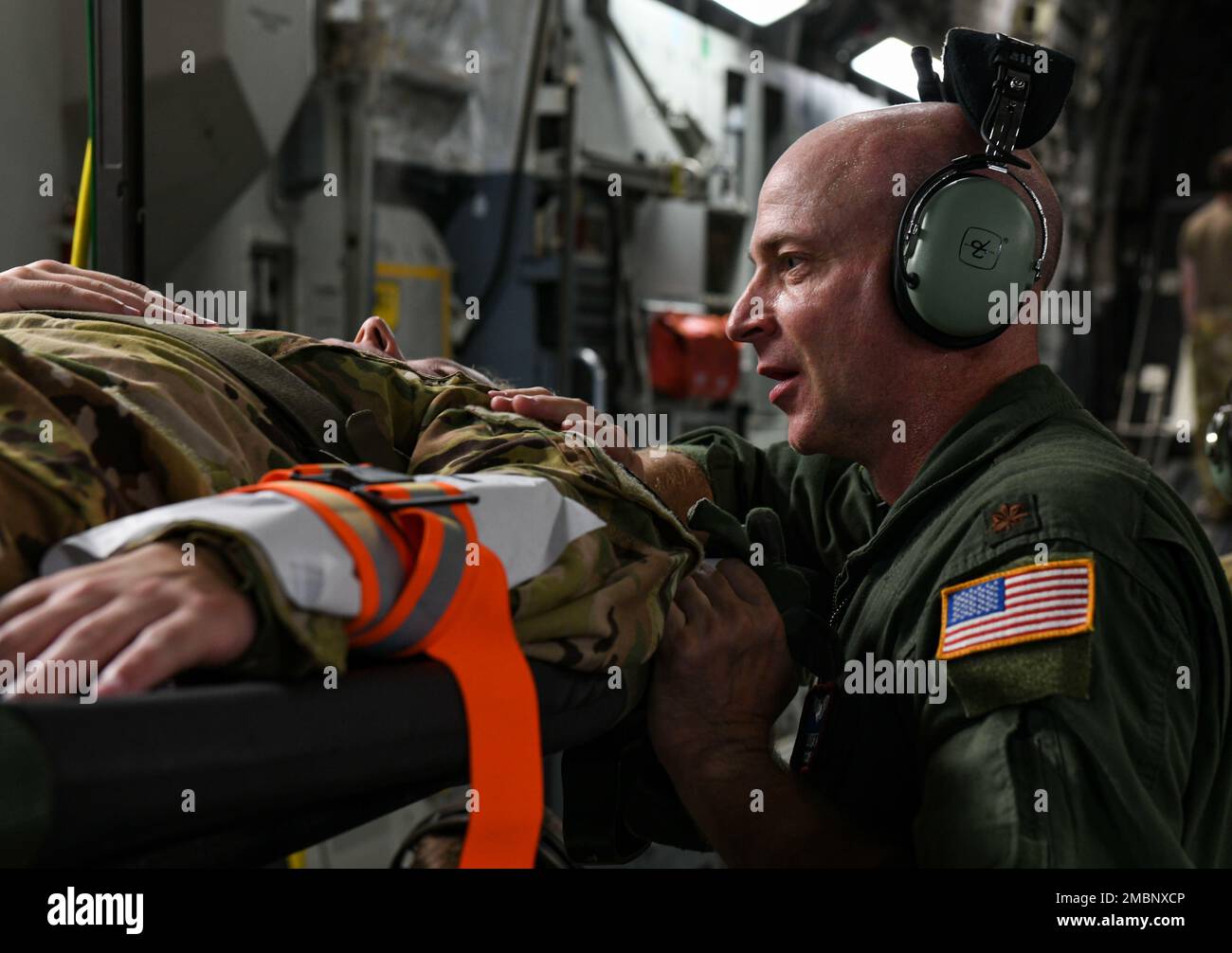
The industry standard in 2026 is "bed-to-bed" service. This means the flight team is responsible for the patient from the moment they leave the sending facility's bed until they are safely tucked into the receiving facility's bed. This includes ground ambulance coordination at both ends of the flight, ensuring no gaps in care or monitoring occur during transitions.
Specialized Equipment
Modern patient flights are equipped with miniaturized versions of hospital equipment. This includes:
- Advanced Ventilators: Capable of handling complex respiratory patterns.
- Multi-parameter Monitors: Tracking ECG, invasive blood pressure, and CO2 levels.
- Point-of-Care Testing: Allowing for real-time blood gas analysis and electrolyte monitoring in the air.
- Isolettes: Specialized incubators for neonatal (NICU) transports.
Charitable and Non-Emergency Alternatives
For patients who do not require intensive monitoring but cannot afford the high costs of travel to distant specialists, the charitable sector provides a vital service.
Organizations like Angel Flight and AirCare Alliance utilize a network of volunteer pilots who use their private aircraft to fly patients to treatments at no cost. These services are specifically for non-emergency, ambulatory patients who are medically stable. While they do not provide medical care in flight, they solve the "distance barrier" for cancer patients and those with rare diseases who need to reach specialized centers of excellence.
FAQs About the U.S. Patient Flight Landscape
Does Medicare cover air ambulance flights?
Medicare Part B covers air ambulance transportation if the transport is medically necessary and the patient's condition requires immediate and rapid transport that ground transportation cannot provide. By 2026, the criteria for "medical necessity" remain strict, usually requiring documentation that the patient could not be safely moved by any other means or that time-critical care was required at a facility out of reach by ground.
How do I verify if a flight provider is safe?
The most reliable way to verify safety is to check for accreditation through CAMTS or NAAMTA. These organizations maintain public directories of accredited providers. Additionally, you can inquire about the pilots' flight hours and the specific medical certifications of the crew (e.g., CFRN - Certified Flight Registered Nurse).
Can family members fly with the patient?
Most fixed-wing air ambulances allow one family member to accompany the patient at no extra charge, provided the patient's condition is stable and the weight/balance of the aircraft allows it. In emergency helicopter transports, this is much less common due to severe space and weight limitations.
What is the No Surprises Act's impact on non-emergency flights?
While the No Surprises Act primarily protects patients in emergency situations, its principles have influenced the broader market. Many providers now offer transparent pricing and "pre-flight" insurance verification for non-emergency transfers to avoid future disputes. However, for elective or non-urgent transfers, it is still critical to get a written quote and insurance pre-authorization.
How long does it take to arrange a patient flight?
For emergency scene responses, helicopters can be airborne within minutes. For fixed-wing long-distance transfers, the lead time is typically 4 to 12 hours. This time is required to secure flight permits, staff the aircraft with the appropriate specialists, and coordinate ground ambulances at both the departure and arrival cities.
Recommendation for Navigating the Landscape
If you are tasked with arranging a patient flight in 2026, your first action should be to contact the case management or social work department of the current treating hospital. These professionals have direct experience with regional providers and insurance protocols. Always prioritize providers with CAMTS accreditation to ensure clinical safety, and demand a "bed-to-bed" service agreement. If insurance coverage is a concern, request a formal "Letter of Medical Necessity" from the attending physician, as this is the primary document used to secure authorization and protect against future billing disputes under the No Surprises Act.
Image Gallery




.jpg)