Manny Pacquiao in Politics: Electoral History, Legislative Record, and Governance
Manny Pacquiao’s transition from a globally celebrated boxing champion to a national political figure represents one of the most prominent crossovers of sports stardom into governance in contemporary Philippine history. Spanning terms...
Manny Pacquiao’s transition from a globally celebrated boxing champion to a national political figure represents one of the most prominent crossovers of sports stardom into governance in contemporary Philippine history. Spanning terms in the House of Representatives, a victory in the national Senate, and a presidential run, his political trajectory reflects both the immense reach of celebrity populist appeal and the complex structural demands of public administration in a developing democracy.
Contents
The Foundations of a Political Career: From General Santos City to the House of Representatives
Manny Pacquiao’s entry into formal politics began long before he hung up his gloves, rooted deeply in his origins in General Santos City and Sarangani province. Growing up in extreme poverty, Pacquiao leveraged his athletic achievements to build a powerful philanthropic footprint. Long before running for office, he funneled a substantial portion of his boxing purses into local infrastructure, medical assistance, and educational grants for impoverished families in Region XII. This grassroots philanthropy established a deep well of personal loyalty that would later translate into electoral capital.
In 2010, Pacquiao made his formal electoral debut, running for a seat in the House of Representatives representing the lone district of Sarangani. Despite facing entrenched political dynasties and questions regarding his lack of formal legislative experience, he won by a decisive margin. His entry into Congress was marked by intense scrutiny over his attendance record, given his ongoing professional boxing commitments in the United States. Critics frequently pointed out that rigorous training camps for mega-fights clashed with congressional session schedules.
However, during his tenure in the lower house from 2010 to 2016, Pacquiao focused his legislative agenda heavily on sports development, poverty alleviation, and labor protection for overseas Filipino workers (OFWs). He authored and co-authored measures aimed at establishing the Department of Sports, creating training facilities for marginalized youth, and strengthening welfare programs for vulnerable laborers. While his legislative output was modest compared to career parliamentarians, his presence shifted national debates regarding sports funding and grassroots community empowerment.
Transition to the National Stage: The Philippine Senate (2016–2022)
Building on his momentum in the House of Representatives, Pacquiao scaled his political ambitions nationally in the 2016 Philippine general elections. Running under the United Nationalist Alliance (UNA) and later aligning with the ruling administration, he secured a senatorial seat, finishing in the upper tier of the winning circle. This victory cemented his status as a national political heavyweight whose influence extended far beyond regional patronage networks.
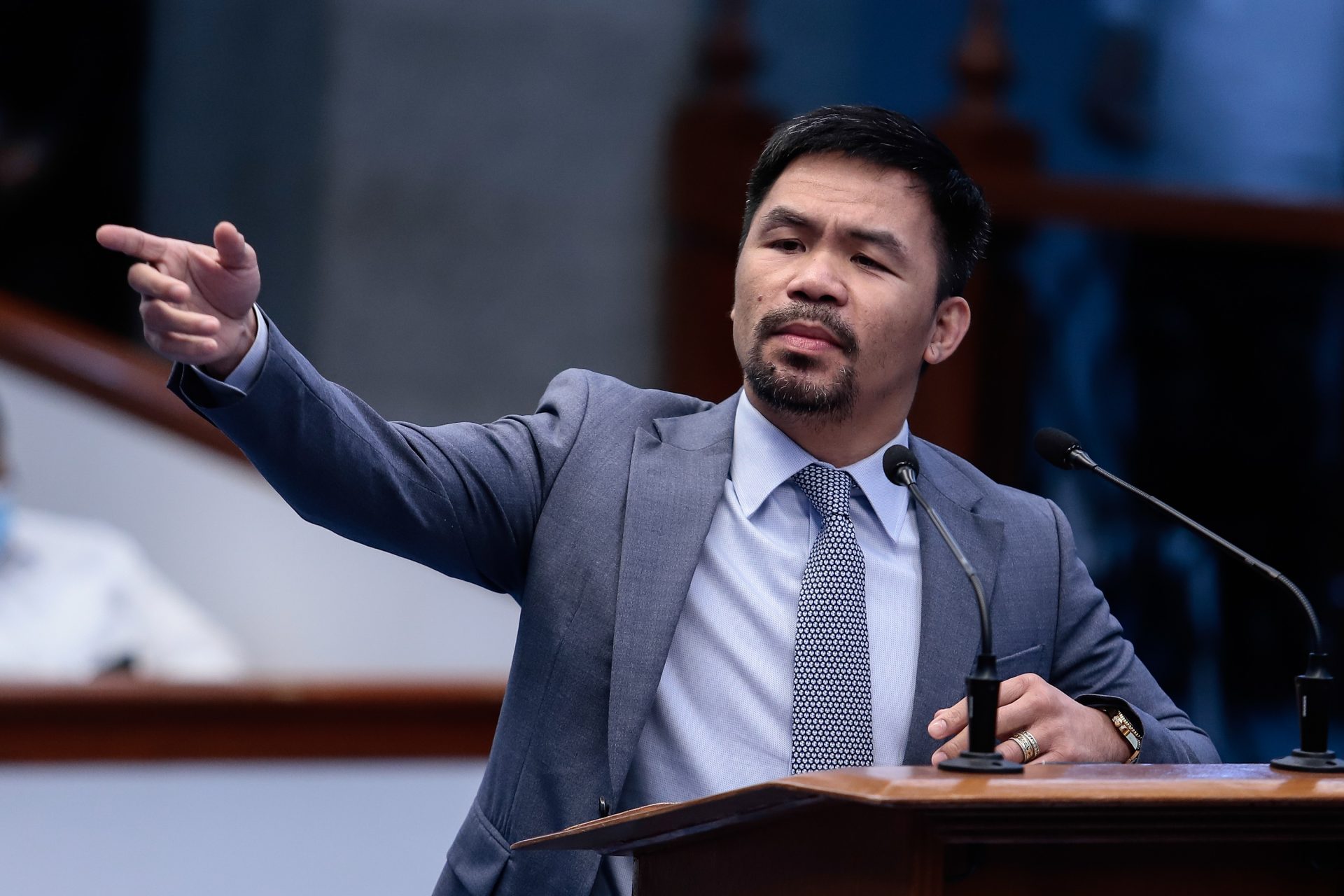
As a senator, Pacquiao chaired the Committee on Public Works and the Committee on Ethics and Privileges. His senatorial tenure was characterized by a distinct shift toward moralistic governance, heavy emphasis on anti-corruption campaigns, and the advocacy of capital punishment for heinous crimes—a stance that often drew sharp ideological friction with human rights advocates and international observers. He also proposed measures to streamline government bureaucracy and enhance penalties for public officials involved in systemic graft.
| Electoral Campaign | Office Sought | District / Scope | Outcome | Key Platform Focus |
|---|---|---|---|---|
| 2010 Election | House of Representatives | Sarangani (Lone District) | Won | Sports development, local infrastructure, poverty relief |
| 2013 Election | House of Representatives | Sarangani (Lone District) | Won | Grassroots health programs, labor rights, education |
| 2016 Election | Philippine Senate | National | Won | Anti-corruption, death penalty, public works |
| 2022 Election | Presidency | National | Lost | Housing, anti-corruption, economic recovery |
Despite his high-profile legislative positions, Pacquiao's senatorial career faced persistent criticism regarding committee participation and his theological framing of political issues. Critics argued that his conservative religious viewpoints occasionally clouded nuanced policy debates, particularly concerning social legislation. Conversely, his supporters praised his unblemished personal integrity regarding state funds and his tireless advocacy for housing projects aimed at the poorest sectors of society, most notably his "Pacman Village" initiatives funded largely through private resources.
The 2022 Presidential Campaign: Populism and Policy Platforms
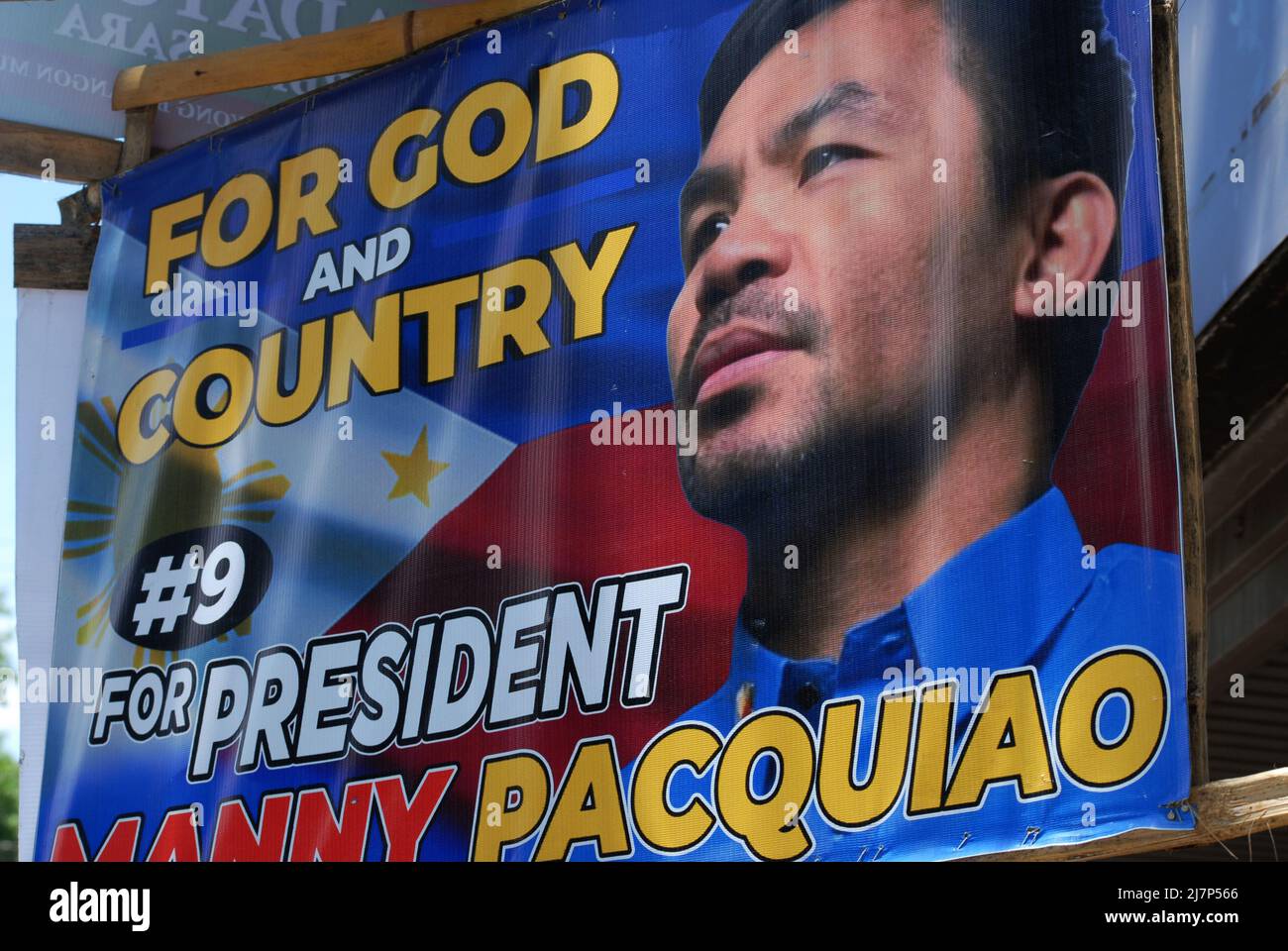
The culmination of Pacquiao’s political evolution occurred during the 2022 Philippine presidential election. Running under the banner of the Partido Demokratiko Pilipino–Lakas ng Bayan (PDP-Laban) faction and later through independent and allied coalitions, he positioned his presidential campaign as a crusade of the poor against systemic corruption. His platform centered on three main pillars: mass housing, absolute eradication of corruption, and sweeping economic modernization to generate employment.
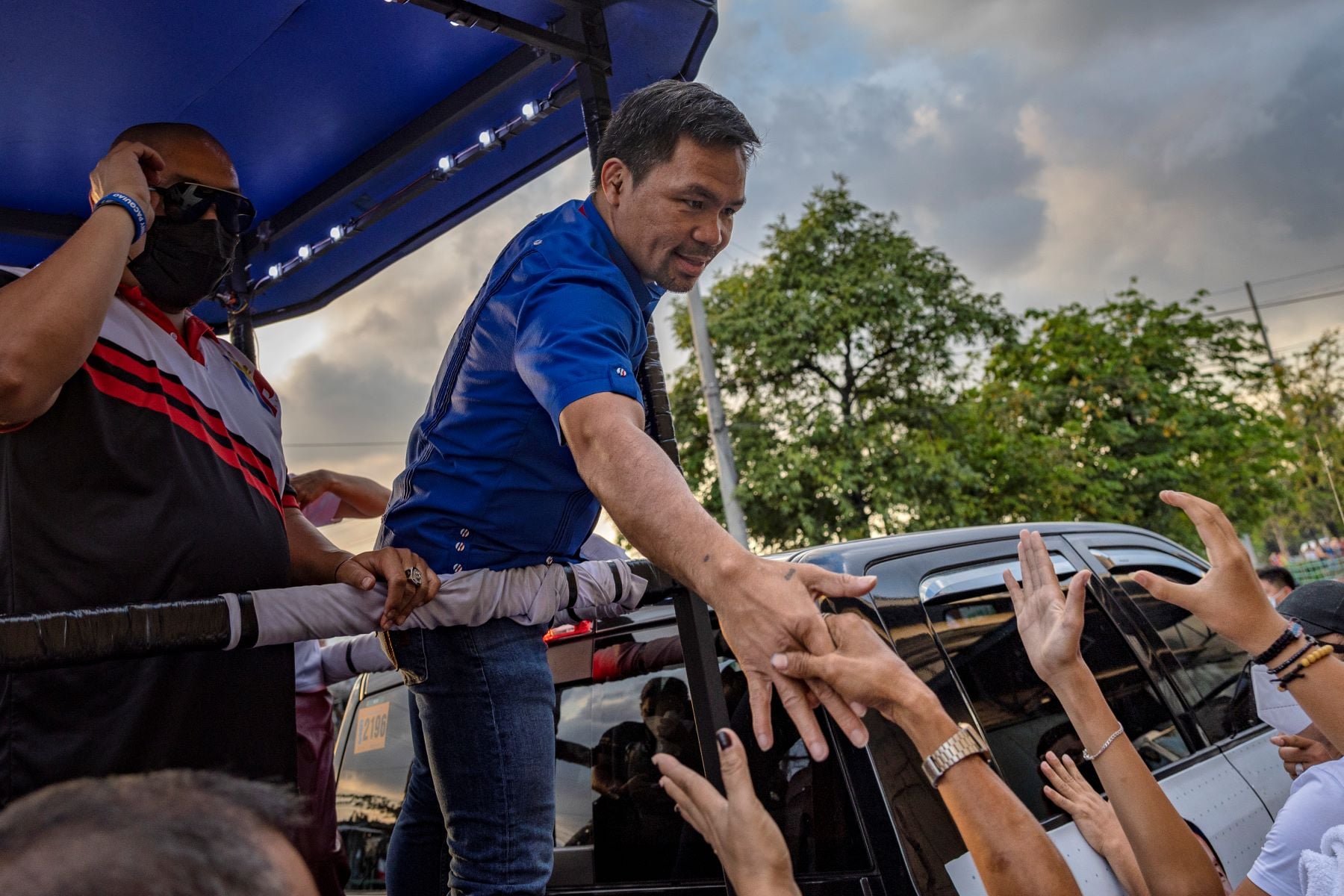
Pacquiao’s presidential bid sought to harness the same populist fervor that propelled his boxing career, framing his life story as the ultimate antidote to elite governance. He campaigned extensively in rural provinces and urban informal settlements, promising transparent governance, free housing units for the homeless, and lower electricity and tax rates. However, the campaign faced severe logistical hurdles, fragmented political alliances, and formidable machinery from rival camps.
Ultimately, Pacquiao finished behind Ferdinand Marcos Jr. and Leni Robredo in a crowded presidential race. Despite the electoral defeat, his campaign demonstrated the enduring appeal of anti-establishment populism in Philippine politics, capturing millions of votes from working-class Filipinos who viewed him as an authentic champion of the marginalized.
Key Controversies and Criticisms in Political Governance
Pacquiao’s tenure in public office has not been without controversy. Pundits and political analysts have frequently debated the intersection of celebrity status and legislative competence. Key areas of contention include:
- Legislative Attendance and Focus: During his time as both a congressman and a senator, his continued participation in professional boxing matches necessitated extended leaves of absence, drawing accusations of absenteeism from political opponents and watchdog groups.
- Stance on Social and Moral Issues: His vocal opposition to same-sex marriage and reproductive health measures, rooted in his conservative evangelical Christian beliefs, drew intense criticism from progressive sectors and human rights organizations.
- Political Shifts and Alliances: Like many figures in the porous party system of the Philippines, Pacquiao’s fluid political alignments—shifting between various coalitions and factions—invited scrutiny regarding party loyalty and ideological consistency.
Frequently Asked Questions
What public offices has Manny Pacquiao held?
Manny Pacquiao served as the Representative of Sarangani’s lone district from 2010 to 2016 across two terms, and subsequently as a Senator of the Philippines from 2016 to 2022. He also ran an unsuccessful campaign for the presidency in the 2022 national elections.
What were Manny Pacquiao's primary legislative priorities as a senator?
As a senator, Pacquiao focused heavily on anti-corruption measures, infrastructure development, the restoration of the death penalty for heinous crimes, and housing programs for the impoverished. He chaired the Senate Committee on Public Works and the Committee on Ethics and Privileges.
How did his boxing career impact his political duties?
His active boxing career required rigorous training camps that occasionally conflicted with legislative session schedules. While supporters argued that his international bouts brought immense prestige and unified the nation, critics frequently cited potential absenteeism during crucial committee hearings and floor debates.
What was the outcome of Manny Pacquiao's 2022 presidential run?
Manny Pacquiao ran for president in the May 2022 elections, focusing his platform on poverty eradication, mass housing, and anti-corruption. He finished third in the official tally behind Ferdinand Marcos Jr. and Leni Robredo.
Is Manny Pacquiao still active in politics?
Following his 2022 presidential campaign, Pacquiao stepped away from formal legislative office but remained a prominent public figure and voice in national discourse, continuing his philanthropic endeavors and maintaining an active interest in political developments.
Next Actions and Conclusion
Manny Pacquiao’s political journey illustrates the profound influence of celebrity capital within democratic electoral systems. For observers, researchers, and citizens analyzing political change in Southeast Asia, his career serves as a vital case study examining how personal charisma, philanthropic outreach, and populist messaging intersect with institutional governance. Evaluating his legacy requires balancing his legislative advocacy for marginalized communities against systemic critiques regarding institutional preparation and legislative attendance. Future assessments will depend heavily on whether he re-enters electoral politics or focuses permanently on humanitarian and civic leadership.
Image Gallery