Understanding the Aconcagua Life Insurance Offering
Understanding the Aconcagua life insurance offering requires a careful review of its underlying financial protection structures, policy features, underwriting guidelines, and target consumer demographics designed to secure long-term fa...
Understanding the Aconcagua life insurance offering requires a careful review of its underlying financial protection structures, policy features, underwriting guidelines, and target consumer demographics designed to secure long-term family and estate stability.
Contents
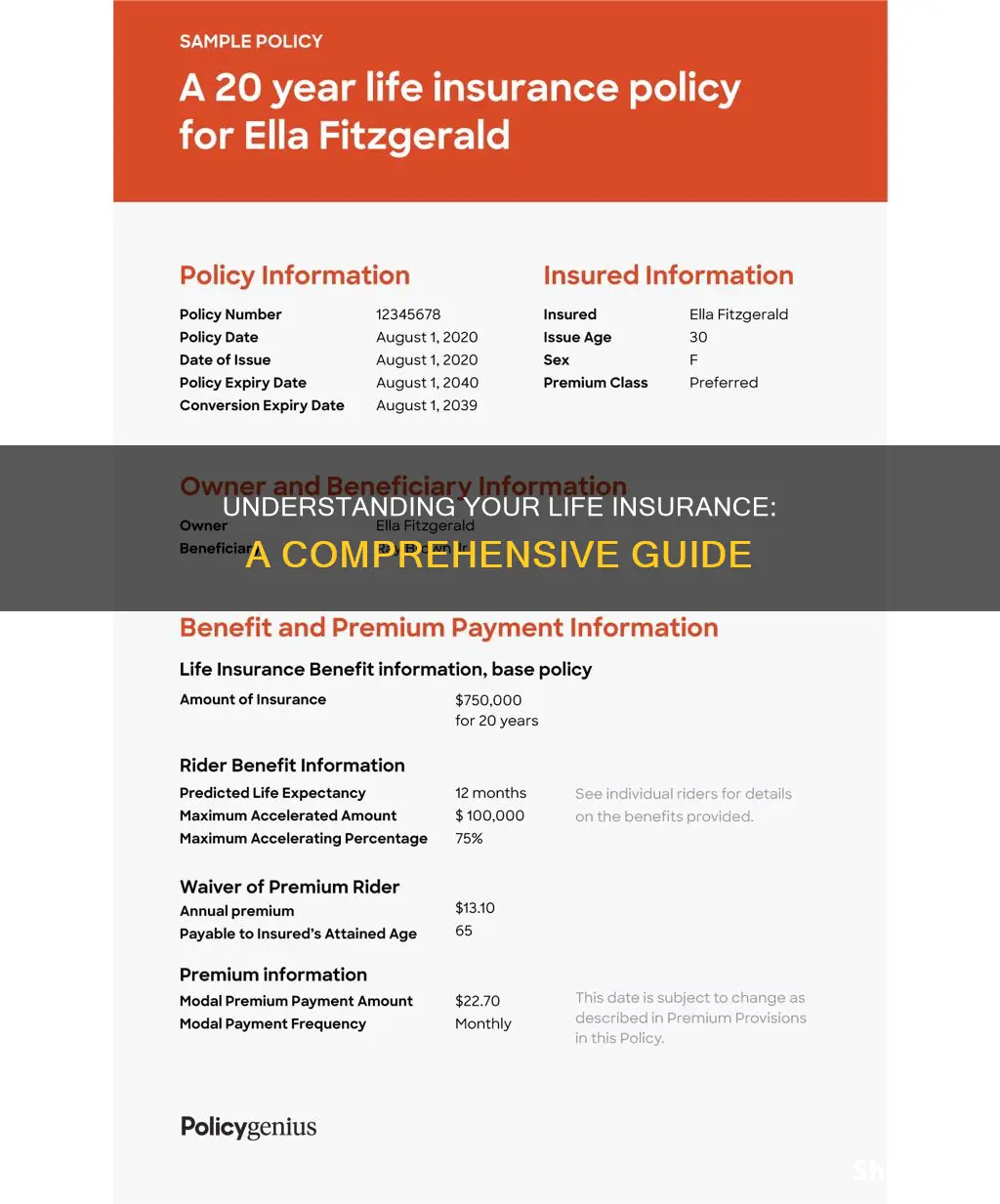
Life insurance remains a critical financial instrument for individuals seeking to replace lost income, cover outstanding debts, and ensure generational wealth transfer. When evaluating specialized or regional financial products, such as those associated with the Aconcagua life insurance offering, policyholders must look past basic marketing claims to examine the underlying contractual mechanics. Financial protection vehicles of this nature typically combine elements of risk pooling, cash value accumulation, and customizable riders to address diverse estate planning needs.
Navigating these offerings successfully demands a thorough comprehension of how underwriting tiers function, what policy exclusions apply, and how premium structures evolve over time. This analysis breaks down the core components of the Aconcagua life insurance portfolio, offering clarity for policyholders, financial advisors, and prospective buyers looking to make informed decisions.
Foundations of Modern Life Insurance Architecture
To understand any specific life insurance policy, one must first recognize the structural differences between permanent and temporary risk coverage. Life insurance is fundamentally designed to mitigate the financial friction caused by the unexpected loss of an income earner or key business stakeholder.
Temporary protection, commonly known as term insurance, provides a death benefit for a specified duration—such as 10, 20, or 30 years—offering high coverage amounts for relatively low initial premiums. Conversely, permanent options, which may include whole or universal policies, incorporate a cash value component alongside the death benefit. These instruments act simultaneously as a risk-mitigation tool and an asset-building vehicle.
Insurance providers structure their portfolios to cater to varying risk tolerances and financial horizons. Evaluating a specific offering involves determining whether the product leans toward pure risk protection or incorporates investment-linked growth features. Understanding this baseline distinction helps applicants align their personal balance sheets with the correct policy type.
Core Features of the Aconcagua Life Insurance Offering
The Aconcagua life insurance offering is structured to provide flexible financial safeguards, accommodating both individuals seeking straightforward income replacement and those requiring complex estate liquidity solutions.
At its core, the offering provides a guaranteed death benefit paid tax-free to designated beneficiaries upon the insured's passing. However, the true value of the portfolio lies in its modular design. Policyholders can often select from a suite of customizable riders that adapt the base policy to changing life events, such as marriage, the birth of children, or business expansion.
Key architectural features often found within this portfolio include:
- Guaranteed Death Benefits: Ensuring a fixed financial payout to beneficiaries, subject to policy terms and continuous premium payments.
- Cash Value Accumulation: Select permanent structures allow a portion of the premium to grow tax-deferred, serving as an accessible liquidity pool during the insured's lifetime.
- Flexible Premium Structures: Options that permit adjustments to payment schedules, depending on the specific product tier selected.
- Conversion Privileges: Provisions allowing term policyholders to convert their coverage into permanent plans without undergoing additional medical underwriting.
Underwriting Criteria and Eligibility Requirements
Securing a policy under the Aconcagua life insurance offering requires navigating a comprehensive underwriting process. Underwriting is the method by which an insurer evaluates an applicant's mortality risk to determine appropriate premium pricing and coverage limits.
The evaluation process typically categorizes applicants based on age, overall health status, occupational hazards, lifestyle habits, and financial history. Insurers utilize specialized medical data, including biometric screenings, blood panels, and attending physician statements, to assign a risk classification ranging from preferred elite to standard or substandard.
| Underwriting Factor | Typical Evaluation Metric | Impact on Policy Terms |
|---|---|---|
| Age and Gender | Actuarial mortality tables | Dictates baseline premium cost; younger applicants secure lower rates. |
| Health and Biometrics | Blood pressure, cholesterol, BMI, lab results | Determines risk tier (Preferred vs. Standard); underlying conditions may increase costs. |
| Lifestyle and Vocation | Tobacco use, extreme sports, hazardous occupations | Introduces flat extras or exclusions; tobacco users face significantly higher rates. |
| Financial Underwriting | Income verification, net worth, debt obligations | Ensures the requested death benefit aligns with insurable interest limits. |
Applicants must prepare for full financial and medical disclosure. Discrepancies between application statements and verified medical records can lead to claim denials or policy rescissions during the contestability period, underscoring the necessity of absolute transparency.
Financial Planning and Wealth Integration
Integrating a life insurance policy into a comprehensive financial plan requires balancing immediate cash flow needs with long-term wealth preservation goals. The Aconcagua life insurance offering can serve multiple functions within a diversified estate strategy.
For high-net-worth individuals and business owners, life insurance frequently acts as a liquidity engine. Upon the death of a primary stakeholder, estate taxes, probate fees, and final expenses can force the premature liquidation of illiquid assets, such as real estate or closely held corporate shares. A properly structured life insurance payout provides immediate, liquid capital to satisfy these tax liabilities, preserving the integrity of the family estate or business enterprise.
Furthermore, permanent policy variants with cash value accumulation can function as a supplemental retirement resource. Policyholders can access accumulated cash value through tax-advantaged withdrawals or policy loans, though doing so reduces the ultimate death benefit and can risk policy lapse if not managed carefully. Financial advisors typically recommend stress-testing these policies against varying interest rate environments to ensure long-term viability.
Comparative Overview of Coverage Options
When selecting a policy from the Aconcagua life insurance offering, buyers must compare temporary solutions against permanent alternatives based on cost, duration, and financial objectives.
| Feature / Attribute | Term Insurance Options | Permanent Insurance Options |
|---|---|---|
| Duration | Fixed period (e.g., 10 to 30 years) | Lifetime coverage, provided premiums are maintained |
| Cost Profile | Lower initial premiums that increase upon renewal | Higher initial premiums that remain level over time |
| Cash Value | None; pure risk protection | Builds cash value with tax-deferred growth potential |
| Primary Use Case | Replacing income during peak earning and debt-accumulation years | Estate planning, business continuation, lifelong legacy goals |
Choosing between these paths depends entirely on the policyholder's time horizon. A young family with a heavy mortgage and dependent children generally prioritizes maximum death benefit per dollar spent, making term coverage attractive. Conversely, an established business owner requiring permanent key-person protection will find permanent structures more aligned with their operational mandate.
Common Pitfalls and Troubleshooting Policy Issues
Policyholders frequently encounter operational challenges over the lifetime of a life insurance contract. Recognizing and mitigating these common pitfalls ensures continuous coverage and avoids unexpected financial losses.
One of the most prevalent issues is policy lapse due to non-payment. Premium notices can be missed, or automatic bank drafts can fail due to expired payment methods. Most policies feature a standard grace period—typically 30 to 31 days—during which the policy remains active while the premium is settled. If the grace period expires without payment, permanent policies may automatically initiate internal loan provisions (if cash value is sufficient) to cover the premium, or lapse entirely.
Another frequent challenge involves beneficiary designation errors. Failing to update beneficiaries following major life events, such as divorce, remarriage, or the death of a primary beneficiary, can result in insurance proceeds being distributed contrary to the deceased's final wishes. Beneficiary designations supersede instructions left in a last will and testament, making periodic reviews essential.
Policyholders should also monitor the performance of equity-indexed or universal life policies. If underlying market indices underperform assumptions made at the time of purchase, required premium payments may increase to keep the policy from lapsing. Regular annual reviews with a licensed fiduciary or insurance professional help identify these shortfalls before they jeopardize the entire contract.
Frequently Asked Questions
What is the primary purpose of the Aconcagua life insurance offering?
The primary purpose is to provide structured financial protection through customizable death benefits and potential cash value accumulation, helping individuals and families secure income replacement, debt coverage, and estate liquidity.
How do I determine the correct coverage amount for my needs?
Coverage amounts are typically calculated using the DIME formula—Debt, Income, Mortgage, and Education—or by multiplying current annual income by a factor of 10 to 15, adjusted for existing assets and future financial liabilities.
Can a term policy be converted into a permanent policy?
Many policies within this portfolio include a conversion rider, allowing policyholders to transition from temporary term coverage to permanent insurance without undergoing a new medical examination, subject to specific contractual timelines.
What happens if I miss a premium payment?
Insurers generally provide a grace period of 30 to 31 days. If payment is not made within this window, permanent policies may draw on accumulated cash value to cover the premium, while term policies will typically lapse.
Are life insurance death benefits subject to income tax?
In most jurisdictions, life insurance death benefits paid to a designated beneficiary are received income tax-free, though they may still be subject to estate taxes depending on the total value of the estate and how the policy is owned.
Next Actions for Prospective Policyholders
Evaluating the Aconcagua life insurance offering begins with a clear assessment of personal financial obligations, long-term family goals, and risk tolerance. Prospective buyers should gather necessary financial documents, review existing coverage gaps, and consult with an independent licensed insurance professional. Requesting a formal, personalized quote based on verified health and financial profiles allows for an accurate comparison of rates, riders, and long-term value before committing to a contract.
Image Gallery