Navigating Workers Compensation Claims for Work-Related Hearing Loss
Securing compensation for occupational hearing loss requires proving a direct causal link between your workplace environment and your hearing decline. A specialized workers compensation hearing loss injury law firm assists in navigatin...
Securing compensation for occupational hearing loss requires proving a direct causal link between your workplace environment and your hearing decline. A specialized workers compensation hearing loss injury law firm assists in navigating the medical evidence, statutory filing deadlines, and procedural requirements necessary to secure benefits for permanent partial disability or medical expenses.
Contents
Understanding Occupational Hearing Loss Claims
Occupational hearing loss is a distinct category of workers compensation injury because it is often an "occupational disease" rather than a single-event accident. Unlike a broken bone or a laceration, hearing loss typically occurs gradually over years of exposure to hazardous noise levels. This gradual nature makes these claims technically complex, as insurance carriers frequently dispute whether the loss is age-related (presbycusis) or caused by workplace noise.
To successfully initiate a claim, you must demonstrate two primary factors: that you were exposed to injurious noise levels in the workplace and that this exposure resulted in a measurable deficit in your hearing. Because hearing loss is often permanent and irreversible, the legal goal is generally to obtain compensation for the loss of function, which is assessed through a permanent partial disability (PPD) rating.
The Role of a Specialized Law Firm
When you engage a law firm specializing in hearing loss injury, you are not merely hiring representation; you are acquiring the capacity to manage the evidentiary burden. Most workers compensation systems require specific medical documentation to prove a claim. A qualified attorney will ensure your case includes:
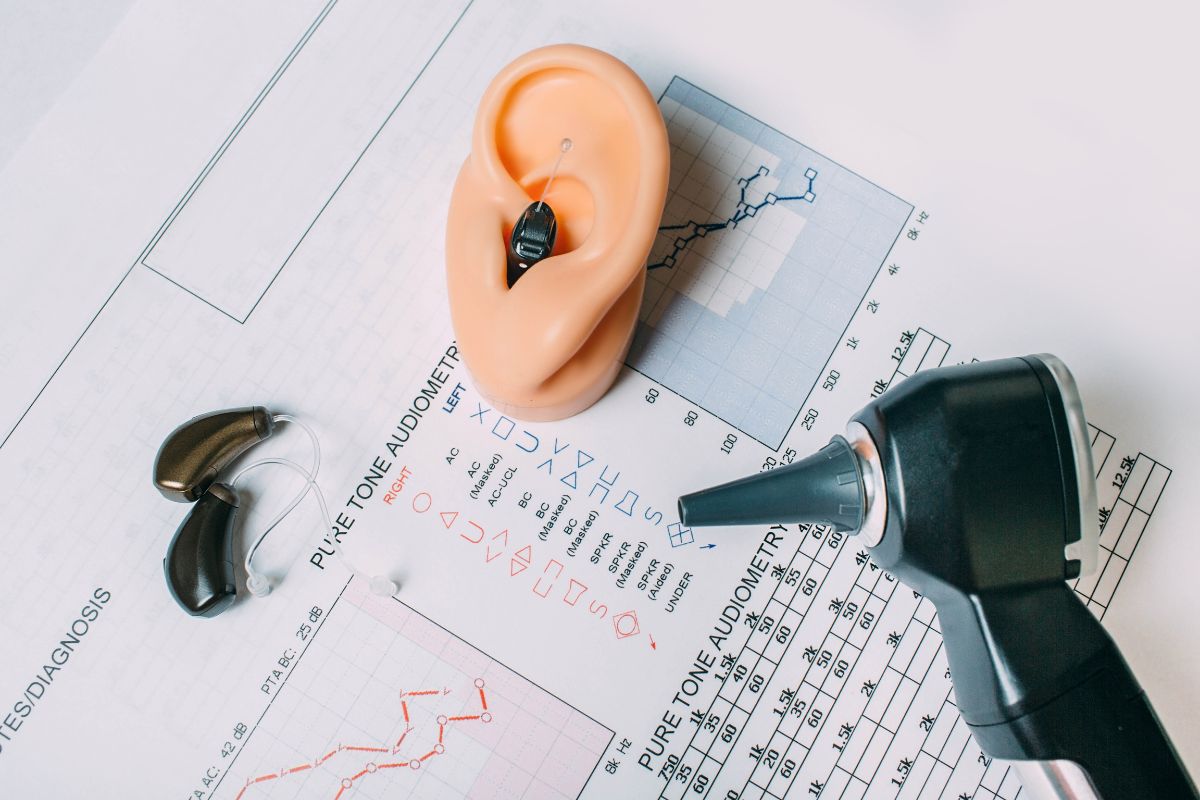
- Audiometric Testing: Properly calibrated, professional-grade audiograms that establish your baseline hearing and current impairment level.
- Exposure History: Documented evidence of noise levels exceeding OSHA (Occupational Safety and Health Administration) permissible exposure limits in your specific work environment.
- Causation Reports: Expert medical opinions that differentiate between workplace noise-induced loss and non-occupational factors, such as hereditary conditions or off-the-clock activities.
- Statutory Compliance: Strict adherence to notice requirements and statutes of limitations, which vary significantly by jurisdiction.
Common Challenges in Hearing Loss Litigation
The most significant hurdle in these cases is the "apportionment" defense used by insurance companies. Carriers often argue that a portion of your hearing loss is attributable to the natural aging process or prior medical history. A law firm experienced in this niche knows how to challenge these apportionments, often by utilizing specialized otolaryngologists who can distinguish the "noise notch" signature of occupational damage from the high-frequency slope typical of age-related loss.
Another frequent obstacle is the calculation of benefits. Depending on the state, hearing loss benefits may be calculated based on the percentage of binaural (both ears) impairment. If your attorney lacks experience in this specific medical-legal niche, they may inadvertently agree to a rating that undervalues the true extent of your disability.
Comparison of Legal Approaches to Hearing Loss Claims
| Feature | General Practice Attorney | Specialized Hearing Loss Law Firm |
|---|---|---|
| Medical Network | Relies on standard general practitioners | Maintains access to certified audiologists/ENTs |
| Exposure Documentation | Basic record review | Detailed noise level analysis and expert testimony |
| Apportionment Defense | Often accepts initial medical reports | Proactively challenges non-occupational offsets |
| Outcome Focused | Settlement volume | Maximizing permanent partial disability (PPD) rating |
Steps to Take If You Suspect Work-Related Hearing Loss
If you suspect your hearing has been damaged by your occupation, prompt action is required to preserve your rights.
- Seek Professional Evaluation: Visit an audiologist or an Ear, Nose, and Throat (ENT) specialist who is experienced in occupational testing. Ensure they are aware that the assessment is for a potential workers compensation claim.
- Document Your Environment: Keep a log of your work history, including the machinery operated, the duration of exposure, and any instances where safety equipment (earplugs or earmuffs) was absent or malfunctioning.
- Notify Your Employer: In most jurisdictions, you are legally required to provide written notice of your injury within a specific timeframe. Failing to notify your employer can bar you from recovery.
- Consult with Counsel: Contact a law firm that focuses on industrial injury. Provide them with your employment history, any previous hearing tests, and a summary of your symptoms, such as tinnitus (ringing in the ears) or difficulty understanding speech in crowded environments.
Evaluating Potential Legal Partners
When researching a law firm to represent your hearing loss claim, prioritize firms that can demonstrate experience with industrial claims. Ask potential counsel about their success in litigating "gradual injury" cases rather than just "acute trauma" cases. A firm that primarily handles car accidents may not possess the specialized knowledge of industrial hygiene standards or the specific medical terminology required to effectively question a defense expert on the frequencies affected by industrial noise.
Verify if the firm operates on a contingency fee basis, which is standard in workers compensation. Under this arrangement, the firm only receives a percentage of the benefits recovered, often capped by state law. This aligns the firm’s interests with yours, ensuring they are motivated to secure the highest possible impairment rating.
Frequently Asked Questions
Can I file a claim if I am still working at the same job? Yes. You do not need to quit your job to file a workers compensation claim for hearing loss. In most states, you are entitled to benefits for the loss of function regardless of your current employment status, provided the damage occurred during your tenure with the employer.
What if I have "ringing in my ears" but my hearing test seems normal? Tinnitus is a recognized symptom of noise-induced injury. While some states have specific laws regarding tinnitus compensability, many jurisdictions allow for its inclusion in your disability claim. A specialized attorney will help document the impact of tinnitus on your daily life, as it is often considered a distinct factor in determining disability ratings.
Are there deadlines for filing a hearing loss claim? Yes. Statutes of limitations for occupational diseases are notoriously strict and complex. In many states, the "clock" starts when you knew, or should have known, that your hearing loss was caused by your employment. Because this is a subjective standard, consulting an attorney immediately is critical to ensuring your right to file does not expire.
What is a permanent partial disability (PPD) rating? A PPD rating is a medical-legal assessment expressed as a percentage of loss to a body part. In hearing loss cases, this percentage dictates the amount of financial compensation you receive. Your law firm will work to ensure that this rating accurately reflects your loss, rather than an artificially low estimate provided by an insurance-hired physician.
Does workers compensation cover the cost of hearing aids? If your hearing loss is found to be work-related, the insurance carrier is generally responsible for covering the lifetime cost of necessary medical treatment, which includes hearing aids, batteries, and ongoing audiological evaluations.
Final Recommendation
The complexity of proving gradual noise-induced hearing loss means that you should not attempt to navigate the workers compensation process without specialized legal support. Contact an experienced workers compensation hearing loss injury law firm to schedule a case evaluation. Provide them with all relevant medical records and a detailed employment history to ensure they can accurately assess the strength of your claim before filing.
Image Gallery