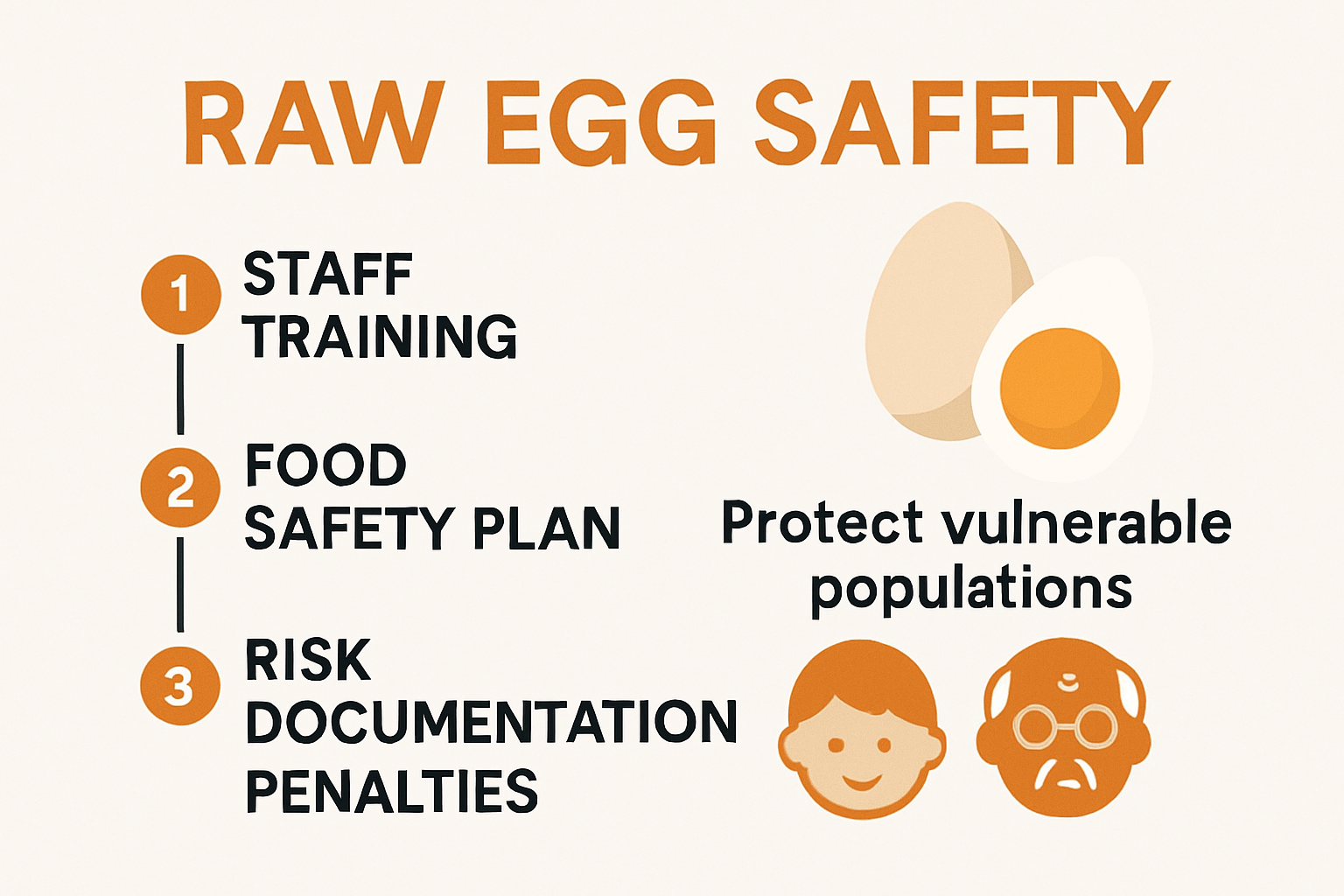
Preventing Raw Egg Poisoning: A Comprehensive Guide to Home Food Safety
Raw egg poisoning is primarily caused by Salmonella Enteritidis, a bacterium that can contaminate the interior and exterior of eggs, posing significant health risks to consumers. Ensuring safety in the home kitchen requires a multi-lay...
Raw egg poisoning is primarily caused by Salmonella Enteritidis, a bacterium that can contaminate the interior and exterior of eggs, posing significant health risks to consumers. Ensuring safety in the home kitchen requires a multi-layered approach involving proper selection, storage, temperature control, and preparation techniques. By following evidence-based protocols established by food safety authorities, households can effectively neutralize the risk of foodborne illness associated with raw or undercooked eggs.
Contents
Understanding the Risks of Raw Egg Consumption
The primary pathogen associated with raw eggs is Salmonella. Unlike other foodborne illnesses that originate from surface contamination during processing, Salmonella can be deposited inside the egg while it is still forming within the hen. This means that even clean-looking, uncracked shells may contain the bacteria.
For the average healthy individual, salmonellosis often results in gastroenteritis, characterized by diarrhea, fever, and abdominal cramps. However, the infection can be severe, or even life-threatening, for vulnerable populations. This includes young children, the elderly, pregnant individuals, and those with compromised immune systems. Because these groups are at a higher risk of systemic infection, the consensus among food safety agencies, such as the U.S. Food and Drug Administration (FDA) and the Centers for Disease Control and Prevention (CDC), is to avoid raw or lightly cooked eggs entirely when preparing meals for these individuals.
Purchasing and Selection Strategies
Safety begins at the grocery store. Consumers should adopt a "last item in, first item out" policy for eggs, selecting them only after other shelf-stable items have been gathered.
- Check the Shells: Open the carton to ensure that every egg is clean and free of cracks. Bacteria can easily penetrate the porous shell through hairline fractures, which are sometimes difficult to see.
- Temperature Awareness: Only purchase eggs from refrigerated display cases. If a carton is sitting on a room-temperature shelf, the potential for bacterial proliferation increases significantly.
- Check Expiration Dates: While not a guarantee of safety, adhering to the "sell-by" or "best-by" date ensures the eggs are within the window of peak freshness as determined by the retailer and producer.
- Pasteurized Options: For recipes that explicitly require raw eggs—such as homemade hollandaise, certain dressings, or mousses—opt for pasteurized eggs. These have been heat-treated in their shells to destroy bacteria without cooking the egg, significantly reducing the risk of illness.
Proper Storage and Handling
Once home, the environment in which eggs are stored is critical to inhibiting bacterial growth. The "danger zone" for food—the temperature range between 40°F (4°C) and 140°F (60°C)—is where Salmonella can multiply rapidly.
- Refrigeration: Store eggs in their original carton at a temperature of 40°F (4°C) or below. The original carton protects the eggs from absorbing odors from other foods and keeps them from losing moisture too quickly.
- Placement: Avoid storing eggs in the refrigerator door. The temperature in the door fluctuates every time it is opened, whereas the main body of the refrigerator provides a more consistent, cold environment.
- Duration: While eggs can remain safe for several weeks when stored properly, they should be consumed within 3 to 5 weeks of purchase for optimal quality and safety.
Best Practices for Cooking and Preparation
The most effective way to eliminate Salmonella is through heat. The internal temperature of a cooked egg must reach 160°F (71°C). At this temperature, the yolk and white are firm, and the bacteria are destroyed.
When preparing dishes with multiple eggs, avoid "pooling" eggs—the practice of cracking numerous eggs into a large bowl before cooking. If one egg is contaminated, pooling spreads the bacteria to the entire batch. Instead, crack each egg individually into a separate small container before adding it to the mixture. This limits potential contamination to just one egg, rather than ruining a larger volume of food.
Comparison of Egg Safety Methods
| Method | Safety Level | Best Use |
|---|---|---|
| Pasteurization | Very High | Raw applications (dressings, desserts) |
| Hard Boiling | High | Snacks, salads, long-term storage |
| Scrambling/Frying | High | Standard breakfast applications |
| Pooling | Low/Hazardous | Should be avoided entirely |
| Sunny-side Up | Moderate/Low | Only safe if yolk is fully set |
Cleaning and Sanitation
Cross-contamination is a leading cause of home foodborne illness. After handling raw eggs, wash your hands with soap and warm water for at least 20 seconds. This is a non-negotiable step before touching other kitchen surfaces, utensils, or ready-to-eat foods.
Countertops, cutting boards, and utensils that have come into contact with raw egg residue should be cleaned with hot, soapy water and then sanitized. A simple solution of one tablespoon of unscented, liquid chlorine bleach per gallon of water is an effective sanitizer for non-porous surfaces. Always air-dry or use clean paper towels, as cloth towels can harbor bacteria and spread them to other areas of the kitchen.
Frequently Asked Questions
Does washing eggs before storing them make them safer? No. Most commercially produced eggs in countries like the United States are washed and sanitized at the processing plant. Washing them again at home can actually push bacteria through the porous shell into the egg, increasing the risk of contamination.
Can I use eggs that have been left out on the counter? If eggs have been left at room temperature for more than two hours, they should be discarded. Bacteria can reach dangerous levels quickly, and chilling them after this point will not make them safe to eat.
Are farm-fresh eggs safer than store-bought ones? Not necessarily. While farm-fresh eggs have not undergone industrial processing, they are also not subject to the mandatory inspections and sanitization protocols of commercial eggs. If you source eggs from a farm, ensure you handle them with the same, or even stricter, safety precautions as commercial products.
How can I tell if an egg has gone bad? Check for a sulfur-like odor or an unusual appearance in the white or yolk. If an egg smells off or has a discolored appearance when cracked, discard it immediately. Never rely on the "float test" as a sole indicator of safety; while it can indicate the age of an egg, it cannot confirm the absence of Salmonella.
What should I do if I suspect I have food poisoning? Monitor your symptoms. If you experience persistent vomiting, high fever, or signs of dehydration, contact a healthcare professional. Stay hydrated and avoid preparing food for others until you have been symptom-free for at least 48 hours.
Professional Guidance and Next Steps
When planning meals that involve eggs, prioritize the safety of your guests and family by choosing cooking methods that ensure the eggs are thoroughly heated. If you are preparing food for individuals at high risk for complications from Salmonella, use pasteurized eggs exclusively.
Regularly check your refrigerator temperature using an appliance thermometer to ensure it remains at the ideal 40°F (4°C) or lower. If you find your appliance struggles to maintain this temperature, it may be time for service or replacement to prevent the spoilage of perishable goods. By maintaining these strict hygiene standards, you significantly mitigate the risks associated with raw egg consumption in your home environment.
Image Gallery