Workers Compensation Insurance Explained: A Practical Guide for Employers
Workers compensation insurance is a mandatory form of business insurance that provides wage replacement and medical benefits to employees who suffer work-related injuries or illnesses. In exchange for these guaranteed benefits, employe...
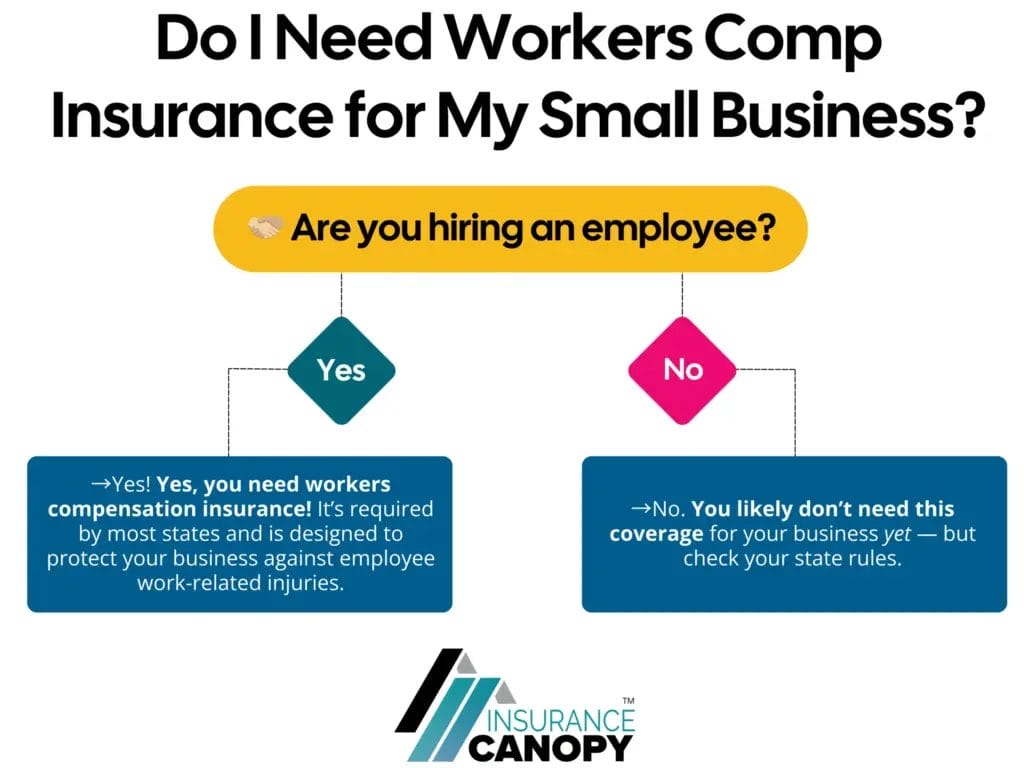
Workers compensation insurance is a mandatory form of business insurance that provides wage replacement and medical benefits to employees who suffer work-related injuries or illnesses. In exchange for these guaranteed benefits, employees generally waive their right to sue their employer for negligence. As of 2026, most states require this coverage for businesses with at least one employee, making it a fundamental pillar of legal and financial compliance for employers.
Contents
Understanding the Core Purpose of Workers Compensation
At its most basic level, workers compensation serves as a "no-fault" system. This means that an injured employee is entitled to benefits regardless of who caused the accident—whether it was the employer’s oversight, a third party, or even the employee’s own minor mistake. The primary goal is to ensure that workers can recover from injuries and return to the workforce without facing financial ruin, while simultaneously shielding employers from the unpredictable costs and risks of civil litigation.
The "no-fault" nature is crucial. Without this system, an injured worker would have to prove in court that the employer was negligent to receive compensation. This would be a costly, time-consuming, and adversarial process for both parties. Workers compensation streamlines this by creating a structured framework where medical expenses and a portion of lost wages are paid out according to state-mandated schedules.
Who Needs Workers Compensation Insurance?
In the United States, workers compensation is regulated at the state level. While requirements vary by jurisdiction, the general rule is that any business with employees must carry a policy.
Common Requirements and Exemptions
- Mandatory Coverage: Most states require coverage as soon as you hire your first employee.
- Independent Contractors: Generally, independent contractors are not considered employees. However, misclassifying an employee as a contractor is a severe legal violation that can lead to heavy fines and back-payment of premiums.
- Corporate Officers and Owners: Rules regarding whether business owners must cover themselves vary. In some states, they can opt-out; in others, they must be included in the policy.
- Penalties for Non-Compliance: Operating without coverage is a serious offense. Consequences often include "stop-work" orders, significant daily fines, and personal liability for the employer if a worker is injured.
How the Cost of Insurance is Calculated
The cost of your premium is not a flat fee. Instead, it is based on several variables that assess your company’s specific risk profile.
- Payroll: Your total payroll is the primary driver of the premium. Insurance carriers apply a "rate" per $100 of payroll for every employee.
- Job Classification Codes: Every employee is assigned a classification code based on the risk associated with their job. A clerical office worker carries a much lower rate than a roofer or a machine operator.
- Experience Modification Rate (EMR): This is a performance metric based on your company’s history of claims. An EMR of 1.0 is the industry average. If your claims history is better than average, your EMR drops below 1.0, lowering your premiums. If you have frequent or expensive claims, your EMR rises above 1.0, increasing your costs.
- State Premiums and Assessments: Each state has its own regulatory environment, which influences the base rates for the industry.
Comparison of Coverage Factors
| Factor | Influence on Premium | Typical Impact |
|---|---|---|
| Payroll Size | Direct | Higher payroll increases total premium. |
| Industry Risk | High | Dangerous roles increase the rate per $100. |
| Claims History (EMR) | Significant | Past accidents increase future costs. |
| Safety Programs | Potential Discount | Proactive safety lowers risk and may reduce premiums. |
The Claims Process: What Happens When an Injury Occurs
When a workplace injury occurs, the employer’s primary responsibility is to facilitate the claim while ensuring the employee receives medical attention.
- Immediate Care: The health and safety of the employee are the priority. Ensure they get the necessary medical treatment immediately.
- Reporting: Employees must report the injury to their supervisor as soon as possible. The employer then files a formal "First Report of Injury" with their insurance carrier and the state board.
- Investigation: The insurance carrier reviews the claim to verify that the injury occurred within the scope of employment.
- Benefit Disbursement: If approved, the insurance covers medical bills and a portion of lost wages (typically two-thirds of the average weekly wage, subject to state caps).
- Return to Work: The goal is always to get the employee back to work, often through "light duty" assignments if they cannot perform their original job functions.
Common Mistakes to Avoid
Navigating workers compensation requires administrative precision. Many businesses fall into traps that result in audits, fines, or coverage gaps.
- Misclassifying Employees: Attempting to categorize full-time staff as 1099 contractors to avoid insurance costs is one of the most common ways employers get into legal trouble.
- Neglecting Safety Training: Failing to provide adequate safety equipment or training increases the likelihood of accidents, which drives up your EMR and, subsequently, your premiums.
- Delayed Reporting: Waiting to report an injury can complicate the investigation process and lead to regulatory penalties. Always adhere to state-mandated reporting deadlines.
- Ignoring Audit Requirements: Most workers compensation policies are subject to a final premium audit at the end of the term. If you fail to maintain accurate payroll records, you may face unexpected, large premium adjustments.
Professional Advice and Next Actions
Workers compensation is a legal requirement with significant financial implications. Because laws vary drastically by state—and even by industry—it is essential to consult with a licensed commercial insurance agent or broker who specializes in your sector.
Next Steps for Employers:
- Verify State Requirements: Check your state’s Department of Labor or Workers Compensation Board website to identify specific coverage thresholds.
- Audit Your Payroll: Ensure all roles are accurately categorized by job classification codes.
- Implement a Safety Program: Create a formal documentation process for safety procedures to minimize the risk of workplace injuries.
- Request Quotes: Contact multiple carriers or an independent broker to compare coverage terms and rates, ensuring the policy matches your business's specific operational needs.
Disclaimer: This information is provided for educational purposes and does not constitute legal or professional insurance advice. Regulations change frequently and vary by jurisdiction; always consult with a qualified attorney or licensed insurance professional regarding your specific business obligations.
Image Gallery