What Does a GoPro Camera Do? A Comprehensive Guide to Action Cameras
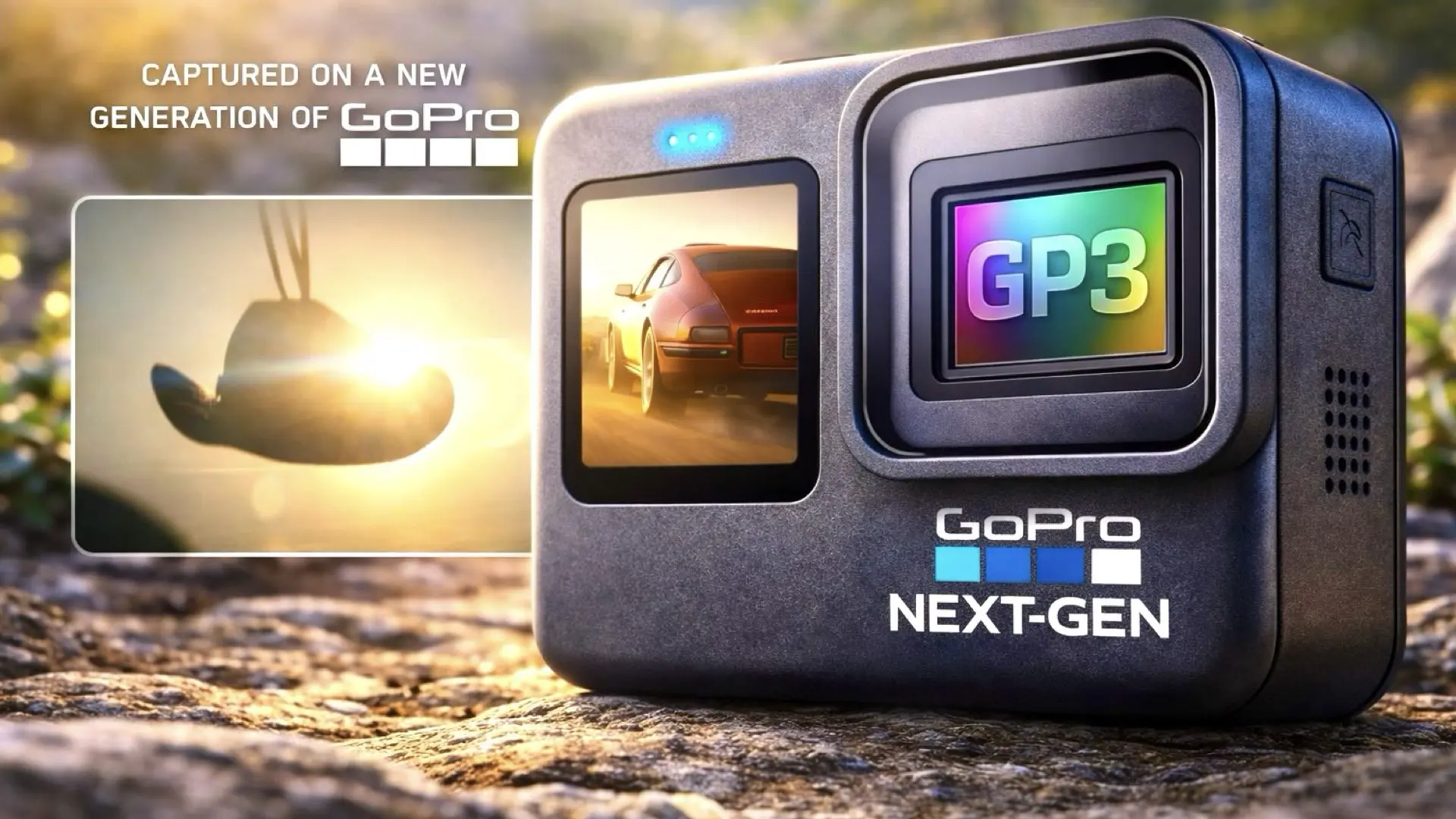
A GoPro camera is a compact, rugged, and waterproof device designed specifically to capture high-quality video and photos in environments where traditional cameras would fail. It utilizes advanced digital stabilization, wide-angle lens...
A GoPro camera is a compact, rugged, and waterproof device designed specifically to capture high-quality video and photos in environments where traditional cameras would fail. It utilizes advanced digital stabilization, wide-angle lenses, and versatile mounting systems to record immersive, hands-on footage during high-intensity activities like surfing, cycling, or travel.
Contents
In the landscape of 2026 digital imaging, the GoPro remains the definitive tool for action enthusiasts and professional creators alike. While smartphones have improved significantly, they cannot match the durability or the specialized perspective that a GoPro offers. To understand what a GoPro camera does, one must look past its small frame and explore the intersection of hardware engineering, software stabilization, and a vast ecosystem of accessories.
Defining the GoPro: Beyond a Standard Camera
At its core, a GoPro is an "action camera." Unlike a DSLR or a mirrorless camera, which are designed for precision and manual control in stable environments, a GoPro is built for motion. It is designed to be "set and forgotten." You mount it to your helmet, surfboard, or chest, hit record, and focus on the activity at hand.
The primary function of a GoPro is to provide a first-person or "point-of-view" (POV) perspective. Because of its extremely wide-angle lens, it captures more of the scene than a human eye typically focuses on, including the user's hands or equipment. This creates a sense of immersion that makes the viewer feel like they are participating in the event. In 2026, this capability has expanded into ultra-high resolutions and AI-driven horizon leveling, ensuring that no matter how much the camera flips or spins, the footage remains watchable and professional.
Core Technical Capabilities and Features
Industry-Leading Image Stabilization
The standout feature of any modern GoPro—specifically the HERO series—is its proprietary stabilization technology, known as HyperSmooth. Before this technology, action footage was often shaky and nauseating to watch. GoPro solves this by using a combination of high-speed sensors (gyroscopes and accelerometers) and digital cropping.
By analyzing the camera's movement in real-time, the internal processor shifts the image frame to counteract shakes. In 2026, HyperSmooth 7.0 (and subsequent versions) provides "gimbal-like" performance without the need for heavy external motorized stabilizers. This allows users to run, mountain bike over rocks, or ski through moguls while producing video that looks like it was shot on a steady rail.
High-Resolution Video and Slow Motion
What a GoPro does exceptionally well is pack professional-grade video specs into a chassis the size of a matchbox. Current models typically offer:
- 5.3K and 6K Resolution: Providing enough detail to crop into the footage during editing without losing quality.
- High Frame Rates: The ability to shoot at 120 or 240 frames per second (fps) at 4K resolution. This allows for "slow-motion" playback, where a one-second clip of a cliff jump can be stretched into eight seconds of cinematic, fluid detail.
- 10-bit Color: This enables the camera to capture over a billion shades of color, providing more flexibility for professional editors to "color grade" the footage to look like a Hollywood movie.
The Wide-Angle Perspective and Lens Mods
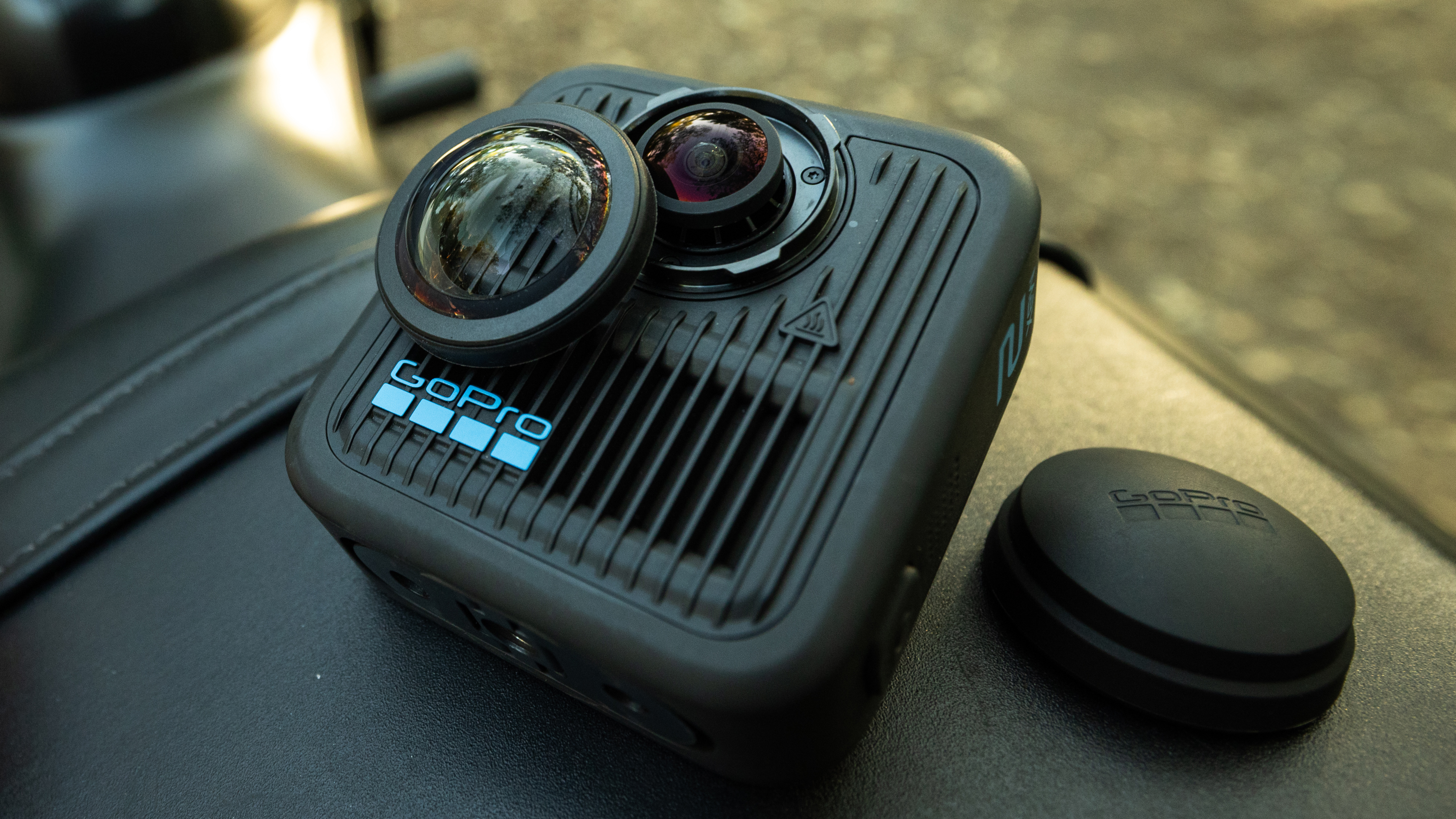
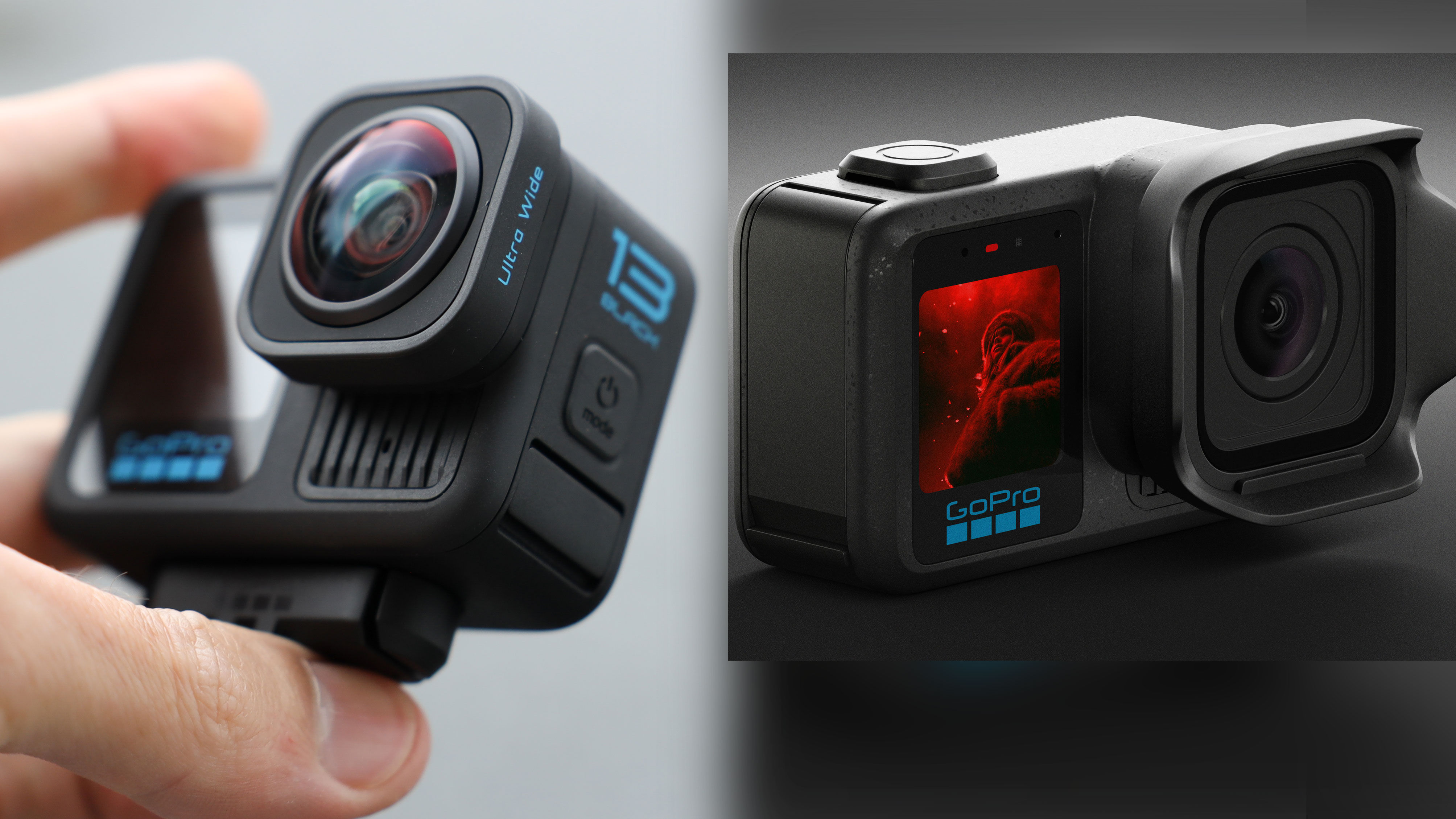
GoPro cameras use a fixed-focus, ultra-wide lens. This ensures that everything from a few inches away to the horizon is in sharp focus. Users can switch between different "digital lenses"—such as HyperView, SuperView, Wide, and Linear—to change how much of the environment is captured. For those who need even more, GoPro offers the Max Lens Mod, which replaces the standard lens cover to provide an even wider 177-degree field of view with total 360-degree horizon locking.
Durability and Environmental Resistance
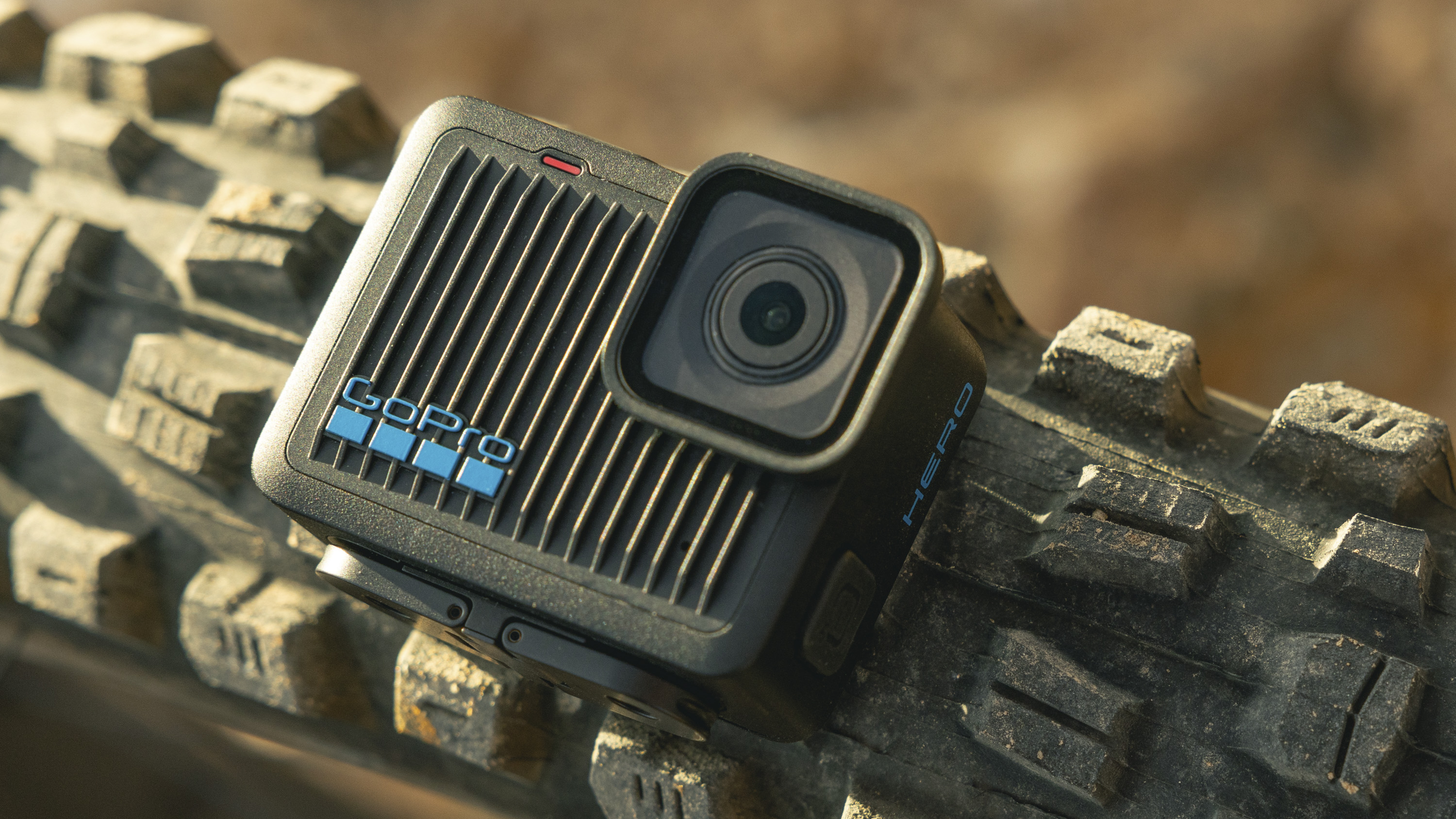
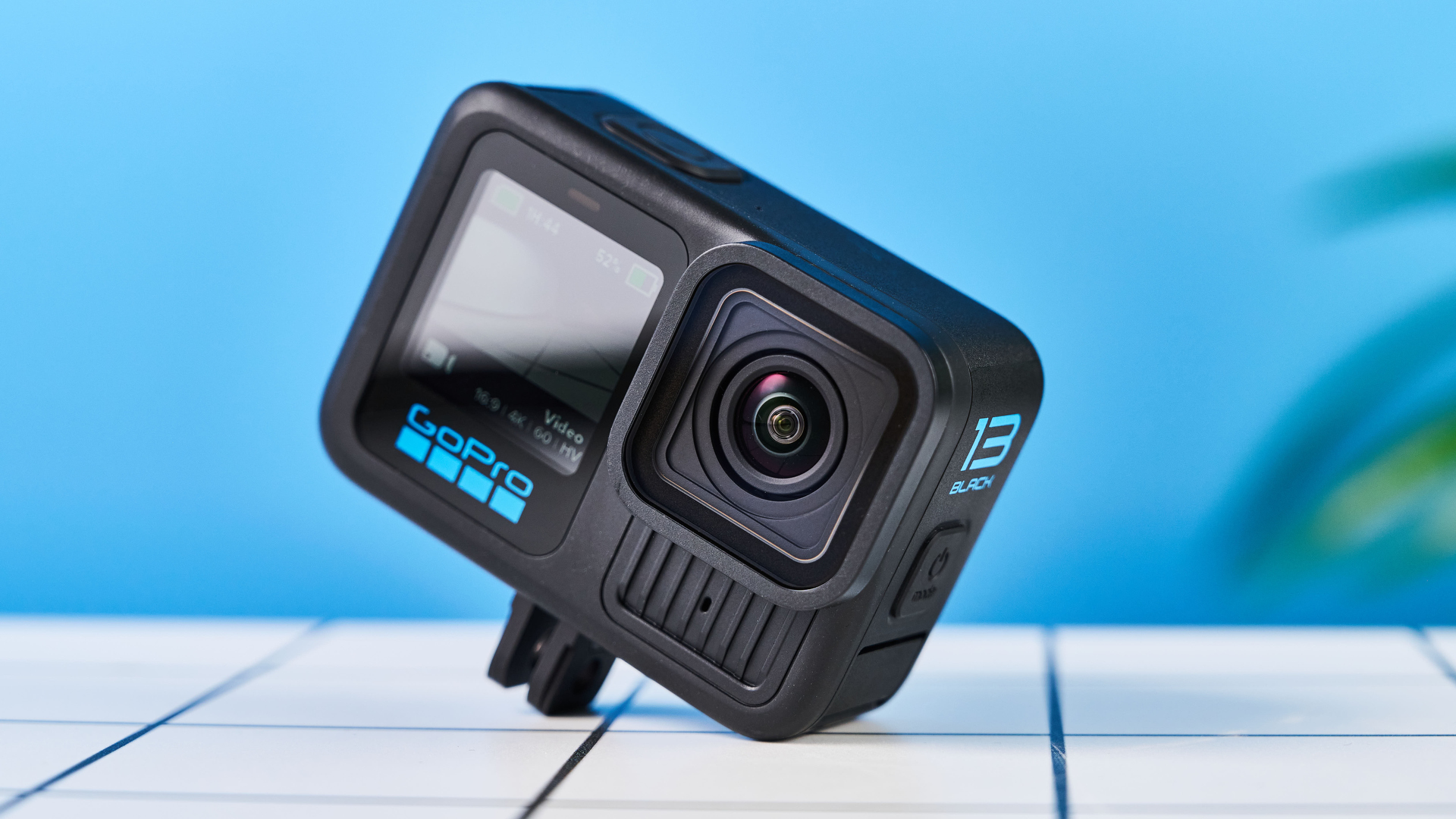
A major part of what a GoPro does is survive where other electronics perish. Most HERO models are waterproof down to 33 feet (10 meters) right out of the box, without needing an external housing. The exterior is rubberized to absorb shocks, and the lens cover is made of chemically strengthened glass that is both scratch-resistant and water-shedding.
In 2026, these devices have become even more resilient to extreme temperatures. The Enduro Battery technology, now standard, allows the camera to operate in sub-zero temperatures (for snowboarding and ice climbing) and improves recording times in high-heat environments. This environmental versatility is why GoPros are used by NASA, search-and-rescue teams, and underwater researchers.
The GoPro Ecosystem: Mounts and Accessories
A GoPro is rarely used on its own; it is designed to be part of an "ecosystem." The "fingers" at the bottom of the camera fold out to attach to hundreds of different mounts. This modularity is what allows a GoPro to:
- Mount to a chest harness (Chesty): Ideal for biking or skiing to show the handle-bars or ski tips.
- Attach to a suction cup: Used on the exterior of cars or airplanes to capture high-speed travel.
- Connect to a "Bite Mount": Popular with surfers to capture a true POV while keeping hands free for paddling.
- Integrate with Media Mods: These add directional microphones, cold-shoe mounts for lights, and HDMI-out ports for vloggers who need a "run-and-gun" studio setup.
Comparing GoPro to Alternatives (2026 Standards)
| Feature | GoPro HERO Series | High-End Smartphone | Mirrorless/DSLR |
|---|---|---|---|
| Durability | Rugged, Waterproof (10m+) | Water-resistant, Fragile glass | Delicate, Not waterproof |
| Mounting | Universal Action Mounts | Limited (Gimbals/Tripods) | Heavy Duty Tripods |
| Stabilization | Internal AI (HyperSmooth) | Good (Digital) | Mechanical (Lens/Sensor) |
| Sensor Size | 1/1.9" to 1" CMOS | Varies (Large on Pro models) | Full Frame / APS-C |
| Primary Use | Extreme Sports / POV | Social Media / Daily Life | Professional Cinematography |
| Weight | ~150 grams | ~200-240 grams | 800+ grams |
Advanced Software and AI Integration
In 2026, what a GoPro does isn't limited to the hardware; it extends to the cloud. When a user plugs their GoPro in to charge at the end of the day, the camera automatically uploads footage to the GoPro Cloud. The Quik App then uses artificial intelligence to analyze the footage, identify the best moments (based on speed, faces, and cheers), and automatically creates a "highlight video" synced to music.
This solves one of the biggest problems in action photography: having hours of footage and no time to edit it. The camera also functions as a high-definition webcam and can live-stream directly to platforms like YouTube or Twitch via a smartphone's data connection, making it a favorite for outdoor streamers.
Common Limitations and Operational Realities
While a GoPro is powerful, it is not a "do-everything" camera. Its small sensor means that low-light performance is its greatest weakness. In dark environments, the digital stabilization can struggle, leading to "motion blur" artifacts. Additionally, because it uses a wide-angle lens, it is not suitable for portrait photography or long-distance wildlife shots, as it lacks an optical zoom.
Users must also be mindful of high-speed microSD card requirements. Recording at 5.3K requires a V30 or V60 rated card to handle the massive data throughput. Without the correct card, the camera may overheat or stop recording unexpectedly.
Frequently Asked Questions
Can a GoPro be used as a regular camera for family photos?
Yes, but with caveats. A GoPro is excellent for wide-angle group shots and "selfies" in bright light. However, because of the wide lens, people at the edges of the frame may look slightly distorted. It lacks the "bokeh" (blurry background) effect that many people prefer for standard portraits.
How long does the battery last on a GoPro?
Battery life typically ranges from 60 to 90 minutes of continuous recording, depending on the resolution and frame rate. Shooting in 5.3K at 60fps consumes significantly more power than 1080p. In 2026, users often carry spare Enduro batteries or use external power banks for long-duration shoots.
Is a GoPro better than an iPhone for video?
It depends on the context. An iPhone 17 or 18 (current 2026 models) offers incredible cinematic depth and better low-light performance. However, you cannot mount an iPhone to a surfboard or crash it into a mountainside at 40mph. The GoPro is better for any situation involving water, high impact, or specialized mounting.
Does a GoPro record sound well?
Modern GoPros have three internal microphones and advanced wind-noise reduction software. While sufficient for casual use, professional vloggers usually use the Media Mod or an external 3.5mm mic adapter to get high-fidelity audio, as the waterproof membrane over the mics can sometimes muffle sound.
Can you use a GoPro without a subscription?
Yes. All core functions of the camera work perfectly without a subscription. The GoPro Subscription is an optional service that provides unlimited cloud backup, camera replacement guarantees, and discounts on accessories.
Practical Recommendation
If you are an active individual who enjoys hiking, diving, or any form of motion-based storytelling, a GoPro is an essential tool. For beginners in 2026, the best approach is to start with the latest HERO model and a "3-Way" grip (which functions as a handle, tripod, and extension arm). Before heading out, ensure you are using a certified high-speed microSD card to avoid data corruption. Always test your mounting points on dry land before committing to a high-speed activity to ensure your framing is correct and the horizon is level.
Image Gallery