The Evolution of Health Insurance for Low-Income Populations in 2026
Health insurance for low-income individuals has evolved from a basic safety net into a proactive, technology-driven ecosystem that prioritizes preventative care and social support. By 2026, the focus has shifted toward integrating soci...
Health insurance for low-income individuals has evolved from a basic safety net into a proactive, technology-driven ecosystem that prioritizes preventative care and social support. By 2026, the focus has shifted toward integrating social determinants of health—such as housing and nutrition—directly into medical coverage while automating enrollment to prevent coverage gaps.
Contents
The landscape of health insurance for the poor is no longer defined solely by hospital visits and emergency care. As we navigate 2026, the "safety net" has undergone a fundamental structural transformation. This evolution is driven by three primary catalysts: the federal-state expansion of Medicaid flexibility, the integration of digital health tools, and a shift toward "whole-person" care. For millions of low-income families, these changes mean that insurance is becoming less of a bureaucratic hurdle and more of a comprehensive life-support system.
Disclaimer: This article is for informational purposes only and does not constitute legal, financial, or medical advice. Health insurance regulations and eligibility vary significantly by jurisdiction. Consult with a licensed insurance navigator or a legal professional for specific guidance.
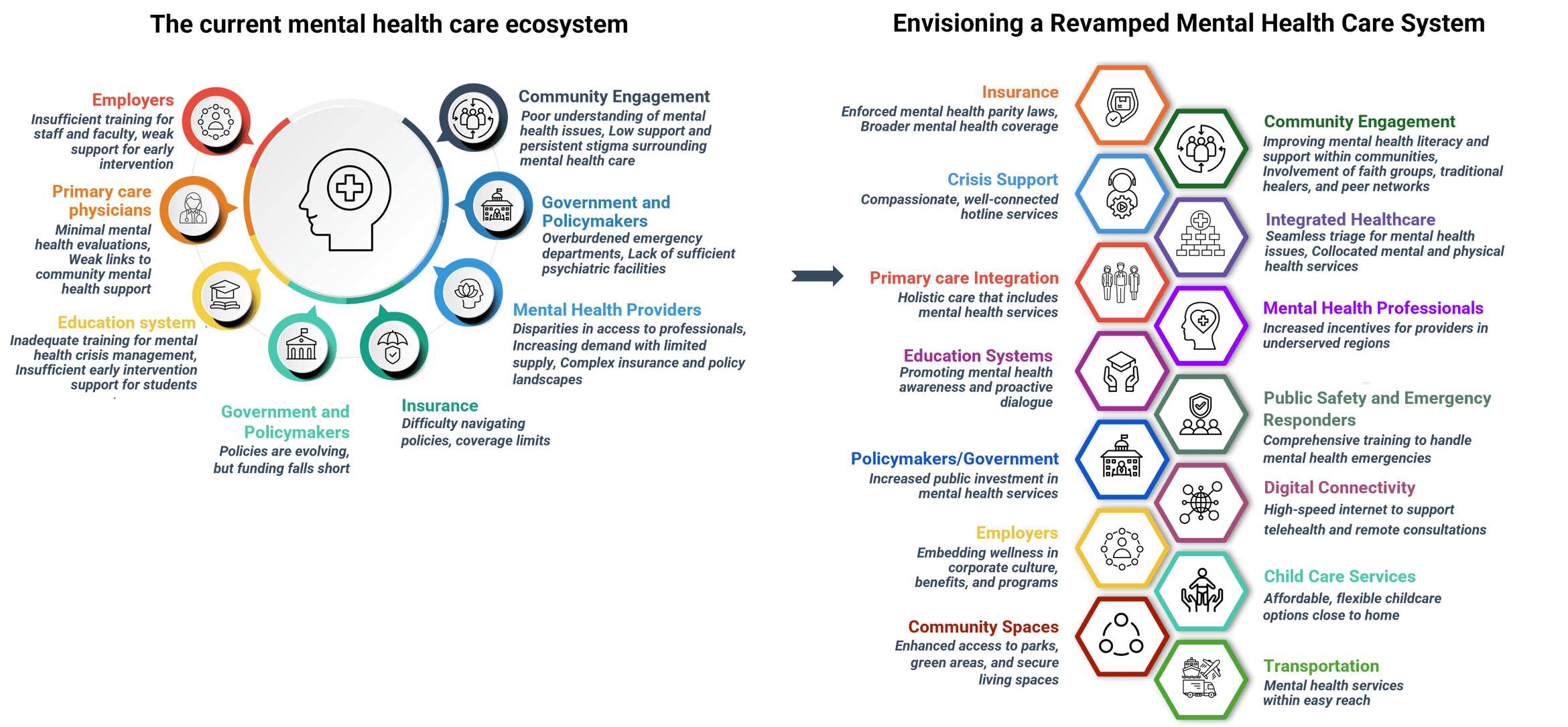
The Shift Toward Whole-Person Care and SDoH Integration
One of the most significant shifts in health insurance for the poor is the formal recognition of Social Determinants of Health (SDoH). In 2026, insurers and state agencies have moved beyond the traditional medical model, acknowledging that clinical care only accounts for about 20% of health outcomes. The remaining 80% is influenced by socioeconomic factors.
Integrating Housing and Nutrition
Through updated Section 1115 demonstration waivers, many states have now integrated non-medical services into their Medicaid plans. This evolution allows insurance funds to be used for "health-related social needs." For instance, in several jurisdictions, a physician can now prescribe "medically tailored meals" or temporary housing assistance as part of a patient’s treatment plan for chronic conditions like diabetes or severe asthma. This transition recognizes that a patient cannot manage a complex illness if they lack a refrigerator for insulin or a mold-free environment for respiratory health.
Managed Care Organizations (MCOs) as Social Hubs
By 2026, the majority of low-income insurance is administered through private Managed Care Organizations (MCOs). These entities have evolved to act as social service coordinators. Instead of merely processing claims, MCOs now employ "community health workers" who help members navigate non-medical challenges. This evolution is fueled by a value-based care model, where insurance companies are rewarded financially for keeping patients out of the hospital rather than for the volume of tests performed.
The Digital Transformation of Eligibility and Enrollment
Historically, the biggest barrier to insurance for the poor was the "administrative churn"—the process where individuals lose coverage because of complex renewal paperwork, even if they still qualify financially. In 2026, this is being mitigated through automated systems and data sharing.
"Express Lane" Eligibility
Many states have adopted "Express Lane" eligibility (ELE), a system that allows Medicaid agencies to use data from other assistance programs, such as the Supplemental Nutrition Assistance Program (SNAP) or the Women, Infants, and Children (WIC) program. If a family is verified as low-income for food assistance, they are automatically enrolled or renewed for health insurance. This reduces the burden on the individual and ensures that children, in particular, do not experience gaps in coverage.
Mobile-First Solutions and Telehealth
The "digital divide" has narrowed significantly by 2026. Health insurance providers for low-income populations have transitioned to mobile-first platforms. These apps allow users to upload income verification documents via smartphone cameras, chat with care coordinators in real-time, and access 24/7 telehealth services. Telehealth has become a cornerstone of low-income insurance because it eliminates the barriers of transportation and childcare that often prevent the poor from visiting a physical clinic.
Comparing Traditional and Evolving Models of Low-Income Insurance
The following table highlights the key differences between the traditional "safety net" models of the past and the evolved systems in place in 2026.
| Feature | Traditional Model (Pre-2020) | Evolved Model (2026) |
|---|---|---|
| Primary Focus | Acute care and hospitalizations | Preventative care and chronic disease management |
| Social Support | Separated from medical insurance | Integrated SDoH (Housing, Food, Transit) |
| Enrollment | Manual, paper-based, annual | Automated, data-driven, continuous |
| Technology | In-person visits required | Telehealth-first with remote monitoring |
| Provider Payment | Fee-for-service (Quantity) | Value-based care (Quality/Outcomes) |
| Mental Health | Limited or high-barrier access | Parity with physical health; integrated apps |
The Impact of Medicaid Expansion and the "Unwinding" Lessons
The evolution of low-income insurance was heavily influenced by the "Medicaid Unwinding" that occurred several years ago. After the COVID-19 Public Health Emergency ended, millions of people were re-evaluated for eligibility. The challenges faced during that period forced policymakers to create more resilient systems.
Continuous Eligibility for Children
A major milestone in 2026 is the widespread adoption of multi-year continuous eligibility for children. In many states, once a child is enrolled in Medicaid or the Children’s Health Insurance Program (CHIP), they remain covered until age six, regardless of minor fluctuations in their parents' income. This ensures that early childhood vaccinations and developmental screenings are never interrupted, providing a more stable foundation for long-term health.
Closing the Coverage Gap
While the "coverage gap"—where individuals earn too much for Medicaid but too little for subsidized marketplace plans—remains a challenge in a few regions, the 2026 landscape features more robust federal-state partnerships. New "Basic Health Programs" (BHPs) have been established in several states to bridge this gap, offering low-to-no-cost insurance for those just above the poverty line.
Behavioral Health and Substance Use Disorder (SUD)
By 2026, insurance for the poor has evolved to treat behavioral health with the same urgency as physical health. The opioid crisis and the rising mental health needs of low-income communities have led to the "integration" of behavioral health into primary care settings.
Insurance plans now frequently cover "Collaborative Care Models," where a primary care doctor, a behavioral health manager, and a psychiatric consultant work together. Furthermore, Medicaid has expanded its coverage for peer support specialists—individuals who have lived experience with recovery and provide guidance to those currently struggling with addiction. This peer-led approach is a hallmark of the 2026 insurance evolution, moving away from purely clinical interventions toward community-based recovery.
Challenges and Persistent Barriers in 2026
Despite these advancements, the evolution of health insurance for the poor is not without its hurdles. Several systemic issues continue to challenge the effectiveness of these programs.
- Provider Participation: One of the most significant issues is the "Medicaid reimbursement gap." Because public insurance often pays providers less than private insurance, many specialists do not accept low-income plans. This creates a situation where a person has "coverage" but cannot find a "provider."
- State-by-State Disparity: The quality and scope of insurance for the poor vary wildly depending on geography. An individual in a state with expanded Medicaid and SDoH programs has vastly different health prospects than someone in a state with more restrictive policies.
- Data Privacy and AI Bias: As insurers increasingly use AI and big data to manage populations, concerns regarding privacy and algorithmic bias have surfaced. There is a risk that predictive models might inadvertently penalize certain demographics or fail to account for the unique cultural needs of immigrant populations.
Practical Guidance for Navigating Coverage in 2026
For those seeking to access or maintain health insurance in this evolving environment, several steps are essential for ensuring stable coverage.
- Update Information Proactively: Even with automated systems, ensuring the state agency has a current mobile number and address is critical. Most communications now happen via SMS or secure portals.
- Utilize a Navigator: Health insurance navigators remain a free and vital resource. These experts are trained to handle complex eligibility questions and can help individuals transition between Medicaid and Marketplace plans if their income changes.
- Verify SDoH Benefits: Many enrollees are unaware that their 2026 insurance plan may offer "extra" benefits like gym memberships, transportation vouchers to the grocery store, or even internet subsidies. Members should call their MCO's "Member Services" line to ask for a full list of "In Lieu of Services" (ILOS).
- Monitor the Marketplace: For those whose income has risen above the Medicaid threshold, the HealthCare.gov marketplace in 2026 continues to offer enhanced subsidies that can make private plans nearly as affordable as public ones.
Frequently Asked Questions
Can I get insurance if I am undocumented in 2026?
Eligibility for undocumented individuals varies by state. While federal Medicaid still has restrictions, several states have launched state-funded programs that provide comprehensive health insurance to all low-income residents regardless of immigration status. Check with local health departments or non-profit advocacy groups for specific state-level programs.
Does health insurance for the poor cover dental and vision?
In 2026, there has been a significant push toward "comprehensive Medicaid." Most states now include adult dental and vision care as standard benefits, recognizing that oral health is deeply linked to overall physical health. However, some states still classify these as "optional" benefits, so it is important to check your specific plan details.
What is a 1115 Waiver, and how does it affect my insurance?
A Section 1115 waiver allows a state to "waive" certain federal Medicaid rules to test new ways to deliver care. In 2026, these are commonly used to fund housing supports, nutritional assistance, and transitions for individuals leaving incarceration. If your state has a waiver, your insurance may cover services that look more like social work than traditional medicine.
How does "Value-Based Care" impact my doctor visits?
Under value-based care, your doctor is paid based on your health outcomes (e.g., keeping your blood pressure under control) rather than the number of times you visit the office. This usually means you will have a more dedicated "care team" and more frequent check-ins via phone or app to prevent your condition from worsening.
Is telehealth as good as in-person care for low-income patients?
Telehealth is particularly beneficial for those with transportation or scheduling barriers. In 2026, it is considered a high-quality alternative for routine follow-ups, mental health counseling, and minor ailments. However, insurance still covers and encourages in-person visits for physical exams and diagnostic testing.
Moving Forward: The Future of the Safety Net
The evolution of health insurance for the poor in 2026 represents a shift from a "reactive" system to a "proactive" one. By focusing on the root causes of illness—poverty, housing, and food insecurity—and leveraging technology to ensure no one falls through the administrative cracks, the system is moving closer to true health equity. To make the most of these changes, individuals should stay engaged with their insurance providers, take advantage of new digital tools, and advocate for the continued integration of social and medical care.
Image Gallery