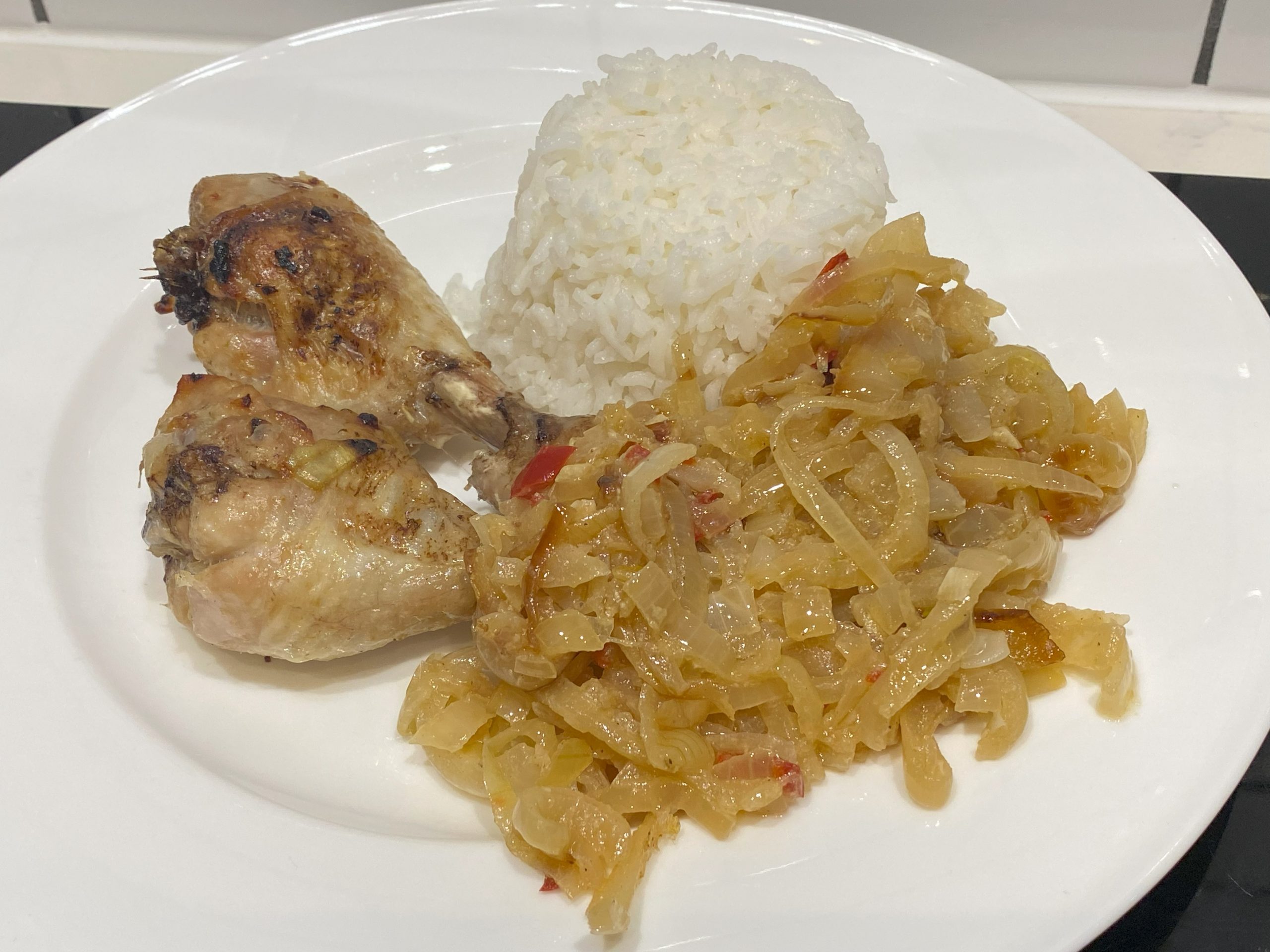
Understanding Yassa: A Comprehensive Guide to West Africa’s Iconic Dish
Yassa is a celebrated culinary tradition originating from Senegal, characterized by its intensely flavorful, heavily onion-based marinade featuring either chicken or fish, citrus, and mustard. Widely regarded as the national dish of Se...
Yassa is a celebrated culinary tradition originating from Senegal, characterized by its intensely flavorful, heavily onion-based marinade featuring either chicken or fish, citrus, and mustard. Widely regarded as the national dish of Senegal, yassa has transcended its West African borders to become a beloved staple across global African diaspora kitchens, celebrated for its unique balance of bright acidity, rich aromatics, and savory depth.
Contents
The Cultural and Historical Origins of Yassa
To fully understand what yassa is, one must examine its deep roots in the Casamance region of southern Senegal. Historically created by the Jola people, the recipe was born out of local agricultural conditions and the availability of specific native ingredients. The foundational elements—onions, citrus fruits (typically fresh limes or lemons), and hot chili peppers—grew abundantly in the fertile tropical environment of the Casamance river valley.
Over centuries, the dish spread from southern Senegal throughout the rest of the country, eventually becoming a national treasure. The introduction of European trade routes brought mustard, particularly Dijon mustard, to the region. This ingredient integrated seamlessly into local culinary practices, transforming the marinade into the rich, complex emulsion recognized today. Today, yassa is prepared across West Africa, with regional variations appearing in Gambia, Mali, Guinea, and Mauritania, adapting to local preferences and ingredient availability.
Core Ingredients and Flavor Profile
The defining characteristic of yassa is its reliance on a long, slow marination process. Unlike many spice rubs that are applied immediately before cooking, yassa requires the main protein to steep in an acidic, heavily aromatic bath for hours, or even overnight.
The Marinade Foundation
- Onions: The absolute star of the dish. Yassa typically utilizes a massive volume of sliced onions—often equal in weight to the meat itself. These onions soften during marination and caramelize during cooking, forming a rich, thick sauce.
- Citrus Juice: Freshly squeezed lime or lemon juice provides the necessary acid to tenderize the protein and cut through the natural richness of the poultry or fish.
- Mustard: Dijon or strong grainy mustard acts as both a flavoring agent and a natural emulsifier, binding the oil and citrus juice together into a cohesive sauce.
- Aromatics and Spices: Minced garlic, fiery Scotch bonnet or habanero peppers, black pepper, bay leaves, and sometimes stock cubes or bouillon build the savory baseline.
- Cooking Oil: Peanut oil is traditionally used for searing the meat and sautéing the onions, imparting a distinct, nutty aroma.
Primary Variations: Poulet Yassa vs. Yassa Poisson
While the core marinade remains consistent, yassa is primarily divided into two main protein variations: poultry and fish. Each preparation requires specific culinary techniques to achieve optimal texture and flavor.
| Feature | Poulet Yassa (Chicken) | Yassa Poisson (Fish) |
|---|---|---|
| Primary Protein | Chicken pieces (bone-in) | Firm white fish or whole snapper |
| Preparation Method | Sear, braise, then simmer | Fry or grill, sauce added after |
| Cooking Time | 45 to 60 minutes | 25 to 35 minutes |
| Sauce Integration | Onions braised with chicken | Onions simmered separately |
Poulet Yassa (Chicken Yassa)
Poulet Yassa is the most globally recognized iteration of the dish. Bone-in chicken pieces—such as thighs, legs, or breasts—are submerged in the lemon, onion, and mustard marinade. Once marinated, the chicken is removed and either grilled over open coals for a smoky flavor or seared in a heavy-bottomed pot. The reserved marinade and copious onions are then cooked down in the same pan until sweet and tender. The chicken is reintroduced to the pot, allowing it to braise gently in the onion sauce until fully cooked and tender.
Yassa Poisson (Fish Yassa)
In coastal regions and among fishing communities, fish replaces poultry. Yassa Poisson typically utilizes firm white fish such as grouper, sea bream, or red snapper. Because fish cooks much faster and is more delicate than chicken, the preparation method shifts slightly. The fish is often seasoned, pan-fried, or grilled separately to maintain its structural integrity. Meanwhile, the rich onion and citrus sauce is prepared in a separate pan and poured generously over the cooked fish just before serving.
Essential Preparation Steps for Authentic Yassa
Preparing traditional yassa requires patience and attention to detail. Rushing the marination or the onion-sautéing phase prevents the dish from achieving its characteristic depth of flavor.
- Slice and Marinate: Thinly slice yellow onions and combine them with fresh lime juice, mustard, crushed garlic, chopped chili peppers, salt, and black pepper. Submerge the washed chicken pieces or fish into this mixture, cover, and refrigerate for a minimum of 4 hours, though overnight marination yields the best results.
- Separate and Sear: Remove the protein from the marinade, shaking off excess onions. Heat peanut oil in a large Dutch oven or heavy skillet. Sear the meat until golden brown on all sides. Remove the meat and set it aside.
- Caramelize the Onions: Add the reserved onions and liquid marinade into the same pot containing the pan drippings. Cook over medium-low heat, stirring frequently. Allow the onions to release their natural sugars, turning translucent, soft, and lightly golden brown.
- Braise and Simmer: Return the seared protein to the pot, nestling it deep into the bed of onions. Add a splash of water or chicken stock if necessary. Cover the pot and simmer on low heat until the meat is fork-tender and the sauce has thickened into a rich, glossy gravy.
- Adjust Seasoning: Taste the sauce near the end of cooking. Adjust salt, acidity, or heat by adding more lime juice or chili peppers according to personal preference.
Serving Traditions and Accompaniments
Yassa is rarely served on its own; it requires a neutral base to balance its intensely tangy, savory, and spicy flavor profile.
The most traditional accompaniment is ceebu jën style broken rice or plain steamed long-grain white rice. The fluffy rice acts as a sponge, absorbing the abundant onion gravy without competing with the bold flavors of the dish. In some households, yassa is served alongside boiled root vegetables like cassava, sweet potatoes, or fried plantains, providing additional textural contrast to the soft, unctuous onions.
Frequently Asked Questions About Yassa
What does yassa taste like?
Yassa offers a vibrant flavor profile defined by sharp citrus acidity, deep savory savoriness from caramelized onions, pungent warmth from mustard, and a fiery kick from Scotch bonnet peppers. The dominant sensations are tangy, savory, and spicy.
Can yassa be made vegetarian or vegan?
Yes. The traditional meat or fish can be replaced with hearty vegetables like eggplants, sweet potatoes, or mushrooms, or plant-based proteins like firm tofu or chickpeas. The core marinade of onions, lime juice, and mustard remains identical.
Is yassa spicy hot?
The level of heat in yassa depends entirely on how the chili peppers are handled. Traditional recipes call for whole habanero or Scotch bonnet peppers dropped into the marinade or sauce. If left whole without breaking, they impart a fruity aroma and mild warmth. If chopped or minced, the dish becomes significantly spicier.
How long can yassa be stored in the refrigerator?
Properly stored in an airtight container, cooked yassa will keep safely in the refrigerator for 3 to 4 days. Because the dish relies heavily on onions and citrus, the flavors often meld and deepen further by the second day, making it an excellent candidate for meal prep.
What is the difference between yassa and mafé?
While both are iconic West African dishes, they are fundamentally different. Yassa relies on a citrus, onion, and mustard base with a tangy, bright flavor profile. Mafé (or tigadèguèna), on the other hand, is a rich, thick stew built upon a base of peanut paste or peanut butter, resulting in a nutty, savory flavor profile.
Next Actions and Culinary Exploration
For those looking to experience yassa for the first time, visiting a West African restaurant specializing in Senegalese cuisine offers an authentic baseline for comparison. Home cooks should source fresh limes, high-quality Dijon mustard, and authentic peanut oil to ensure the closest approximation to traditional flavors. Begin with Poulet Yassa using bone-in chicken thighs, allow sufficient time for the marinade to penetrate the meat, and enjoy a foundational masterpiece of West African gastronomy.
Image Gallery