Typical Expenses in Data Centers: CapEx, OpEx, and Total Cost of Ownership
Typical expenses in data centers are split between capital expenditure (CapEx) for facility construction, electrical equipment, and mechanical systems, and operational expenditure (OpEx), which is heavily dominated by utility electrici...
Typical expenses in data centers are split between capital expenditure (CapEx) for facility construction, electrical equipment, and mechanical systems, and operational expenditure (OpEx), which is heavily dominated by utility electricity costs, preventative maintenance, and specialized labor. Managing these financial commitments requires balancing initial build quality against long-term Power Usage Effectiveness (PUE) to lower total cost of ownership.
Contents
Categorizing Data Center Expenditures: CapEx vs. OpEx
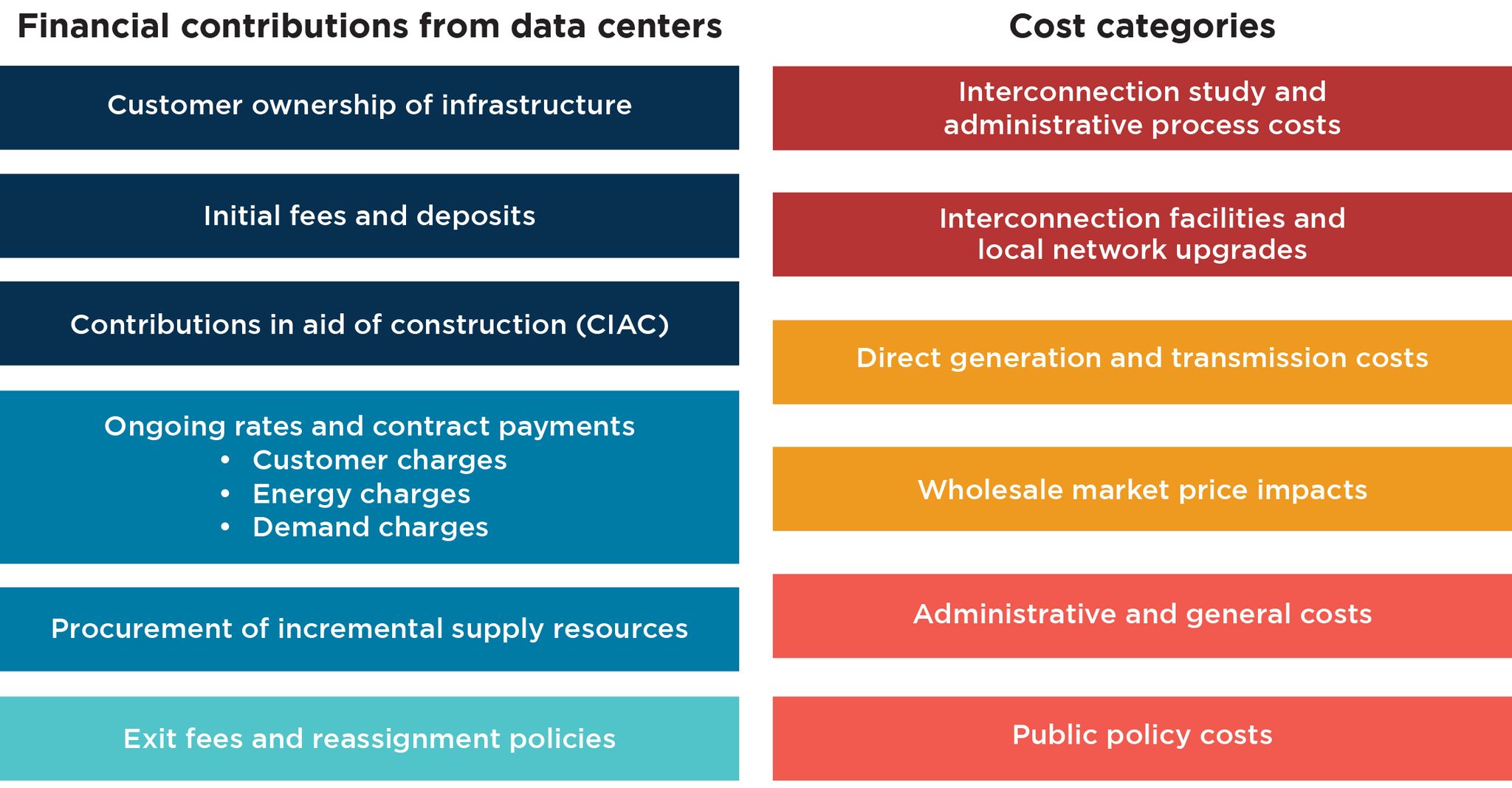
Evaluating the financial structure of a modern data center requires clear distinction between initial capital outlays and recurring operational costs. Capital Expenditure (CapEx) encompasses the upfront investments required to acquire land, construct the physical building shell, install power delivery systems, deploy cooling infrastructure, and establish network connectivity. These assets are capitalized and depreciated over multi-year operational lifetimes, typically ranging from 5 years for IT equipment to 20 or 30 years for building structures and heavy mechanical equipment.
Operational Expenditure (OpEx), by contrast, represents the continuous cash outlays necessary to keep the facility running securely and reliably. Electricity bills traditionally constitute the single largest line item within OpEx, followed by facilities maintenance contracts, technical staffing, site security, licensing, and insurance.
As compute densities increase due to high-performance computing (HPC) and artificial intelligence workloads, the relationship between CapEx and OpEx shifts. Investing in higher initial CapEx—such as advanced direct-to-chip liquid cooling systems or high-efficiency uninterruptible power supplies (UPS)—frequently yields substantial OpEx savings across the operational lifespan of the facility by reducing energy overhead.
Capital Expenditures (CapEx): Building and Upfitting the Facility
Building a enterprise-grade or hyperscale data center demands significant upfront capital. Cost estimates per megawatt (MW) of critical IT capacity generally range from $7 million to more than $12 million, depending on geographic location, redundancy levels (such as Uptime Institute Tier III or Tier IV certifications), and deployment density.
| Component | Allocation |
|---|---|
| Electrical Systems | 35-45% |
| Cooling & HVAC | 20-30% |
| Shell Construction & Core | 15-25% |
| Fire, Security, & Cabling | 5-10% |
Land, Site Acquisition, and Shell Construction
Securing real estate with immediate access to robust electrical grids and high-fiber network routes represents the initial capital obstacle. Land acquisition costs vary dramatically by market, with primary data center hubs requiring premium investment.
Following site acquisition, shell construction involves specialized civil engineering:
- Structural reinforcement: Slab-on-grade concrete flooring rated to support extreme rack weight densities (often exceeding 250 to 300 pounds per square foot).
- Building envelope protection: Specialized roofing, storm resilience, electromagnetic shielding, and physical barriers engineered to withstand natural disasters and security threats.
- Staging and loading bays: Dedicated secure areas designed for receiving, unpacking, and assembling sensitive server hardware.
Electrical Power Infrastructure
Electrical infrastructure represents the single largest component of facility CapEx, typically consuming 35% to 45% of total construction budgets. A resilient power topology requires specialized equipment capable of maintaining continuous uptime:
- High-voltage substations and transformers: Stepping down utility power from transmission levels to usable distribution voltages.
- Uninterruptible Power Supply (UPS) systems: Centralized double-conversion online UPS systems utilizing lithium-ion or flywheel energy storage to bridge power transitions during grid interruptions.
- Emergency standby generators: Heavy-duty diesel or gas turbine generators paired with bulk fuel storage tanks capable of powering the facility for 24 to 48 hours without utility power.
- Power Distribution Units (PDUs) and Busways: Overhead or underfloor distribution systems delivering balanced circuit feeds directly to server racks.
Cooling and Thermal Management Systems
Thermal management accounts for roughly 20% to 30% of total CapEx. Facilities must remove heat generated by server components to prevent equipment degradation and outage risks.
- Chillers and Cooling Towers: Industrial-scale centrifugal chillers, air-cooled chillers, and evaporative cooling towers designed to produce chilled water for heat exchange.
- Computer Room Air Handlers (CRAH) and Conditioners (CRAC): Perimeter cooling units regulating indoor air temperature, humidity, and airflow velocity.
- Liquid Cooling Infrastructure: Direct-to-chip cold plate loops, coolant distribution units (CDUs), and rear-door heat exchangers (RDHx) designed for high-density server configurations exceeding 30 kW per rack.
Rack Infrastructure, Cabling, and Physical Security
The final CapEx layer involves the internal fit-out necessary to house compute units safely:
- Server Racks and Enclosures: Heavy-duty, open-frame, or enclosed rack units equipped with integrated cable management and intelligent power distribution units (iPDUs).
- Structured Cabling: High-density single-mode fiber optic runs, Cat6A copper cabling, and top-of-rack (ToR) patching infrastructure connecting server halls to the main distribution frame (MDF).
- Fire Suppression and Physical Security: Very Early Smoke Detection Apparatus (VESDA), clean-agent gas fire suppression systems (such as Novec 1230 or FM-200), multi-factor biometric access controls, and perimeter CCTV surveillance networks.
Operational Expenditures (OpEx): Managing Daily Operations
While CapEx represents the initial hurdle, OpEx dictates the long-term profitability and operational viability of a data center. Over a ten-year operational window, cumulative OpEx frequently surpasses the initial CapEx expenditure.
| Component | Allocation |
|---|---|
| Utility Electricity Costs | 45-60% |
| Preventative Maintenance & Service | 15-20% |
| Staffing & Site Security | 10-15% |
| Software, Licensing, & Connectivity | 5-10% |
| Taxes, Insurance, & Compliance | 5-10% |
Power and Energy Costs (Utility Bills)
Electricity is the largest single operational expense, accounting for 45% to 60% of total monthly OpEx. Energy consumption in a data center is split between the IT load (servers, storage arrays, networking switches) and non-IT overhead (cooling systems, UPS conversion losses, lighting, physical security).
The efficiency of energy usage is measured using Power Usage Effectiveness (PUE):
$$\text{PUE} = \frac{\text{Total Facility Energy}}{\text{IT Equipment Energy}}$$
An ideal PUE is 1.0, meaning 100% of incoming power reaches IT hardware. Legacy facilities often operate at a PUE of 1.6 to 2.0, whereas modern, highly optimized facilities achieve PUE ratings between 1.15 and 1.25. Utility pricing structures usually include both consumption charges (per kilowatt-hour) and peak demand charges (per kilowatt), making load leveling and peak shaving vital financial practices.
Preventative Maintenance and Service Contracts
To honor uptime Service Level Agreements (SLAs)—often demanding 99.999% availability—operators maintain strict, scheduled service agreements for critical equipment. Standard ongoing maintenance expenses include:
- Generator testing and fuel maintenance: Monthly load-bank testing, routine engine servicing, oil changes, and fuel polishing or replenishment.
- UPS and battery inspections: Periodic capacity testing, cell impedance monitoring, thermal imaging, and scheduled lithium-ion or VRLA module replacements.
- HVAC and chiller maintenance: Fluid level checks, compressor overhauls, filter replacements, and chemical water treatment for cooling towers to prevent scaling and biological growth.
Staffing, Labor, and Site Security
Operating a continuous, 24/7/365 data center demands specialized human capital:
- Facilities Engineers: On-site mechanical and electrical technicians monitoring environmental variables, managing load balances, and overseeing repairs.
- Network Operations Center (NOC) Analysts: Systems engineers tracking network stability, packet loss, hardware telemetry, and cyber incidents.
- Physical Security Personnel: Round-the-clock security officers managing visitor credentialing, delivery verification, and physical access badge provisioning.
Software Licensing, DCIM, and Telecommunications Transit
Modern infrastructure relies on software management layers to maintain visibility and operational control:
- Data Center Infrastructure Management (DCIM): Software platforms that monitor real-time power draw, thermal conditions, rack space utilization, and asset tracking.
- Network Connectivity and IP Transit: Carrier-neutral connection fees, cross-connect charges, dark fiber leases, and upstream internet transit agreements.
- Virtualization and Management Licenses: Enterprise licenses for hypervisors, orchestration engines, and security monitoring tools running across the management plane.
Property Taxes, Insurance, and Regulatory Compliance
Fixed overhead costs remain a baseline necessity regardless of server deployment rates:
- Property and Business Taxes: Local real estate levies and personal property taxes assessed on physical infrastructure and server hardware assets.
- Insurance Policies: Comprehensive coverage including commercial property damage, business interruption insurance, equipment breakdown coverage, and specialized cyber liability insurance.
- Third-Party Audits and Certifications: Annual expenditures for compliance attestations such as SOC 1 / SOC 2 Type II, ISO/IEC 27001, PCI-DSS, and HIPAA, alongside building safety inspections.
Modern Cost Dynamics: High-Density Workloads and AI Demands
The rapid growth of artificial intelligence, machine learning model training, and high-performance analytics has dramatically altered historical data center expense models. Traditional enterprise racks historically operated at 5 kW to 10 kW per rack. Modern AI clusters operating specialized GPU architectures require 40 kW to upwards of 100 kW per rack.
This shift impacts financial distribution across several domains:
- Cooling Transformation: Traditional air-cooling methods reach physical efficiency limits near 30 kW per rack. Transitioning to direct-to-chip liquid cooling or full immersion cooling raises initial mechanical CapEx, but dramatically improves thermal transfer efficiency, lowering overall PUE and dampening energy OpEx spikes.
- Power Density Upgrades: High-density racks require heavy-duty medium-voltage switchgear, specialized busways, and liquid-cooled transformers, shifting power infrastructure investment higher per square foot of rack space.
- Space Utilization: High-density deployments require smaller overall physical footprints to deliver equivalent compute power, reducing initial real estate acquisition costs while concentrating power and cooling outlays into tighter geographic zones.
Comprehensive Breakdown of Data Center Cost Structure
The table below outlines typical expense classifications, operational scope, primary cost drivers, and targeted strategies to optimize expenditures.
| Expense Category | Financial Classification | Scope of Coverage | Primary Cost Drivers | Cost Optimization Strategy |
|---|---|---|---|---|
| Site Real Estate & Shell | CapEx | Land purchase, civil engineering, building envelope | Regional land values, structural reinforcement, local zoning fees | Modular build design; selecting secondary markets with strong fiber/grid access |
| Electrical Infrastructure | CapEx | Utility substations, UPS units, switchgear, backup generators | Desired redundancy level (Tier III vs Tier IV), total megawatt capacity | Deploying high-efficiency transformerless UPS systems and lithium-ion batteries |
| Cooling & Mechanical | CapEx | Chillers, CRAH units, cooling towers, piping, liquid cooling loops | Compute density per rack, regional ambient climate conditions | Implementing direct-to-chip liquid cooling and economizers (free-cooling modes) |
| Utility Electricity | OpEx | Continuous power consumption for IT hardware and support cooling | Kilowatt-hour pricing, peak demand charges, PUE efficiency metric | Variable frequency drives (VFDs), hot/cold aisle containment, long-term PPAs |
| Facility Maintenance | OpEx | Contracted servicing of generators, HVAC, UPS, and fire systems | Equipment SLA terms, service frequency, replacement part costs | Transitioning from schedule-based to predictive, sensor-driven maintenance |
| Technical Staffing | OpEx | 24/7 facilities engineers, NOC specialists, physical security team | Local labor market rates, specialization required, shift coverage models | Implementing automated DCIM telemetry and remote smart-hands services |
| Bandwidth & Connectivity | OpEx | IP transit, dark fiber leases, carrier cross-connect costs | Redundant carrier links, bandwidth volume, port speed metrics | Partnering with carrier-neutral facilities to incentivize price competition |
| Compliance & Auditing | OpEx | SOC 2, ISO 27001, PCI-DSS certifications, local tax levies | Jurisdictional tax rates, scope of regulatory framework | Streamlining evidence collection using automated compliance platforms |
Strategies for Reducing Data Center Total Cost of Ownership (TCO)
Minimizing overall expenditure demands an integrated operational strategy balancing CapEx investments against recurring OpEx savings.
1. Optimize Thermal Management and Airflow
Uncontrolled mixing of supply air and exhaust air wastes significant fan and compressor energy. Implementing strict hot-aisle/cold-aisle containment prevents thermal recirculating, allowing facilities to increase supply air setpoints according to ASHRAE TC 9.9 guidelines. Raising supply temperatures by a few degrees significantly reduces chiller work, yielding immediate energy savings.
- Cold Aisle (Enclosed)
- Server Racks
- Hot Aisle (Exhaust)
2. Leverage Free-Cooling Economizers
Geography plays a vital operational role. Facilities located in regions with moderate ambient climates can utilize air-side or water-side economizers. Economizers draw outside air directly into the facility or cool water via external temperatures without running energy-intensive mechanical compressors, effectively dropping seasonal PUE during colder months.
3. Deploy Intelligent DCIM Infrastructure
Integrating real-time DCIM sensors allows facilities managers to identify stranded power capacity, locate underutilized "zombie" servers, and eliminate localized hot spots. Automatically balancing phase loads on PDUs reduces electrical resistance losses and prevents unexpected breaker trips.
4. Negotiate Power Purchase Agreements (PPAs)
Large-scale data center operators can mitigate electricity price volatility by securing long-term Power Purchase Agreements (PPAs) with local utility providers or renewable energy generators. Fixed-rate power contracts hedge against fossil fuel price spikes and support corporate sustainability mandates.
Next Steps for Infrastructure Leaders
To maintain financial efficiency across new builds or existing facility refurbishments, infrastructure leaders should follow a structured evaluation methodology:
- Conduct a Comprehensive Financial Audit: Calculate your current baseline PUE, cost per kW delivered, and annual maintenance overhead to identify operational inefficiencies.
- Evaluate Thermal Architecture: Assess whether existing air-cooling systems can support planned server upgrades, or if transitioning to direct-to-chip liquid cooling is required to prevent thermal throttling.
- Review Equipment Lifecycle Schedules: Transition from fixed-interval maintenance contracts to continuous predictive maintenance powered by automated telemetry to prevent unnecessary service calls and equipment failure.
- Benchmark Energy Procurement: Engage with local energy suppliers to evaluate dynamic pricing structures, load-shedding incentives, and long-term renewable power contracts to stabilize energy costs.
Frequently Asked Questions (FAQ)
What is the average cost to build a data center per square foot?
Data center construction costs typically range from $600 to over $1,100 per square foot for the building shell and core infrastructure. However, because data centers are defined by power capacity rather than physical footprint, industry leaders more commonly measure construction costs per megawatt (MW) of critical load capacity, averaging $7 million to $12 million per MW.
Which operational expense in a data center is the highest?
Utility electricity power consumption is consistently the highest operational expense, routinely representing 45% to 60% of total OpEx. This cost encompasses the electricity used directly by compute, storage, and networking hardware, as well as the supporting power consumed by industrial cooling systems, transformers, and UPS losses.
How does Power Usage Effectiveness (PUE) impact overall expenses?
PUE measures how efficiently a facility uses energy. A high PUE (e.g., 1.8) indicates that 80% additional energy is consumed by non-IT infrastructure for every unit of energy delivered to servers. Lowering PUE from 1.8 to 1.2 directly reduces monthly utility bills, generating substantial long-term OpEx savings without altering IT performance.
How are high-density AI clusters changing typical data center costs?
AI clusters increase power draw per rack from standard levels of 5–10 kW to 40–100+ kW. This requires higher upfront CapEx for advanced liquid cooling technologies (CDUs and direct-to-chip cold plates) and specialized electrical distribution, but optimizes spatial footprints and reduces long-term HVAC energy consumption per compute node.
What is the typical lifespan of data center infrastructure assets?
Asset lifespans vary by equipment type: IT hardware (servers, networking equipment) is typically refreshed every 3 to 5 years; core power systems (UPS units, generators, switchgear) carry operational lifespans of 15 to 20 years with routine maintenance; and physical building structures last 25 to 30 years or more.
Image Gallery