How to Perform a Booking Number Lookup in 2026: A Technical Guide for Travelers
The term booking number lookup primarily refers to the retrieval of a Passenger Name Record (PNR) or a unique confirmation code issued by travel providers, airlines, or hospitality platforms to verify reservation status and manage itin...
The term booking number lookup primarily refers to the retrieval of a Passenger Name Record (PNR) or a unique confirmation code issued by travel providers, airlines, or hospitality platforms to verify reservation status and manage itinerary details.
Contents
Understanding the Technical Architecture of PNRs
A booking number, formally recognized in the travel industry as a Passenger Name Record, serves as a digital file stored in the database of a Computer Reservation System (CRS) or a Global Distribution System (GDS). As of 2026, these systems—such as Amadeus, Sabre, and Travelport—have migrated to sophisticated cloud-native APIs that require precise data matching to grant access to a reservation.
When you perform a booking number lookup, the system initiates a handshake between your input (the reference code) and the passenger’s last name. If these parameters do not match the exact entry in the GDS, the system triggers a security lockout to prevent unauthorized itinerary manipulation. This is a critical security layer implemented to comply with 2026 International Air Transport Association (IATA) data protection standards, which mandate stringent validation of passenger identity.
Essential Steps for Successful Reservation Retrieval
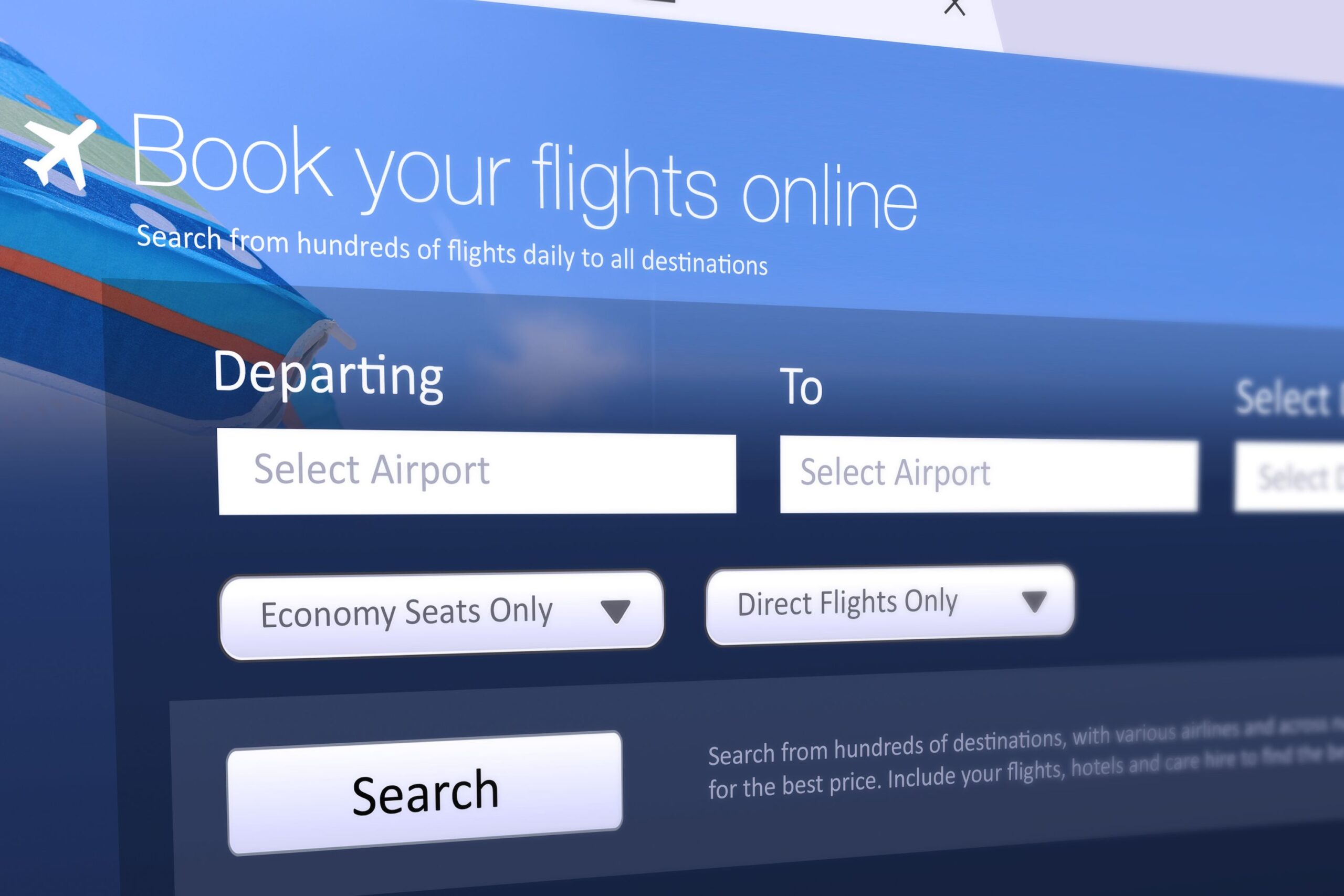
Retrieving your booking information requires access to the specific vendor portal or the centralized GDS portal where the ticket was originally generated. If you booked through a third-party Online Travel Agency (OTA), your primary point of lookup is the agency’s dashboard rather than the carrier’s direct website.
- Locate your 6-character alphanumeric confirmation code, commonly found in your confirmation email or SMS notification.
- Verify the legal last name used during the original booking; nicknames or abbreviated names will result in a "record not found" error.
- Access the official carrier’s "Manage Booking" or "My Trips" portal.
- Input the booking reference and last name into the secure form.
- If the system fails to recognize the credentials, check if your ticket was issued by a partner airline. If you booked through a codeshare agreement, the PNR may only be valid on the operating carrier's portal.
Comparison of Reservation Retrieval Methods
The following table outlines the efficacy and technical limitations of different lookup channels used in the 2026 travel landscape.
| Lookup Channel | Primary Use Case | Data Requirements | Reliability (2026) |
|---|---|---|---|
| Official Airline Portal | Direct bookings | PNR + Last Name | High |
| Global Distribution System | Agency/Corporate bookings | PNR + Last Name + Date | Very High |
| Mobile Application | Frequent traveler management | Login Credentials | Moderate (App-dependent) |
| Customer Support Chatbot | Complex/Multi-leg itineraries | Email + Passport ID | Variable |
Troubleshooting Common Lookup Failures
In 2026, most lookup failures are attributed to synchronicity issues between the booking platform and the airline’s internal inventory system. If you receive an error, consider the following technical remedies:
- Credential Mismatch: Ensure you are not inputting the "Ticket Number" (a 13-digit sequence) into the "Booking Reference" field. These are distinct identifiers; the ticket number refers to the financial payment record, whereas the booking reference refers to the logistical seat reservation.
- Cache Interference: Browser cookies often store outdated sessions. Use an "Incognito" or "Private" window to ensure the lookup interface loads the most current API request.
- VPN Restrictions: Many airline booking engines employ geo-fencing for security. Disabling a VPN often resolves connectivity issues when the system detects an unauthorized IP region for the specific reservation.
- Third-Party Lag: If you booked through a tour operator, there is often a 24-to-48-hour delay before the airline’s GDS registers the PNR. Contact the agency if the code remains inactive after this window.
Navigating Multi-Carrier and Codeshare Reservations
A significant challenge in 2026 involves multi-leg itineraries involving separate airlines. When a flight path includes different carriers, there may be multiple PNRs involved. The booking number provided by your travel agent is often the agency’s internal reference and may not be recognized by the airline’s server.
In these instances, you must request the "Airline-Specific PNR" from your booking agency. This is a unique code tied directly to the operating airline’s internal inventory. Relying on the agency’s internal reference number is the leading cause of booking lookup failure in modern international travel.
Frequently Asked Questions for Rapid Resolution
What is the difference between a booking reference and a ticket number? The booking reference is a 6-character code for your itinerary status, while the ticket number is a 13-digit code representing proof of purchase. Use the booking reference for schedule updates and the ticket number for refund processing.
Why does my booking number show "Not Found" on the airline website? This typically occurs due to using a third-party booking reference rather than the airline’s specific PNR. Contact the issuing agency to obtain the airline-specific record locator.
Can I look up a booking without the reference number? In limited cases, you may retrieve a booking using your ticket number, flight date, and departure airport via the "Advanced Search" function on major airline websites. However, this is not a universal feature and depends on the carrier’s 2026 security protocols.
Is it safe to share my booking number online? No, a booking reference allows anyone to change flight details, update seat selections, or request cancellations. Keep your PNR private and only enter it on official, encrypted airline domains.
What happens if I lose my booking number? Contact the merchant of record—the entity that processed your payment—to recover the reservation details. If the booking was made through an airline, their support team can locate your record using your government-issued ID and flight date.
Does an expired PNR mean my flight is canceled? Not necessarily. PNRs are often archived in the GDS after a flight departs, which can trigger a "Not Found" message. If your flight is upcoming, a "Not Found" result usually indicates a technical synchronization error rather than a cancellation.
Ensuring Data Security and Privacy
When performing a booking number lookup in 2026, prioritize security by confirming the website URL begins with "https://" and displays a valid 2026 security certificate. Avoid using public, unsecured Wi-Fi networks when accessing PNR data, as this exposes your sensitive travel details—including passport numbers and contact information—to potential interception. Always navigate directly to the carrier's official site rather than clicking links in unsolicited emails, which are the primary vectors for travel-related phishing attempts in the current digital landscape.
For complex travel needs, ensure that your profile is maintained within the airline’s frequent flyer ecosystem, as this provides a centralized dashboard where all PNRs linked to your identity appear automatically without the need for manual lookup.
Image Gallery