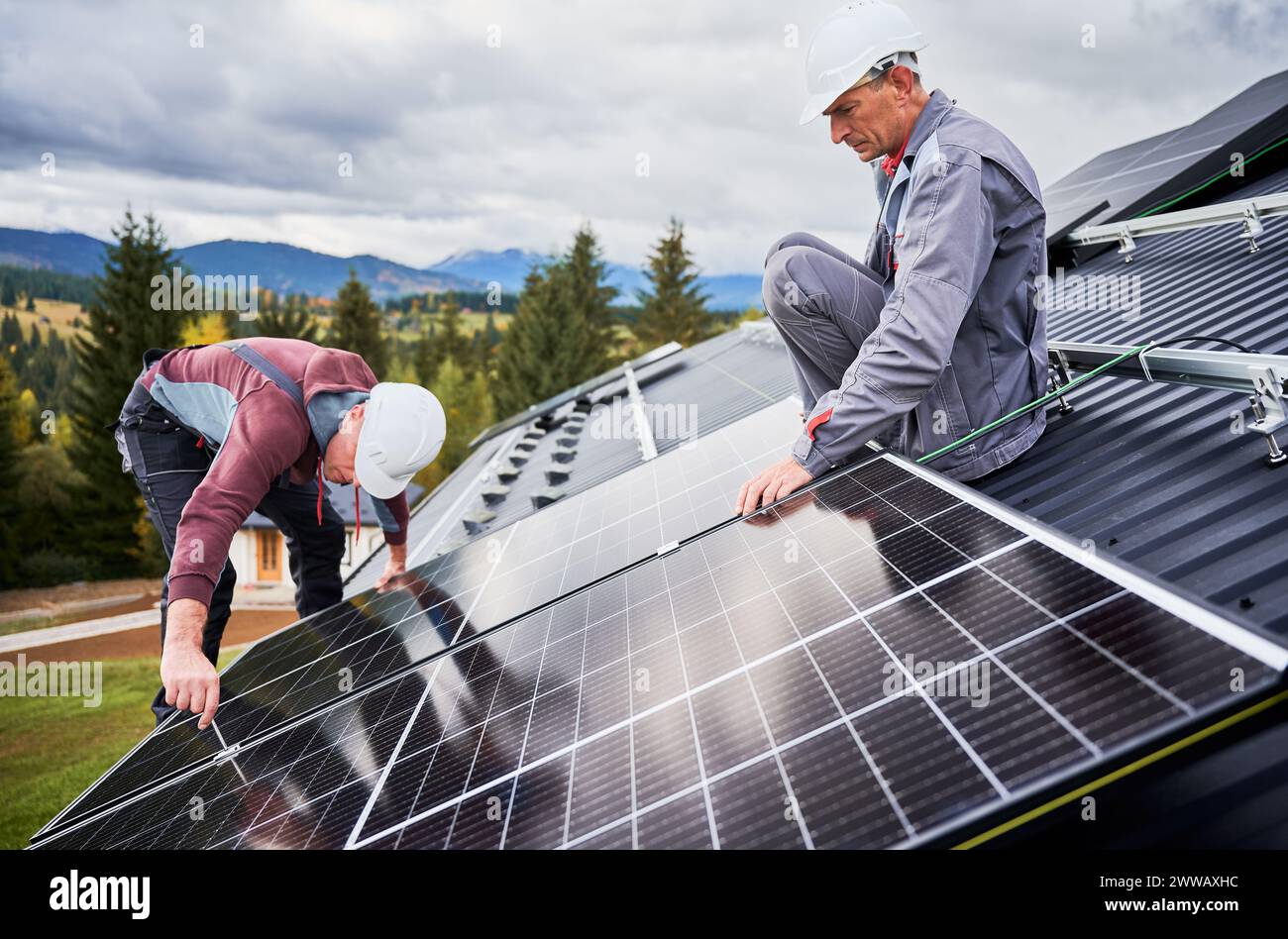
Solar PV Solar Panel Installation in Woking: Key Considerations
Installing solar photovoltaic (PV) panels in Woking involves balancing technical efficiency, local planning regulations, and long-term financial viability. Whether you are aiming to reduce domestic energy costs or improve the sustainab...
Installing solar photovoltaic (PV) panels in Woking involves balancing technical efficiency, local planning regulations, and long-term financial viability. Whether you are aiming to reduce domestic energy costs or improve the sustainability profile of a commercial property, a successful installation requires a structured approach to site assessment, grid integration, and compliance with the Surrey County Council and Woking Borough Council guidelines.
Contents
When considering solar PV installation in Woking, the most critical factors are roof orientation, structural integrity, and local planning constraints. While the UK’s climate is conducive to solar generation, maximizing your return on investment depends on proper system sizing and ensuring the installation aligns with permitted development rights or specific conservation area requirements.
Assessing Site Suitability and Solar Potential
The first stage of any solar project is a professional site survey. In Woking, homeowners and businesses often face varied architectural styles, ranging from modern developments to historic properties. The fundamental goal is to maximize the amount of solar radiation hitting the panels.
- Orientation and Tilt: Ideally, panels should face South for maximum yield. However, East-West facing systems are increasingly popular in 2026, as they provide a more balanced generation profile throughout the day, often better matching domestic consumption patterns.
- Shading Analysis: Nearby trees, chimneys, or neighboring buildings can significantly reduce output. Modern micro-inverter or power optimizer technology allows individual panels to operate independently, which mitigates the "string effect" where one shaded panel reduces the performance of the entire array.
- Structural Integrity: Solar PV systems are heavy. Before installation, a structural assessment ensures the roof trusses can support the combined load of the panels, mounting systems, and potential wind uplift.
Navigating Planning Regulations in Woking
In most cases, installing solar panels on residential roofs in Woking falls under "Permitted Development" rights. This means you may not require a formal planning application, provided the installation adheres to specific conditions set out by the government.
However, if your property is a listed building or located within a designated conservation area, these rules change. You must consult the Woking Borough Council planning department before initiating work. In conservation areas, the council may place restrictions on the visibility of panels from the street. Failure to verify these requirements can lead to enforcement action, potentially necessitating the removal of the installation.
Technical Components and System Design
A solar PV system consists of several integrated components. Understanding how these work together is essential for long-term maintenance and efficiency.
- Solar PV Modules: These convert sunlight into Direct Current (DC) electricity. By 2026, monocrystalline panels have become the industry standard due to their higher efficiency ratings compared to older polycrystalline variants.
- Inverters: This is the "brain" of the system, converting DC electricity into Alternating Current (AC) for use in your home or for export to the grid.
- Mounting Systems: These secure the panels to the roof. In Woking, installers must use high-quality, weather-rated mounting systems that ensure the roof remains watertight while allowing for adequate airflow beneath the panels to prevent overheating.
- Energy Storage (Batteries): Battery storage has become a standard consideration for new installations. By storing excess energy generated during the day, you can power your home during the evening, significantly increasing your self-consumption rate.
Financial Considerations and Incentives
The financial viability of a solar installation is determined by a combination of reduced electricity bills and, if eligible, revenue from smart export guarantees (SEG). While historical "feed-in tariffs" are no longer available for new entrants, the current cost-to-benefit ratio remains positive for most property owners due to the rising cost of retail electricity.
| Consideration | Impact on Project |
|---|---|
| System Size (kWp) | Directly dictates generation potential and total hardware cost. |
| Battery Integration | Increases upfront cost but maximizes self-use and independence. |
| Export Tariffs | Provides a modest return for surplus energy sent back to the grid. |
| Maintenance Costs | Typically low, but includes inverter replacement after 10–15 years. |
The Installation Process
Once you have selected a certified installer—preferably one registered with the Microgeneration Certification Scheme (MCS)—the installation process typically follows a standard sequence.
- Design and Quotation: The installer designs the array and provides a performance estimate based on localized weather data for Woking.
- Grid Connection Application: Your installer must notify the Distribution Network Operator (DNO), which for Woking is typically UK Power Networks. This ensures the local grid can handle the energy exported by your system.
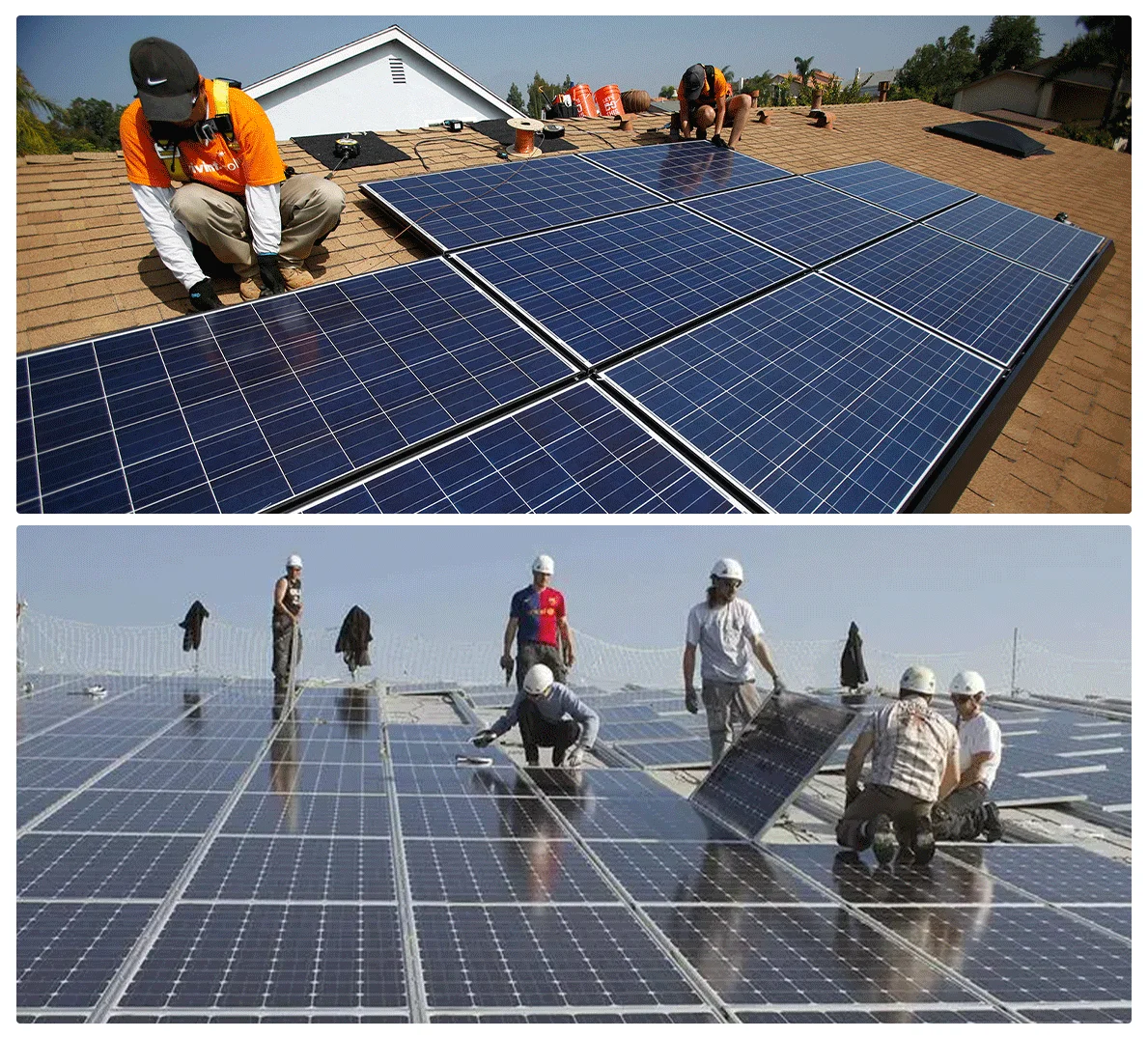
- Installation: Physical installation usually takes 1 to 3 days for a standard residential project. This involves scaffolding, electrical wiring, and the final commissioning of the system.
- Handover and Certification: You should receive an MCS certificate, an electrical installation certificate, and a comprehensive user manual, all of which are necessary for energy export agreements and future property sales.
Common Pitfalls and Troubleshooting
A common mistake in Woking is selecting an oversized system without considering the capacity of the local grid connection or household storage needs. Another risk is the lack of ongoing monitoring. It is essential to ensure your system is connected to a monitoring app, allowing you to track generation and consumption in real-time. If you notice a sudden drop in output, check for local obstructions like newly grown tree branches or surface debris, though the latter is rarely an issue due to the cleaning effect of rain.
If you encounter persistent issues, always revert to your MCS-certified installer. Tampering with the inverter or wiring without professional oversight can invalidate your warranty and pose significant electrical safety risks.
Frequently Asked Questions
Do I need permission from Woking Borough Council for solar panels? In most cases, no, as it is considered permitted development. However, if your home is a listed building or in a conservation area, you must check with the local planning authority to ensure compliance with local aesthetics and heritage guidelines.
How long do solar panels last in the Woking climate? Most modern solar PV panels are warrantied for 25 years and often continue to function efficiently well beyond that period. Inverters generally have a shorter lifespan and may require replacement after 10 to 15 years.
Does a solar PV system add value to my home? Energy-efficient homes are increasingly attractive to buyers. While an exact valuation increase is difficult to quantify, a well-maintained, high-efficiency solar system is widely regarded as a significant asset that improves a property's Energy Performance Certificate (EPC) rating.
What happens to my solar power when the grid goes down? Standard grid-tied solar systems will automatically shut down during a power cut for safety reasons. To maintain power during a blackout, you would require a specialized "off-grid" or "hybrid" system with an integrated battery capable of islanding.
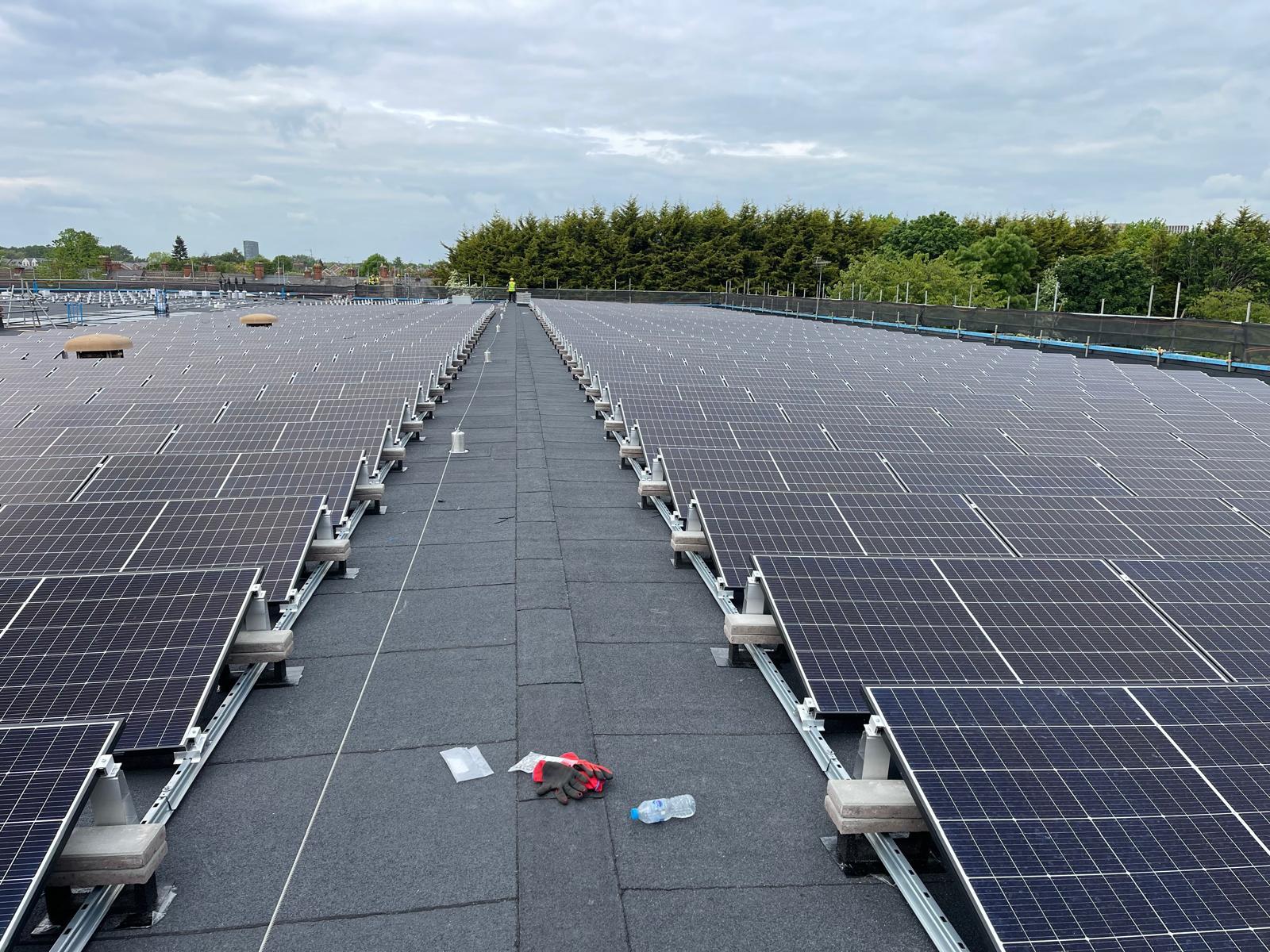
Can I install solar panels on a flat roof? Yes, flat roof installations are possible using specialized mounting frames that tilt the panels at the optimal angle. These systems require careful consideration of ballast weights to ensure they remain secure during high winds.
Final Recommendation
To move forward with your solar PV project in Woking, start by obtaining at least three quotes from MCS-certified installers. Request a detailed performance projection and a site-specific shading report. Ensure that the proposed design integrates with your current or future battery storage plans, as this is the most effective way to optimize your financial returns in 2026. Prioritize installers who demonstrate strong knowledge of Woking’s local DNO requirements and planning sensitivities.
Image Gallery