Understanding How Much Solar Panels Cost: A 2026 Guide
In 2026, the average cost of a residential solar panel system in the United States ranges from $15,000 to $25,000 after federal tax credits. While the raw price of photovoltaic hardware has stabilized, total project costs remain highly...
In 2026, the average cost of a residential solar panel system in the United States ranges from $15,000 to $25,000 after federal tax credits. While the raw price of photovoltaic hardware has stabilized, total project costs remain highly variable based on system size, local labor markets, permitting fees, and the specific energy needs of your household.
Contents
The Breakdown of Solar Costs
When you ask, "how much do solar panels cost," you are usually inquiring about the "all-in" price of a turnkey system. This figure includes the solar modules themselves, the inverter system, mounting hardware, labor, electrical upgrades, and permitting.
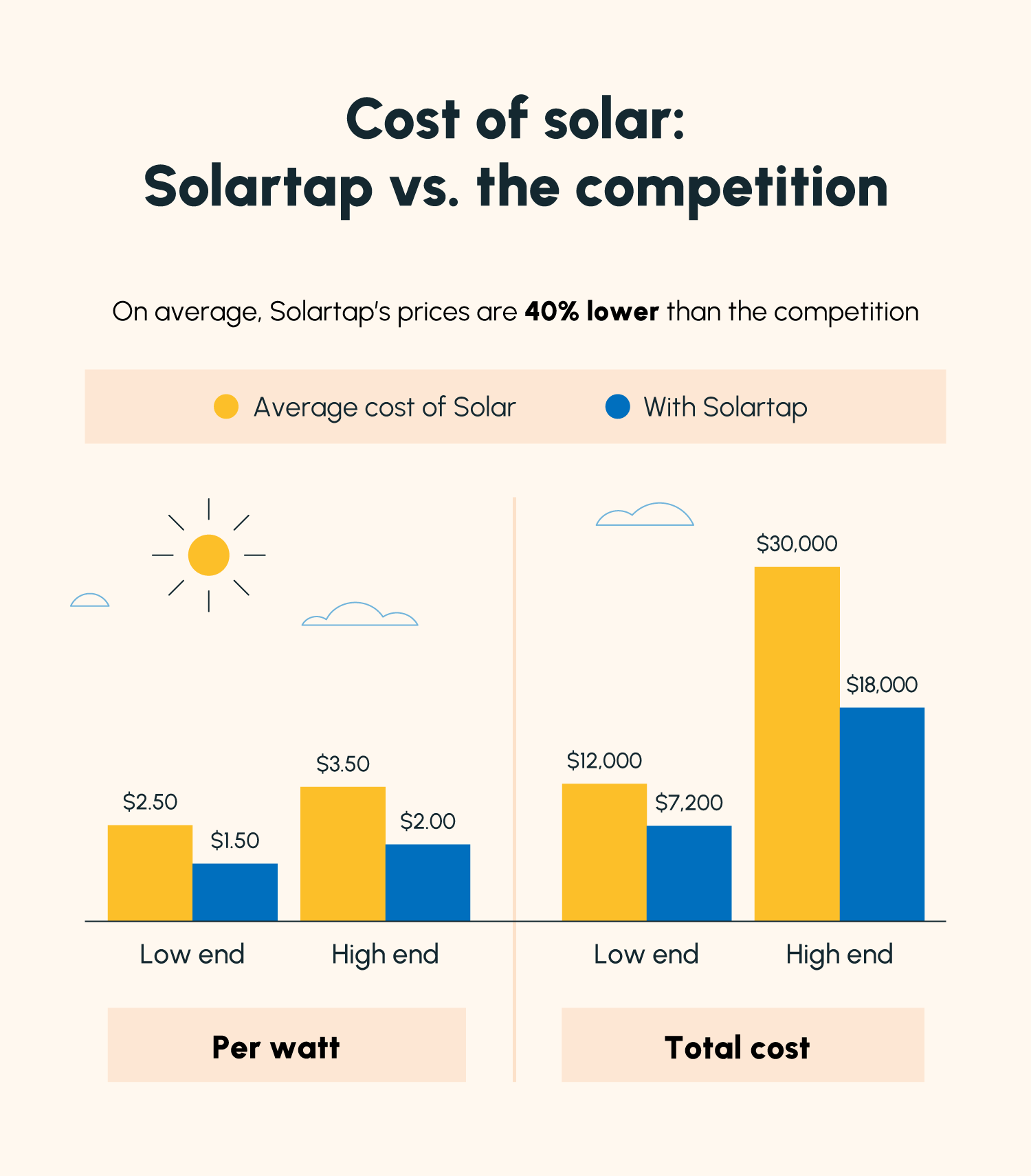
Unlike consumer electronics, where prices are uniform, solar is a bespoke construction project. A typical residential system size in the U.S. is roughly 8 to 10 kilowatts (kW). At a rough market average of $2.50 to $3.50 per watt, the gross cost often falls between $20,000 and $35,000 before incentives. Once you apply the federal Residential Clean Energy Credit—which currently allows homeowners to deduct 30% of the cost of their system from their federal taxes—the net cost drops significantly into the $14,000 to $24,500 range.
Key Factors Influencing the Total Price
Several variables can cause your specific quote to deviate from the national average. Understanding these factors helps in evaluating the proposals you receive from installers.
- System Capacity: The more electricity your home consumes, the more panels you need. Increasing your system size results in a higher total price, though the cost per watt often decreases due to economies of scale.
- Equipment Quality: Tier-1 solar panels offer higher efficiency and longer warranties but come at a premium. Choosing premium microinverters over a standard string inverter setup will also increase the initial hardware cost.
- Roof Complexity: A roof with multiple planes, steep pitches, or structural impediments requires more labor and specialized mounting hardware. If your roof needs repairs before installation, this adds to your total project budget.
- Local Labor and Permitting: Costs are dictated by regional market rates for specialized electricians and roofers. Additionally, municipalities charge varying fees for building permits and grid-interconnection inspections.
Comparative Cost Considerations
To help visualize the financial commitment, the following table summarizes how different system sizes generally impact the initial investment before and after the federal 30% tax credit.
| System Size (kW) | Est. Gross Cost ($) | Net Cost (After 30% Credit) | Annual Energy Output (Est.) |
|---|---|---|---|
| 6 kW | $15,000 - $21,000 | $10,500 - $14,700 | 8,000 - 10,000 kWh |
| 8 kW | $20,000 - $28,000 | $14,000 - $19,600 | 11,000 - 13,000 kWh |
| 10 kW | $25,000 - $35,000 | $17,500 - $24,500 | 14,000 - 16,000 kWh |
| 12 kW | $30,000 - $42,000 | $21,000 - $29,400 | 17,000 - 19,000 kWh |
Financing vs. Outright Purchase
How you choose to pay for your solar panels significantly impacts your long-term return on investment.
Cash Purchase: Buying the system outright provides the highest return on investment. You own the hardware, benefit from all available tax incentives, and are not subject to monthly payment plans. Over the 25-year expected lifespan of the system, this usually results in the lowest cost per kilowatt-hour of energy produced.
Solar Loans: Many homeowners utilize specialized solar loans. While you still own the system and remain eligible for tax credits, the interest rates will increase your total cost of ownership. It is essential to review the loan terms, as some include early repayment penalties or dealer fees that inflate the principal balance.
Leases and PPAs: Solar leases or Power Purchase Agreements (PPAs) allow you to install panels with little to no money down. In these arrangements, a third party owns the system, and you pay for the electricity generated. While this reduces upfront barriers, you do not receive the tax incentives, and the financial savings on your monthly utility bill are typically smaller than with a purchase.
Hidden Costs and Value-Adds
When reviewing quotes, ensure you are comparing "apples to apples." Some installers may provide a "bare-bones" quote that does not include necessary secondary costs.
- Main Panel Upgrades: If your home's electrical service is older (typically 100 amps or less), the electrical inspector may require an upgrade to a 200-amp panel to safely accommodate the solar interconnection.
- Monitoring Systems: Advanced energy monitoring hardware allows you to track production and consumption in real-time. This is often an optional add-on that provides value for troubleshooting performance issues later.
- Battery Storage: Integrating a battery backup system (such as the Tesla Powerwall or similar technologies) adds between $10,000 and $15,000 to the total cost. Batteries are not required for grid-tied systems but are essential for energy independence during outages.
Frequently Asked Questions
Do solar panels increase my property taxes? In many jurisdictions, yes, but many states offer property tax exemptions specifically for renewable energy equipment. You should check your local county assessor’s office to see if your area provides a "solar property tax exclusion," which prevents your home’s assessed value from rising due to the solar installation.
How long does it take for solar panels to pay for themselves? This is known as the "payback period." For the average U.S. homeowner, the payback period is typically between 7 and 10 years. After this period, the electricity generated by your system is essentially free, offset only by minor maintenance or potential inverter replacement costs.
Are there incentives beyond the federal tax credit? Yes. Many states and utility companies offer additional rebates, performance-based incentives (SRECs), or low-interest financing programs. Consult the Database of State Incentives for Renewables and Efficiency (DSIRE) to verify what is available in your specific zip code.
What happens if my panels stop working? Most modern solar panels come with a 25-year performance warranty. If a panel underperforms or fails, the manufacturer usually covers the cost of replacement. Ensure your contract specifies who—the installer or the manufacturer—is responsible for labor costs associated with warranty claims.
Can I install solar panels myself? While "DIY" solar kits exist, they are not recommended for most homeowners. Solar installation involves high-voltage electrical work, roof penetrations that can cause leaks if improperly sealed, and strict adherence to local building codes. Furthermore, most utility companies require a licensed electrician to sign off on the interconnection for safety and net-metering eligibility.
Next Steps for Homeowners
To get an accurate estimate of what solar will cost for your home, start by reviewing your last 12 months of electricity bills to determine your average kilowatt-hour usage. Once you have a baseline, request quotes from at least three different reputable installers.
Avoid pressure-based sales tactics. A legitimate installer will perform a remote or physical site survey of your roof, analyze your shading, and provide a clear, itemized proposal that explains the total cost, the equipment brand, the warranty terms, and the estimated annual production. Always verify the contractor’s license and check for recent customer reviews regarding their post-installation support.
Image Gallery