Understanding Alligator Safety and Interaction Risks in Davie, Florida
Living in or visiting Davie, Florida, involves a unique coexistence with one of the region’s most formidable predators: the American alligator (Alligator mississippiensis). While encounters are often peaceful, an alligator attack in Da...
Living in or visiting Davie, Florida, involves a unique coexistence with one of the region’s most formidable predators: the American alligator (Alligator mississippiensis). While encounters are often peaceful, an alligator attack in Davie, Florida—or any part of the state—is a serious concern that necessitates an understanding of wildlife behavior, environmental awareness, and established safety protocols to mitigate risks.
Contents
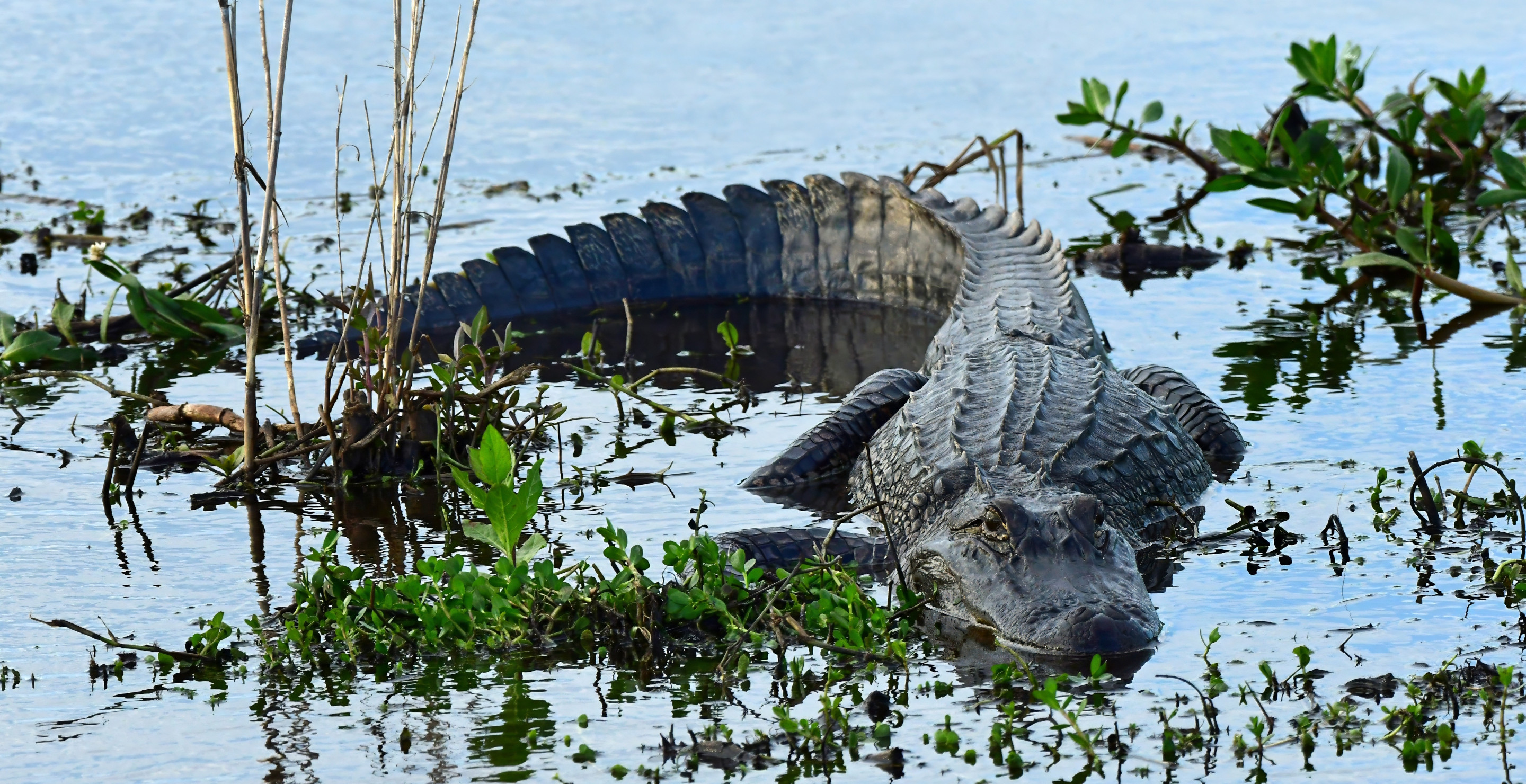
The American alligator is a protected species in Florida, thriving in the freshwater ecosystems that define the landscape of Broward County. Davie, with its extensive network of canals, retention ponds, and proximity to the Everglades, provides a natural habitat for these reptiles. Understanding how to avoid negative interactions requires recognizing that alligators are opportunistic predators. Most incidents occur when humans inadvertently cross boundaries, such as swimming in murky, unmonitored waters, walking pets near the shoreline, or feeding wildlife, which disrupts their natural fear of humans. This guide details how to assess your surroundings, understand the legal framework surrounding wildlife nuisance, and implement proactive safety measures to protect yourself and your family.
The Habitat Context of Davie, Florida
Davie’s geography is inherently linked to the Everglades ecosystem. The town’s urban development often borders protected wetlands, irrigation canals, and stormwater management systems. These water bodies are not merely aesthetic; they are active, functional habitats for alligator populations.
Unlike rivers with fast-moving water, the still, interconnected canals of Davie provide excellent nesting and basking grounds for alligators. As seasonal temperatures fluctuate, alligators may migrate between bodies of water, often crossing suburban roads or residential backyards. It is essential for residents to view any standing body of water in Florida—regardless of size—as a potential habitat for alligators. Unlike sharks in the ocean or bears in the mountains, alligators are often found in locations where residents least expect them, such as backyard ponds or drainage ditches.
Recognizing Risk Factors and Behavior
Alligators generally fear humans, but this behavior can change. A "nuisance alligator" is typically defined as a specimen that has lost its fear of humans, often due to illegal feeding. When an alligator associates humans with food, it ceases to be a wild animal acting on instinct and becomes a habituated predator.
Primary Risks and Indicators
- Proximity to Shorelines: Alligators are most active at dawn and dusk. Staying away from the water’s edge during these hours significantly reduces the chance of a surprise encounter.
- Pet Safety: Dogs and cats are often perceived by alligators as prey. Their size, movement, and sound can trigger an alligator’s hunting instinct. Keeping pets on a short leash and at least 10 feet away from the water is a primary rule of thumb.
- Feeding Wildlife: It is illegal under Florida Statute 379.409 to feed or entice an alligator. Feeding them causes them to approach people, which creates dangerous situations that frequently end in the animal needing to be euthanized.
- Nesting Season: During the spring and summer breeding months, female alligators become highly protective of their nests. Entering tall grass or dense vegetation near water during this period is particularly risky.
Navigating Nuisance Alligator Procedures
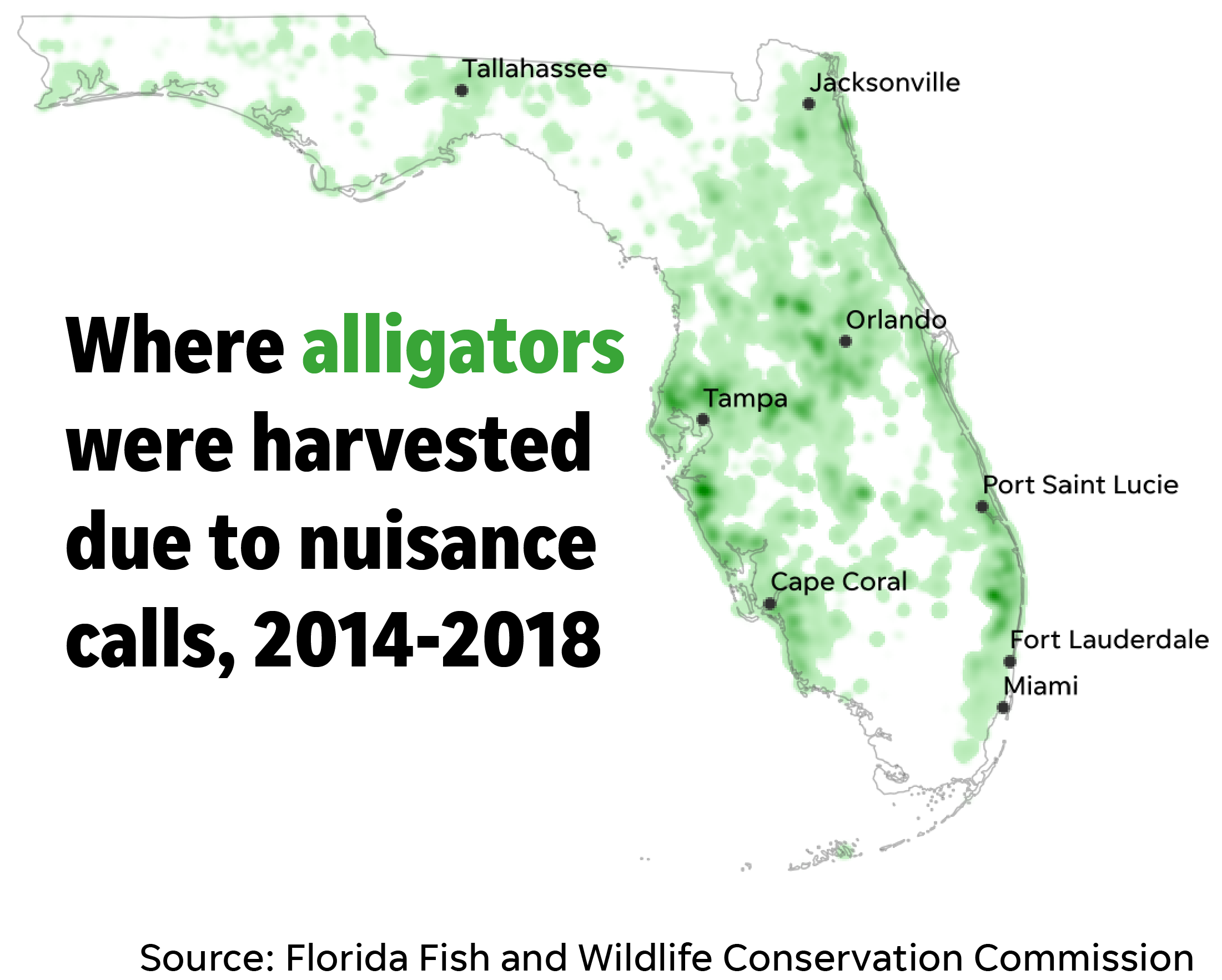
If you encounter an alligator that poses a threat to people, pets, or property, the state of Florida has a specific process for intervention. The Florida Fish and Wildlife Conservation Commission (FWC) manages the Statewide Nuisance Alligator Program (SNAP).
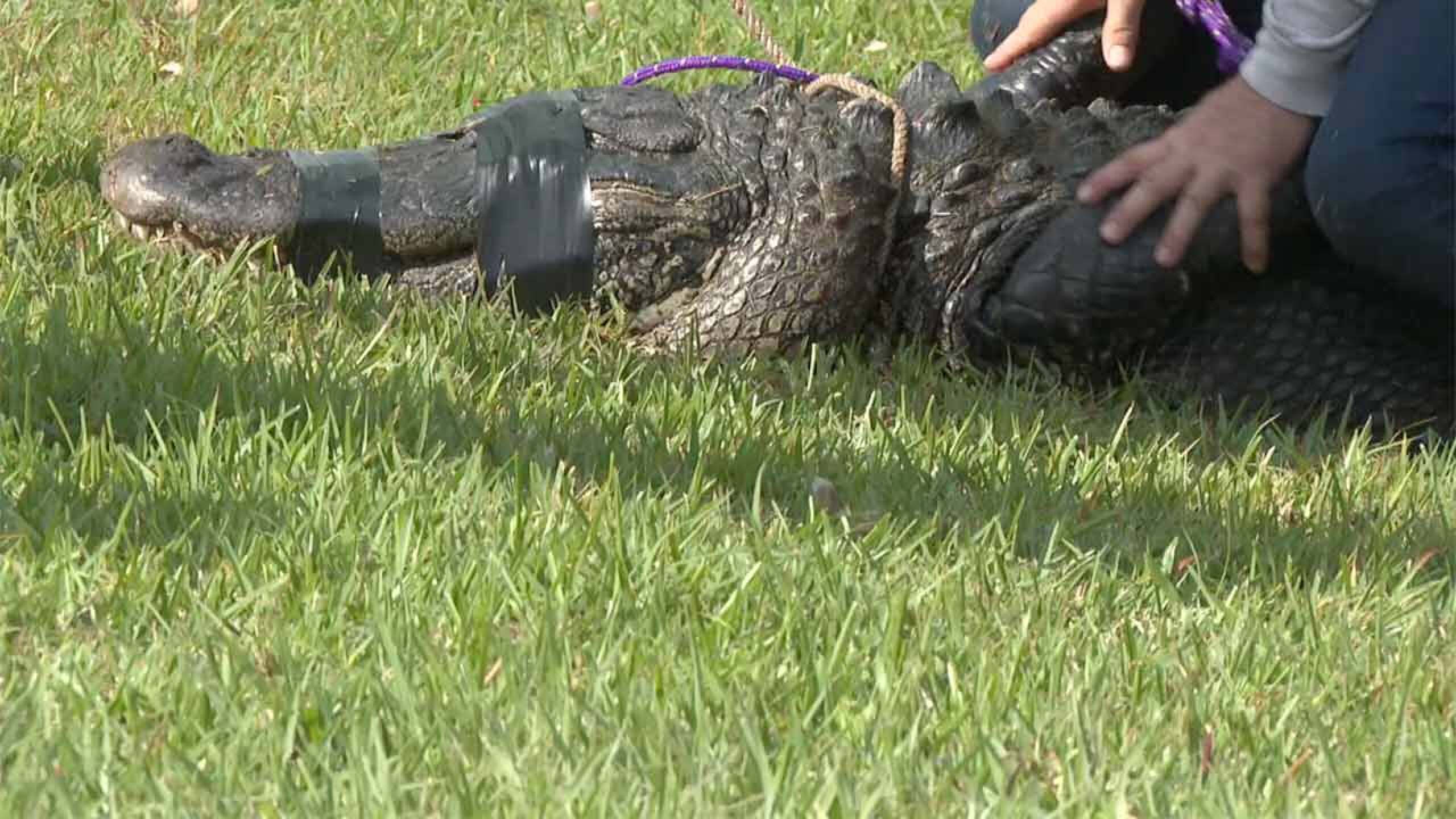
An alligator is generally considered a nuisance only if it is at least four feet in length and the person reporting it believes it poses a threat. The FWC contracts licensed nuisance alligator trappers to remove these animals. Because alligators are protected, they cannot be relocated; they are typically euthanized if deemed a nuisance. This policy exists because relocated alligators often attempt to return to their original capture site, traversing long distances and creating new hazards in the process.
| Action Item | Responsible Party | Procedure |
|---|---|---|
| Report a Threat | Resident/Visitor | Call the FWC Nuisance Alligator Hotline |
| Assessment | FWC Coordinator | Determine if the alligator meets the "nuisance" criteria |
| Removal | Licensed Trapper | Professional capture and management |
| Emergency | Law Enforcement | Contact 911 if an attack or immediate life threat occurs |
Proactive Safety Measures for Residents
Residents in areas like Davie should adopt a "living with wildlife" mindset. This involves property management and behavioral adjustments that discourage alligators from lingering near homes.
Backyard and Property Maintenance
- Fencing: Installing high, sturdy fences around backyard ponds can prevent alligators from wandering onto your property.
- Vegetation Clearing: Thick brush near the water provides cover for alligators. Keeping the shoreline clear of dense foliage makes your property less attractive for nesting.
- Waste Management: Do not dispose of fish scraps or food waste in or near bodies of water. This creates an "easy meal" signal that will draw alligators to your property repeatedly.
Recreational Safety
- Designated Areas Only: Only swim in areas that are designated for swimming and are regularly monitored for wildlife. Avoid swimming in canals or ponds, even if they appear calm.
- Water Sports: When kayaking or paddleboarding, stay aware of your surroundings. Avoid dangling feet or hands in the water.
- Supervision: Always supervise small children when they are near any water source. Alligators can move extremely quickly over short distances, and a child’s profile is often indistinguishable from prey in the eyes of a reptile.
Legal and Ethical Considerations
It is important to remember that alligators are a vital part of the Florida ecosystem. They serve as "keystone species," meaning their presence helps maintain the health of the wetlands by controlling populations of other species.
Harassing, harming, or killing an alligator without authorization is a violation of state law. While self-defense is a recognized legal principle, the best way to interact with alligators is to maintain a respectful distance. If you encounter an alligator while walking, you do not need to run; simply move away slowly, keeping your eyes on the animal. Alligators are built for quick bursts of speed, not long-distance endurance, but they are incredibly fast in the water and on land for the first few yards.
Frequently Asked Questions
What should I do if I see an alligator in my backyard in Davie?
If the alligator is not exhibiting aggressive behavior and is not in a high-traffic area, the best course of action is to leave it alone. It will likely move on as it continues its natural migration. If it poses a direct threat to pets or family members, keep a safe distance and contact the FWC Nuisance Alligator Hotline to initiate a professional assessment.
Can I feed an alligator if I stay a safe distance away?
No. Feeding alligators is illegal in Florida. It is the primary cause of alligators losing their natural wariness of humans. When people feed alligators, they are essentially training the animal to approach people, which eventually leads to the animal having to be removed and euthanized.
How do I know if an alligator is a "nuisance"?
A nuisance alligator is typically defined as an animal at least four feet in length that is believed to pose a threat to people, pets, or property. Smaller alligators are generally not considered a threat to humans, though they should still be respected and avoided.
Are alligators more active at certain times of the year?
Yes. Alligators are cold-blooded and become much more active during the warmer months (spring and summer). This is also their mating and nesting season, which increases their activity levels and, in the case of females guarding nests, their territorial behavior.
What is the best way to protect my dog from alligators?
Keep your dog on a short leash whenever you are near water. Avoid walking your dog near the shoreline during dawn or dusk, as these are the peak hunting hours for alligators. If you live on a canal, ensure that your backyard is fenced to prevent your pet from accidentally accessing the water.
Final Recommendation
Living near water in Davie, Florida, offers a beautiful environment, but it requires constant vigilance. The most effective strategy against alligator encounters is awareness. Never assume a body of water is empty. By maintaining a distance of at least 30 feet from any shoreline, keeping pets secure, and strictly adhering to the "no feeding" rule, you can significantly reduce the risk of an alligator incident. For official reports regarding threatening wildlife, contact the Florida Fish and Wildlife Conservation Commission immediately to ensure professional assistance is deployed.
Image Gallery