Understanding a Workers Compensation Insurance Contract Example: A Comprehensive Guide
A workers compensation insurance contract example typically follows the standard NCCI format, consisting of an Information Page and six core parts. This legal document outlines the insurer’s obligation to pay statutory benefits for wor...
A workers compensation insurance contract example typically follows the standard NCCI format, consisting of an Information Page and six core parts. This legal document outlines the insurer’s obligation to pay statutory benefits for work-related injuries and provides employers liability protection, while defining the employer’s responsibilities regarding premiums, audits, and safety protocols.
Contents
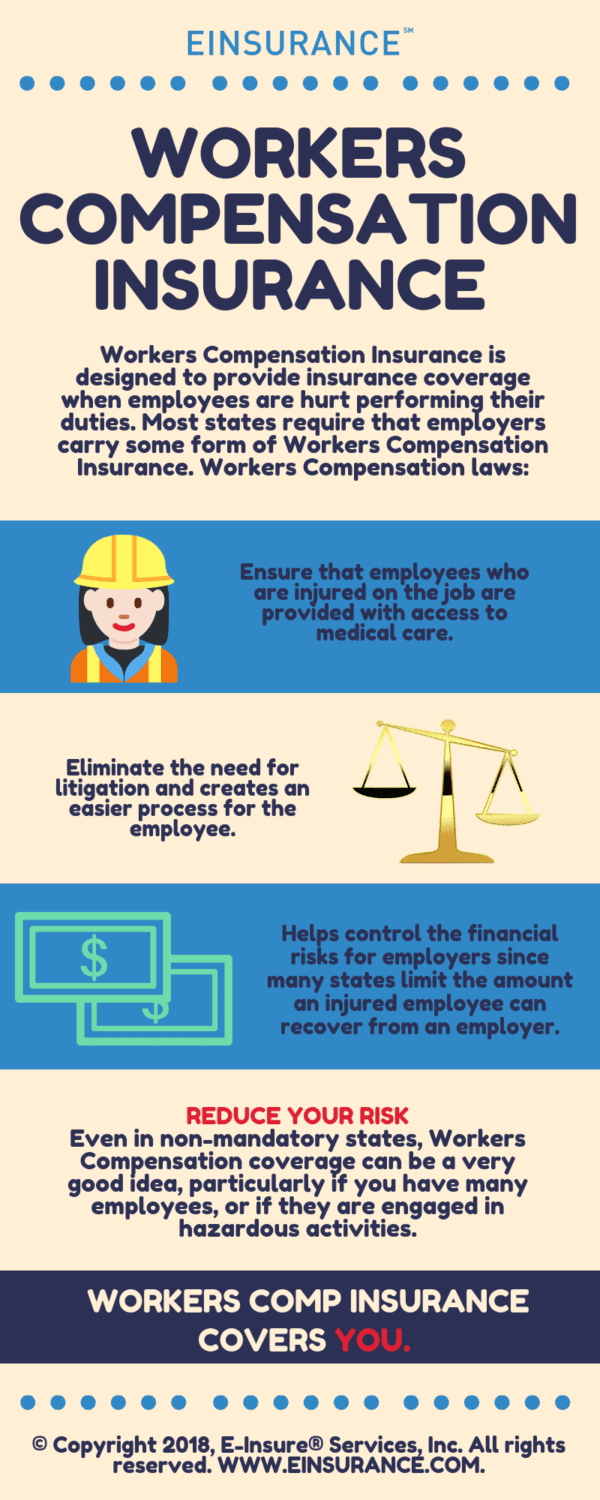
Workers compensation insurance is a foundational element of the modern American workplace, serving as a "grand bargain" between employers and employees. In exchange for guaranteed medical coverage and wage replacement following a workplace injury, employees generally forfeit the right to sue their employers for negligence. As of 2026, the structure of these contracts remains highly standardized to ensure consistency across different states and industries.
To understand how these policies function, one must look at the specific language used in a standard contract. Most private insurers use the forms developed by the National Council on Compensation Insurance (NCCI). While small variations exist in "monopolistic" states (such as Ohio, Washington, North Dakota, and Wyoming), the NCCI Standard Policy (Form WC 00 00 00 C) remains the industry benchmark.
The Information Page: The "Face" of the Contract
Before diving into the fine print of the policy sections, every workers compensation insurance contract example begins with the Information Page, also known as the Declarations Page. This is the most critical page for a policyholder because it contains the specific data that applies to their unique business.
The Information Page serves four primary functions:
- Identity and Policy Period: It lists the legal name of the insured entity, the mailing address, and the exact dates the coverage is in effect. In 2026, it is common to see these policies issued for one-year terms, though some short-term policies exist for specific projects.
- Coverage Locations: Item 3.A of this page lists the states where the employer has known operations. This is legally significant because workers' compensation is governed by state law; if a state is not listed here, the policy may not provide coverage for claims originating in that jurisdiction.
- Limits of Liability: While "Part One" (Workers Compensation) typically has no dollar limit because it follows state statutes, "Part Two" (Employers Liability) has specific limits for bodily injury by accident, bodily injury by disease, and a policy limit for disease.
- Premium Calculation: This section outlines the classification codes (the numerical codes representing the type of work performed), the estimated payroll (remuneration) for the period, the rate per $100 of payroll, and the Experience Rating Modifier (E-Mod).
Part One: Workers Compensation Insurance
The core of the contract is found in Part One. This section is surprisingly brief because it essentially incorporates state law by reference. The insurer agrees to pay promptly when due the benefits required of the employer by the workers' compensation law of each state listed in Item 3.A of the Information Page.
Statutory Benefits
In Part One, there are no "limits" on the amount the insurer will pay for medical expenses or disability benefits. If the state law requires lifetime medical care for a catastrophic injury, the insurer is contractually obligated to provide it. This includes:
- Medical Services: All necessary and reasonable medical care, including hospitalizations, surgeries, prescriptions, and physical therapy.
- Disability Benefits: Payments to replace a portion of lost wages (typically two-thirds of the average weekly wage, subject to state maximums) for temporary or permanent disability.
- Rehabilitation: Vocational training if the employee cannot return to their previous role.
- Death Benefits: Payments to the dependents of an employee who dies due to a work-related injury or illness.
The Insurer's Right to Defend
Under Part One, the insurer has the right and the duty to defend any claim, proceeding, or suit against the employer for benefits payable under the policy. This means the insurance company chooses the legal counsel and manages the litigation process. However, the insurer also has the right to investigate and settle these claims as they see fit, which can sometimes lead to friction if an employer believes a claim is fraudulent.
Part Two: Employers Liability Insurance
While Part One covers the "no-fault" statutory benefits, Part Two protects the employer against lawsuits that fall outside the scope of the workers' compensation statutes. Even though workers' compensation is intended to be the exclusive remedy for workplace injuries, there are specific legal scenarios where an employer can still be sued.
Types of Claims Covered
- Third-Party Over Actions: This occurs when an injured employee sues a third party (like an equipment manufacturer), and that third party then sues the employer for contribution or indemnity.
- Care and Custody (Loss of Consortium): Lawsuits brought by the spouse or children of an injured worker for the loss of the worker's services or companionship.
- Dual Capacity: Claims arising when the employer acts in a second capacity, such as a manufacturer of a product that injured the employee.
- Consequential Bodily Injury: Claims by a family member of the employee who suffers injury (like a heart attack) as a direct result of the employee’s work injury.
Exclusions in Part Two
It is vital to note that Part Two contains several exclusions. It generally does not cover:
- Liability assumed under a contract.
- Punitive or exemplary damages.
- Injuries to employees employed in violation of the law with the employer's knowledge (e.g., underage workers).
- Intentional acts by the employer designed to cause injury.
Comparison of Coverage Parts
| Feature | Part One: Workers Compensation | Part Two: Employers Liability |
|---|---|---|
| Source of Obligation | State Statutory Law | Common Law Negligence / Tort |
| Benefit Limits | Unlimited (Statutory) | Specific Limits (e.g., $500k/$500k/$500k) |
| Fault Requirement | No-Fault (Strict Liability) | Requires proof of negligence/liability |
| Who Receives Payment | The Injured Employee | The Employer (to cover legal damages) |
| Defense Costs | Paid by Insurer (outside limits) | Paid by Insurer (typically inside limits) |
Part Three: Other States Insurance
In an increasingly mobile economy, Part Three is a critical component of any workers compensation insurance contract example. This section provides a "safety net" for employers who might begin work in a state not listed in Item 3.A of the Information Page.
To trigger Part Three coverage, the state must be listed in Item 3.C of the Information Page. If an employer starts work in a 3.C state, the policy will provide coverage as long as the work began after the effective date of the policy and the employer notifies the insurer promptly (usually within 30 days). However, Part Three specifically excludes the monopolistic states. If a business expands into Ohio or Washington, for example, they must purchase insurance directly from the state fund; a private NCCI-based contract cannot cover those jurisdictions.
Part Four and Part Five: Duties and Premiums
These sections outline the administrative and financial obligations of the employer.
Part Four: Your Duties if Injury Occurs
The employer has a legal duty to provide immediate medical care and notify the insurer as soon as possible. Failure to report an injury promptly can lead to penalties or even a denial of the claim if the delay prejudices the insurer’s ability to investigate. The employer must also cooperate with the insurer in the investigation and defense of any claim.
Part Five: Premium
This section clarifies that the initial premium paid is only an estimate. The final premium is determined after a Premium Audit, which usually occurs within 90 days after the policy expires.
- Remuneration: This is the total payroll for the period. The contract defines exactly what counts as payroll (wages, bonuses, commissions, etc.).
- Classification: The insurer can reclassify the business if they find the work performed was different from what was stated at the policy's inception.
- Records: The employer must keep records of payroll and make them available to the insurer for up to three years after the policy ends.
Critical Endorsements to Look For
While the standard form provides the skeleton of the contract, endorsements are the muscles and skin that tailor it to a specific business. Common endorsements include:
- Waiver of Our Right to Recover from Others (WC 00 03 13): Also known as a waiver of subrogation, this prevents the insurer from seeking reimbursement from a third party (like a general contractor) after paying a claim.
- Alternate Employer Endorsement (WC 00 03 01 A): Used when an employer provides workers to another entity (e.g., a staffing agency), ensuring the "client" company is also protected under the policy.
- Voluntary Compensation Endorsement: Extends coverage to employees who might not technically be covered by state law, such as domestic workers or certain executive officers.
Common Pitfalls and Mistakes in Contract Review
When examining a workers compensation insurance contract example, business owners often overlook subtle details that can lead to significant financial exposure.
- Incorrect Class Codes: If your business is classified as "Roofing" (high risk) but you only do "Siding" (lower risk), you are overpaying. Conversely, if you are under-classified, the audit will result in a massive surprise bill at the end of the year.
- Missing States: If you have remote workers in states not listed in 3.A or 3.C, those workers are effectively uninsured. This can lead to criminal penalties in certain jurisdictions.
- Excluded Officers: Many states allow business owners to exclude themselves from coverage to save on premiums. However, if the Information Page does not specifically list the excluded officers by name, the insurer may charge a premium for them anyway during the audit.
Frequently Asked Questions
What is the "Exclusion of Punitive Damages" in a workers comp contract?
Most workers compensation contracts explicitly exclude punitive damages under Part Two (Employers Liability). This means that if a court finds an employer acted with gross negligence or malice and awards the plaintiff $1 million in "punitive" damages to punish the company, the insurance policy will not pay that portion of the judgment. The policy only covers compensatory damages (medical costs, lost wages, and pain and suffering).
Can I choose my own doctor under the contract?
The right to choose a doctor depends on state law, which is incorporated into Part One of the contract. In "Employer Choice" states, the insurer or employer has the right to designate the medical provider. In "Employee Choice" states, the worker can choose their own physician. The contract itself does not override these state-specific statutes.
What happens if I disagree with the Premium Audit results?
Part Five of the contract allows for an audit of your records. If you disagree with the auditor’s classification or payroll calculations, you generally have a specific window (often 30 to 60 days) to file a written dispute. You should provide detailed job descriptions and time-tracking records to support your claim for a lower classification or excluded payroll.
Is "Part Two" liability really necessary?
Yes. Without Part Two, an employer would be personally responsible for legal fees and damages in "third-party over" suits or loss of consortium claims. Even though the "grand bargain" covers most scenarios, legal loopholes exist where employees or their families can sue the business directly for negligence.
Does the contract cover remote workers in 2026?
Yes, provided the state where the remote worker is physically located is listed on the Information Page. With the continued prevalence of hybrid work in 2026, it is vital for employers to update Item 3.A or 3.C as soon as a worker establishes a home office in a new state.
Practical Recommendation for Policyholders
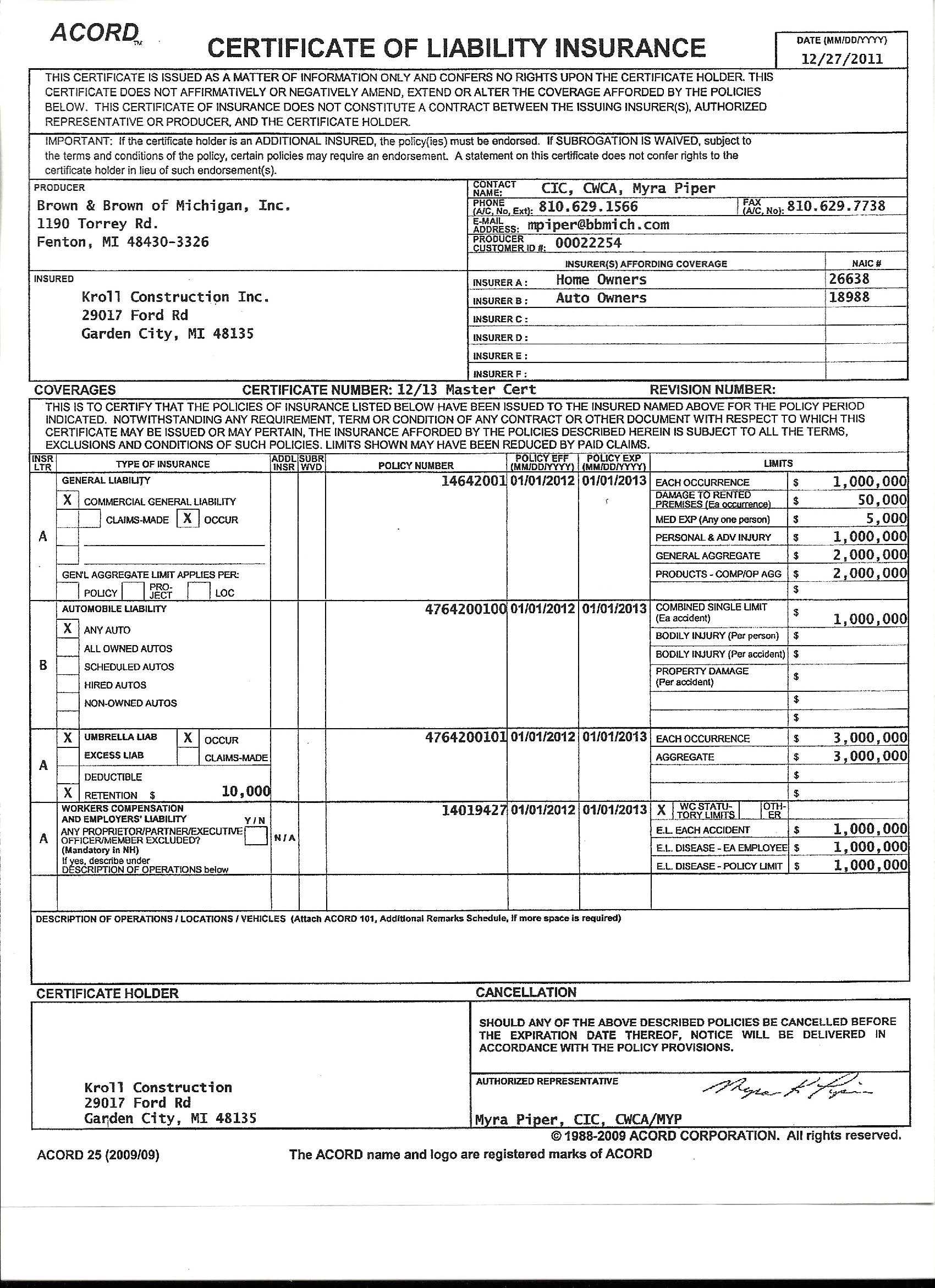
Before signing or renewing a workers compensation policy, request a full specimen policy including all endorsements. Do not rely solely on the one-page "Quote Summary" or "Certificate of Insurance." Specifically, verify that every state where you have employees (even one remote worker) is listed in Item 3.A. Additionally, ensure your payroll estimates are within 10% of your projected actuals to avoid a heavy "audit hit" at the end of the policy term. If you engage in high-risk projects, consult with a legal professional to determine if you need a "Waiver of Subrogation" or "Primary and Non-Contributory" language added via endorsement to satisfy your contractual obligations with clients.
Image Gallery