The Ultimate Guide to the Best Haircuts for Biracial Boys in 2026
Navigating haircare and styling choices for biracial boys requires a nuanced understanding of textured hair types. Biracial hair often presents a unique genetic blend, typically combining tighter curl patterns with varying degrees of t...
Navigating haircare and styling choices for biracial boys requires a nuanced understanding of textured hair types. Biracial hair often presents a unique genetic blend, typically combining tighter curl patterns with varying degrees of thickness, porosity, and moisture requirements. Selecting the ideal haircut involves balancing aesthetic appeal with practical daily maintenance that respects the hair's structural integrity.
Contents
Understanding Biracial Hair Textures and Growth Patterns
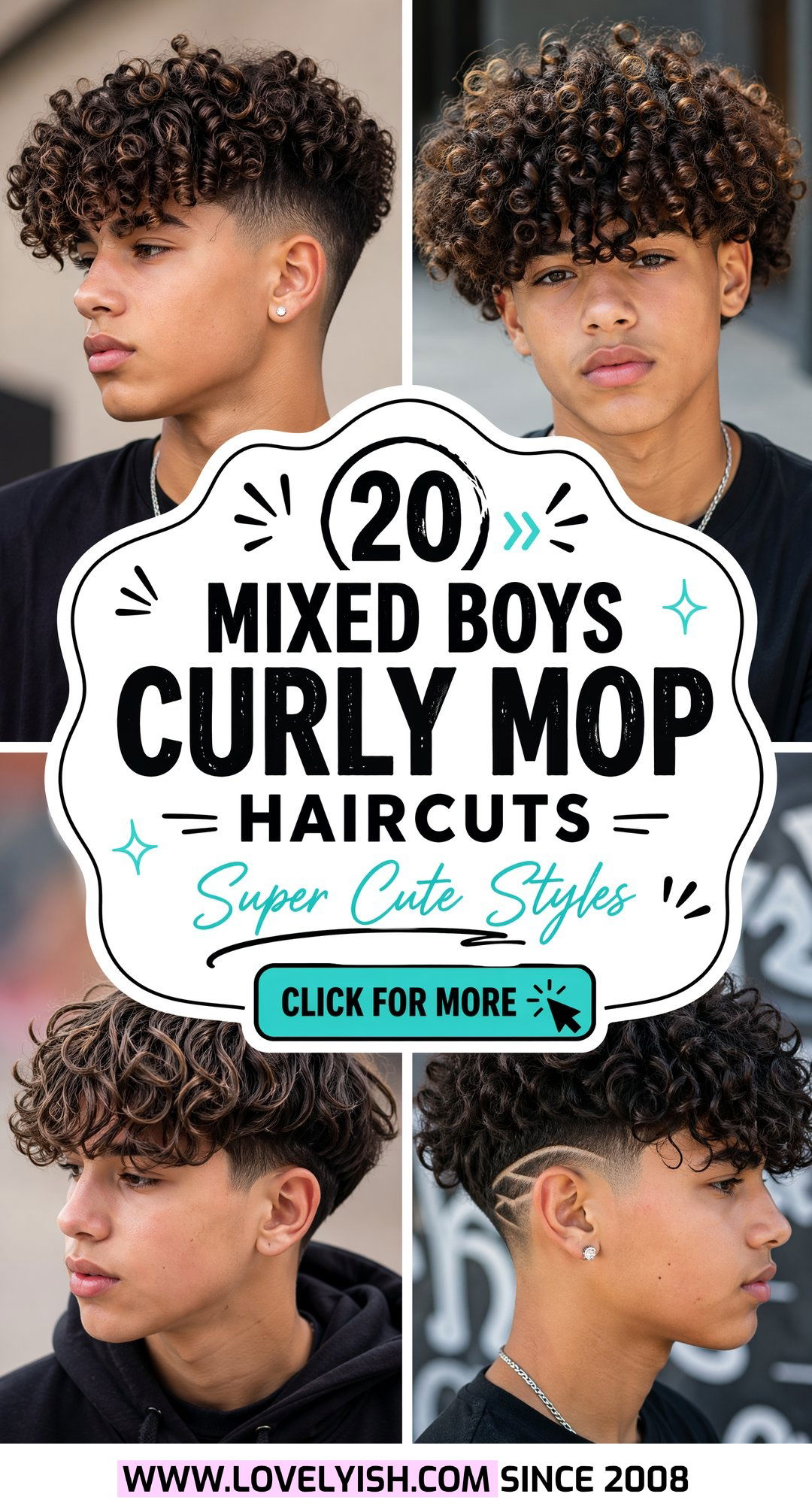
Biracial hair textures frequently range from loose, springy curls (Type 3B/3C) to tight coils or zig-zag patterns (Type 4A/4B/4C), or a diverse combination of multiple textures across a single head. Recognizing these patterns is the foundational step in determining which haircut will look great and remain manageable between barber visits.
- High Porosity: Absorbs moisture quickly but loses it just as fast, requiring cuts that allow for deep hydration treatments.
- Mixed Density: Often fine around the hairline and crown, but dense and tightly packed at the nape of the neck.
- Scalp Sensitivity: Children with tight curl patterns can experience tension or tenderness, making lightweight, low-maintenance cuts preferable for younger boys.
Top Haircut Styles for Biracial Boys
Modern styling trends for 2026 emphasize low-maintenance functionality paired with clean, sharp aesthetics that highlight natural texture. The following cuts remain the most popular and practical choices for school, sports, and daily life.
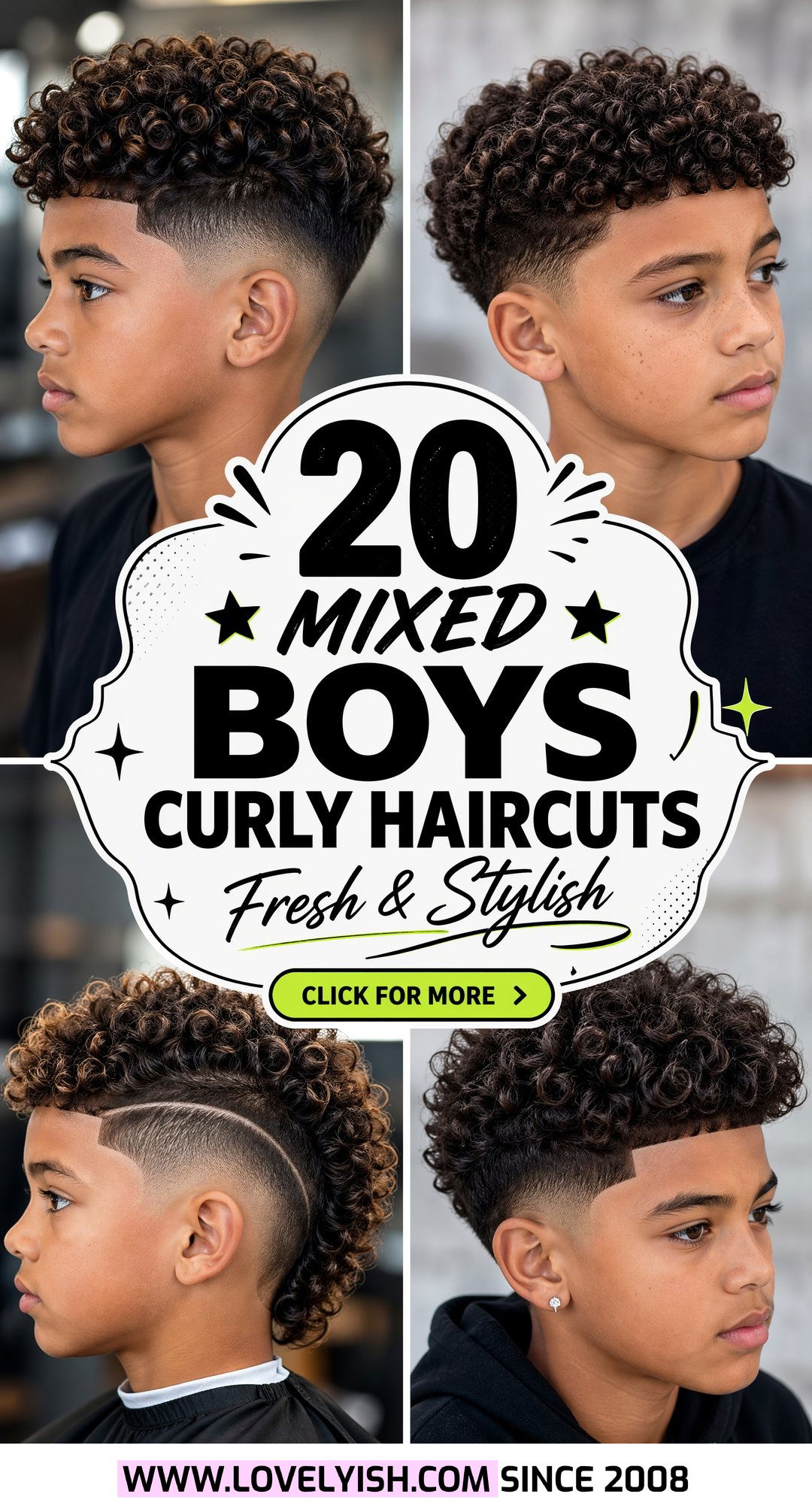
The Low Fade with Natural Curls on Top
This style keeps the sides and back neatly tapered or faded (ranging from a drop fade to a low skin fade), while leaving the curls on top to grow naturally. It provides a sharp, structured look around the ears and neck while celebrating the child's natural curl pattern.
The Classic Sponge Twists or Locs Foundation
For boys whose hair is growing longer or transitioning into protective styles, a uniform low cut or short sponge twist haircut serves as an ideal baseline. Using a curl sponge on shorter hair creates defined, uniform coils that require minimal morning styling.
The Uniform Crop with Defined Edges
A short, all-over even crop is exceptionally practical for active children. By maintaining a uniform length across the top and sides—complemented by a clean line-up along the forehead and temples—this cut minimizes tangling during physical activities and sports.
The Rounded Afro (The Mini Fro)
A classic, rounded silhouette that lets the hair expand naturally outward. This style works best with regular trims to remove split ends and shape the volume evenly around the head, celebrating maximum volume and texture.
| Haircut Style | Maintenance Level | Best Hair Texture | Ideal Face Shape |
|---|---|---|---|
| Low Fade with Curls | Medium | Type 3A to 4B | Oval, Round, Square |
| Short Sponge Twists | Low-Medium | Type 3C to 4C | Round, Diamond |
| Uniform Even Crop | Very Low | Type 3A to 4C | All Shapes |
| Rounded Mini Fro | High | Type 3B to 4B | Oval, Heart |
Step-by-Step Guide to Maintaining Biracial Haircuts at Home
Achieving a great haircut is only half the battle; maintaining the style at home preserves scalp health and keeps curls defined. Implement this daily routine to manage textured hair effectively:
- Hydrate with Water-Based Leave-In Sprays: Never brush or comb biracial hair while it is completely dry, as this causes breakage and painful pulling. Mist the hair lightly with water or a hydrating leave-in conditioner first.
- Detangle from Ends to Roots: Using a wide-tooth comb or a flexible detangling brush, gently work through knots starting at the ends and moving upward toward the scalp.
- Seal in Moisture: Apply a small amount of natural butter or oil (such as argan, jojoba, or shea butter-based creams) to lock hydration into the hair shaft.
- Protect at Night: Encourage your child to sleep on a satin or silk pillowcase, or use a satin bonnet, to prevent friction, frizz, and moisture loss overnight.
Comparing Professional Barbering vs. Home Maintenance
Deciding whether to visit a professional barber or handle upkeep at home depends on the complexity of the cut and your comfort level with grooming tools.
Professional Barbering Advantages: Barbers experienced in textured hair excel at creating precise geometric line-ups, clean skin fades, and even tapers that are difficult to replicate at home. Regular professional visits every 2 to 4 weeks keep fades looking sharp and prevent uneven growth.
Home Upkeep Advantages: Daily washing, moisturizing, and light detangling performed at home save time and financial resources while teaching children healthy self-care habits for their specific hair type. However, attempting complex fades or edge-ups without professional training often leads to uneven results.
Expert Tips for Your Child's Next Barber Visit
Finding a barber who understands multi-ethnic and textured hair is essential. Ask fellow parents for recommendations or search specifically for shops that advertise expertise in textured cuts, line-ups, and fades.
- Communicate Clearly: Bring reference photos showing the exact length you want to maintain on top and the preferred fade height on the sides.
- Prioritize Comfort: Ensure the barber uses clean, sanitized guards and gentle clippers, especially if your child has a sensitive scalp or is prone to razor bumps.
- Respect Natural Growth: Avoid forcing straight-hair styling products or heavy gels onto the hair; instead, opt for water-soluble styling creams that support curl definition without heavy buildup.
Frequently Asked Questions
How often should a biracial boy get his haircut?
Most boys with fades or structured short cuts require a barber visit every 2 to 4 weeks to keep the edges and sides looking clean. If the style is a longer, growing mini-fro or natural curls, trims every 6 to 8 weeks are sufficient to remove split ends.
What products work best for biracial hair curls?
Lightweight leave-in conditioners, curl-defining custards, and natural oils like argan or coconut oil work best. Avoid heavy waxes or alcohol-based gels that dry out textured hair and cause flaking.
How can I prevent razor bumps and irritation after a haircut?
Ensure the barber uses sanitized clippers and asks for a gentle touch around the neckline and temples. Applying a soothing, alcohol-free post-shave balm or natural aloe vera gel immediately after the cut prevents redness and bumps.
Should biracial hair be washed every day?
No, washing textured hair daily strips the scalp of its natural sebum, leading to dryness and breakage. Most children benefit from washing their hair 1 to 2 times per week using a sulfate-free moisturizing shampoo.
How do I manage morning bedhead and tangled curls?
Lightly mist the hair with water mixed with a small amount of leave-in conditioner, use your fingers or a wide-tooth comb to gently separate the tangles, and scrunch the curls back into place.
Conclusion
Choosing the right haircut for a biracial boy in 2026 combines an understanding of unique hair textures with modern styling preferences. By selecting a cut that aligns with your child's lifestyle and maintaining a consistent, moisture-focused home routine, you can keep their hair healthy, manageable, and stylish year-round.
Image Gallery