Does LifeLock Monitor Your Health Insurance? Understanding Medical Identity Protection in 2026
LifeLock provides specialized medical identity monitoring by scanning the dark web and public records for your Social Security number, insurance member ID, and other personal identifiers. While it does not directly access your private...
LifeLock provides specialized medical identity monitoring by scanning the dark web and public records for your Social Security number, insurance member ID, and other personal identifiers. While it does not directly access your private medical records or health portal, it alerts you if your information is used to fraudulently obtain medical services, prescription drugs, or insurance coverage.
Contents
Medical identity theft has become one of the most complex and damaging forms of fraud in 2026. Unlike a stolen credit card, which can be canceled and replaced in days, a corrupted medical record can have life-threatening consequences. If a thief uses your health insurance to receive treatment, their blood type, allergies, or chronic conditions could be merged into your permanent medical file. LifeLock, now integrated deeply into the Norton 360 ecosystem, serves as a primary defense mechanism by monitoring the pathways through which this information is leaked and exploited.
The Mechanics of Medical Identity Theft
To understand how LifeLock monitors health insurance, one must first understand what is being monitored. Medical identity theft occurs when someone steals your personal information—such as your name, Social Security number (SSN), or health insurance member ID—to see a doctor, get prescription drugs, file claims with your insurance provider, or even undergo surgery.
In the current landscape of 2026, healthcare data remains significantly more valuable on the dark web than standard financial data. A single medical record can contain a "fullz" set of data: SSN, date of birth, home address, insurance provider details, and health history. This data allows criminals to create sophisticated "ghost" personas or bypass verification protocols at clinics and pharmacies.
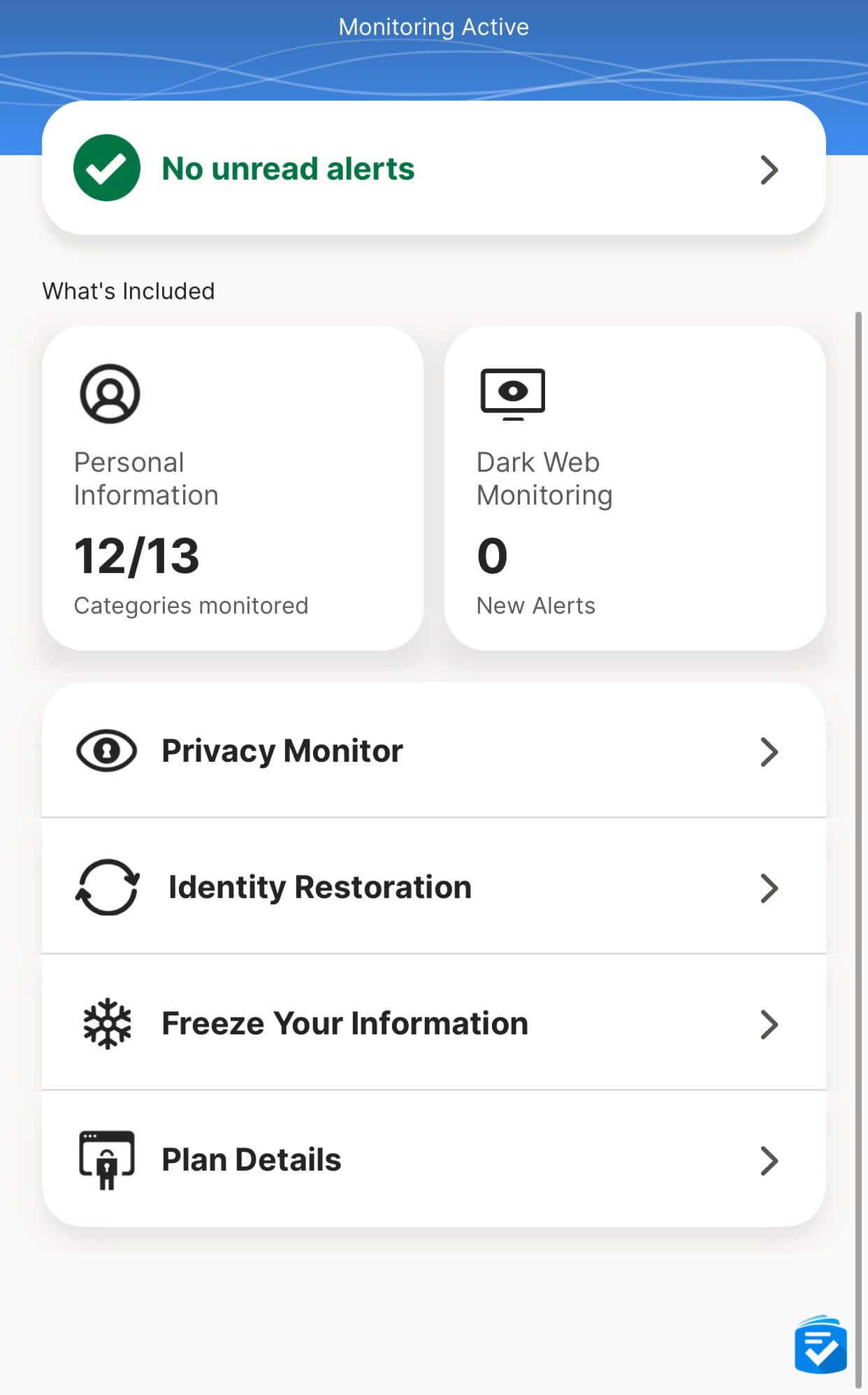
LifeLock addresses this by focusing on the Personally Identifiable Information (PII) that acts as the key to your health insurance. When a healthcare provider’s database is breached, the stolen data often ends up in illicit marketplaces. LifeLock’s monitoring systems are designed to detect when these specific data points appear in places they should not be, providing a window of opportunity for the user to freeze their credit or notify their insurer before a fraudulent claim is fully processed.
How LifeLock Specifically Monitors Health Insurance Data
LifeLock does not have a "backdoor" into your doctor’s office or your health insurance company’s internal claims system. Instead, it monitors the perimeter and the external indicators of identity usage. Here is how the monitoring functions across its primary layers:
Dark Web Monitoring
The dark web is the primary clearinghouse for stolen insurance IDs. LifeLock’s surveillance technology crawls forums and marketplaces where bulk "medical kits" (stolen patient files) are sold. If your health insurance member ID or your SSN is detected in these environments, LifeLock triggers a high-priority alert. This is crucial because it often happens months before a fraudulent claim is actually filed.
Social Security Number Alerts
Since the SSN is the foundational identifier for most health insurance plans in the United States, LifeLock’s SSN & Credit Alerts are a secondary line of defense for medical monitoring. If a thief uses your SSN to open a new health-related account or if a medical provider runs a credit check (common for high-cost elective procedures), LifeLock notifies you of the inquiry.
USPS Address Change Verification
A common tactic for medical identity thieves is to redirect your mail to a different address. By doing this, they can receive your Explanation of Benefits (EOB) statements without you ever seeing them. LifeLock monitors the United States Postal Service (USPS) for address change requests associated with your name, ensuring that your insurance communications continue to reach your physical mailbox.
Medical Provider Inquiries
While more common in the "Ultimate Plus" tier, LifeLock can monitor for instances where your information is used to apply for medical-related credit or services that require identity verification through traditional reporting agencies. This helps catch fraud at the point of service rather than after the treatment has already occurred.
Comparing LifeLock Tiers for Medical Monitoring
Not all LifeLock plans offer the same level of depth regarding health insurance and medical identity protection. As of 2026, the features are tiered to reflect the complexity of the monitoring required.
| Feature | LifeLock Standard | LifeLock Advantage | LifeLock Ultimate Plus |
|---|---|---|---|
| Dark Web Monitoring | Basic PII | Expanded PII | Comprehensive (incl. Insurance ID) |
| SSN & Credit Alerts | One Bureau | One Bureau | Three Bureaus |
| USPS Address Change | No | Yes | Yes |
| Medical ID Monitoring | Limited | Moderate | Full Integration |
| Restoration Services | $25k Coverage | $100k Coverage | $1M Coverage |
| Identity Verification | Basic | Enhanced | Real-Time Alerts |
The LifeLock Ultimate Plus plan is the recommended version for those specifically worried about health insurance fraud. It includes the most robust dark web monitoring, which specifically looks for insurance identifiers, and provides the highest level of insurance coverage ($1 million) to hire lawyers and experts to clear your medical records if they become corrupted.
The Role of the "Explanation of Benefits" (EOB)
One of the most important aspects of health insurance monitoring is the review of the Explanation of Benefits (EOB). While LifeLock monitors the digital world, the EOB is the physical or digital document sent by your insurer explaining what medical services were paid for.
LifeLock encourages users to use their alerts as a trigger to audit their EOBs. If LifeLock sends an alert that your insurance ID was found on the dark web, your next step should be a thorough review of your recent claims history. Look for:
- Doctors you have never visited.
- Treatments for conditions you do not have.
- Prescriptions you did not fill.
- Billing dates that do not align with your schedule.
The synergy between LifeLock's proactive digital monitoring and your manual review of EOBs creates a comprehensive "defense-in-depth" strategy for 2026.
Limitations of LifeLock Health Insurance Monitoring
It is essential to manage expectations regarding what LifeLock can and cannot see. Due to HIPAA (Health Insurance Portability and Accountability Act) regulations, LifeLock does not have access to your private medical records or the specific details of your doctor-patient interactions.
- No Clinical Data Access: LifeLock cannot see your diagnosis, your lab results, or your physician’s notes. It only monitors the identity markers (name, ID number) used to access those records.
- No "In-Network" Fraud Detection: If a fraudulent claim is processed entirely within a hospital's internal system and never triggers a credit inquiry or a public record change, LifeLock may not detect it until the data is sold externally.
- No Medical Record Correction: LifeLock cannot delete a "false" diagnosis from your medical file directly. They provide the restoration experts to help you work with the hospital to fix it, but they do not have the legal authority to edit medical databases.
What to Do If LifeLock Detects a Medical Data Leak
If you receive an alert from LifeLock indicating that your health insurance information has been compromised, the following steps are mandatory to prevent long-term damage:
1. Contact Your Insurance Provider Immediately
Notify your insurance company's fraud department. In 2026, most major insurers have dedicated protocols for identity theft. They may issue you a new member ID number and flag your old one as "stolen."
2. Review Your Medical Records
Contact your primary care physician and any hospitals you frequent. Ask for a copy of your current medical file to ensure no "foreign" medical data (like an incorrect blood type or a surgery you didn't have) has been added.
3. Report the Theft to the FTC
File a report at IdentityTheft.gov. This official government report is often required by insurance companies and medical providers as proof that you are a victim of a crime, which facilitates the process of removing fraudulent charges.
4. Utilize the LifeLock Restoration Team
If you are a LifeLock member, do not try to handle the bureaucracy alone. LifeLock provides access to Identity Restoration Specialists. These professionals understand the specific legal requirements for clearing medical identity theft, which can involve complex interactions with both billing departments and medical records administrators.
Preventive Measures to Supplement Monitoring
While LifeLock provides a high level of security, the "human element" remains a significant vulnerability in health insurance security. To maximize the effectiveness of your monitoring service in 2026, consider these additional habits:
- Protect Your Physical Card: Treat your health insurance card like a credit card. Do not leave it in your car or provide the number over the phone unless you initiated the call to a verified provider.
- Be Wary of "Free" Medical Screenings: In many modern scams, fraudsters offer "free" genetic testing or health screenings at fairs or malls to trick you into providing your insurance ID.
- Shred Medical Documents: Any paperwork containing your insurance ID, including prescription labels and EOBs, should be cross-cut shredded before disposal.
- Use Multi-Factor Authentication (MFA): Ensure your health insurance portal (e.g., UnitedHealthcare, Aetna, Blue Cross) has MFA enabled. This prevents a thief from logging in even if they obtain your password.
Frequently Asked Questions
Does LifeLock protect me from medical billing errors?
No. LifeLock is designed to detect identity fraud, not administrative mistakes. If a doctor’s office accidentally enters the wrong billing code or your insurer denies a legitimate claim, LifeLock will not alert you. These issues must be resolved directly with the provider’s billing department or through an insurance appeal.
Can LifeLock stop someone from using my insurance at a pharmacy?
LifeLock cannot physically stop a transaction at a pharmacy counter in real-time. However, if that pharmacy uses a system that checks for identity verification or if the thief’s activity triggers a dark web alert regarding your stolen ID, LifeLock will notify you after the fact. The "LifeLock Ultimate Plus" plan provides the best chance of early detection.
Is medical identity theft covered under LifeLock’s million-dollar guarantee?
Yes. If you have the Ultimate Plus plan, the Million Dollar Protection Package includes reimbursement for stolen funds and coverage for personal expenses related to identity recovery. This includes the cost of hiring lawyers or specialized investigators needed to correct your medical records and dispute fraudulent medical bills.
Does LifeLock monitor my Medicare or Medicaid ID?
Yes. LifeLock monitors for the use of your Social Security number and name, which are the primary components of government-issued medical IDs. Since Medicare numbers changed years ago to be distinct from SSNs, LifeLock specifically scans for these unique identifiers on the dark web as well.
Will LifeLock notify me if my doctor’s office has a data breach?
If the breach is reported publicly or if the stolen data from that specific breach appears on the dark web, LifeLock will notify you. They also provide a "Data Breach" notification service that alerts you if a company you have interacted with (including healthcare networks) has officially announced a security incident.
Final Recommendation
For individuals concerned about health insurance monitoring in 2026, LifeLock Ultimate Plus remains the gold standard. While no service can provide an absolute "shield" against the medical industry's vast and fragmented data systems, LifeLock provides the necessary surveillance to catch leaks early. The true value lies not just in the alerts, but in the professional restoration services that handle the grueling task of cleaning up a corrupted medical history—a process that can take hundreds of hours for an individual to manage alone.
Image Gallery