Metalweld Inc and the Future of Smart Home Fabrication
Metalweld Inc represents a compelling intersection between traditional industrial metal fabrication and the emerging landscape of automated, digitally integrated residential design. As modern architecture demands higher precision, modu...
Metalweld Inc represents a compelling intersection between traditional industrial metal fabrication and the emerging landscape of automated, digitally integrated residential design. As modern architecture demands higher precision, modular assemblies, and connected building systems, companies operating in this space are transitioning from conventional fabrication methods to smart, data-driven production environments. This shift impacts everything from structural steel components to custom architectural metalwork integrated into residential automation networks.
Contents
The integration of smart technology into fabrication environments addresses a growing demand for customized, high-tolerance components in residential construction. Homeowners and architects increasingly specify complex metal frameworks for open-concept layouts, motorized shading systems, integrated smart-framing, and concealed infrastructure. Metalweld Inc's approach highlights how industrial techniques—such as Computer Numerical Control (CNC) plasma cutting, robotic welding, and Building Information Modeling (BIM)—are scaling down to meet the exact tolerances required by smart home ecosystems. Understanding this evolution requires an examination of the technological prerequisites, operational workflows, and practical implications for modern construction.
The Evolution of Residential Metal Fabrication
Historically, residential metal fabrication relied heavily on manual craftsmanship, localized measurements, and on-site adjustments. Builders sourced standard steel beams, lintels, and decorative ironwork from regional shops, making modifications with handheld torches and arc welders directly on the job site. While effective for traditional construction, this manual model introduces variability that conflicts with the tight tolerances demanded by modern smart homes.
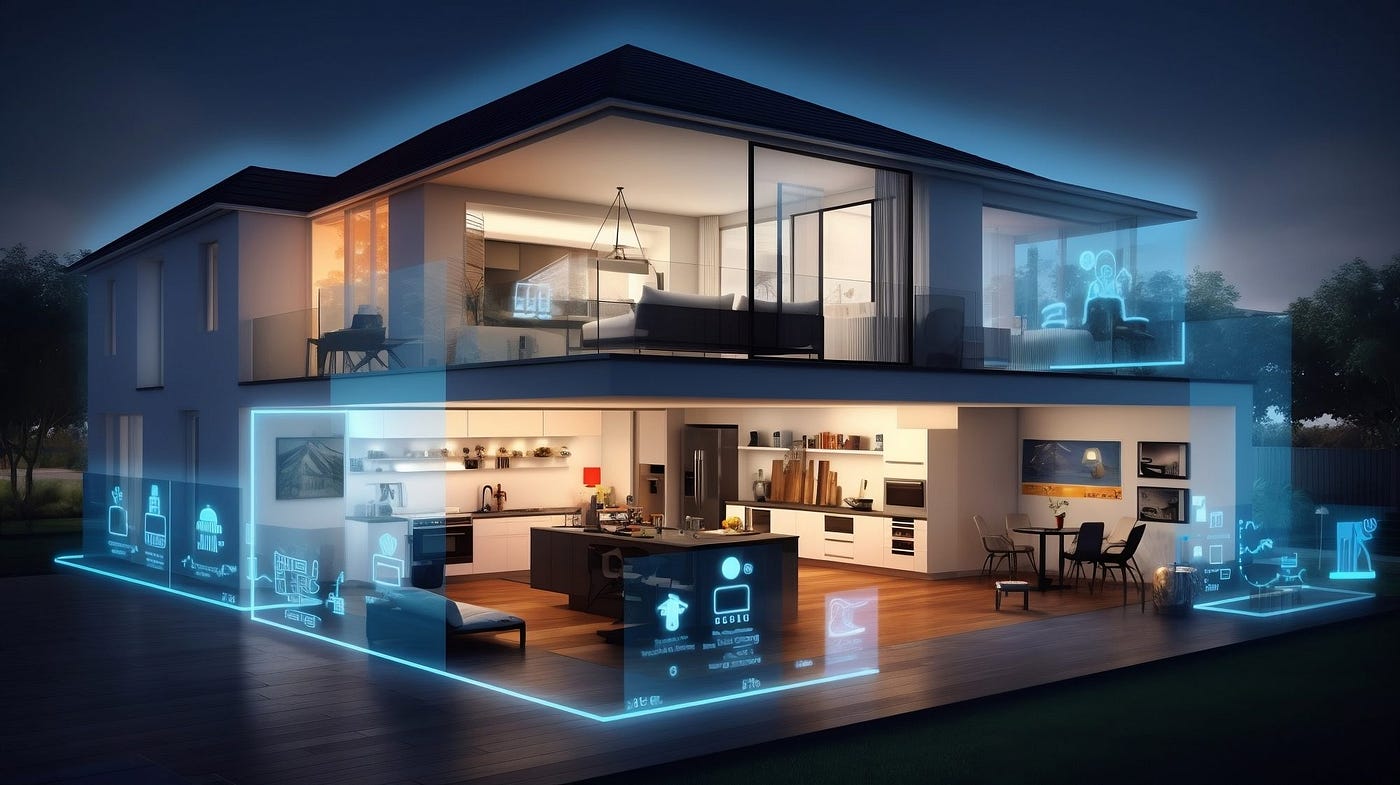
Smart home architecture relies on predictable geometry. Automated systems, motorized glass walls, embedded LED lighting channels, and integrated environmental sensors require millimeter-level precision during the framing and structural phase. A discrepancy of a few millimeters in a steel header can bind a motorized sliding door or misalign a smart facade panel.
To solve this, fabrication facilities have adopted digital workflows. Modern operations utilize 3D laser scanning to capture exact as-built dimensions of a residential site, feeding those point clouds directly into Computer-Aided Design (CAD) and Computer-Aided Manufacturing (CAM) pipelines. This digital thread ensures that every bracket, structural insert, and architectural feature is fabricated off-site with exact precision before being delivered for rapid assembly.
Core Technologies Driving Smart Fabrication
The transformation of shops like Metalweld Inc relies on several advanced manufacturing technologies. These systems bridge the gap between digital architectural models and physical metal components.
CNC Machining and Cutting
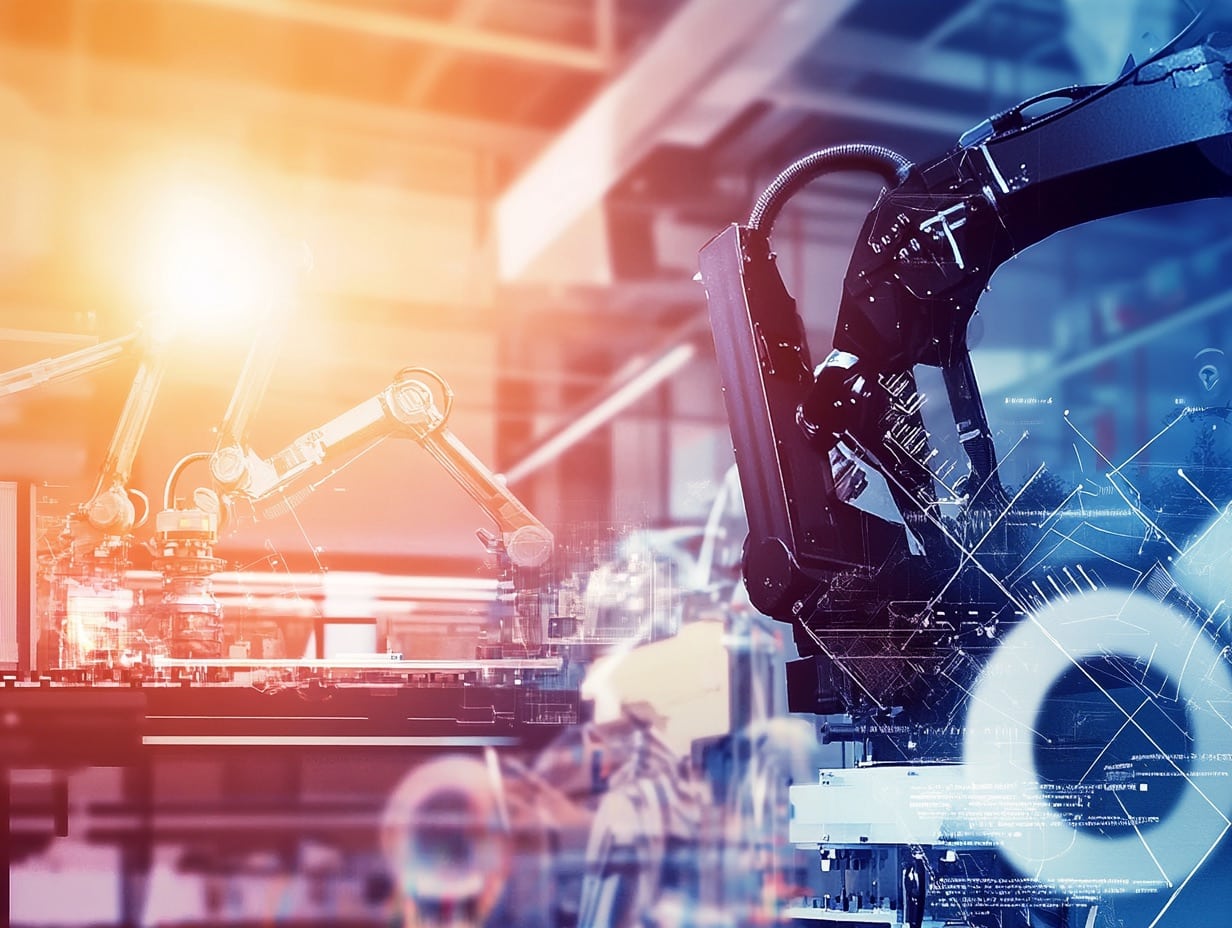
Computer Numerical Control systems automate the cutting, punching, and milling of steel, aluminum, and specialized alloys. Fiber lasers and high-definition plasma cutters achieve clean edges with minimal heat-affected zones, preserving the structural integrity of metals used in visible architectural applications.
Robotic Welding Automation
While manual welding remains essential for complex, one-off geometries, robotic MIG and TIG welding cells handle repetitive structural assemblies with uniform penetration and strength. This ensures that load-bearing brackets and hidden framework elements meet rigorous structural engineering standards consistently.
Building Information Modeling (BIM) Integration
BIM software allows structural engineers, architects, and fabricators to work within a single shared digital model. For smart home fabrication, this means electrical conduits, HVAC pathways, and smart home hub locations can be pre-engineered directly into the steel and metal framing components, reducing on-site drilling and cutting.
Technical Specifications and Material Considerations
Working at the intersection of heavy metalwork and delicate residential electronics requires careful selection of materials and adherence to strict engineering standards. Fabricators must balance structural load requirements with thermal management, corrosion resistance, and aesthetic integration.
| Material | Primary Residential Application | Key Advantages | Operational Limitations |
|---|---|---|---|
| Structural Steel (A992 / A36) | Primary framing, heavy-duty supports, cantilevered elements | High load capacity, predictable engineering behavior | Susceptible to corrosion; heavy weight requires specialized handling |
| Aluminum (6061-T6 / 6063) | Window frames, motorized track systems, architectural facades | Lightweight, excellent corrosion resistance, high strength-to-weight ratio | Lower melting point than steel; requires specialized welding techniques |
| Stainless Steel (304 / 316) | Exposed hardware, marine-environment trim, structural anchors | Superior aesthetics, exceptional corrosion resistance (Grade 316) | Higher material cost; harder to machine and finish |
| Weathering Steel (Cor-Ten) | Exterior accent panels, landscape retaining structures | Self-protecting patina reduces long-term maintenance | Initial runoff can stain surrounding masonry if not properly detailed |
When fabricating components designed to house or interface with smart home technology, thermal expansion becomes a critical factor. Dissimilar metals—such as aluminum framing bolted directly to structural steel—can induce galvanic corrosion if not separated by appropriate dielectric barriers. Smart fabrication processes account for these physical properties during the engineering phase, utilizing pre-drilled isolation gaskets and engineered thermal breaks.
Operational Workflows: From Digital Blueprint to Job Site
The transition from a standard fabrication shop to a smart-fabrication provider involves a structured workflow that prioritizes digital validation before any physical material is cut.
- Digital Intake and Feasibility Review: The architectural team submits 3D BIM files or detailed CAD drawings. Engineers review the designs for structural load compliance, manufacturing feasibility, and integration points for smart infrastructure.
- Parametric Modeling and Nesting: Software optimizes material yield by nesting cut patterns to minimize scrap metal waste. Toolpaths are generated automatically for CNC lasers and punch presses.
- Automated Fabrication and Assembly: Raw stock is loaded into automated handling systems, cut, bent, and routed to robotic or manual welding stations. Quality control checkpoints utilize digital coordinate measuring machines (CMM) to verify dimensions against the master file.
- Surface Treatment and Finishing: Components undergo abrasive blasting, powder coating, or galvanization to meet environmental durability standards. For smart home applications, specialized non-conductive or grounding finishes are applied where electrical integration is required.
- Just-in-Time Logistics and Modular Delivery: Fabricated components are tagged, cataloged, and shipped in sequential order corresponding to the on-site erection schedule, minimizing staging requirements on constrained residential lots.
Advantages and Challenges of Smart Fabrication
Adopting a high-tech fabrication model offers distinct benefits for high-end residential construction, though it also introduces specific operational hurdles.
Advantages
- Precision and Fit: Off-site fabrication eliminates the variance of manual field cutting, ensuring seamless integration with prefabricated smart home systems.
- Reduced Labor Costs: Automation reduces the hours required for manual fabrication and on-site modifications, mitigating skilled labor shortages.
- Faster Erection Times: Modular, pre-engineered metal kits assemble rapidly on-site, shortening the overall construction timeline for custom homes.
- Enhanced Safety: Prefabrication moves hazardous cutting, welding, and heavy lifting operations from uncontrolled residential job sites to controlled industrial environments.
Challenges and Limitations
- High Capital Expenditure: Investing in industrial-grade CNC machinery, robotic welding cells, and advanced software licenses requires significant upfront capital.
- Design Lock-In: Smart fabrication requires design decisions to be finalized much earlier in the project lifecycle. Field changes are significantly more difficult and expensive once CNC programs are executed.
- Logistics Constraints: Large, pre-assembled structural units require specialized transport and crane rigging to navigate residential neighborhoods safely.
Frequently Asked Questions
What role does metal fabrication play in modern smart homes?
Modern smart homes rely on complex architectural designs, motorized systems, and integrated automation hubs that require rigid, highly precise structural support. Metal fabrication provides the hidden framing, custom brackets, and architectural metalwork engineered to exact tolerances, preventing mechanical binding and structural misalignment.
How does CNC technology improve residential metalwork?
Computer Numerical Control (CNC) technology automates cutting, milling, and punching operations based on digital blueprints. This eliminates human error, ensures millimeter-level precision, and allows for complex geometries that would be difficult or impossible to produce manually on a job site.
Can custom metal components be integrated with existing smart home systems?
Yes. During the engineering and Building Information Modeling (BIM) phase, fabricators can incorporate designated channels, conduit pathways, and mounting plates specifically designed to house low-voltage wiring, sensors, and motorized hardware actuators.
What are the cost implications of using advanced metal fabrication for home building?
While upfront engineering and material optimization costs can be higher than traditional stick-built or manual framing methods, advanced fabrication typically reduces on-site labor hours, minimizes material waste, and shortens construction timelines, often resulting in comparable or lower total project costs.
How do fabricators prevent corrosion in structural elements used outdoors?
Fabricators use specialized surface treatments, including hot-dip galvanizing, industrial powder coating, and the selection of corrosion-resistant alloys like Grade 316 stainless steel or weathering steel, depending on the local climate and environmental exposure.
Conclusion and Next Steps
The evolution of operations like Metalweld Inc points toward a future where residential construction approaches the precision and predictability of industrial manufacturing. For architects, builders, and homeowners undertaking complex residential projects, prioritizing digitally integrated fabrication ensures structural integrity, flawless mechanical alignment, and seamless integration with modern smart home technology. To explore this path, stakeholders should engage engineering-focused fabricators early in the design phase, ensuring that digital models are optimized for off-site manufacturing before breaking ground.
Image Gallery