The Role and Strategic Importance of the US Army Presence in Romania
The United States military maintains a strategic presence in Romania primarily through the operation of Mihail Kogălniceanu Air Base and various rotational deployment hubs. These facilities serve as critical nodes for NATO’s eastern fl...
The United States military maintains a strategic presence in Romania primarily through the operation of Mihail Kogălniceanu Air Base and various rotational deployment hubs. These facilities serve as critical nodes for NATO’s eastern flank, facilitating rapid response, regional stability, and joint training exercises in the Black Sea region to support collective defense initiatives.
Contents
Evolution of the US Military Footprint in Romania
The relationship between the United States and Romania regarding military basing is governed by the 2005 Defense Cooperation Agreement. This bilateral accord provided the legal framework for US forces to access Romanian military facilities. Rather than constructing entirely new sovereign US bases, the strategy has focused on "burden sharing," where US personnel utilize and upgrade existing Romanian military infrastructure.
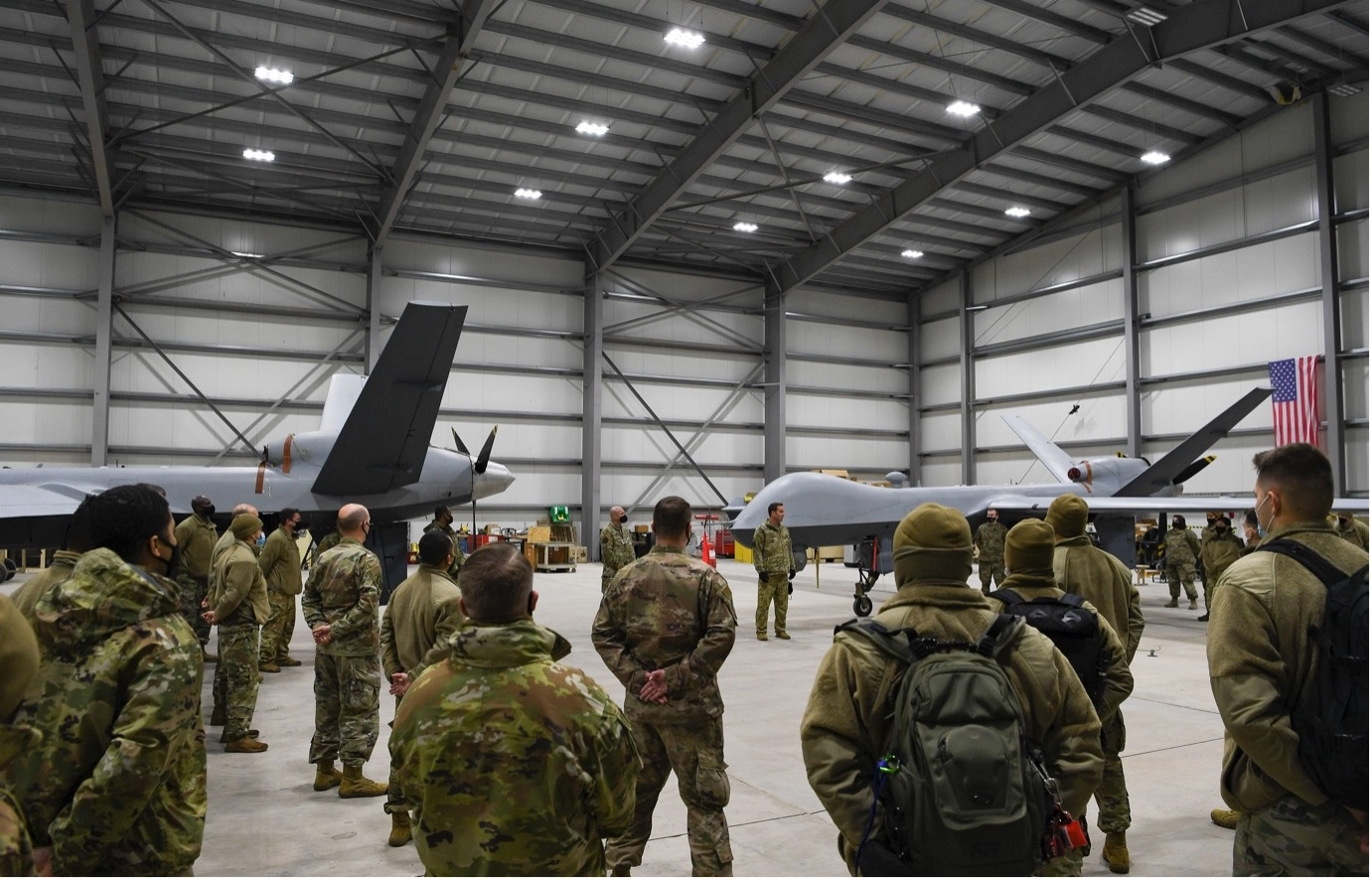
As of 2026, the most prominent facility is the Mihail Kogălniceanu Air Base near Constanța. Initially a Romanian Air Force installation, it has been transformed into a multimodal logistics hub. The base serves as a staging ground for rotational forces, including armored brigades and aviation units. The strategic value of this site has grown significantly following the geopolitical shifts in Eastern Europe starting in 2022, leading to expanded investments in hangar space, fuel storage, and troop housing to accommodate a higher volume of personnel.
Key Strategic Locations and Facilities
While Mihail Kogălniceanu is the primary focal point, the US footprint in Romania includes a network of sites that support diverse military objectives:
- Mihail Kogălniceanu Air Base (MKAB): Functions as the primary hub for logistics, aerial surveillance, and rotational combat forces. It is equipped with advanced refueling capabilities and proximity to the Black Sea, making it a critical point for power projection.
- Deveselu Missile Defense Site: Home to the Aegis Ashore missile defense system. This facility is a core component of the NATO ballistic missile defense architecture, designed to detect and intercept short- to intermediate-range ballistic missiles. It operates under a specific bilateral agreement separate from general rotational forces.
- Cincu Training Range: A major maneuver area utilized by the Romanian Land Forces and NATO multinational battalions. US forces regularly participate in live-fire exercises and large-scale interoperability training here to ensure the readiness of the NATO Battle Group in Romania.
Comparison of Primary Facilities
| Facility | Primary Function | Strategic Role | Operational Nature |
|---|---|---|---|
| Mihail Kogălniceanu | Logistics & Air Operations | Eastern Flank Readiness | Rotational / Expeditionary |
| Deveselu | Ballistic Missile Defense | Collective Security | Static / Specialized |
| Cincu | Maneuver Training | Interoperability | Training / Rotational |
Operational Logistics and Infrastructure Development
The infrastructure at these sites is designed for modularity. Because the forces are largely rotational, the facilities must be capable of scaling operations quickly. This includes the expansion of life-support systems such as modular barracks, specialized dining facilities, and enhanced medical clinics.
In 2026, focus remains on "base resilience." This involves upgrading utility grids, improving cybersecurity protocols at base entry points, and increasing storage capacity for rapid-response fuel and ammunition. These logistical enhancements ensure that if a rapid deployment of additional NATO assets is required, the host nation facilities can support the integration of incoming forces without significant downtime.
Legal and Diplomatic Framework
US personnel stationed in Romania operate under the legal protections and obligations defined by the Status of Forces Agreement (SOFA) and the supplementary agreements tied to the Defense Cooperation Agreement. These documents clarify jurisdiction over personnel, tax exemptions for military equipment, and environmental compliance standards.
One common area of public interest is the interaction between US forces and local host-nation laws. The agreements stipulate that while the US military retains primary jurisdiction over its service members for offenses committed in the performance of official duty, Romanian authorities maintain jurisdiction in other matters. This legal clarity is essential for maintaining the positive bilateral relationship that has characterized the presence since the early 2000s.
Training and Interoperability
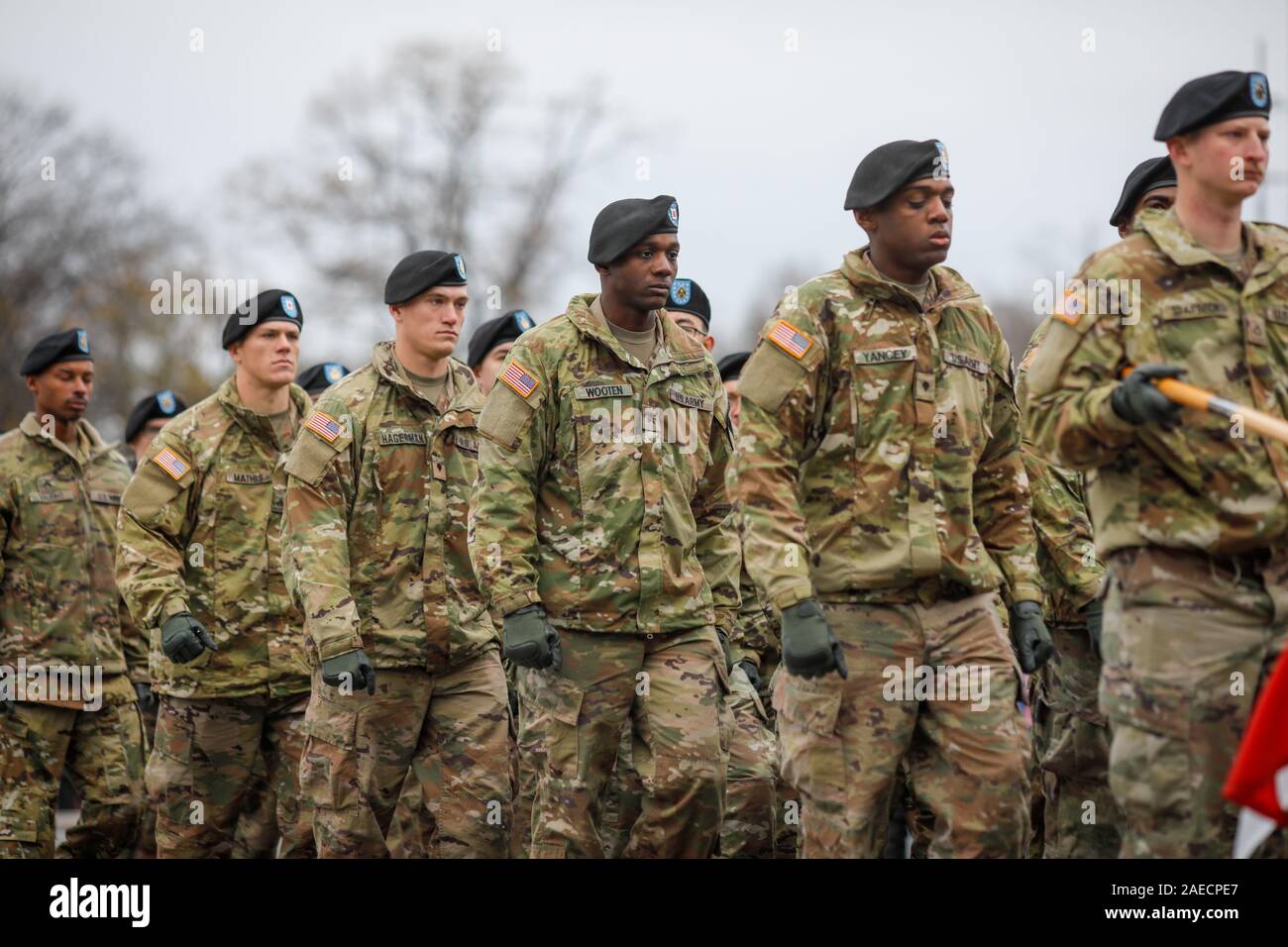
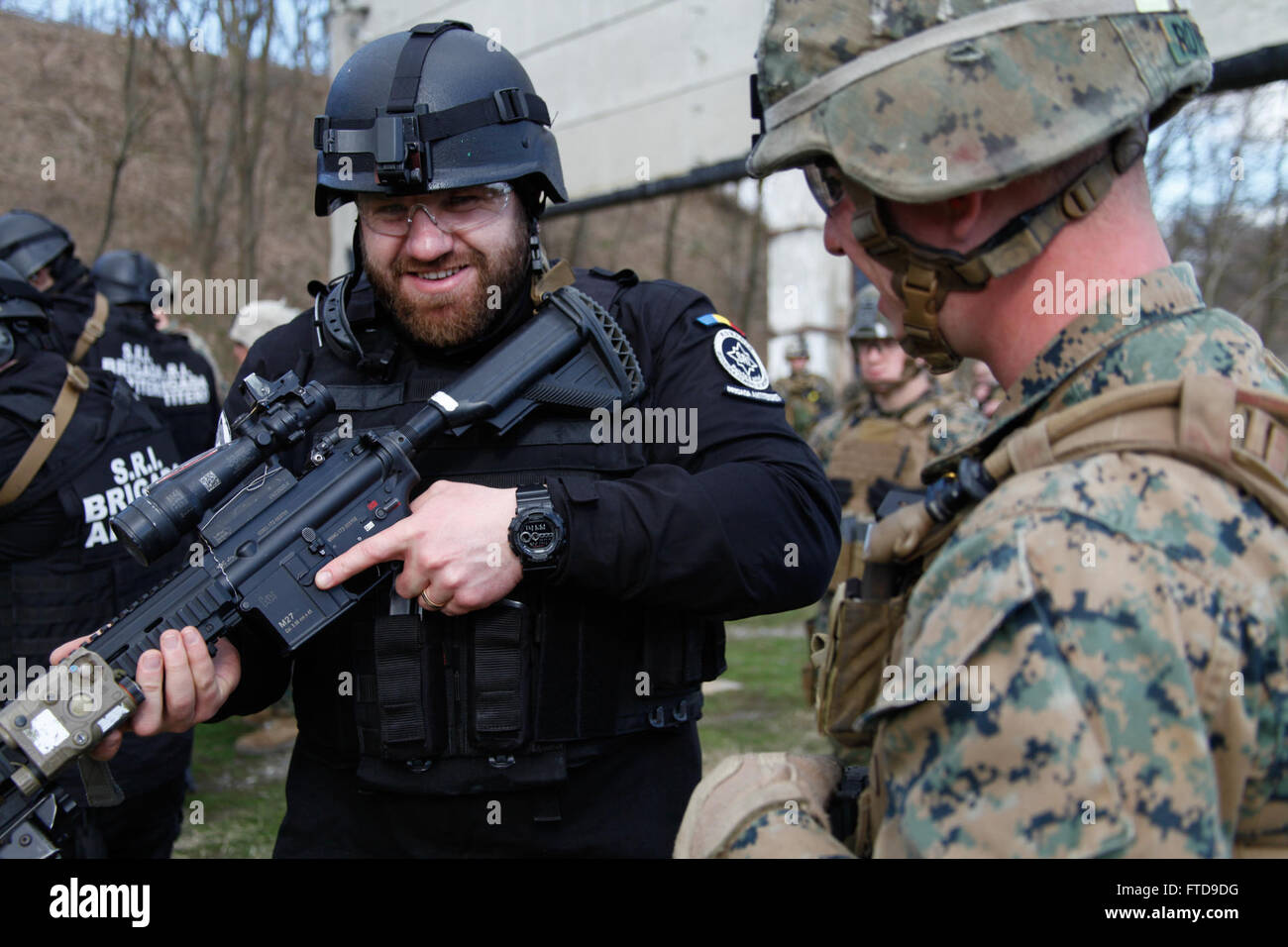
The US Army’s presence is not merely defensive; it is highly collaborative. Joint training exercises are scheduled throughout the year to refine communication protocols between US units and the Romanian Armed Forces. This includes:
- Command and Control Integration: Ensuring that tactical radios and digital command systems are interoperable between the two nations.
- Medical Evacuation Drills: Testing the speed and efficiency of moving casualties from the field to Romanian or US-staffed surgical facilities.
- Logistics Sustainment: Exercising the "Host Nation Support" capability, where Romanian logistics networks provide fuel, transport, and maintenance support to incoming US units.
Frequently Asked Questions
Are US bases in Romania permanent? The facilities, such as Mihail Kogălniceanu, are Romanian-owned installations used by US forces under bilateral agreements. They are not "US bases" in the sense of sovereign US territory, and the personnel assigned to them are typically on a rotational deployment basis rather than a permanent duty station move.
Can civilians visit US military bases in Romania? No. These facilities are restricted military zones. Access is limited to authorized military personnel, civilian contractors, and invited officials. There are no public tours or general access to these areas due to security protocols.
What is the purpose of the Aegis Ashore site in Deveselu? The Aegis Ashore system is a defensive capability intended to protect NATO member states from ballistic missile threats. It does not possess offensive capabilities and is integrated into the broader NATO ballistic missile defense system.
How does the US presence affect the local region? The presence of US troops has led to increased economic activity in the areas surrounding bases, particularly in Constanța. Additionally, the military relationship has fostered local infrastructure upgrades, including road and utility improvements that benefit both the military installations and the surrounding civilian population.
What is the primary role of the US Army in Romania during 2026? The primary role remains deterrence and assurance. By maintaining a credible, ready force, the US supports NATO’s mission of securing the alliance's borders and providing a rapid response capability to potential regional threats.
Next Steps and Further Resources
For those seeking official updates regarding US-Romania military cooperation, information is typically published by the US Department of Defense and the Romanian Ministry of National Defense. These organizations issue periodic press releases regarding the start and completion of major joint exercises or significant infrastructure milestones. For academic or professional research, the NATO official archives provide historical context on the evolution of the Black Sea security architecture and the specific role of Romanian-hosted sites in that strategy.
Image Gallery