How Fast Does It Take to Get Pregnant: Timelines, Expectations, and Biological Factors
Getting pregnant is rarely an instantaneous event, even for couples with optimal reproductive health. While pop culture often depicts conception happening after a single unprotected encounter, medical data demonstrates that the process...
Getting pregnant is rarely an instantaneous event, even for couples with optimal reproductive health. While pop culture often depicts conception happening after a single unprotected encounter, medical data demonstrates that the process requires precise physiological synchronization. Understanding how fast conception occurs involves looking at monthly probabilities, the fertile window, and the broader biological timeline that dictates reproductive success.
Contents
For healthy couples having regular, unprotected intercourse, approximately 30% achieve pregnancy within the first cycle. This number increases to about 75% within six months, and roughly 85% to 90% conceive within one year. Therefore, while some achieve their goal almost immediately, many others require several months of consistent timing before a positive test appears.
The Monthly Window: Understanding Cycle Probability
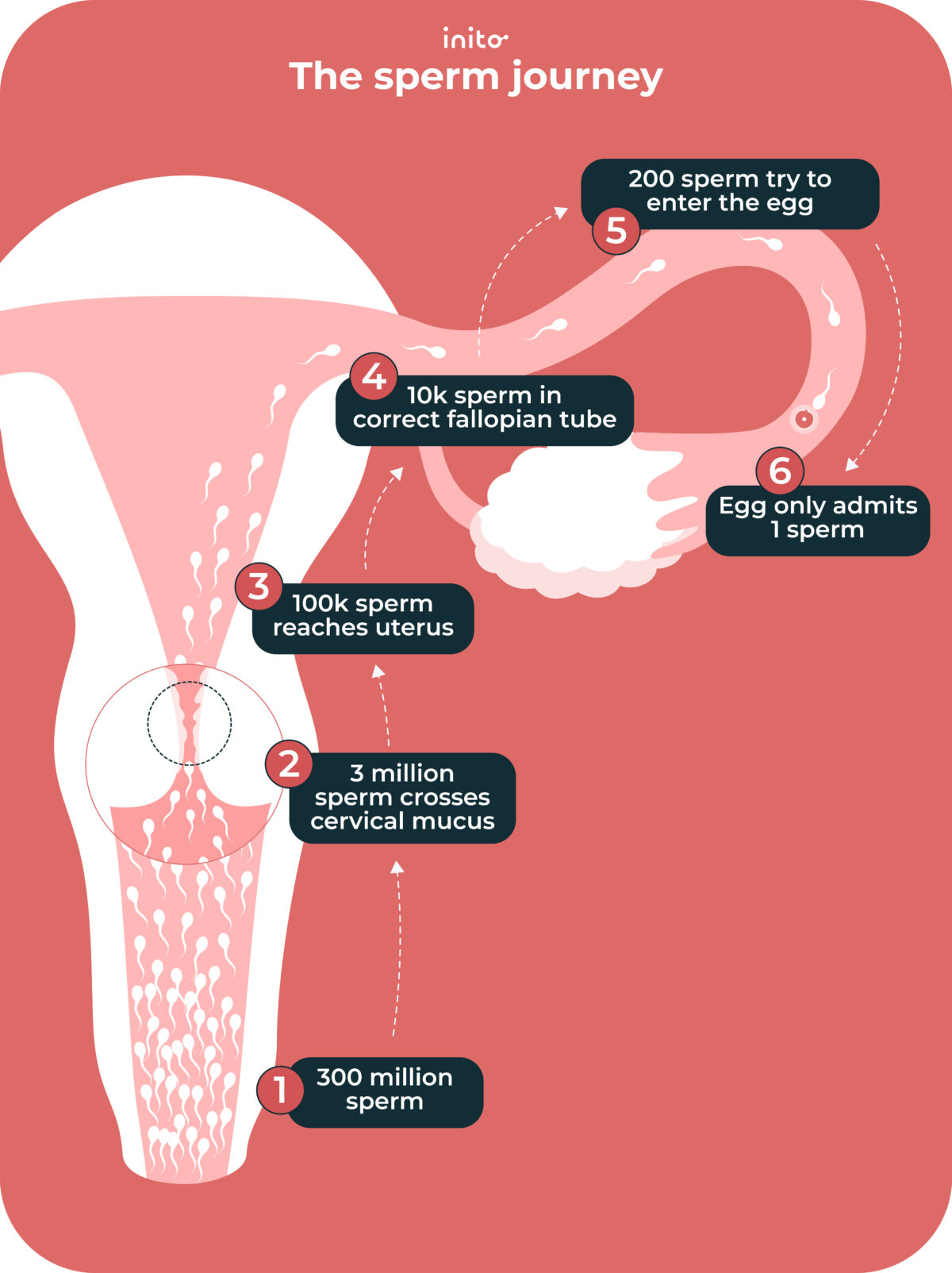
To understand how fast conception happens, it is necessary to examine the mechanics of a single menstrual cycle. Human reproduction operates on a narrow window of opportunity each month. An ovum (egg) survives for only 12 to 24 hours after ovulation. Conversely, sperm can survive inside the female reproductive tract for up to five days under optimal cervical fluid conditions.
Because of these survival windows, the fertile window spans roughly six days: the five days leading up to ovulation and the day of ovulation itself. Having intercourse outside this window yields virtually zero chance of conception.
Even when couples time intercourse perfectly within the fertile window, the per-cycle chance of pregnancy is not 100%. For a healthy woman in her 20s or early 30s, the probability of conceiving during any given single menstrual cycle is roughly 20% to 30%. This statistical reality explains why even highly fertile couples may require multiple cycles to achieve pregnancy.
Cumulative Conception Rates Over Time
| Timeframe | Approximate Cumulative Pregnancy Rate |
|---|---|
| 1 Month (1 Cycle) | 30% |
| 3 Months (3 Cycles) | 50% - 60% |
| 6 Months (6 Cycles) | 75% |
| 12 Months (12 Cycles) | 85% - 90% |
As the table illustrates, half of all couples will conceive within the first three months. However, the remaining half may take anywhere from several more months to over a year. This variability is entirely normal and does not automatically signal an underlying fertility issue.
Biological and Demographic Variables That Affect the Timeline
Several key factors influence how fast a couple can get pregnant. Age is the most prominent biological variable. Female fertility begins a gradual decline in the late 20s, with a more pronounced decline starting around age 35. This occurs because both the quantity and quality of ovarian eggs diminish over time.
For women under 35, medical guidelines generally recommend trying to conceive for 12 months before seeking a fertility evaluation. For women aged 35 to 39, that recommendation drops to six months of trying. For women aged 40 and older, healthcare providers often recommend immediate consultation or evaluation after a very brief period of trying, given the steeper decline in age-related fertility curves.
Male factors also play an equal role in the timeline. Sperm count, motility (movement), and morphology (shape) affect how fast sperm can reach and fertilize an egg. Lifestyle variables such as smoking, excessive alcohol consumption, high heat exposure to the testes, and certain medications can temporarily or permanently impair sperm parameters, lengthening the time it takes to conceive.
Underlying medical conditions can also create hurdles. Disorders like polycystic ovary syndrome (PCOS), endometriosis, thyroid imbalances, and blocked fallopian tubes disrupt ovulation or fertilization. Identifying and treating these conditions often accelerates the path to pregnancy by restoring normal physiological function.
Methods to Track and Optimize the Conception Timeline
Couples looking to minimize the time it takes to get pregnant often utilize various tracking methods to pinpoint ovulation. Randomly timed intercourse can miss the fertile window entirely, making tracking an effective tool for efficiency.
Popular Ovulation Tracking Techniques
- Ovulation Predictor Kits (OPKs): These urine-based tests detect the surge in luteinizing hormone (LH) that occurs 24 to 36 hours before ovulation. A positive OPK indicates that the fertile window is open.
- Basal Body Temperature (BBT): Taking resting body temperature every morning upon waking can confirm that ovulation has occurred, as progesterone causes a slight thermal shift. While it confirms past ovulation rather than predicting future ones, charting BBT helps identify cycle patterns over time.
- Cervical Mucus Monitoring: Hormonal shifts alter the consistency of cervical secretions. As ovulation approaches, mucus becomes clear, stretchy, and slippery—resembling raw egg whites—which facilitates sperm travel.
While these tools provide valuable insight, clinical research suggests that having intercourse every two to three days throughout the entire cycle eliminates the need for obsessive tracking and ensures the fertile window is never missed.
When to Seek Professional Guidance
Recognizing the boundary between normal biological variation and potential infertility is critical. The standard medical definition of infertility is the inability to achieve a clinical pregnancy after 12 months of regular, unprotected intercourse for women under 35, or 6 months for women aged 35 and older.
Couples with known risk factors—such as a history of irregular menstrual cycles, pelvic inflammatory disease, prior pelvic surgeries, known male-factor issues, or diagnosed genetic conditions—should not wait the full year. Consulting a reproductive endocrinologist or OB-GYN early can save valuable time and uncover treatable issues.
Initial fertility evaluations typically involve simple, non-invasive tests:
- Hormone Testing: Blood draws to check ovarian reserve markers (such as Anti-Mullerian Hormone and follicle-stimulating hormone) along with thyroid and prolactin levels.
- Sperm Analysis: A laboratory assessment of a semen sample to evaluate concentration, motility, and structure.
- Imaging: An ultrasound or hysterosalpingogram (HSG) to examine the uterine cavity and ensure the fallopian tubes are open.
Frequently Asked Questions
How fast can you get pregnant after stopping birth control?
Most women can get pregnant as soon as their natural ovulation resumes after stopping hormonal birth control. While combination pills and patches leave the body within days, injectable contraceptives like Depo-Provera can take several months to wear off completely. Once normal cycles return, fertility typically matches a woman's baseline age-specific potential immediately.
Can you get pregnant immediately during your period?
Yes, though the statistical probability is low. Because sperm can survive inside the female reproductive tract for up to five days, having intercourse toward the very end of a short menstrual cycle can result in conception if ovulation occurs early in the subsequent cycle.
Does the position of intercourse affect how fast you conceive?
There is no clinical evidence proving that specific sexual positions accelerate conception or increase the likelihood of pregnancy. Gravity does not significantly impede sperm, as millions of sperm enter the cervical mucus almost instantaneously upon ejaculation. Resting briefly on your back afterward is a matter of personal comfort rather than medical necessity.
How soon after sex can a pregnancy test detect conception?
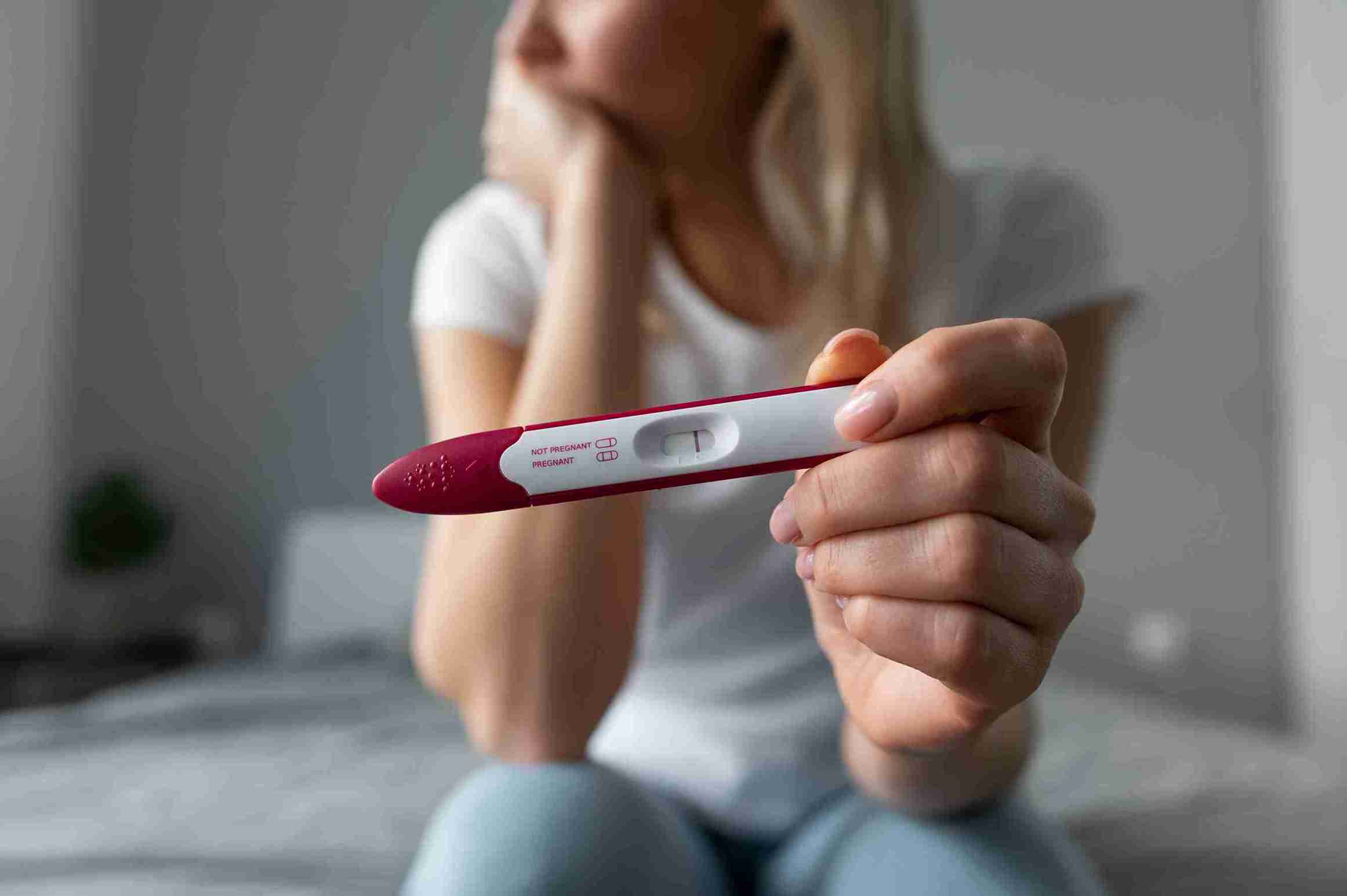
Most over-the-counter pregnancy tests are designed to detect human chorionic gonadotropin (hCG) in urine. Implantation typically occurs 6 to 12 days after ovulation, and the body takes a few more days to build detectable levels of hCG. Testing too early often yields false negatives; waiting until the day of a missed period provides the most accurate result.
What lifestyle changes speed up the time it takes to get pregnant?
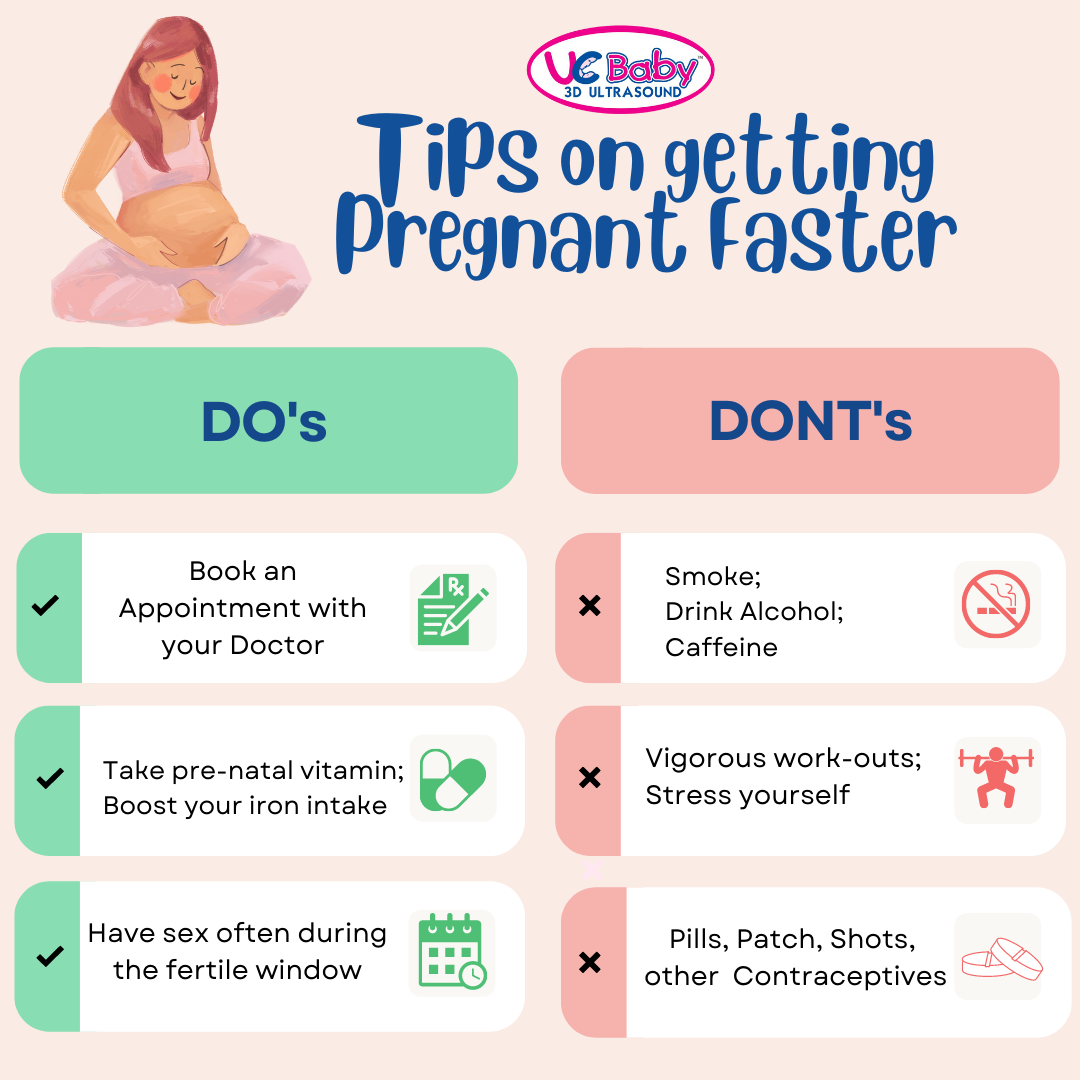
Optimizing general health supports reproductive function. Quitting smoking, limiting alcohol and caffeine intake, maintaining a balanced diet, managing chronic stress, and achieving a healthy body mass index (BMI) can improve both egg and sperm quality, thereby shortening the time required to achieve a successful pregnancy.
Image Gallery