Understanding the Best Whole Life Insurance Estate Protection Plans
Whole life insurance estate protection plans provide a permanent death benefit coupled with a cash value component, functioning as a liquidity tool to cover estate taxes, facilitate the transfer of assets, and provide a guaranteed fina...
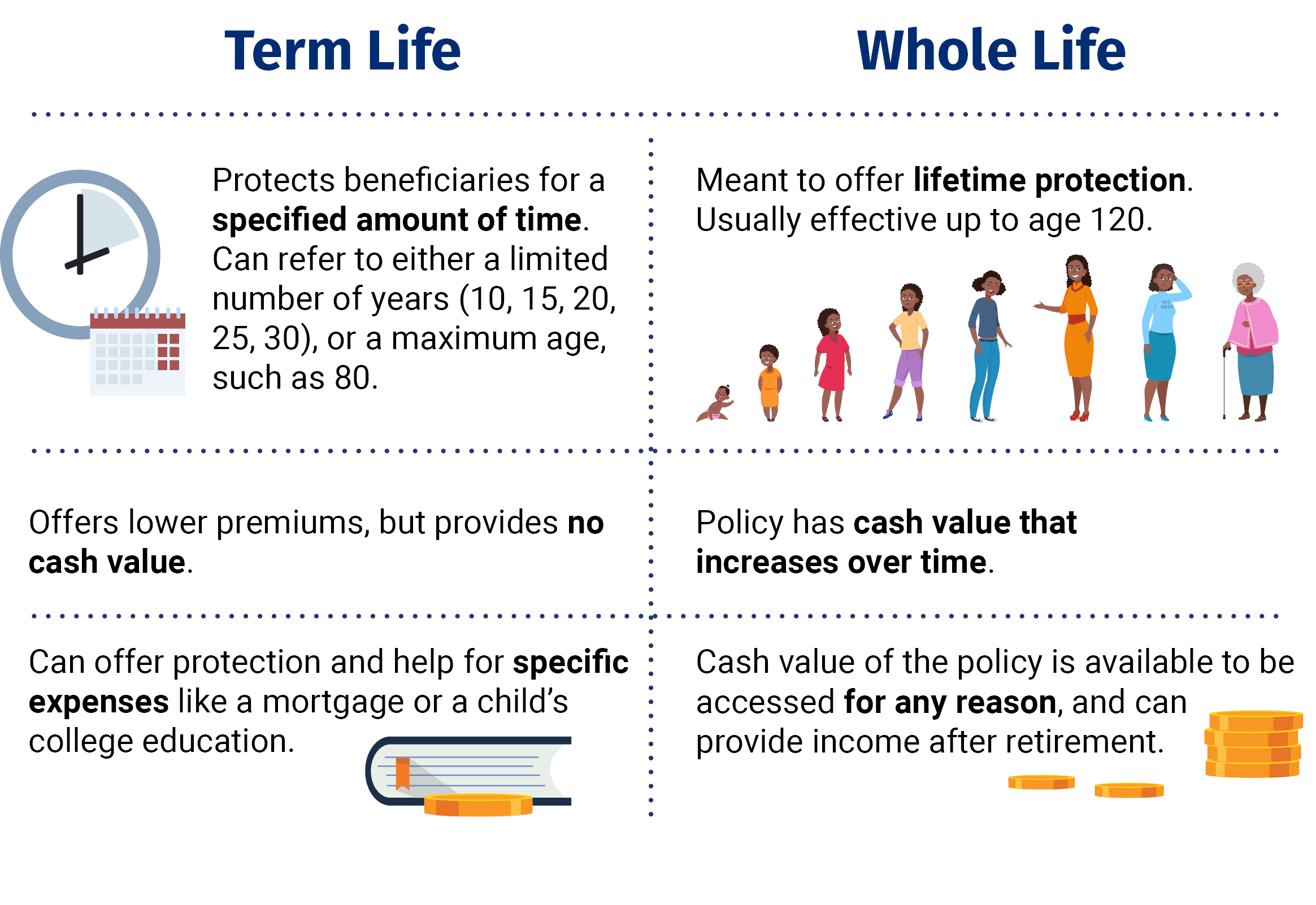
Whole life insurance estate protection plans provide a permanent death benefit coupled with a cash value component, functioning as a liquidity tool to cover estate taxes, facilitate the transfer of assets, and provide a guaranteed financial legacy for heirs. Unlike term insurance, these policies remain in force for the duration of the insured’s life, provided premiums are paid, making them a cornerstone for high-net-worth estate planning.
Contents
The Mechanism of Whole Life Insurance in Estate Planning
At its core, whole life insurance is a type of permanent life insurance that combines a death benefit with an investment-like cash value account. In the context of estate protection, the policy is typically structured to provide immediate cash liquidity upon the death of the insured. This is critical for estates that are "asset-rich but cash-poor"—for example, an estate consisting primarily of real estate, private business equity, or collectibles.
When a high-net-worth individual dies, their estate may trigger significant tax liabilities or administrative expenses that require immediate payment. If the estate lacks the necessary liquid assets to cover these costs, executors may be forced to sell off legacy assets at a discount or during unfavorable market conditions. A well-structured whole life insurance policy provides the liquidity needed to satisfy these obligations, allowing family members to inherit the primary assets intact.
Key Components of Estate Protection Plans
To effectively use whole life insurance for estate protection, you must understand the specific levers available within these policies:
- Guaranteed Death Benefit: This is the primary purpose of the policy. It is income-tax-free under current U.S. federal tax law, provided the policy is not part of a "transfer for value" arrangement.
- Cash Value Accumulation: A portion of each premium payment is directed into a cash value account that grows at a guaranteed rate. This cash value can often be accessed through policy loans, providing a secondary layer of financial flexibility during the insured's life.
- Dividends: Many top-tier carriers are "participating," meaning they issue dividends to policyholders. While not guaranteed, these dividends can be used to increase the death benefit or pay down premium obligations, adding efficiency to the long-term plan.
- Ownership Structure: For estate tax purposes, the policy is often owned by an Irrevocable Life Insurance Trust (ILIT). By having an ILIT own the policy rather than the individual, the death benefit proceeds may be excluded from the insured’s taxable estate, effectively bypassing federal estate tax exposure.
Comparative Analysis: Whole Life vs. Other Permanent Solutions
When selecting an estate protection strategy, it is essential to compare whole life insurance against other permanent alternatives like Universal Life (UL).
| Feature | Whole Life Insurance | Universal Life (UL) |
|---|---|---|
| Premiums | Level and guaranteed | Flexible, but risks underfunding |
| Cash Value Growth | Guaranteed interest rates | Linked to market indexes or interest rates |
| Risk Profile | Low (Contractual guarantees) | Moderate to High (Market performance dependent) |
| Suitability | Conservative, legacy-focused | Dynamic, requires active monitoring |
Whole life insurance is generally preferred by those who prioritize predictability. The guarantees associated with whole life ensure that the estate protection remains intact regardless of market volatility, which is a major advantage for long-term legacy planning where the goal is certainty over maximum investment growth.
Prerequisites and Eligibility
Securing a policy for estate protection is a rigorous process, particularly for large face-amount policies. Carriers require comprehensive financial and medical underwriting:
- Medical Underwriting: You will undergo a paramedical exam. High-value policies often require detailed medical records, including history of chronic conditions and lifestyle factors.
- Financial Underwriting: To purchase a large policy, you must demonstrate an "insurable interest." Carriers will require proof of estate value and potential liquidity needs (e.g., balance sheets, tax returns) to justify the size of the death benefit.
- Trust Documentation: If you intend to use an ILIT to hold the policy, the trust must be drafted by a qualified estate attorney before the policy application is submitted to ensure the structure is legally sound and tax-compliant.
Common Mistakes to Avoid
Estate protection plans are complex, and even minor errors can have significant financial consequences.
- Failing to Coordinate with the ILIT: If the insured individual pays premiums directly on a policy intended for an ILIT, the IRS may consider the policy to be part of the estate, potentially negating the tax benefits. All premium payments should be made via gifts into the trust, which then pays the insurance carrier.
- Ignoring the "Transfer for Value" Rule: If an existing policy is sold or transferred to a third party for valuable consideration, the death benefit may become subject to income tax. Always consult with a tax professional before restructuring ownership of existing policies.
- Underestimating the Death Benefit Requirement: Estate tax laws change, and the cost of living—and by extension, the cost of settling an estate—generally rises over time. Relying on an outdated face amount can leave an estate exposed to future liquidity shortfalls.
Essential Considerations for 2026 and Beyond
As of 2026, individuals planning their estates must account for the current federal estate tax exemption limits. Because these limits are subject to legislative changes, working with an insurance professional who utilizes "stress testing" for your policy is advisable. Stress testing involves modeling how a policy would perform under different dividend scenarios or interest rate environments to ensure the death benefit remains intact even if performance is lower than projected.
Frequently Asked Questions
Does the death benefit from a life insurance policy count toward my federal estate tax? Yes, if the policy is owned personally by the insured. However, if the policy is owned by an properly structured Irrevocable Life Insurance Trust (ILIT), the death benefit is generally excluded from the taxable estate.
Can I change the beneficiary of an estate protection policy? If the policy is owned by an ILIT, the beneficiaries are determined by the terms of the trust document. You cannot simply update the beneficiary on the insurance policy itself; you must amend the trust, which is a significant legal process.
What happens if I cannot pay the premiums on a whole life policy? Whole life policies often have "non-forfeiture" options. If you stop paying, the cash value built up in the policy may be used to keep the policy in force for a reduced amount, or you may be able to convert the policy to a "reduced paid-up" status, which provides a smaller death benefit that lasts for life without further premiums.
Are life insurance dividends guaranteed? No. While many companies have a long history of paying dividends, they are not guaranteed by the policy contract. They depend on the insurer's mortality experience, investment returns, and operational expenses.
How often should I review my estate protection plan? It is recommended to review your plan every three to five years, or whenever there is a significant change in tax laws, personal net worth, or family structure.
Next Steps for Implementation
If you are exploring whole life insurance for estate protection, your first step should be to consult with a team comprising an experienced estate attorney and a licensed insurance advisor. Provide them with a clear summary of your current assets, your estimated tax exposure, and your specific goals for the legacy you wish to leave. Request a "ledger" or illustration from the insurance company that projects the policy’s performance over the next 20 to 30 years, ensuring that you understand the guaranteed vs. non-guaranteed components of the plan. Verify that any proposed ILIT structure is prepared to handle the premium payments in accordance with current IRS guidelines to maintain your intended tax outcomes.
Image Gallery