Finding the Best and Low Price Auto Insurance in Michigan
Securing the best and most affordable auto insurance in Michigan requires balancing the state’s mandatory no-fault requirements with optional coverages that protect your personal assets. Because Michigan historically features some of t...
Securing the best and most affordable auto insurance in Michigan requires balancing the state’s mandatory no-fault requirements with optional coverages that protect your personal assets. Because Michigan historically features some of the highest insurance premiums in the United States, finding the "best" policy involves comparing quotes from multiple carriers while adjusting your Personal Injury Protection (PIP) levels and deductibles to match your budget and financial risk tolerance.
Contents
Understanding Michigan’s Unique No-Fault System
Michigan operates under a distinctive "no-fault" auto insurance system. In this arrangement, your own insurance company pays for your medical expenses and lost wages if you are injured in a crash, regardless of who caused the accident. This is formally known as Personal Injury Protection (PIP).
The legal framework of Michigan auto insurance underwent significant reform in 2020, which continues to dictate current market dynamics in 2026. Prior to these changes, Michigan required unlimited lifetime medical benefits for all drivers. Now, Michigan residents have the legal option to choose their level of PIP coverage. This flexibility is the primary mechanism for finding "low price" premiums.
Drivers may choose from several levels of PIP medical coverage, ranging from a $50,000 limit for those enrolled in Medicaid to the traditional unlimited option. Selecting a lower limit significantly reduces the "PIP premium" portion of your bill, but it transfers the risk of catastrophic medical costs to your personal health insurance or your own assets if your medical needs exceed the policy limit.
Mandatory Coverage Requirements in 2026
To legally operate a vehicle on Michigan roads, every driver must maintain a specific set of coverages. Failing to maintain these will result in the suspension of your vehicle registration and potential fines.
- Personal Injury Protection (PIP): As described above, this covers your medical expenses and lost wages.
- Property Protection Insurance (PPI): This covers damage your vehicle causes to other people's property, such as fences, buildings, or telephone poles. In Michigan, the maximum payout for this is currently capped at $1 million.
- Residual Bodily Injury Liability: This protects you if you are sued for an accident involving death or serious injury. The state-mandated minimums are $250,000 per person and $500,000 per accident, though you can opt for lower limits of $50,000 and $100,000 if you sign a formal waiver.
Variables That Influence Your Insurance Quote
Insurance companies in Michigan use proprietary algorithms to assess risk. While you cannot change your age or driving history overnight, understanding what drives your rate is essential for finding the lowest price.
Driving History and Claims
A clean driving record is the most effective way to lower premiums. Major infractions, such as DUIs or at-fault accidents, typically increase rates for three to five years. Even minor speeding tickets can keep you from qualifying for "preferred" risk tiers, which offer the lowest base rates.
Vehicle Characteristics
The cost to repair or replace your vehicle directly impacts your premiums. High-performance vehicles, luxury brands with expensive sensors, and cars with high theft rates will command higher comprehensive and collision insurance premiums. If you are looking to lower costs, choosing a vehicle with a high safety rating and moderate repair costs is a practical strategy.
Credit-Based Insurance Scores
In Michigan, insurers are legally permitted to use credit-based insurance scores to calculate premiums. Statistically, carriers associate higher credit scores with lower risk. Regularly checking your credit report for errors and maintaining a low debt-to-income ratio can indirectly help you secure better insurance pricing over time.
Zip Code and Garaging Location
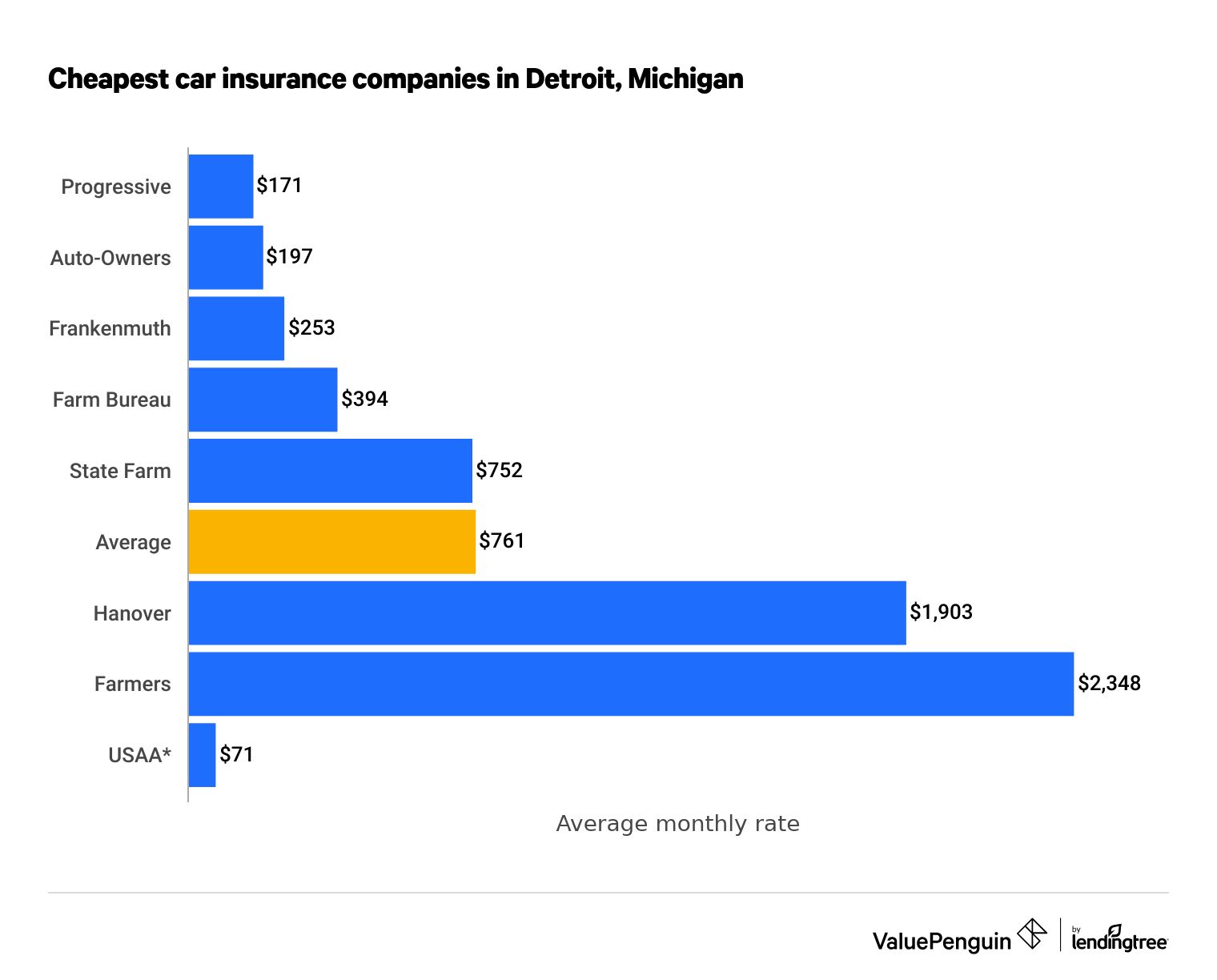
Where you park your car at night significantly affects your quote. Urban centers, such as Detroit, typically have higher premiums than rural areas due to higher densities of traffic, incidents of vehicle theft, and uninsured motorist claims. Insurers factor in the localized risk of the area where the vehicle is "garaged."
Strategies for Reducing Your Premium
Lowering your insurance costs without sacrificing essential protection requires a deliberate, step-by-step approach.
- Adjust Your PIP Choice: If you have high-quality private health insurance that covers auto accidents, selecting a lower PIP limit or opting out of PIP (if eligible) can substantially reduce costs. Always consult your health insurance plan documents to confirm they provide primary coverage for auto-related injuries.
- Increase Deductibles: Choosing a higher deductible for comprehensive and collision coverage—such as raising it from $500 to $1,000—will lower your monthly premium. Ensure you have the savings set aside to cover this deductible in the event of a claim.
- Bundle Policies: Most major carriers offer significant discounts if you "bundle" your auto policy with your homeowners or renters insurance.
- Shop Periodically: Insurance rates are not static. It is advisable to request new quotes every 12 months, or whenever you experience a major life event, such as a move, a change in vehicle, or the addition of a new driver to your household.
Comparison Table: Coverage vs. Cost Trade-offs
| Feature | Low Cost Strategy | High Protection Strategy |
|---|---|---|
| PIP Coverage | Low limit / Medicaid qualified | Unlimited medical benefits |
| Deductibles | $1,000+ | $250 – $500 |
| Liability Limits | State minimums | $500,000 or higher (plus umbrella) |
| Add-ons | Basic collision only | Rental reimbursement, gap coverage |
Frequently Asked Questions
Is it legal to have "low price" insurance that only meets the state minimum?
Yes, you can legally carry only the state-mandated minimums. However, this leaves you personally liable for damages that exceed your policy limits. If you cause a severe accident, a minimum-coverage policy may not protect your personal savings or property from legal judgment.
Does Michigan still require unlimited PIP for all drivers?
No. Since the 2020 reform, drivers have been allowed to choose their level of PIP medical coverage. This choice is made at the time of policy purchase or renewal.
How do I verify if an insurance company is licensed in Michigan?
You can verify the status of any insurance provider by consulting the Michigan Department of Insurance and Financial Services (DIFS). They maintain a list of all licensed companies authorized to sell insurance within the state.
Can I get a discount for completing a defensive driving course?
Many Michigan insurers offer discounts for completion of approved defensive driving or accident prevention courses. Check with your specific carrier during the quoting process to see if they honor these certificates.
Why are insurance rates in Michigan higher than in other states?
Michigan's premiums are influenced by a combination of the state's specific "no-fault" regulations, the historical cost of the Michigan Catastrophic Claims Association (MCCA) assessments, and high medical care costs associated with injury claims.
Next Actions for Consumers
To secure the best and most affordable insurance in 2026, take these three steps:
- Gather Declarations Pages: Collect your current policy documents. You need to know your current coverage levels to make an "apples-to-apples" comparison.
- Request Multiple Quotes: Use the websites of at least three different major carriers or contact an independent insurance agent who can provide quotes from multiple companies simultaneously.
- Evaluate the "Why" behind the Price: If one quote is drastically lower, compare the coverage levels line-by-line. Ensure the lower price isn't the result of reduced liability limits or the removal of essential collision coverage that you actually need.
Image Gallery