Minnesota Speed Cameras: Legal Landscape, Enforcement Rules, and What Drivers Must Know in 2026
Note: This article focuses strictly on automated speed enforcement, red-light camera statutes, and traffic safety laws within the state of Minnesota for the year 2026. Navigating traffic laws in the North Star State requires an underst...
Note: This article focuses strictly on automated speed enforcement, red-light camera statutes, and traffic safety laws within the state of Minnesota for the year 2026.
Contents
Navigating traffic laws in the North Star State requires an understanding of how automated enforcement functions. Unlike jurisdictions in other states that rely heavily on automated camera systems to issue speeding tickets, Minnesota maintains a unique legal stance regarding speed cameras and red-light monitoring equipment. As traffic management technology evolves, understanding the precise statutory boundaries, current legislative proposals, and enforcement realities is essential for every motorist operating on Minnesota highways, county roads, and municipal streets.
The Legal Status of Automated Speed Cameras in Minnesota
The fundamental framework governing automated traffic enforcement in Minnesota is rooted in state statute rather than local municipal code. Currently, Minnesota state law does not explicitly authorize the widespread deployment of automated speed cameras or red-light cameras for issuing moving violations directly to vehicle owners.
While certain cities and local departments periodically lobby the state legislature for pilot programs, the statutory hurdles remain significant. Law enforcement agencies in Minnesota generally must rely on traditional enforcement methods. This means a certified peace officer must personally observe a traffic violation, pull the vehicle over, and issue a citation directly to the driver. Automated cameras that capture license plate images cannot automatically generate a binding, point-assessing traffic ticket without statutory authorization that links the registered owner to the driver at the exact moment of the infraction.
Statutory Preemption and Local Control Municipalities in Minnesota, including Minneapolis, St. Paul, Rochester, and Duluth, operate under strict Dillon's Rule principles or specific state home-rule charters. Local city councils cannot unilaterally implement automated speed enforcement networks without explicit enabling legislation passed by the Minnesota Legislature and signed by the governor. Consequently, any automated camera systems currently observed on Minnesota roadways serve restricted operational functions rather than automated ticketing.
Where and Why Traffic Monitoring Technology Is Used
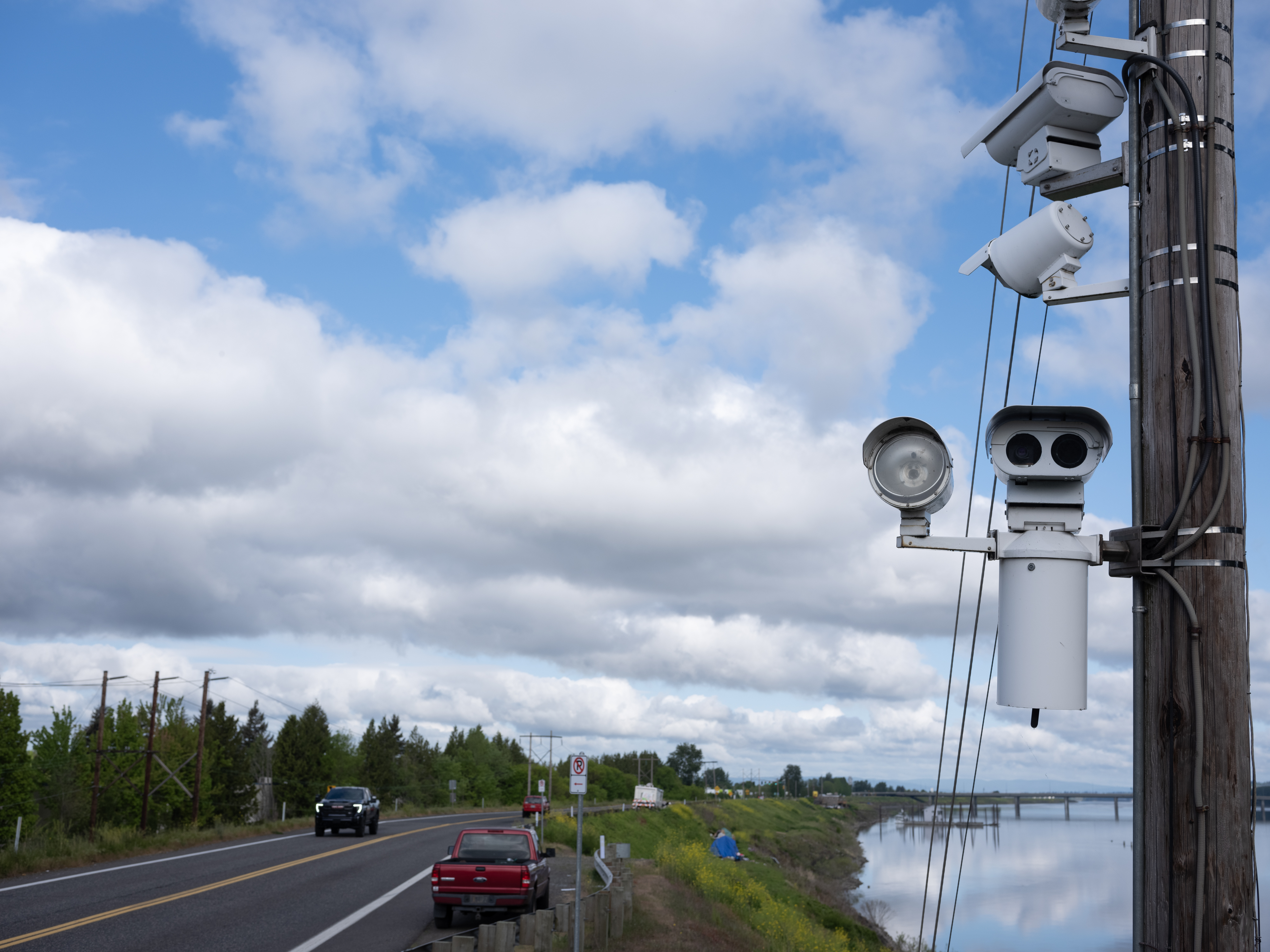
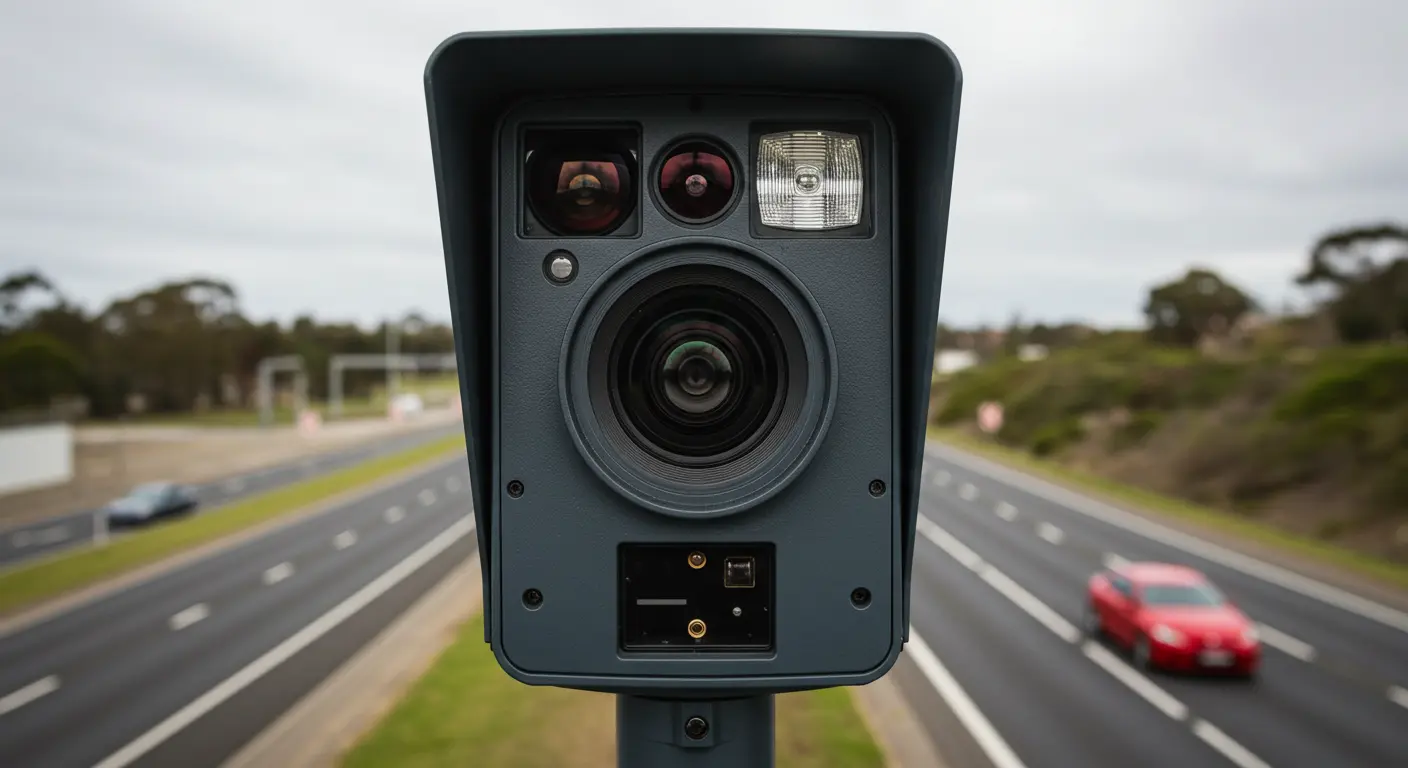
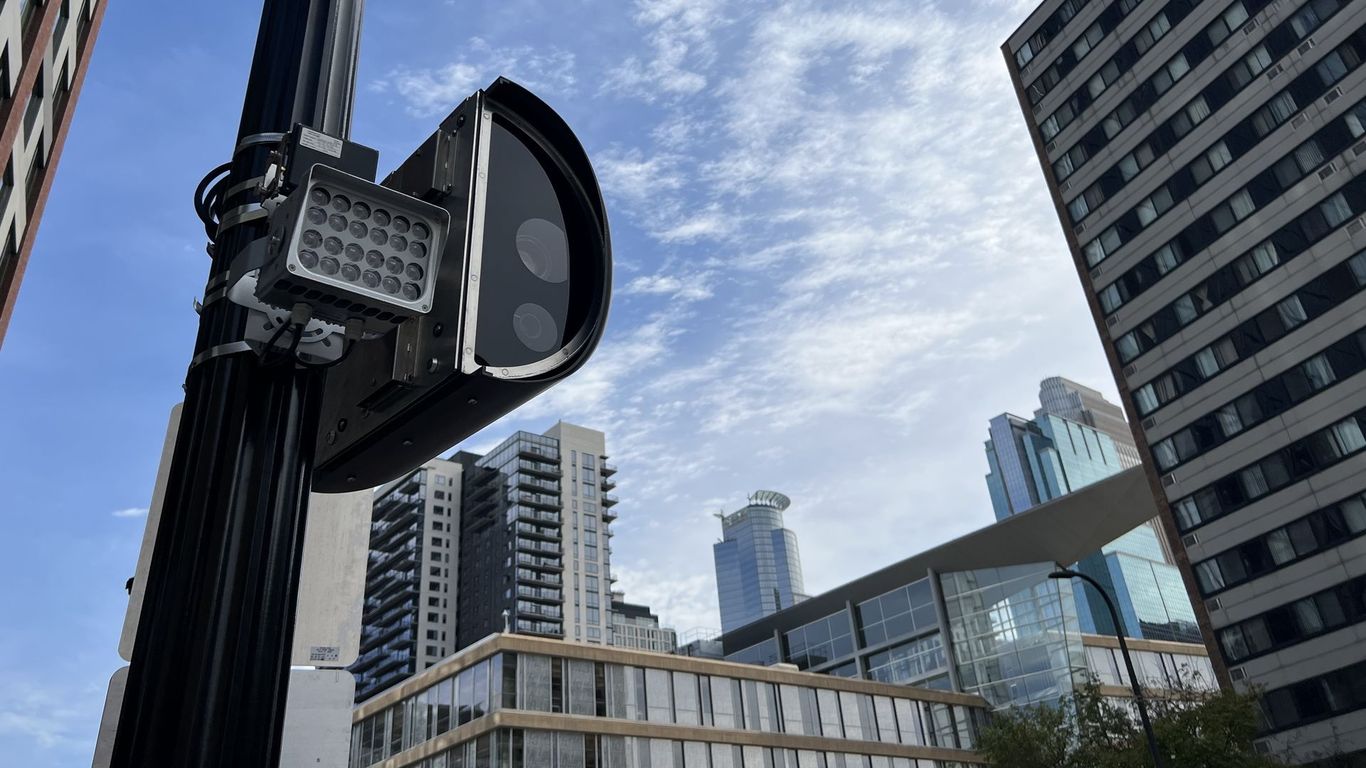
Even though automated ticketing cameras are largely restricted, technology plays a major role in traffic management across Minnesota Department of Transportation (MnDOT) corridors. Motorists frequently encounter various camera setups mounted on overhead gantries and signal poles. It is vital to distinguish between punitive enforcement equipment and informational or traffic-flow management devices.
- Closed-Circuit Television (CCTV) Cameras: MnDOT operates hundreds of pan-tilt-zoom cameras along major freeways like I-35W, I-94, and I-494. These devices allow traffic operators to monitor congestion, accidents, and weather conditions in real-time. They do not record continuous speed data for ticketing purposes.
- Automatic License Plate Readers (ALPRs): Deployed by the Minnesota State Patrol and local sheriff's offices, ALPRs scan passing license plates to check against databases for stolen vehicles, amber alerts, or active warrants. While they capture vehicle data, they are not calibrated speed-measuring devices used for issuing speeding citations.
- Active Traffic Management (ATM) Systems: Overhead electronic boards display variable speed limits based on real-time traffic density and weather hazards. While these speed limits are legally enforceable when activated, compliance is monitored by traditional state troopers rather than embedded speed cameras.
Comparison of Enforcement Methods in Minnesota
To clarify how Minnesota handles traffic violations compared to automated states, the following breakdown contrasts traditional methods with the theoretical automated models often debated in legislative sessions.
| Enforcement Feature | Traditional Officer Enforcement (Current Minnesota Standard) | Automated Speed Camera Systems (Restricted / Prohibited) |
|---|---|---|
| Legal Authorization | Fully authorized under Minnesota Statutes Chapter 169. | Requires explicit state enabling legislation; currently unauthorized for moving violations. |
| Driver Identification | Officer must verify the physical identity of the driver operating the vehicle. | Typically relies on registered owner liability, creating legal challenges regarding due process. |
| Point Assessment | Convictions result in driver's license points managed by the Minnesota Department of Public Safety (DPS). | Often handled as civil administrative fees rather than moving violations to bypass constitutional hurdles. |
| Primary Objective | Direct deterrence, immediate safety intervention, and educational interaction. | Revenue generation, 24/7 continuous monitoring, and broad-scale data collection. |
Legislative Trends and Safety Debates Heading Into 2026
The conversation surrounding automated traffic enforcement in Minnesota centers on the ongoing tension between public safety initiatives and civil liberties. Proponents of automated speed enforcement, often aligned with Vision Zero traffic safety coalitions, argue that cameras can dramatically reduce severe crashes on high-risk urban corridors, such as portions of Hennepin Avenue in Minneapolis or Lake Street. They point to data showing speed as a primary multiplier of crash severity.
Conversely, civil liberties organizations, including the American Civil Liberties Union (ACLU) of Minnesota, consistently oppose automated cameras. Their arguments focus on several core concerns:
- Constitutional Due Process: The difficulty of proving who was driving the vehicle at the exact timestamp of the photo.
- Data Privacy: The collection, retention, and potential sharing of vast amounts of location and photographic data belonging to private citizens.
- Disparate Impact: Studies from other states suggest automated cameras are frequently placed in lower-income neighborhoods, potentially resulting in regressive financial burdens on vulnerable populations.
Practical Guide: Responding to Traffic Enforcement in Minnesota
Drivers operating vehicles in Minnesota must adhere strictly to standard rules of the road. Because automated speed cameras do not issue mail-in tickets in the state, encountering a flash or sensor loop on a MnDOT gantry does not mean a citation is inbound. However, drivers should follow these practical steps to maintain compliance and avoid penalties:
- Understand State Speed Limits: Unless otherwise posted, statutory speed limits in Minnesota are 30 mph in urban districts, 55 mph on other roads, and up to 70 mph on designated rural interstate highways.
- Respond Properly to Officer Stops: If pulled over by a Minnesota State Trooper, County Deputy, or Local Police Officer, keep hands visible on the steering wheel, provide a valid driver's license, proof of insurance, and vehicle registration upon request.
- Contesting Citations: If issued a traditional traffic citation, drivers have the constitutional right to contest the ticket in the local district court of the county where the alleged infraction occurred. Working with a qualified traffic defense attorney can help evaluate calibration logs of the officer's radar or lidar equipment.
Frequently Asked Questions About Minnesota Speed Monitoring
Can I get a speeding ticket in the mail from a camera in Minnesota?
No. Minnesota law does not currently permit automated speed cameras to issue enforceable moving violation tickets to vehicle owners through the mail.
Are red-light cameras legal in Minneapolis or St. Paul?
No. Municipalities across Minnesota are prohibited from utilizing automated red-light enforcement cameras to fine motorists running traffic signals.
What are the overhead cameras on Minnesota highways used for?
The cameras mounted on highway poles and bridges are managed by MnDOT for traffic flow monitoring, incident management, and weather tracking, not for speed enforcement.
Can automated license plate readers (ALPRs) issue me a speeding ticket?
No. ALPR systems deployed by law enforcement scan license plates exclusively to identify stolen vehicles, missing persons, or outstanding warrants, not to calculate vehicle speed.
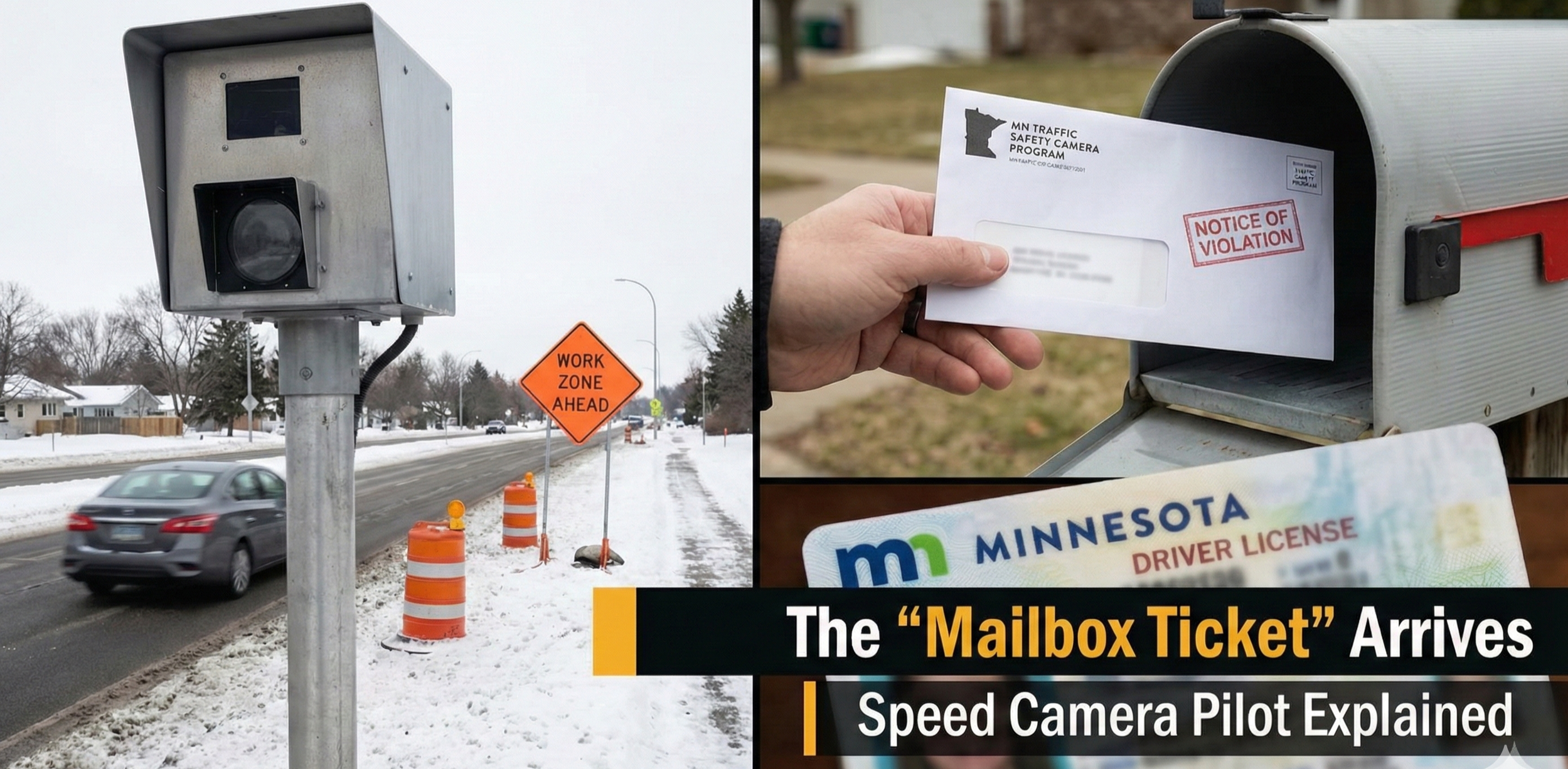
What should I do if I receive a fraudulent "speed camera ticket" in the mail?
If you receive a notice resembling a traffic citation from a private company claiming you were caught on a speed camera in Minnesota, review it carefully; it is likely a scam or a deceptive civil notice with no legal backing from the state courts.
How does Minnesota enforce work zone speed limits?
Work zone speed limits are strictly enforced by the Minnesota State Patrol, often utilizing stationary radar and dedicated troopers stationed within construction corridors rather than automated camera pods.
Ensuring Compliance on Minnesota Roadways
Staying informed on Minnesota traffic statutes protects you from unnecessary fines and ensures absolute safety on the road. Always prioritize defensive driving, respect posted speed limits, and remain aware of local legislative updates regarding traffic technology. For personalized legal counsel regarding a specific traffic citation or to review active municipal statutes, consult a licensed attorney practicing within the Minnesota judicial system.
Image Gallery