How to Choose Cost Effective Wind Energy
To choose cost-effective wind energy, you must prioritize a professional wind resource assessment to ensure average speeds exceed 10–12 mph, calculate the Levelized Cost of Energy (LCOE) for specific hardware, and maximize available fe...
To choose cost-effective wind energy, you must prioritize a professional wind resource assessment to ensure average speeds exceed 10–12 mph, calculate the Levelized Cost of Energy (LCOE) for specific hardware, and maximize available federal tax credits. Selecting high-efficiency turbines with low cut-in speeds ensures maximum uptime and a faster return on investment.
Contents
Transitioning to wind power in 2026 requires more than simply purchasing a turbine; it involves a strategic evaluation of site-specific aerodynamics, financial incentives, and long-term operational costs. Whether you are a homeowner looking for a small-scale installation or a business manager exploring Power Purchase Agreements (PPAs), cost-effectiveness is defined by the total cost per kilowatt-hour (kWh) generated over the system's 20-to-25-year lifespan.
Understanding the Economics of Wind Energy in 2026
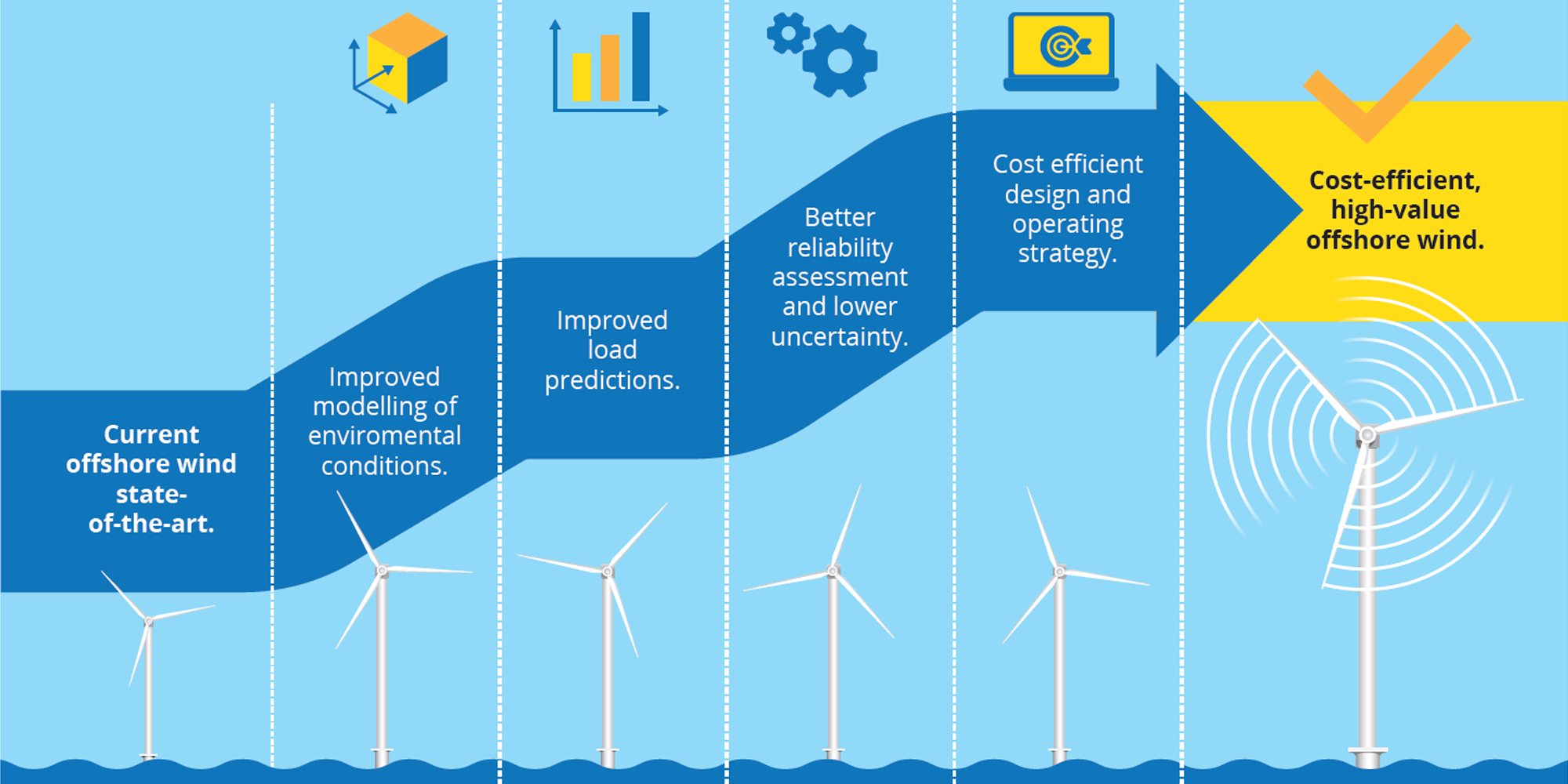
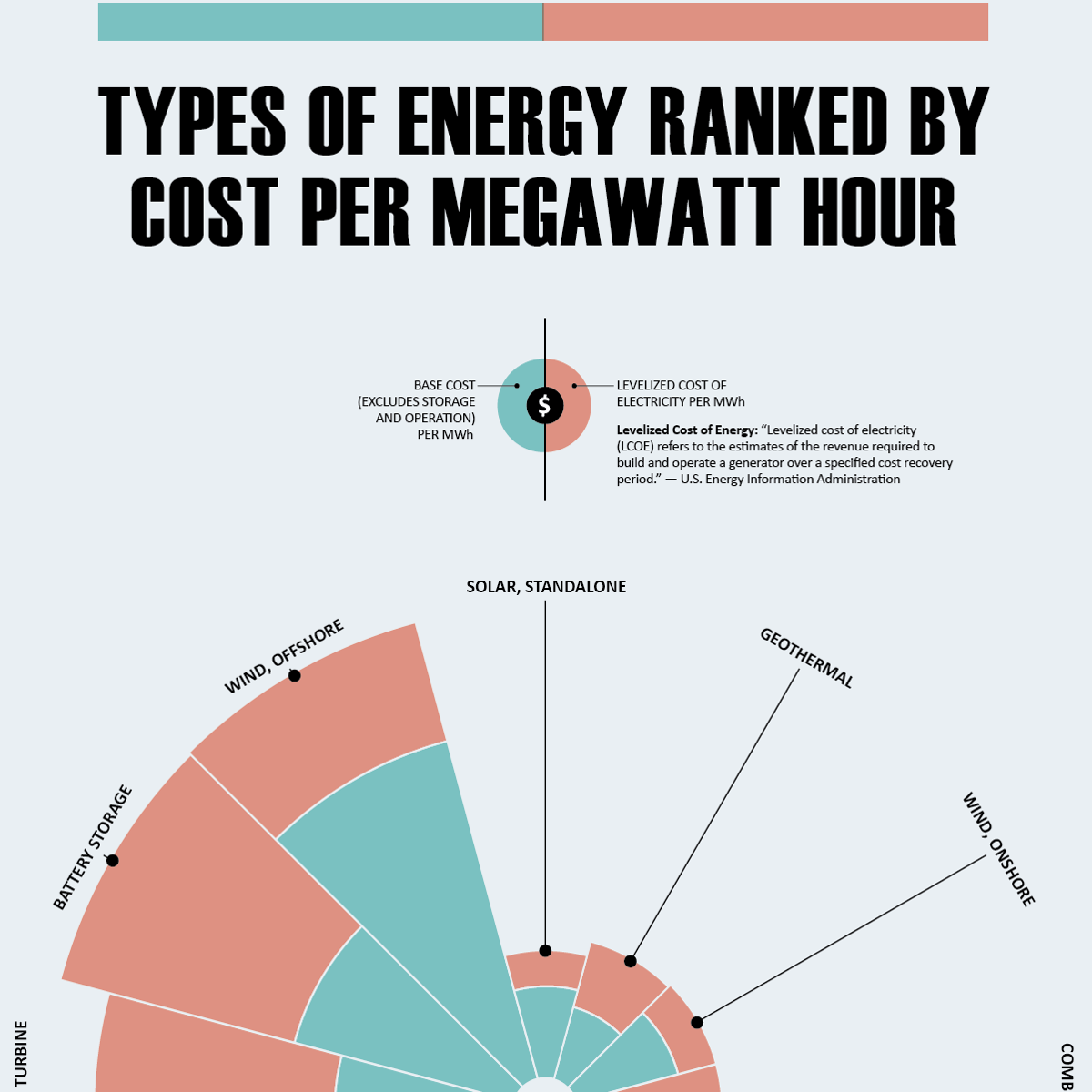
The landscape of renewable energy has shifted significantly. In 2026, the primary metric for cost-effectiveness is the Levelized Cost of Energy (LCOE). This calculation includes the initial capital expenditure (CAPEX), including hardware and installation, plus the ongoing operational expenditure (OPEX), divided by the total expected energy production over the system's life.
For an investment to be considered cost-effective, the LCOE must be lower than or competitive with the local retail electricity rate. Currently, utility-scale wind remains the cheapest form of new electricity generation, but for distributed (on-site) wind, the math depends heavily on local wind speeds and available incentives. In 2026, many users are also looking at "hybridized" systems that pair wind with battery storage or solar to smooth out production curves, further enhancing the effective value of the energy produced.
Evaluating Your Wind Resource: The Foundation of ROI
The most common mistake in choosing wind energy is overestimating the wind resource. Wind power follows a cubic relationship with speed: if you double the wind speed, you get eight times the power. Conversely, a slight decrease in average wind speed can lead to a massive drop in revenue or savings.
Professional Anemometry vs. Satellite Data
While free online wind maps provide a general idea of regional potential, they often lack the granularity needed for a specific site. In 2026, cost-effective selection begins with LiDAR (Light Detection and Ranging) or high-accuracy anemometer towers placed at the specific hub height of your intended turbine. A site must typically average at least 4.5 to 5.0 meters per second (approx. 10–11 mph) to be financially viable for small wind. If your site falls below this threshold, the "cost-effective" choice may be to forego a physical turbine in favor of a virtual PPA or community wind project.
Assessing Turbulence and Obstacles
Wind energy is only cost-effective if the air hitting the blades is "laminar" (smooth). Turbulence caused by trees, buildings, or uneven terrain creates mechanical stress and reduces energy output. To ensure cost-effectiveness, your turbine hub should be at least 30 feet above any obstacle within a 500-foot radius. Failure to account for the "roughness" of the terrain is a leading cause of underperforming systems and inflated maintenance costs.
Selecting Hardware: Technical Specifications That Matter
Choosing the right hardware involves balancing the initial purchase price against the turbine's efficiency and durability. In 2026, the market is primarily split between Horizontal Axis Wind Turbines (HAWT) and Vertical Axis Wind Turbines (VAWT).
HAWT vs. VAWT
For most cost-conscious buyers, HAWTs remain the industry standard. They are generally more efficient at converting wind into electricity because the entire blade surface captures energy throughout its rotation. VAWTs are often marketed for urban environments due to their ability to handle turbulent wind from any direction, but they frequently have a lower "capacity factor"—the ratio of actual energy produced to the maximum possible output. Unless your site is uniquely constrained by space or multidirectional turbulence, a high-quality HAWT typically offers a better LCOE.
Cut-in and Rated Speeds
To maximize cost-effectiveness, look at the cut-in speed—the wind speed at which the turbine begins to generate power. A lower cut-in speed (e.g., 6 mph) means the turbine will be active more often in low-wind regions. However, you must also consider the rated speed, which is the speed at which the turbine reaches its maximum capacity. A turbine that reaches its peak at 25 mph is useless if your site rarely sees speeds above 18 mph. The goal is to match the turbine's power curve to your site's specific wind distribution profile.
Comparing Implementation Methods
Cost-effective wind energy doesn't always require owning a turbine. In 2026, several models exist to suit different financial profiles.
| Method | Typical CAPEX | Maintenance Responsibility | Best For |
|---|---|---|---|
| Direct Ownership | High (Upfront) | Owner | Rural properties with high wind resources. |
| Leasing/PPA | Low to Zero | Provider | Businesses wanting fixed energy rates without debt. |
| Community Wind | Moderate (Subscription) | Project Developer | Urban/Suburban users with poor local wind. |
| Virtual PPA | None (Financial Contract) | Utility/Developer | Large corporations offsetting carbon footprints. |
Direct Ownership and ROI
Direct ownership offers the highest long-term savings but carries the highest risk. In 2026, a 10kW residential turbine can cost between $40,000 and $70,000 installed. Without incentives, the payback period might exceed 15 years. However, with the current 30% federal Investment Tax Credit (ITC) and potential state-level grants, that payback can drop to 7–9 years.
Power Purchase Agreements (PPAs)
For many businesses, a PPA is the most cost-effective path. Under this model, a third party installs and maintains the wind turbine on your property. You simply buy the generated electricity at a predetermined rate, which is usually lower than the utility’s retail price. This removes the "technology risk" and maintenance headaches from your balance sheet.
Navigating Incentives and Financing in 2026
The "cost" of wind energy is drastically reduced by utilizing government policy. In the United States, the Inflation Reduction Act (IRA) provides a stable framework through 2032.
- Investment Tax Credit (ITC): Currently allows you to deduct 30% of the total system cost from your federal taxes.
- Production Tax Credit (PTC): An alternative to the ITC, where you receive a tax credit for every kilowatt-hour produced. This is often more lucrative for high-wind sites where production is guaranteed to be high.
- RECs (Renewable Energy Certificates): In many jurisdictions, you earn one REC for every megawatt-hour (MWh) produced. These can be sold on the open market to utilities that need to meet renewable energy mandates, providing a secondary revenue stream that shortens the payback period.
- MACRS Depreciation: Businesses can use the Modified Accelerated Cost Recovery System to depreciate the value of the wind system over five years, significantly improving the net present value (NPV) of the project.
Maintenance and Operational Longevity
A wind turbine is a dynamic machine with moving parts that operate in harsh environments. To maintain cost-effectiveness, you must account for Operations and Maintenance (O&M) costs, which typically range from 1% to 2% of the initial investment annually.
In 2026, the most cost-effective systems use predictive maintenance technology. Modern sensors can detect vibrations or heat signatures in the gearbox or bearings before a catastrophic failure occurs. Replacing a $500 bearing is far more cost-effective than replacing a $15,000 generator. When choosing a turbine, prioritize manufacturers with a proven track record and a local service network. A turbine that is "down" for three months waiting for a part from overseas is a financial liability.
Common Pitfalls to Avoid
- Inadequate Tower Height: Attempting to save money on a shorter tower is a false economy. The "wind shear" effect means that wind is significantly faster and less turbulent higher up. Spending an extra $5,000 on a taller tower can often increase energy production by 20% or more.
- Permitting and Interconnection Delays: Cost-effectiveness is often killed by "soft costs." Before buying hardware, ensure your local zoning allows for the tower height you need and that your utility has a straightforward net-metering policy.
- Ignoring Noise and Vibration: Inexpensive, poorly balanced turbines can create noise complaints from neighbors or vibrations that damage structures. Remedying these issues post-installation is prohibitively expensive.
FAQs
What is the minimum wind speed for a turbine to be cost-effective?
Generally, a site needs an annual average wind speed of at least 10 mph (4.5 m/s) at hub height. While turbines can spin at lower speeds, the energy produced is usually insufficient to cover the capital and maintenance costs. Sites with averages above 13 mph (5.8 m/s) offer significantly better financial returns due to the cubic power of wind.
Is it cheaper to buy wind energy from a utility or install my own turbine?
For most residential users in suburban areas, it is currently more cost-effective to participate in a "Green Power" program or a community wind project offered by their utility. On-site wind is most cost-effective for rural properties, farms, and industrial sites with high electricity demand and unobstructed wind flow.
How long do wind turbines last before they need to be replaced?
A high-quality, well-maintained wind turbine is designed to last 20 to 25 years. Major components like the inverter may need replacement at the 10-to-12-year mark, and bearings or seals may need periodic service. Factoring these mid-life costs into your initial ROI calculation is essential for an accurate cost-effectiveness assessment.
Can I use wind energy if I don't have enough space for a tower?
If you lack the acreage for a traditional tower, the most cost-effective option is often a Virtual Power Purchase Agreement (VPPA) or purchasing Renewable Energy Certificates (RECs). These allow you to support wind energy production elsewhere and claim the environmental benefits without the physical constraints of an on-site installation.
Do wind turbines lose efficiency over time?
Standard degradation for wind turbines is relatively low, typically less than 0.5% per year, often caused by blade surface erosion or minor mechanical wear. Regular cleaning of blades and timely lubrication of the drivetrain can keep the system running at near-peak efficiency for its entire design life.
Final Recommendation
To choose the most cost-effective wind energy solution in 2026, start with a professional-grade wind resource assessment. If your average wind speed is below 10 mph, your most economical choice is likely a community wind subscription or a solar-hybrid system. If your wind resource is strong, prioritize a Horizontal Axis Wind Turbine (HAWT) with a hub height that clears all local obstacles by at least 30 feet. Always calculate your ROI using the net cost after applying the 30% federal Investment Tax Credit and local production incentives.
Image Gallery