Why the Daisy Edgar-Jones Met Gala Look Sets a New Standard
The Daisy Edgar-Jones Met Gala aesthetic sets a new standard by balancing strict adherence to gala themes with effortless, wearable modern romanticism. Moving away from heavy theatrical costuming, her red-carpet presentations—exemplifi...
The Daisy Edgar-Jones Met Gala aesthetic sets a new standard by balancing strict adherence to gala themes with effortless, wearable modern romanticism. Moving away from heavy theatrical costuming, her red-carpet presentations—exemplified by custom Chloé and Oscar de la Renta designs—prioritize textile fluidity, precise tailoring, and understated luxury, proving that impactful high-fashion sartorial statements can be subtle yet transformative.
Contents
The Evolution of Met Gala Red Carpet Expectations
The Metropolitan Museum of Art’s Costume Institute Benefit has long operated as fashion's premier arena for high drama, avant-garde concepts, and literal thematic interpretations. Historically, red-carpet success was often judged by scale: structural gowns requiring multi-person handling teams, extreme architectural corsetry, and elaborate headpieces. While these spectacles generate immediate viral engagement, they frequently obscure the wearer and distance high fashion from wearable artistry.
In recent seasons, a distinct cultural pivot has emerged across high-fashion red carpets. Observers, stylists, and fashion critics are increasingly valuing structural integrity, garment movement, and authentic personal style over pure theatrical gimmickry. The red-carpet appearances of British actress Daisy Edgar-Jones serve as a primary catalyst for this shift. By rejecting the overt, restrictive costuming often seen on the Met steps, her looks re-establish a critical balance between thematic compliance and personal elegance.
Rather than submitting to overwhelming garments, Edgar-Jones and her creative team present a masterclass in modern red-carpet execution. This approach demonstrates that adhering to a formal theme does not require sacrificing movement, personal identity, or tactile refinement.
Dissecting the Aesthetic: Architectural and Styling Elements
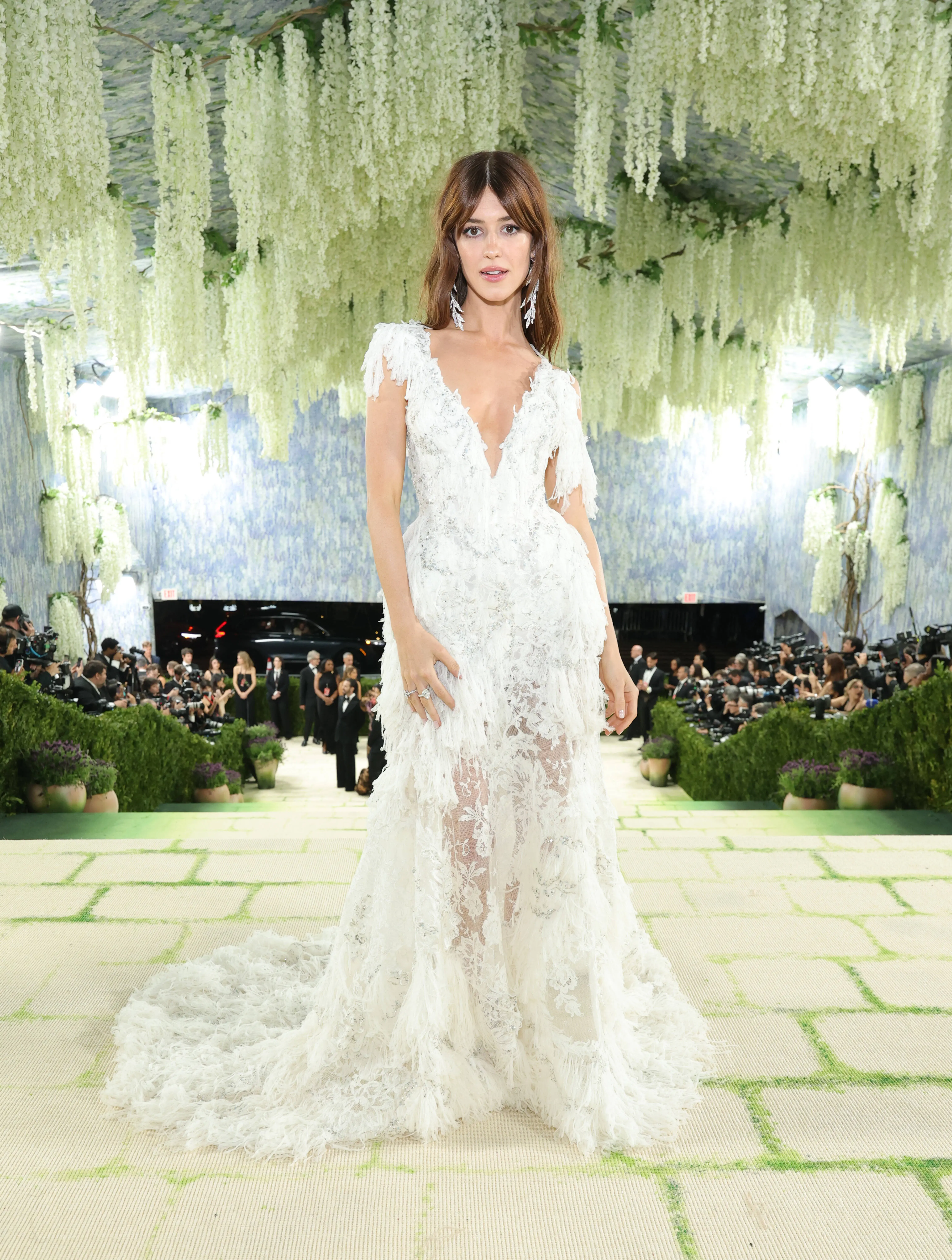
Analyzing why the Daisy Edgar-Jones Met Gala wardrobe resonates across the fashion industry requires examining the core structural and textural components of her looks. Her ensembles—most notably her custom Chloé gown designed by Chemena Kamali for the "Sleeping Beauties: Reawakening Fashion" theme and her previous metallic Oscar de la Renta presentation—highlight specific design choices that challenge traditional red-carpet dressing.
- Structural Fluidity: Prioritizing bias cuts & un-boned movement
- Tonal Subtlety: Utilizing translucent golds, silvers & nudes
- Focused Craftsmanship: Micro-beading & delicate fringe textures
- Integrated Beauty: Effortless, undone hair with luminous skin
Silhouette and Fluidity: Prioritizing Movement Over Restrictive Structures
A hallmark of the standard set by Edgar-Jones is the conscious choice of fluid silhouettes over heavy, boned architecture. Traditional ballgowns rely on heavy petticoats, rigid crinolines, and restrictive internal corsetry to create volume. In contrast, her standout looks leverage bias-cut silks, delicate sheer fabrics, and micro-pleating.
For her Chloé presentation, the silhouette relied on delicate layering and soft drapery that moved naturally with every step. The garment utilized translucent fabric that caught light organically without needing stiff reflective coatings or rigid wiring. This fluid construction creates dynamic visual interest in motion, contrasting sharply with static, heavily boned dresses that constrain the wearer's posture.
Fabric Physics and Texture Layering
Rather than relying on heavy brocades or thick velvets, Edgar-Jones's wardrobes highlight lightweight, highly technical textile manipulation:
- Micro-Beading and Embellishment: Fine crystal and seed-bead work applied to sheer netting provides shine without adding unmanageable weight to the garment drape.
- Tactile Fringe and Threadwork: Metallic threadwork and fine fringe details, seen in her Oscar de la Renta appearance, convert ambient light into movement, ensuring the dress responds dynamically to camera flashes.
- Translucent Color Grading: Soft gold, champagne, and muted silver tones complement natural skin tone rather than overpowering the wearer with hyper-saturated hues.
Hair, Makeup, and Accessory Curation: The Power of Understatement
Red-carpet styling frequently fails when hair and makeup attempt to compete with an intricate gown. The strategy surrounding Edgar-Jones relies on calculated restraint:
- Hair: Soft, textured waves or face-framing fringe maintain a relaxed, modern aesthetic that prevents the overall ensemble from appearing overly stiff or pageantry-focused.
- Makeup: Luminous skin, soft earth-toned eyeshadows, and natural lip shades preserve her facial architecture without heavy editorial paint.
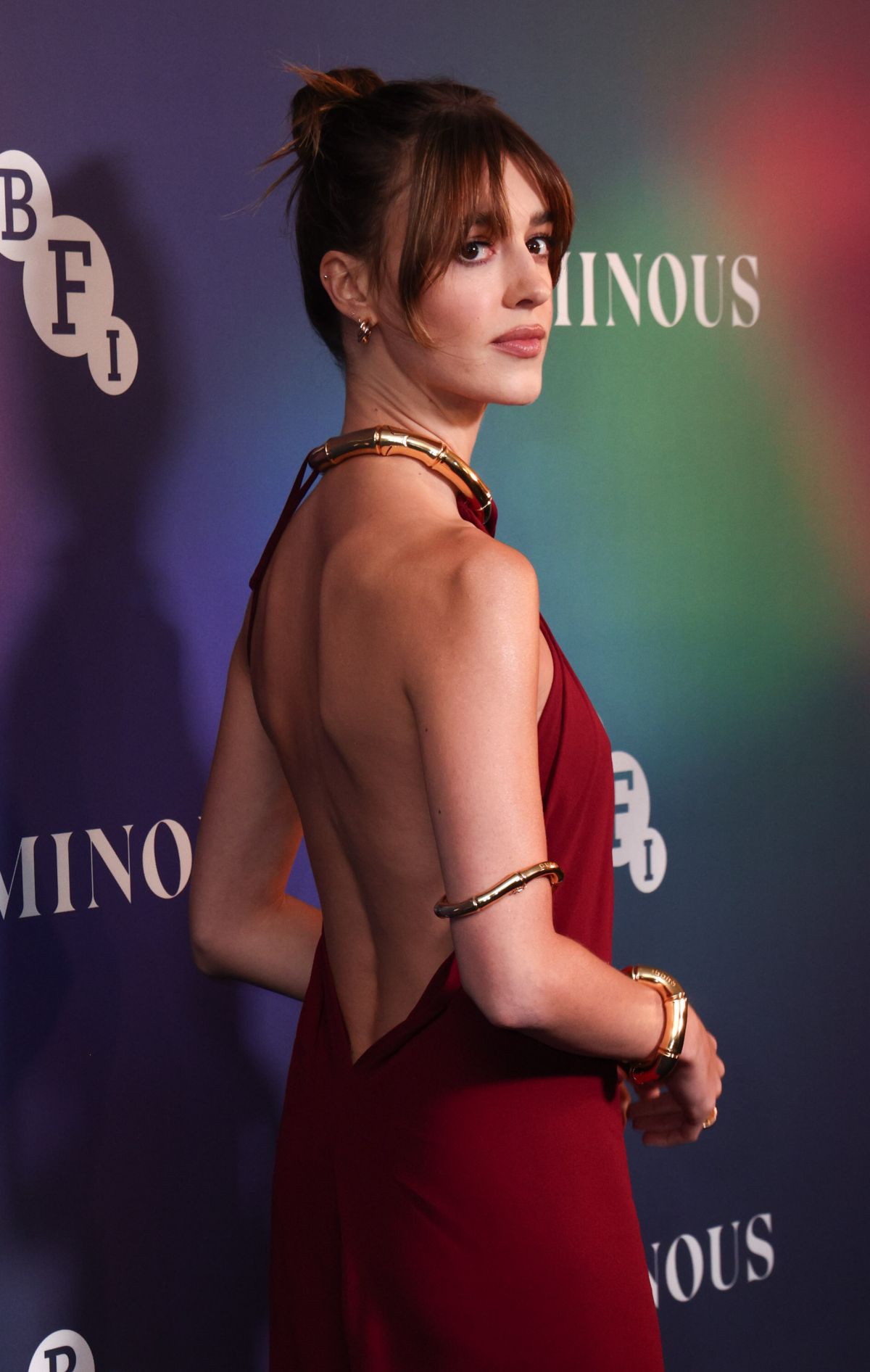
- Jewelry Selection: High-jewelry pieces—such as delicate diamond drop earrings or subtle platinum rings—are chosen to accentuate collarbones and wrists without cluttering the neckline or competing with garment embroidery.
Theme Adherence vs. Personal Branding: Achieving Red-Carpet Equilibrium
Navigating the Met Gala's strict themes (such as The Garden of Time or In America: An Anthology of Fashion) requires careful interpretation. A frequent pitfall for attendees is taking theme descriptions too literally, resulting in costume-like outfits that look out of place outside a museum display.
Daisy Edgar-Jones and her stylist, Rebecca Corbin-Murray, navigate this by extracting abstract mood, texture, and historical references rather than literal imagery. When faced with flora, fauna, or historical period prompts, her looks translate those concepts into ethereal textures, organic drape, and era-defining silhouettes like 1970s bohemian romanticism or 1920s flapper-inspired movement.
Met Gala Thematic Approaches:
- Traditional / Literal
- Oversized props
- Rigid architectural costuming
- Low rewear / mobility
- Modern Romantic / Refined
- Abstracted themes
- Fluid garment motion
- Focus on wearer's identity
- High editorial longevity
This equilibrium ensures that the wearer remains the central focus. The gown acts as an extension of the individual's brand identity rather than a theatrical mask, setting a blueprint for how modern celebrities can honor host institutions while strengthening their personal style signatures.
Comparative Analysis of Red-Carpet Styling Approaches
To understand how this approach redefines industry standards, it is helpful to compare traditional high-drama Met Gala dressing against the elevated romantic realism demonstrated by Daisy Edgar-Jones.
| Metric / Attribute | Traditional Met Gala Spectacle | Elevated Romantic Realism (Edgar-Jones Standard) |
|---|---|---|
| Structural Foundation | Rigid corsetry, internal cage crinolines, heavy boning | Soft drapes, bias-cut silks, un-boned structural netting |
| Mobility & Comfort | Severely restricted movement; often requires handling assistance | Natural gait; full range of motion for walking and stairs |
| Thematic Interpretation | Direct visual cues (literal flora, historical costume replicas) | Conceptual interpretation (texture, movement, tonal palette) |
| Longevity & Rewear Value | High immediate viral impact; quickly dated as a costume | High editorial longevity; timeless red-carpet reference |
| Brand Synergy | Garment overpowers wearer; focus remains entirely on design house | Balanced synergy; highlights both designer craft and wearer personality |
| Hair & Makeup Strategy | High-concept, theatrical paint and rigid hair sculpts | Natural, skin-focused finish with effortless hair textures |
Industry Impact: The Revival of Modern Boho-Chic
The impact of Daisy Edgar-Jones's Met Gala presentations extends beyond single red-carpet events; it reflects broader commercial and editorial fashion trends. Her partnership with creative directors like Chemena Kamali at Chloé marked the definitive return of "Boho-Chic" to frontline luxury fashion.
For several years, high fashion was dominated by structured streetwear, exaggerated shoulder pads, and stark minimalist tailors. Edgar-Jones’s showcase of soft tiering, delicate lace, sheer silk chiffon, and warm metallic accents helped re-establish romanticism as a dominant force in contemporary womenswear.
Fashion buyers and retail trend analysts monitor high-profile red carpets for signals of consumer fatigue. The enthusiastic response to Edgar-Jones's softer, more approachable look confirmed a growing demand for:
- Tactile Luxury: Clothes that look soft to the touch and feel comfortable to wear.
- Nostalgic Romanticism: References to 1970s free-spirited tailoring updated with modern, clean construction techniques.
- Wearable Elegance: High-fashion looks that inspire everyday eveningwear and occasion dressing rather than existing solely as untouchable runway samples.
Practical Lessons for Formalwear and Event Styling
While custom Met Gala gowns are out of reach for general consumers, the styling principles behind Daisy Edgar-Jones's red-carpet success offer practical guidance for formal occasion dressing, editorial styling, and high-end wardrobe curation.
1. Match Fabric Weight to Event Dynamics
When selecting formal attire, consider how the fabric behaves under light and during movement. Heavy fabrics provide structure but can look static in photography. Lightweight textiles like silk chiffon, viscose crepes, and metallic weaves catch natural light and create fluid lines during motion.
2. Practice Rule-of-One Restraint
If an outfit features high-shine embellishments, metallic threading, or intricate texture, simplify all surrounding elements.
- Keep footwear classic and minimal (such as slim ankle-strap sandals).
- Avoid clashing statement necklaces with high-neck or intricately embroidered bodice details.
- Opt for soft, undone hair textures to soften formal gowns.
3. Interpret Dress Codes Conceptually
When faced with strict dress codes or themed events, resist the urge to buy costume-like garments. Look for subtle nods to the theme through color palette, pattern scale, or historical fabric choices. This guarantees your outfit remains timeless, sophisticated, and reusable across different settings.
Frequently Asked Questions
Who styled Daisy Edgar-Jones for her standout Met Gala appearances?
Daisy Edgar-Jones works closely with top celebrity stylist Rebecca Corbin-Murray. Corbin-Murray is known for creating modern, romantic red-carpet moments that emphasize fluidity, wearable luxury, and vintage-inspired aesthetics tailored to her clients' natural personalities.
Which fashion house designed Daisy Edgar-Jones's viral 2024 Met Gala dress?
Her custom sheer, liquid-gold gown for the 2024 Met Gala was designed by Chemena Kamali for Chloé. The look served as a defining showcase for Kamali's debut vision at the French fashion house, ushering in a revived era of modern bohemian elegance.
How did her Met Gala look align with "The Garden of Time" dress code?
Rather than wearing literal floral arrangements or mechanical clockwork motifs, her look interpreted "The Garden of Time" through organic textures, translucent fabric layers that reflected light like morning dew, and a vintage bohemian aesthetic that evoked timeless romanticism.
Why is fluid red-carpet styling becoming more popular than structured ballgowns?
Fluid styling prioritizes wearer mobility, authentic personal expression, and editorial longevity. While structured, rigid ballgowns offer visual drama, they often restrict movement and discomfort the wearer. Modern fashion trends increasingly favor garments that combine high-end craftsmanship with natural motion.
How can I recreate this aesthetic for formal events without a celebrity budget?
Focus on key silhouette and texture elements: look for bias-cut slip dresses, soft chiffon gowns, or micro-pleated fabrics in warm metallic or neutral tones. Pair the dress with minimal jewelry, luminous makeup, and relaxed, soft-wave hair rather than stiff, structured updos.
The Blueprint for Future Red Carpet Dressing
The Daisy Edgar-Jones Met Gala look sets a new standard by proving that quiet confidence and superior textile execution can outshine theatrical costuming. By prioritizing fluid silhouettes, thoughtful thematic abstraction, and integrated beauty, her red-carpet strategy provides a sustainable blueprint for modern celebrity styling.
As the fashion industry continues to navigate the balance between digital spectacle and true design value, this refined approach serves as a compelling reminder that the most memorable garments are those that empower the wearer rather than overshadow them.
Image Gallery