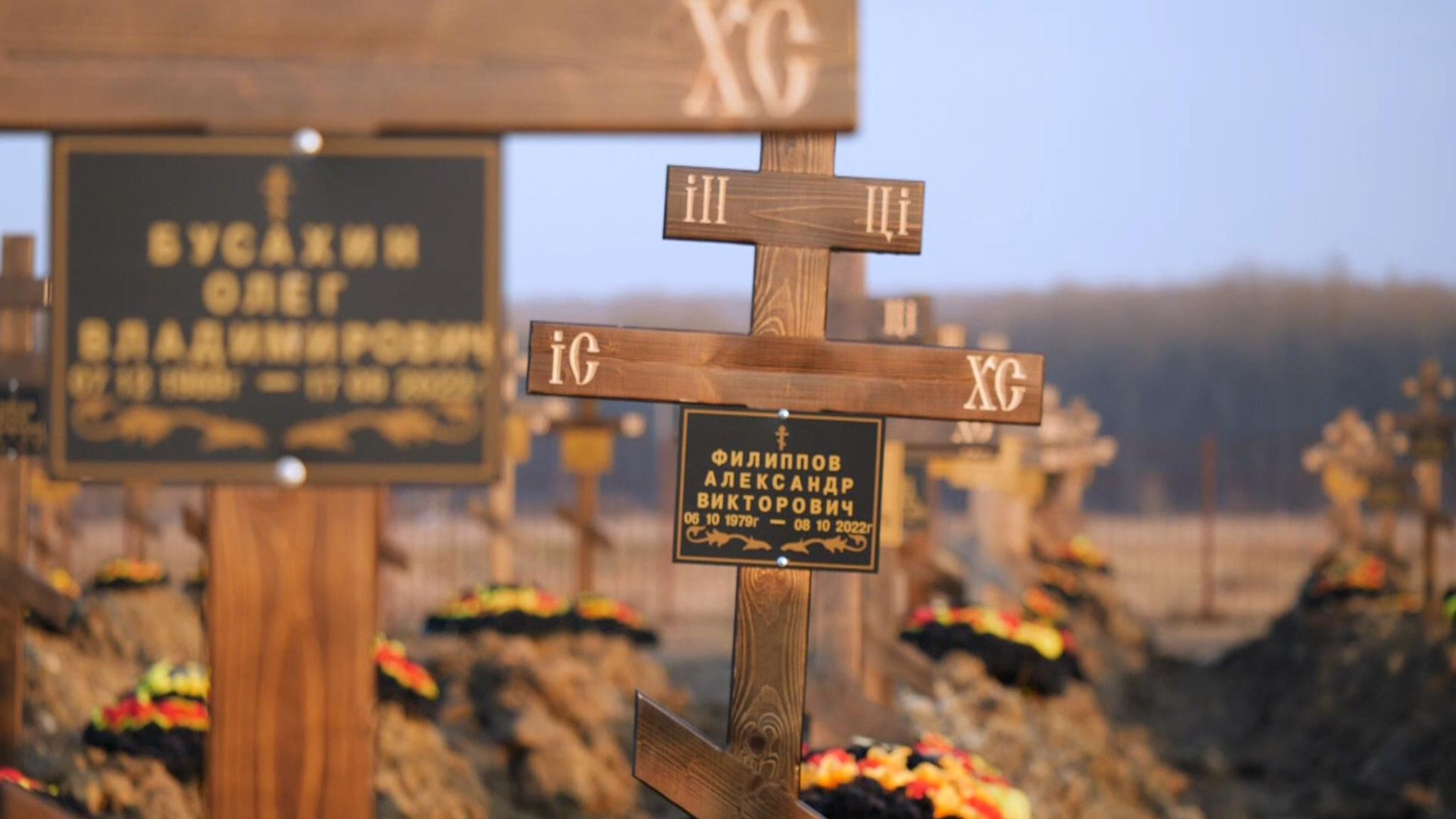
The Wagner Group Story in Russia: Rise, Rebellion, and the Post-Prigozhin Era
The story of the Wagner Group in Russia is the evolution of a private paramilitary force from a shadowy, deniable tool of the Kremlin into a state-integrated volunteer corps. Following the 2023 mutiny and the death of its founders, the...
The story of the Wagner Group in Russia is the evolution of a private paramilitary force from a shadowy, deniable tool of the Kremlin into a state-integrated volunteer corps. Following the 2023 mutiny and the death of its founders, the organization has been restructured under the Russian Ministry of Defense and Rosgvardia.
Contents
The Genesis of Wagner: Prigozhin and Utkin
The origins of the Wagner Group are rooted in a unique partnership between two distinct figures: Yevgeny Prigozhin, a billionaire businessman often referred to as "Putin’s Chef," and Dmitry Utkin, a former GRU special forces officer. While Prigozhin provided the financial infrastructure and political connections, Utkin—whose call sign was "Wagner"—provided the tactical expertise and military ethos.
In its early years, roughly between 2014 and 2015, Wagner operated in the shadows. The Russian government maintained a policy of "plausible deniability," allowing the group to intervene in conflicts like the Donbas and Syria without formal state involvement. This arrangement benefited the Kremlin by providing a highly capable expeditionary force that did not count toward official military casualty lists.
The name "Wagner" itself became a brand of ruthless efficiency. Utkin’s alleged fascination with the aesthetics of the Third Reich and the music of Richard Wagner lent the group a dark, mythic quality that resonated with certain segments of the Russian military subculture. By 2026, looking back at these origins, historians view the "Wagner and Wagner" era as a period where private interests and state objectives were dangerously blurred.
From Deniability to Public Heroism (2022–2023)
The full-scale invasion of Ukraine in 2022 fundamentally changed the Wagner story. No longer a secret, the group began an aggressive public recruitment campaign, including the controversial "Project K," which saw thousands of inmates recruited from Russian prisons in exchange for pardons.
Prigozhin’s media machine, the Patriot Media Group, transformed Wagner from a PMC (Private Military Company) into a populist movement. The group’s "musicians" (a nickname derived from the "Wagner" moniker) were portrayed as the most effective fighting force in the Russian orbit, particularly during the grueling siege of Bakhmut.
This period was characterized by:
- The Wagner Center: The opening of a massive glass-walled headquarters in St. Petersburg, symbolizing the group's move into the mainstream.
- Sledgehammer Diplomacy: The use of the sledgehammer as a brutal symbol of Wagner’s internal discipline and its stance against "traitors."
- The "Shell Hunger" Crisis: Growing public friction between Prigozhin and the Russian Ministry of Defense (MoD), specifically Sergei Shoigu and Valery Gerasimov, over ammunition supplies and military bureaucracy.
The June 2023 Mutiny: A Turning Point
The friction between Wagner and the MoD culminated on June 23–24, 2023, in what Prigozhin termed a "March of Justice." The mutiny saw Wagner forces take control of the Southern Military District headquarters in Rostov-on-Don and advance toward Moscow, meeting little resistance on the ground but shooting down several Russian military aircraft.
The mutiny was resolved through a deal brokered by Belarusian President Alexander Lukashenko, which saw Wagner fighters given the choice to join the regular military, go home, or move to Belarus. However, the event shattered the image of monolithic stability within the Russian state. It marked the end of Wagner as an independent, quasi-autonomous entity.
The fallout of the rebellion led to a systemic "cleansing" of the Russian military leadership and a re-evaluation of how private military assets should be managed. For the first time, the Russian state publicly acknowledged that the Wagner Group had been fully funded by the state budget, totaling billions of rubles.
The Vacuum of Leadership: August 23, 2023
Exactly two months after the mutiny, on August 23, 2023, a private jet carrying Yevgeny Prigozhin, Dmitry Utkin, and other top Wagner leaders crashed in the Tver region. All on board were killed. While the Russian government attributed the crash to internal explosions or mishandling of explosives, international observers and many within the Wagner ranks viewed it as a definitive act of state retribution.
The death of both "Wagners"—the financier and the commander—left the organization in a state of paralysis. Without Prigozhin’s logistical genius and Utkin’s operational command, the group faced three possible fates: total dissolution, absorption into the Ministry of Defense, or a shift toward the "Africa Corps" under direct state oversight.
Restructuring and the "Africa Corps" in 2026
As of 2026, the legacy of the Wagner Group has been institutionalized. The Russian state recognized that while Prigozhin was a liability, the Wagner infrastructure in Africa and the Middle East was an indispensable geopolitical asset. This led to the formation of the Africa Corps (also known as the African Legion).
This new entity operates under the umbrella of the Russian Ministry of Defense but retains many of the veteran Wagner commanders and the "Wagner style" of operation. The primary difference is the chain of command: in 2026, there is no private middleman. The funding and orders flow directly from Moscow, ensuring that another "March on Moscow" is structurally impossible.
Comparison of Wagner Evolution
| Feature | Pre-2023 Wagner (Independent PMC) | Post-2023/2026 Structure (State-Integrated) |
|---|---|---|
| Command Structure | Prigozhin/Utkin (Independent) | MoD / Rosgvardia Oversight |
| Funding Source | Mixed (State contracts + Resource extraction) | Direct State Budget / MoD Funding |
| Legal Status | "Gray zone" (Technically illegal) | Volunteer Corps / State Employee Status |
| Primary Goal | Profit + Geopolitical influence | Strategic State Interests |
| Recruitment | Prison outreach / Global veterans | Professional MoD contracts / "Volunteer" branding |
The Integration into Rosgvardia and the Volunteer Corps
For the fighters who remained in Russia or returned from Ukraine, many were absorbed into Rosgvardia (the Russian National Guard). In early 2024, the Russian Duma passed laws allowing Rosgvardia to have its own "volunteer formations." This was a legal workaround to allow former Wagner units to maintain their internal cohesion while being legally subordinated to the state.
Pavel Prigozhin, Yevgeny’s son, was reported in late 2024 and 2025 to be involved in leading some of these volunteer detachments. However, unlike his father, his role is largely symbolic and strictly monitored by the security services. The 2026 reality is one where the "Wagner" brand exists as a badge of honor for veterans, but the "Wagner Group" as a sovereign entity is a relic of history.
Legal and Geopolitical Implications
The "Wagner and Wagner" story serves as a case study in the dangers of outsourcing state violence. In 2026, Russia has updated its legal framework to ensure that all military formations—even those labeled as "private" or "volunteer"—must sign direct contracts with the Ministry of Defense. This effectively ended the era of the PMC in Russia as it was known in the 2010s.
Internationally, the transition has had mixed results. In countries like Mali, Burkina Faso, and the Central African Republic, the transition from Wagner to the Africa Corps has been relatively seamless, as the local governments are more concerned with security results than the internal politics of the Kremlin. However, the loss of Prigozhin’s personal relationships with local leaders initially caused friction that required significant diplomatic efforts from the Russian Foreign Ministry to resolve.
Frequently Asked Questions
Is the Wagner Group still active in 2026?
The "Wagner Group" as an independent entity no longer exists. Its assets and personnel have been divided between the Russian Ministry of Defense's "Africa Corps," the Volunteer Corps, and various detachments within Rosgvardia. The name is still used by veterans and in some informal contexts, but it is now a state-controlled asset.
Who is in charge of former Wagner forces now?
Operations are primarily overseen by the Russian Ministry of Defense and the GRU (Main Intelligence Directorate). General Yunus-Bek Yevkurov and other high-ranking MoD officials have been instrumental in managing the transition and maintaining the group's foreign deployments.
What happened to Yevgeny Prigozhin’s assets?
Most of Prigozhin’s business empire, including his catering and media companies, was dismantled or seized by state-affiliated entities shortly after the mutiny. His military assets were integrated into the state structure, while some of his personal wealth remains the subject of ongoing inheritance and legal disputes involving his family.
Are Wagner fighters still recruited from prisons?
The practice of massive, independent prison recruitment pioneered by Prigozhin has been discontinued in its original form. While the Ministry of Defense still recruits from correctional facilities (under "Project Storm-Z" and its successors), the process is now managed officially by the state rather than a private contractor.
Why was the group called Wagner?
The name was the call sign of Dmitry Utkin, the group's first military commander. Utkin reportedly chose the name because of his interest in the history and music associated with the German composer Richard Wagner, which later became the central theme of the group’s branding as "musicians" or an "orchestra."
Summary of Next Actions for Researchers
If you are investigating the current status of former Wagner personnel or their legal standing in 2026, you should focus on the official decrees of the Russian Ministry of Defense regarding "Volunteer Formations" and the updates from the Rosgvardia press service. For geopolitical analysis, monitor the activities of the Africa Corps in the Sahel region, as this is the primary successor to Wagner's international operations.
Image Gallery