The Real Toll of Lady Bird Lake for Austin Residents: Risks, Reality, and Safety Guide
Lady Bird Lake is a central icon of Austin, Texas, offering miles of scenic shoreline, kayaking, and outdoor recreation. However, the real toll of Lady Bird Lake for Austin residents involves significant public safety hazards, persiste...
Lady Bird Lake is a central icon of Austin, Texas, offering miles of scenic shoreline, kayaking, and outdoor recreation. However, the real toll of Lady Bird Lake for Austin residents involves significant public safety hazards, persistent toxic algae blooms that threaten pets, submerged physical debris, and heightened anxiety stemming from accidental drownings near nightlife districts.
Contents
Environmental Hazards: Toxic Algae and Water Clarity Issues
While the surface of Lady Bird Lake appears serene, the water quality poses distinct biological risks to the local community. The most urgent ongoing environmental challenge is the growth of harmful algae blooms, specifically harmful cyanobacteria (blue-green algae), which produce potent neurotoxins such as anatoxin-a.
- Warm Weather + High Sunlight + Nutrient Runoff
- Proliferation of Benthic Cyanobacteria Mat
- Release of Neurotoxins (e.g., Anatoxin-a)
- High Toxicity to Pets (Ingestion of Algae Mats)
- Human Health Warnings (Skin Irritation & Illness)
Cyanobacteria thrive in warm, stagnant, nutrient-rich water. In Lady Bird Lake, these bacteria form thick mats along the lakebed (benthic algae) and occasionally float to the surface. When dogs swim in infected areas or ingest floating algae mats, the toxins can cause severe neurological damage or death within minutes to hours. The City of Austin Watershed Protection Department routinely tests water and sediment across key access points, such as Red Bud Isle and Auditorium Shores, issuing seasonal advisories when toxicity levels surge.
To combat these blooms, the city has utilized localized chemical treatments, including modified bentonite clay (commercially known as Phoslock), to bind excess phosphorus in the water column and reduce the nutrient food source available to the algae. Despite these mitigation efforts, summer temperatures and urban runoff continue to trigger recurring outbreaks, making water contact dangerous for domestic animals and risky for humans.
Beyond toxic algae, storm runoff carries high levels of fecal coliform bacteria, urban oils, and industrial heavy metals into the lake after major rainfall events. Because Lady Bird Lake is technically a riverine reservoir formed by Longhorn Dam on the Colorado River, water clarity fluctuates dramatically, concealing toxic blooms and submerged hazards beneath a murky surface.
Public Safety, Drowning Hazards, and Fact vs. Speculation
Public safety along Lady Bird Lake has become a prominent concern for Austin residents, driven by both physical underwater dangers and high-profile recovery operations near urban nightlife corridors.
Physical Underwater Hazards and Legal Swimming Bans
Swimming in Lady Bird Lake has been legally prohibited since 1964 under City of Austin Ordinance No. 64-0608-A (Codified under City Code Section 8-5-81). The ban was established not merely as a water-quality measure, but due to severe physical hazards present beneath the surface.
- Submerged Debris: Decades of urban development, historic floods, and old bridge construction left rebar, concrete blocks, sharp timber, and discarded metal trash hidden just beneath the water line.
- Undercurrents and Dam Discharge: Operations at Tom Miller Dam upstream and Longhorn Dam downstream create sudden, powerful undercurrents. Even experienced swimmers can be pulled beneath the surface or trapped against underwater structures.
- Zero Visibility: The high turbidity of the lake prevents individuals from seeing underwater obstructions or gauging water depth accurately.
Nightlife Proximity and Death Investigation Realities
In recent years, public concern has intensified due to multiple drowning fatalities near the Rainey Street Historic District, an area known for high-density bars located adjacent to the lake’s eastern trail access points. Suspicion and viral online speculation frequently point toward targeted foul play or urban legends such as a "Rainey Street Serial Killer."
Official investigations by the Austin Police Department (APD), supported by findings from the Travis County Medical Examiner’s Office, present a different reality. Toxicological and autopsy reports consistently attribute the majority of these tragic incidents to severe alcohol intoxication, accidental slips into steep shoreline embankments, nighttime disorientation, and rapid onset of hypothermia or accidental drowning.
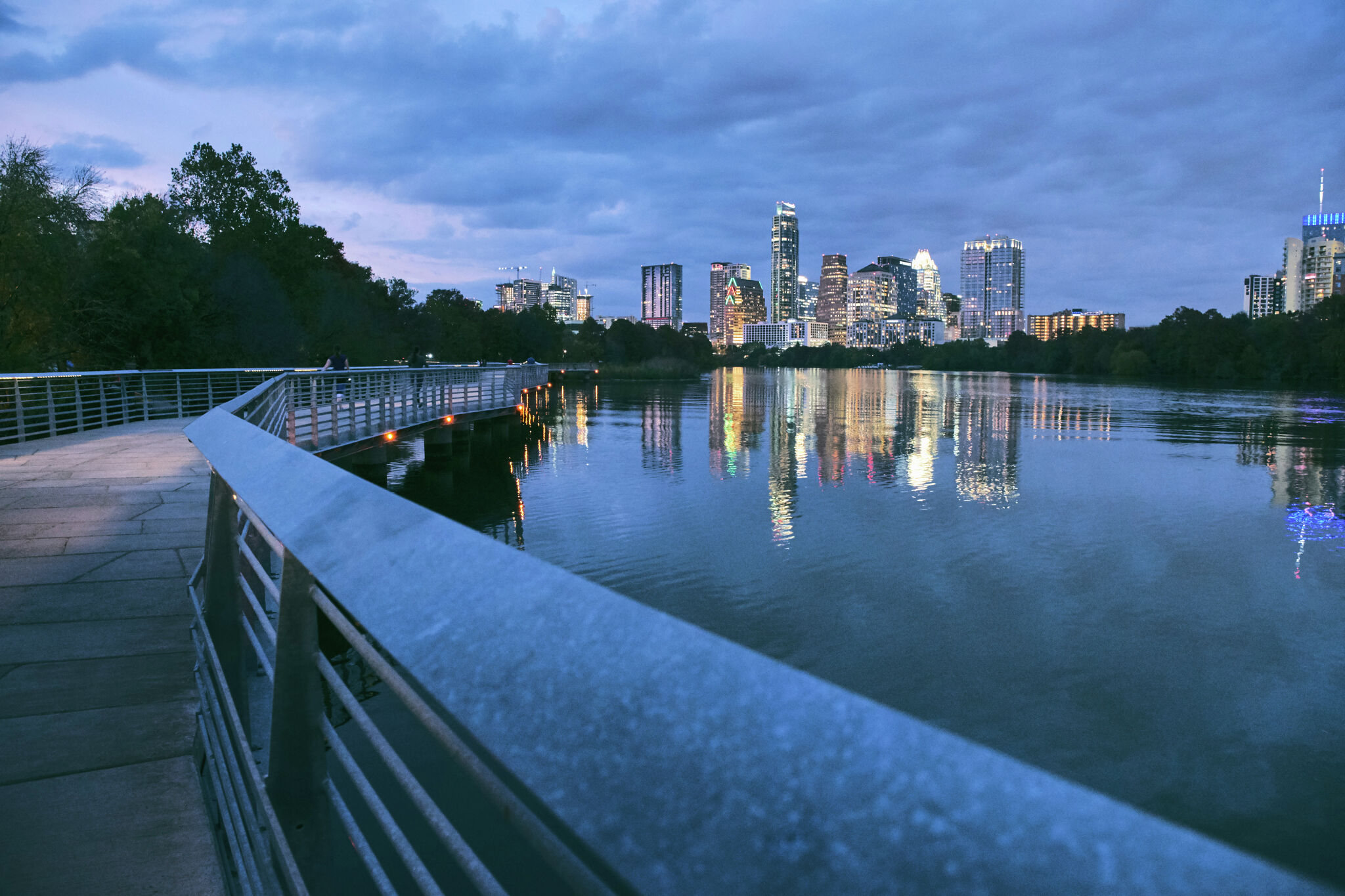
While foul play has been ruled out in the vast majority of cases, the toll on the community remains significant. In response, the City of Austin has implemented physical infrastructure safety upgrades along the trail, including enhanced LED lighting, high-visibility fencing, emergency call boxes, and automated park ranger patrols near high-risk shoreline segments.
Ecological Strain of Rapid Urban Growth
The physical and environmental toll of Lady Bird Lake is inextricably linked to Austin’s rapid population growth and urban density. The lake serves as the primary drainage basin for central Austin’s storm sewers, leaving its ecosystem vulnerable to human impact.
Watershed Runoff and Siltation
As concrete and asphalt replace natural soil across the metropolitan area, rainwater can no longer absorb naturally into the ground. Instead, high-velocity stormwater flows off roadways and construction sites directly into Shoal Creek, Waller Creek, and Lady Bird Lake. This runoff transports thousands of tons of sediment, silt, plastic pollution, and fertilizers into the reservoir each year.
Siltation shallowly fills shallow coves, reducing overall water volume, disrupting fish spawning habitats, and accelerating water heating—a key catalyst for toxic algae growth.
Infrastructure Burden on the Trail System
The Ann and Roy Butler Hike-and-Bike Trail encircles Lady Bird Lake, receiving over 4.5 million visits annually. This massive footprint leads to shoreline erosion, soil compaction around tree root systems, and vegetation loss. The City of Austin Parks and Recreation Department continuously invests in bio-engineering projects, such as installing native riparian plants and retaining walls, to prevent bank collapse and preserve the surrounding tree canopy.
Lady Bird Lake Activity Risk Matrix
Understanding the operational boundaries, legal restrictions, and primary safety hazards across different lake activities is essential for navigating the reservoir safely.
| Activity | Permitted Status | Primary Hazard Source | Safety Guidelines & Mandatory Controls |
|---|---|---|---|
| Swimming & Wading | Prohibited (City Code § 8-5-81) | Submerged debris, strong currents, cyanobacteria toxicity, high bacterial levels | Complete ban; fine up to $500. Avoid all direct bodily contact with water. |
| Pet Swimming / Fetch | Strongly Discouraged | Toxic cyanobacteria (anatoxin-a ingestion), bacterial infection, sharp underwater trash | Keep dogs on leash near shorelines. Do not allow pets to drink or enter water. |
| Stand-Up Paddleboarding (SUP) | Permitted | Accidental capsizing into algae/debris, sudden weather changes, heat exhaustion | Wear a USCG-approved PFD. Avoid fall-ins; rinse immediately if exposed to water. |
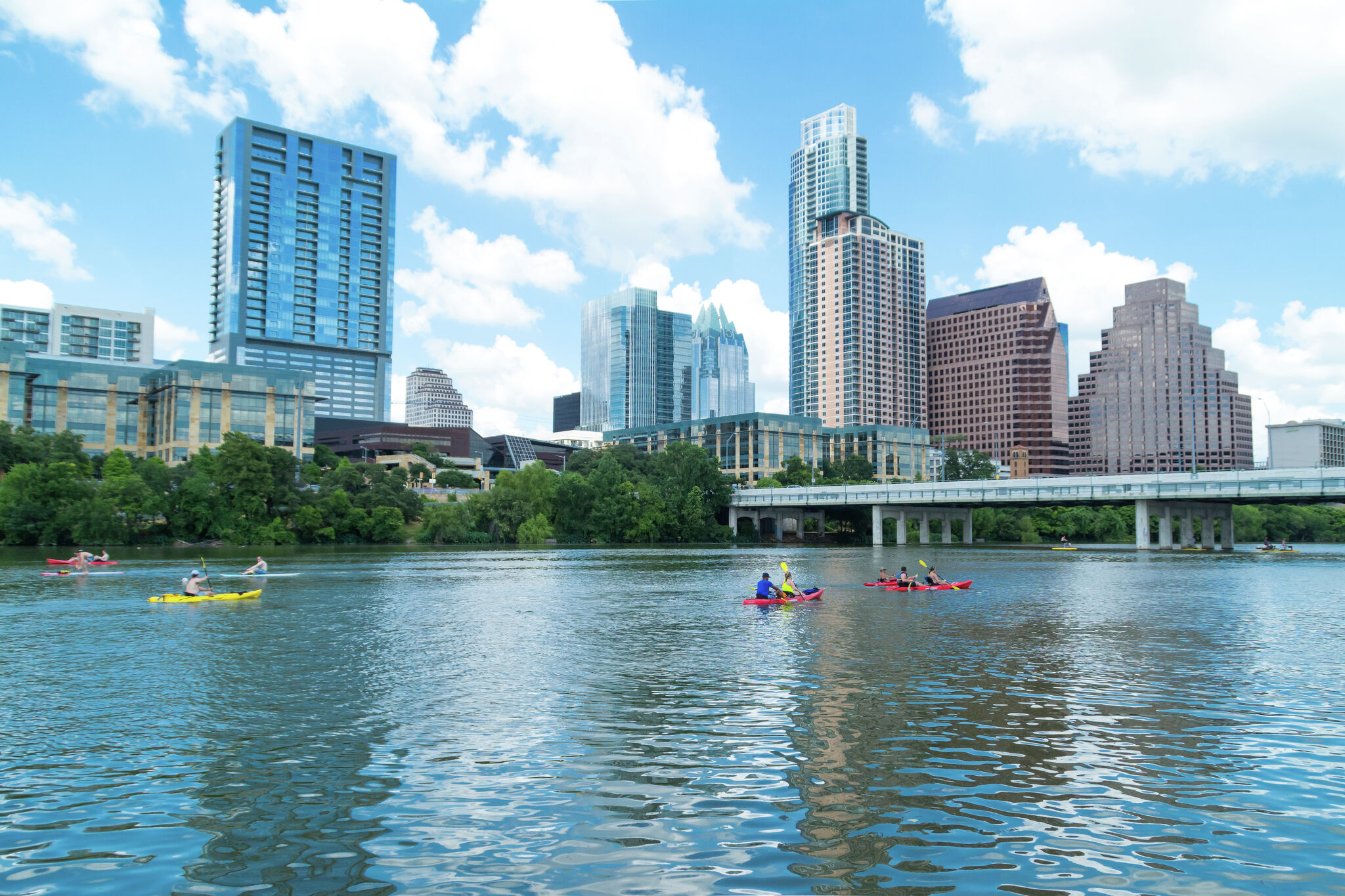
| Kayaking & Canoeing | Permitted | Collisions with motorized work vessels, deep-water capsizing, heat exposure | Carry a whistle and PFD for each passenger. Stay clear of dam restriction zones. |
| Motorized Boating | Restricted | Fuel spills, wake erosion, collision with non-motorized craft | Gas-powered engines prohibited except for public safety/city official craft. Electric motors allowed. |
| Trail Running & Walking | Permitted | Nighttime disorientation, unlit shoreline drop-offs, heat stroke | Stay on designated paths. Use flashlights after dark; avoid steep embankments near water. |
Essential Safety Protocols for Austin Residents
To minimize personal safety risks and protect domestic animals, Austin residents should follow these established operational protocols when visiting Lady Bird Lake.
- Planning a Visit to Lady Bird Lake
- Water Activity (Paddleboard/Kayak)
- Wear USCG-Approved PFD
- Check Algae Bulletins
- Carry Whistle & Hydration
- Wash Off Water Promptly
- Shoreline / Pet Activity
- Keep Dogs Leashed (No Swimming)
- Avoid Algae Mats & Scum
- Stay on Marked Lighting Trails
- Avoid Shorelines After Nightfall
- Water Activity (Paddleboard/Kayak)
Guidance for Boaters and Paddleboarders
- Always Wear a Personal Flotation Device (PFD): Texas law requires children under 13 to wear a PFD on watercraft under 26 feet, and all adults must have an accessible, USCG-approved PFD on board. Given the zero-visibility water and hidden snags, wearing a PFD at all times is strongly recommended for all skill levels.
- Avoid Dam Exclusion Zones: Maintain a clear distance from Tom Miller Dam (upstream) and Longhorn Dam (downstream). Warning buoys mark these restricted hazard zones where sudden water releases generate dangerous currents.
- Check Water Advisories: Prior to launching, review current algae monitoring updates provided by the Watershed Protection Department. Avoid launching in areas with visible surface scum, discolored water, or foul odors.
Guidance for Dog Owners
- Enforce Complete Water Avoidance: Do not allow dogs to swim, wade, or drink from Lady Bird Lake, particularly during warm summer and autumn months when algae toxins peak.
- Recognize Symptoms of Cyanobacteria Poisoning: Toxic exposure occurs rapidly. Symptoms include excessive drooling, vomiting, lethargy, muscle tremors, loss of coordination, seizures, and respiratory distress. Seek emergency veterinary care immediately if exposure is suspected.
- Leash Restrictions: Keep dogs on a leash along shoreline areas, even in designated off-leash zones like Auditorium Shores, to prevent animals from charging into toxic algae mats along the water’s edge.
Guidance for Nighttime Trail Users
- Use Lit Corridors: Avoid unlit shoreline paths between dusk and dawn, particularly near the Rainey Street access points and the I-35 bridge area.
- Buddy System and Sobriety: Never walk near steep lake embankments while intoxicated. If consuming alcohol in adjacent entertainment districts, arrange rideshare pickup away from trail entry points.
- Emergency Numbers: Memorize key emergency locations along the trail. In an emergency, locate trail marker signs to provide precise location data to 911 dispatchers.
Frequently Asked Questions
Why is swimming permanently banned in Lady Bird Lake?
Swimming was banned in 1964 due to physical hazards rather than temporary pollution. Submerged construction debris, old tree stumps, zero underwater visibility, dangerous undertows from dam operations, and high bacteria levels make swimming unsafe. Violations carry municipal fines.
Is the water in Lady Bird Lake safe for dogs?
No. The water is unsafe for dogs, especially during warm weather. Benthic cyanobacteria (toxic blue-green algae) grow on the lakebed and float to the surface. Ingesting even small amounts of algae or lick-cleaning wet fur after swimming can cause fatal neurotoxin poisoning in pets within hours.
Are the drownings near Rainey Street linked to foul play?
Official investigations by the Austin Police Department and the Travis County Medical Examiner's Office have found no evidence of serial foul play or targeted homicides. Autopsy and toxicology reports attribute the drownings primarily to accidental falls, severe alcohol impairment, disorientation, and sudden hypothermia.
Can you eat fish caught in Lady Bird Lake?
The Texas Department of State Health Services (DSHS) advises caution. While catch-and-release fishing is popular, consuming fish from the lake is restricted due to elevated levels of lipophilic contaminants, including PCBs (polychlorinated biphenyls) and heavy metals that accumulate in fish tissue over time.
Is paddleboarding safe despite the algae advisory?
Paddleboarding is permitted, but participants should take strict precautions. Wear an approved personal flotation device, avoid falling into the water, and ensure you do not ingest lake water. Wash off thoroughly with clean water immediately after exiting the lake, especially if your skin came into contact with algae scum.
What is the city doing to fix the algae problem?
The City of Austin Watershed Protection Department actively monitors toxicity levels and applies phosphorus-binding treatments, such as Phoslock, to select bays like Red Bud Isle. The city is also restoring natural wetlands along Waller Creek and Shoal Creek to filter urban stormwater runoff before it reaches the lake.
Actionable Next Steps for Enjoying Lady Bird Lake Safely
To safely enjoy Austin’s downtown waterfront while mitigating personal health and ecological risks, residents should adopt a proactive safety plan:
- Monitor Local Updates: Bookmark the City of Austin Watershed Protection Department Algae Dashboard to review weekly water toxicity reports before heading to the lake.
- Equip Your Craft: Inspect all personal flotation devices, paddles, and safety whistles prior to launching kayaks or paddleboards at public ramps.
- Protect Pets: Transition pet exercise routines to land-based parks away from the waterfront, ensuring dogs remain on short leashes around shoreline trails.
- Report Hazards: Report visible chemical spills, uncontained debris, or distressed animals directly to 311 or the Austin Environmental Hotline at 512-974-2550.
Image Gallery