Soft Dog Food for Sensitive Stomachs: Formulations, Benefits, and Feeding Guide
Soft dog food for a sensitive stomach provides easily digestible nutrients in a high-moisture, tender format that reduces strain on your dog's gastrointestinal tract. By combining gentle protein sources, simple carbohydrates, and diges...
Soft dog food for a sensitive stomach provides easily digestible nutrients in a high-moisture, tender format that reduces strain on your dog's gastrointestinal tract. By combining gentle protein sources, simple carbohydrates, and digestible fibers, soft food helps alleviate symptoms like vomiting, loose stools, and gas while supporting hydration and nutrient absorption.
Contents
Veterinary Disclaimer: The information in this guide is for educational purposes only and is not a substitute for professional veterinary advice, diagnosis, or medical evaluation. Chronic or severe digestive issues require direct veterinary assessment.
Understanding Digestive Sensitivity in Dogs
Gastrointestinal (GI) sensitivity in dogs occurs when the stomach or intestinal lining becomes inflamed, irritated, or impaired in its ability to break down standard commercial dog food. Dogs with sensitive stomachs frequently experience acute or recurrent digestive distress.
Common Signs of Gastrointestinal Sensitivity:
- Stool Changes (Diarrhea, loose stools, mucus in stool)
- Upper GI Distress (Vomiting, regurgitation, lip-licking, nausea)
- Abdominal Discomfort (Borborygmi/gurgling, bloating, hunched posture)
- Secondary Symptoms (Flatulence, weight loss, dull coat, lethargy)
Primary Causes of GI Sensitivity
- Dietary Indiscretion or Intolerance: Reaction to specific ingredients, sudden dietary changes, or high-fat meals.
- Food Allergies and Cutaneous Adverse Reactions (CARF): Immune-mediated reactions, typically triggered by specific protein sources like beef, dairy, chicken, or wheat.
- Inflammatory Bowel Disease (IBD): Chronic inflammation of the intestinal walls requiring strict dietary management.
- Exocrine Pancreatic Insufficiency (EPI) or Pancreatitis: Conditions where enzymes are deficient or the pancreas is inflamed, making fat processing exceptionally difficult.
- Age-Related Changes: Senior dogs often experience decreased digestive enzyme production, gut motility changes, and dental wear.
Why Soft Dog Food Benefits Dogs with Sensitive Stomachs
Soft dog food—encompassing canned wet food, gently cooked fresh diets, rehydrated freeze-dried formulas, and softened kibble—offers several distinct physiological advantages over dry kibble for dogs with digestive fragility:
- Higher Moisture Content: Wet and soft foods typically contain 70% to 80% moisture, compared to 8% to 10% in dry kibble. Proper hydration supports smooth gut motility, aids in kidney function, and softens fecal matter to ease bowel movements.
- Easier Mechanical Breakdown: Soft textures require less gastric motility and mechanical churn in the stomach to break down into chyme, reducing stomach strain and reducing nausea.
- Enhanced Palatability: Gastrointestinal distress often causes appetite loss. The aroma and tender texture of warm or wet food stimulate scent receptors and encourage consistent nutrient intake.
- Lower Fiber Density and Gentle Processing: Many soft veterinary and limited-ingredient formulas rely on cooked, easily bioavailable ingredients that leave minimal undigested residue in the colon.
Formats of Soft Dog Food for Sensitive Stomachs
When selecting a soft food format, dog owners must evaluate processing methods, storage demands, and nutritional completeness.
1. Commercial Canned Wet Foods (Pâtés and Stews)
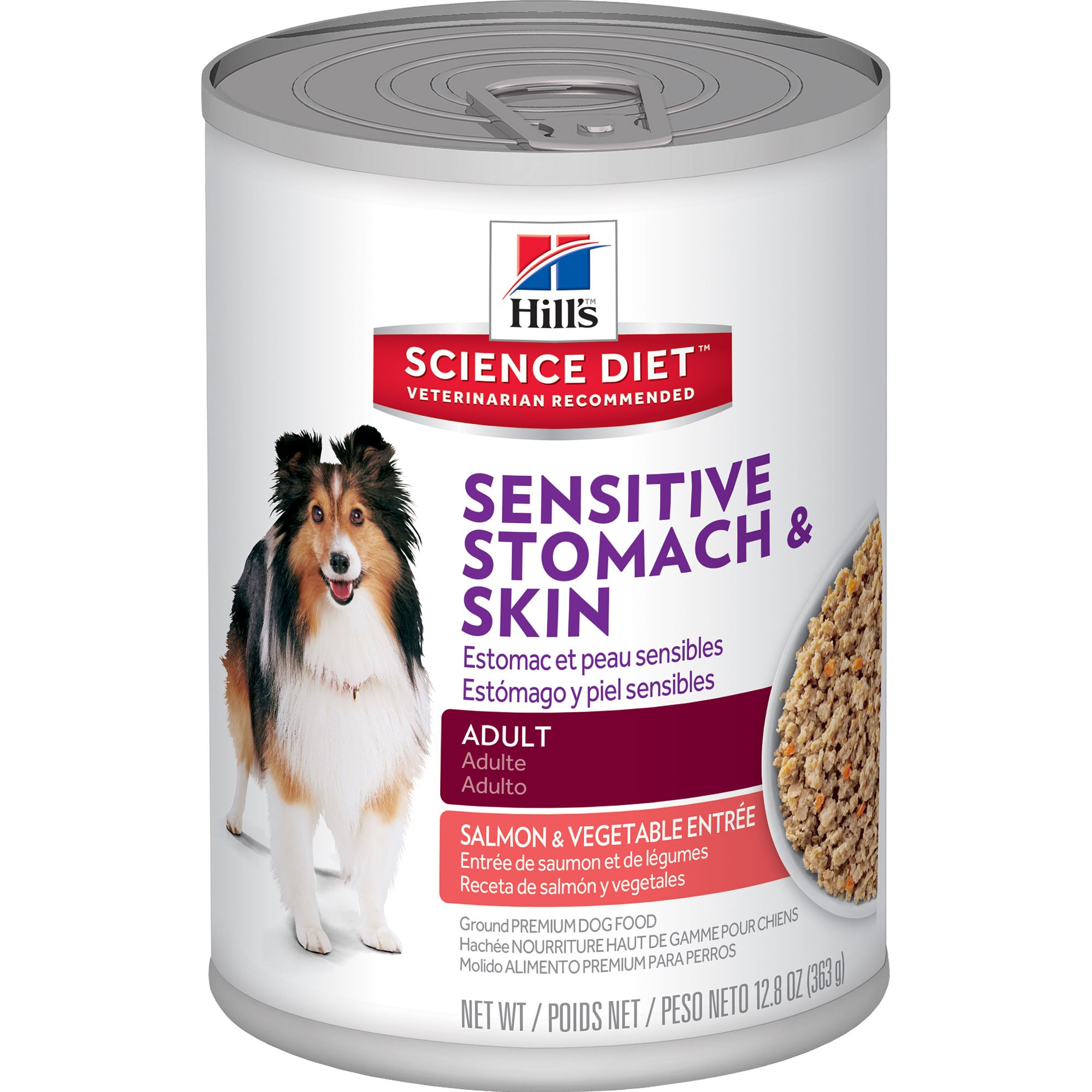
Canned wet foods are cooked inside the sealed can, rendering them sterile and highly shelf-stable until opened.
- Pâté Consistency: Blended into a uniform paste. Ideal for dogs with severe dental issues or extreme nausea, as it can be diluted easily with warm water.
- Stews and Cuts in Gravy: Tender meat chunks with vegetables suspended in broth. Ensure gravy does not contain excess fat or artificial thickeners like carrageenan, which can cause soft stools in sensitive dogs.
2. Fresh and Gently Cooked Diets
Fresh dog foods use human-grade ingredients that are lightly cooked (often sous-vide or low-heat pasteurized) to preserve heat-sensitive nutrients while destroying pathogens. These diets are stored in the refrigerator or freezer. Because they contain minimal processing additives, they are frequently tolerated well by dogs with non-specific dietary intolerances.
3. Rehydrated Freeze-Dried and Dehydrated Diets
Dehydrated and freeze-dried foods have moisture removed under low temperatures. Before serving, pet parents add warm water or bone broth to reconstitute the food into a soft, porridge-like texture. These foods combine the long shelf-life of dry food with the digestibility and hydration benefits of wet food.
4. Softened Kibble (Home-Prepared Soft Food)
For dogs that require a specific dry prescription diet, kibble can be softened at home:
- Measure the dry kibble portion into a clean bowl.
- Add warm water or low-sodium, onion-free bone broth (roughly 1:1 ratio).
- Allow the mix to soak for 15 to 20 minutes until the kibble swells and achieves a soft, mashable texture.
Essential Ingredients for Sensitive Digestion
Evaluating the ingredient panel is crucial when selecting a soft diet. A short, highly targeted ingredient list reduces the probability of triggering an adverse reaction.
Key Ingredients for Digestive Health:
- Highly Digestible Proteins (Novel/Hydrolyzed: Rabbit, Duck, Venison, Turkey)
- Gentle Carbohydrates (Pumpkin, Sweet Potato, White Rice, Oatmeal)
- Beneficial Fats (Omega-3s: EPA/DHA from Fish Oil)
- Gut Support (Prebiotics: FOS, MOS, Soluble Fiber: Psyllium)
Ingredients to Emphasize
- Novel or Hydrolyzed Proteins: Novel proteins (e.g., rabbit, venison, duck, alligator) are protein sources your dog has never consumed before, minimizing allergic immune responses. Hydrolyzed proteins are enzymatically broken down into peptide chains so small that the immune system cannot detect them.
- Gentle Carbohydrates: Pumpkin, sweet potato, white rice, and oatmeal provide easily accessible energy. Pumpkin is especially beneficial because it contains soluble fiber, which absorbs excess water in the intestines to firm up diarrhea.
- Soluble Fiber and Prebiotics: Ingredients like psyllium husk, chicory root extract, fructooligosaccharides (FOS), and mannanoligosaccharides (MOS) feed beneficial gut flora (microbiome) and promote stable short-chain fatty acid production.
- Omega-3 Fatty Acids: Eicosapentaenoic acid (EPA) and docosahexaenoic acid (DHA) derived from fish oil help modulate systemic inflammation within the intestinal lining.
Ingredients to Limit or Avoid
- High Fat Levels: Saturated fats delay gastric emptying and can trigger acute pancreatitis or steatorrhea (fatty diarrhea). Look for low-to-moderate fat levels on a dry-matter basis (typically under 12–15%).
- Artificial Colorings and Fillers: Synthetic dyes, corn gluten meal, and excessive dairy or soy derivatives can irritate a compromised digestive tract.
- Carrageenan: A thickening agent derived from red seaweed used in some canned pet foods that has been linked to intestinal inflammation in sensitive animals.
Soft Dog Food Comparison
The following table compares the four major soft dog food formats based on moisture levels, nutritional characteristics, and suitability for sensitive stomachs.
| Soft Food Format | Average Moisture % | Primary Benefits | Potential Drawbacks | Best Suited For |
|---|---|---|---|---|
| Canned Pâté / Wet | 75% – 82% | Long shelf-life; smooth texture; easy to mix with medications | Requires refrigeration after opening; higher cost per feeding | Seniors; dogs with dental problems or severe appetite loss |
| Fresh / Gently Cooked | 65% – 75% | Highly palatable; minimal processing; real food ingredients | Expensive; requires freezer/fridge space; short fresh shelf-life | Dogs with non-specific intolerances or picky appetites |
| Rehydrated Freeze-Dried | 5% – 8% (pre-water)75%+ (rehydrated) | Nutrient-dense; lightweight storage; highly customizable moisture | Requires 10–15 min prep time; higher cost per serving | Dogs needing variable texture control or minimal preservatives |
| Softened Dry Kibble | 10% (pre-water)60%+ (soaked) | Cost-effective; utilizes existing prescription diets | May spoil quickly if left out; variable consistency | Budget-conscious owners; dogs transitioning off strict dry kibble |
Note: Moisture percentages reflect standard commercial ranges. Always calculate nutrient levels on a Dry Matter Basis (DMB) when comparing wet and dry foods to ensure accurate protein and fat comparisons.
Step-by-Step Transitioning Protocol
A sudden diet change can worsen gastrointestinal distress by disrupting the gut microbiome. A gradual transition over 7 to 10 days is required when switching to a soft food diet.
10-Day Safe Dietary Transition Schedule:
- Days 1–3: 25% New Soft Food + 75% Current Food
- Days 4–6: 50% New Soft Food + 50% Current Food
- Days 7–9: 75% New Soft Food + 25% Current Food
- Day 10+: 100% New Soft Food (Full Transition Completed)
Guidelines for Transitioning:
- Serve at Room Temperature: Cold food straight from the refrigerator can cause stomach cramping. Warm wet or fresh food slightly (to around 98°F/37°C) to enhance aroma and ease digestion.
- Maintain Consistency: Do not introduce new treats, table scraps, or secondary supplements during the transition period.
- Monitor Stool Quality: Use a standard stool scoring chart (aiming for firm, formed segments). If loose stools develop, step back to the previous ratio for 2 to 3 days before advancing.
When to Consult a Veterinarian
While switching to a soft diet solves minor digestive indiscretions, gastrointestinal symptoms can indicate underlying conditions requiring veterinary treatment.
Seek prompt medical care if your dog displays any of the following warning signs:
- Persistent Vomiting: Inability to keep liquids or soft food down for more than 24 hours.
- Hematochezia or Melena: Fresh bright red blood or black, tarry substance in the stool.
- Severe Lethargy and Fever: Complete lack of energy paired with elevated body temperature.
- Rapid Weight Loss: Unexplained drop in body mass despite eating.
- Signs of Dehydration: Dry/tacky gums, prolonged skin tenting, or sunken eyes.
Frequently Asked Questions
Can soft dog food cause dental problems or tartar buildup?
While dry kibble has historically been promoted for teeth cleaning, most kibble shatters immediately upon contact with teeth and offers limited mechanical cleaning at the gum line. Soft food does not inherently cause dental disease, but because it leaves soft residues, daily tooth brushing with dog-safe toothpaste or regular professional veterinary dental cleanings are recommended regardless of food texture.
How do I calculate nutrient percentages on a Dry Matter Basis?
To compare wet food (high moisture) to dry food (low moisture), remove the water percentage from the total. $$\text{Dry Matter %} = 100% - \text{Moisture %}$$ Then divide the listed protein or fat percentage on the label by the Dry Matter percentage and multiply by 100. For example, a wet food with 8% fat and 75% moisture has $25%$ dry matter ($100 - 75$). Its fat content on a dry matter basis is $(8 / 25) \times 100 = 32%$.
Is plain canned pumpkin safe to mix with soft food for sensitive stomachs?
Yes, 100% pure canned pumpkin puree (without added sugars or spices like nutmeg) is safe and beneficial. Pumpkin provides soluble fiber that aids both diarrhea and mild constipation. Add 1 teaspoon per 10 pounds of body weight to your dog's soft food meal.
How long can soft dog food be left out in a feeding bowl?
Canned, fresh, or rehydrated soft foods should not be left out at room temperature for longer than 20 to 30 minutes. High moisture environments allow bacteria to multiply rapidly. Uneaten portions should be promptly covered, refrigerated, and used within 3 days.
What is the difference between a novel protein diet and a hydrolyzed diet?
A novel protein diet uses an animal protein source your dog's immune system has never encountered (such as venison, duck, or kangaroo), preventing an allergic response. A hydrolyzed diet uses common proteins (such as chicken or soy) that have been broken down chemically into tiny peptide fragments so small that the immune system cannot recognize or react to them.
Actionable Next Steps
To select and start the best soft food for your dog's sensitive stomach:
- Document Your Dog's Symptoms: Note stool consistency, vomiting frequency, and meal timing over a 3- to 5-day window to share with your veterinarian.
- Obtain Professional Evaluation: Schedule a checkup to rule out parasites, pancreatitis, or metabolic conditions before switching diets.
- Select a Target Formula: Choose a limited-ingredient canned, fresh, or rehydrated diet featuring a single novel protein source or a hydrolyzed protein prescription diet.
- Execute a 10-Day Transition: Transition slowly using room-temperature meals, monitoring stool quality daily until full conversion is achieved.
Image Gallery