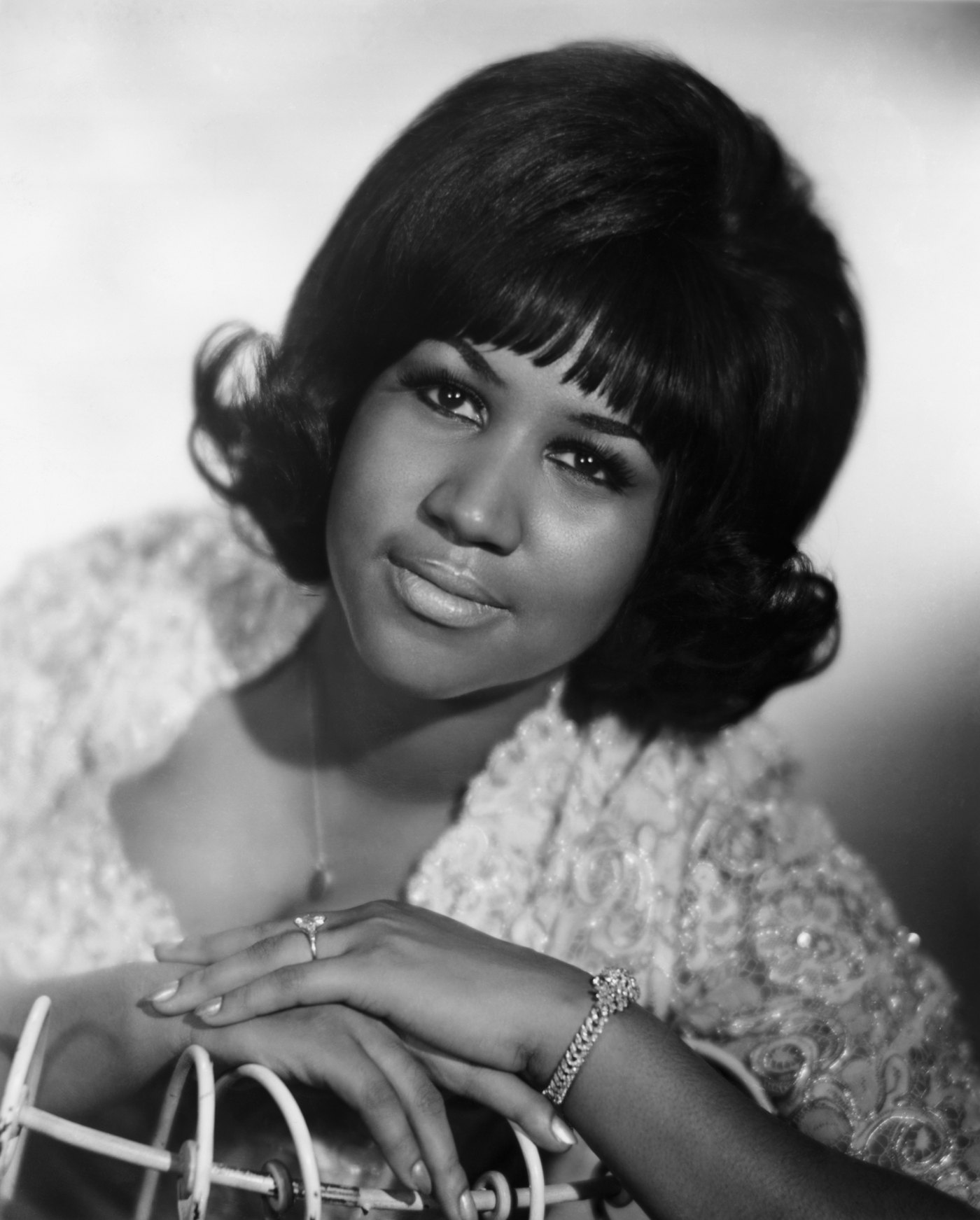
The Aretha Franklin Life Story: The Definitive Journey of the Queen of Soul
The Aretha Franklin life story follows a child prodigy who rose from a Detroit gospel choir to become the most decorated female artist in Grammy history. Known as the "Queen of Soul," she blended gospel, blues, and R&B to create a tran...
The Aretha Franklin life story follows a child prodigy who rose from a Detroit gospel choir to become the most decorated female artist in Grammy history. Known as the "Queen of Soul," she blended gospel, blues, and R&B to create a transcendent sound that fueled the Civil Rights Movement and defined American music.
Contents
The Formative Years: Gospel Roots and Detroit Beginnings
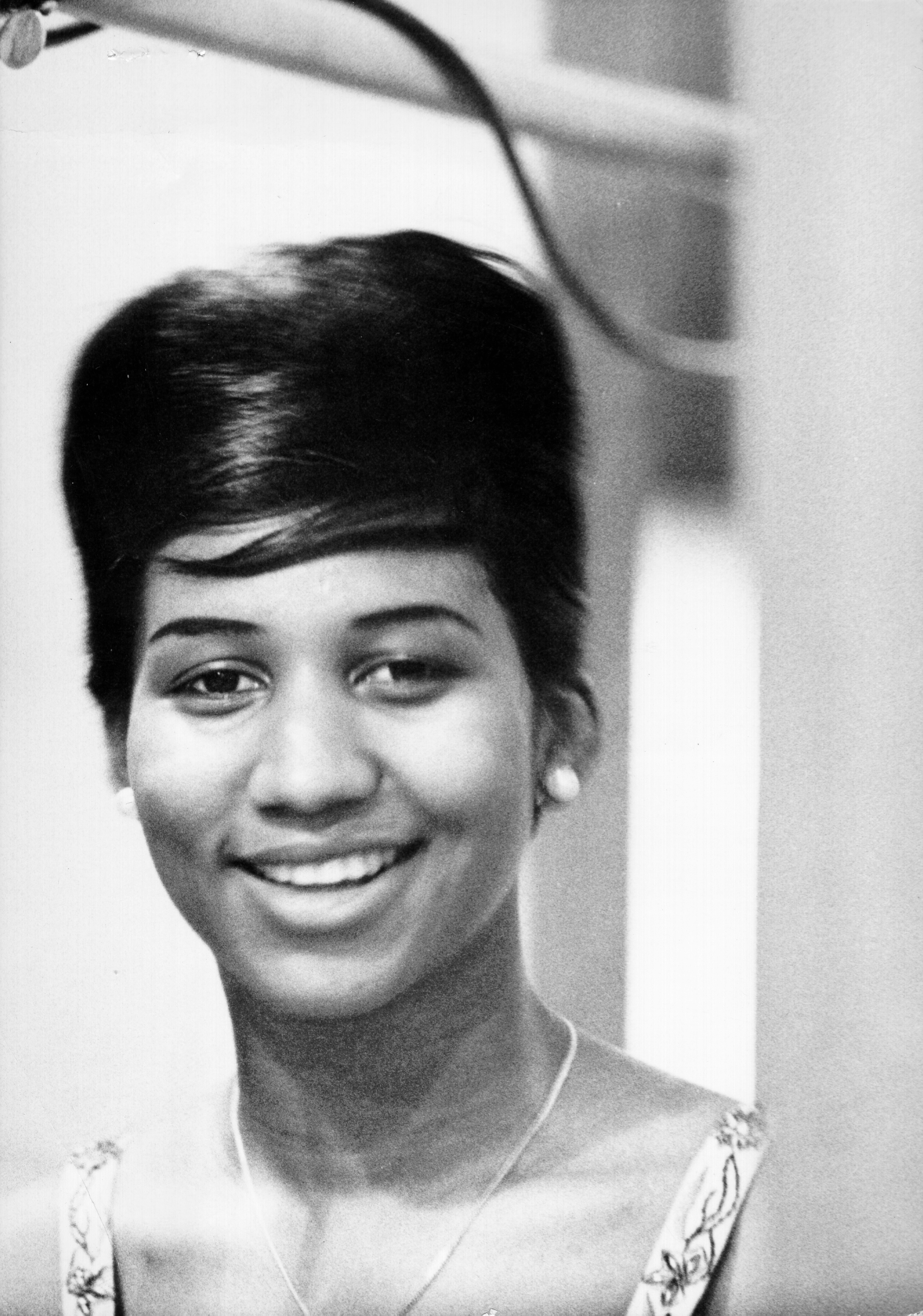
Aretha Louise Franklin was born on March 25, 1942, in Memphis, Tennessee, but her story is inextricably linked to Detroit, Michigan. Her father, C.L. Franklin, was a renowned Baptist minister and a national figure known for his "million-dollar voice." Her mother, Barbara Siggers Franklin, was an accomplished gospel singer and pianist. Although her parents separated early in her childhood, Aretha remained deeply influenced by the musical and spiritual environment of her father’s New Bethel Baptist Church.
The Franklin household was a crossroads for mid-century Black excellence. Young Aretha grew up surrounded by legends such as Mahalia Jackson, Clara Ward, Sam Cooke, and Dinah Washington. These figures provided both a musical blueprint and a social network that recognized her talent early on. By the age of 12, she was a featured soloist in her father’s traveling gospel caravan. Her first recordings, captured when she was only 14, showcased a vocal maturity and emotional depth that far exceeded her years.
Despite her professional trajectory, her personal life faced early challenges, including the birth of her first son when she was 12 and her second at 14. Supported by her family, particularly her grandmother and aunt, she continued to pursue her calling, eventually deciding to transition from sacred gospel to secular pop music, following in the footsteps of Sam Cooke.
The Columbia Records Era: Finding a Secular Identity
In 1960, Aretha Franklin signed with Columbia Records after being discovered by legendary talent scout John Hammond, who had previously signed Billie Holiday and would later discover Bob Dylan. The Columbia years (1960–1966) are often characterized by a period of experimentation and, some argue, a lack of musical direction. The label positioned her as a versatile chanteuse, recording a mix of jazz standards, show tunes, and light pop.
While albums like The Electrifying Aretha Franklin demonstrated her technical prowess, the polished arrangements often stifled the raw, soulful power she had displayed in the church. During this time, she achieved moderate success with hits like "Rock-a-Bye Your Baby with a Dixie Melody," but she had yet to find the specific "sound" that would make her an icon. Her tenure at Columbia was a vital apprenticeship, yet it left her feeling constrained by a label that prioritized mainstream crossover appeal over her natural R&B instincts.
The Atlantic Revolution: Defining the Soul Sound
The trajectory of the Aretha Franklin life story changed forever in 1967 when she signed with Atlantic Records. Producer Jerry Wexler understood what Columbia had missed: Aretha’s greatest strength was her ability to infuse secular music with the fervor of the Black church. Wexler brought her to Fame Studios in Muscle Shoals, Alabama, to record with the Muscle Shoals Rhythm Section.
The result of these sessions was "I Never Loved a Man (The Way I Love You)," a bluesy, soul-drenched track that became her first massive hit. More importantly, it established a production style where Aretha’s own piano playing—often overlooked but central to her musicality—drove the rhythm and arrangement.
In April 1967, she released "Respect," a cover of an Otis Redding song that she fundamentally reimagined. By adding the iconic "R-E-S-P-E-C-T" spelling and the "sock it to me" backing vocals (performed by her sisters Erma and Carolyn), Aretha transformed a man's plea for domestic respect into a global anthem for the feminist and Civil Rights Movements. This single record cemented her status as the "Queen of Soul," a title she would hold for the rest of her life.
Cultural Impact and the Civil Rights Movement
Aretha Franklin’s influence extended far beyond the recording booth. As a close friend of Dr. Martin Luther King Jr., she used her platform to support the struggle for racial equality. She frequently performed at rallies and helped fund the Southern Christian Leadership Conference (SCLC). Her music provided the soundtrack for a generation demanding justice; songs like "Think" and "Chain of Fools" carried subtexts of empowerment and resilience.
In 1970, she famously offered to post bail for activist Angela Davis, stating that Black people should be free to protest without being treated like criminals. This courage to speak out during a volatile era in American history solidified her role as a cultural leader. Her 1972 live gospel album, Amazing Grace, recorded at the New Temple Missionary Baptist Church in Los Angeles, became the best-selling gospel album of all time, proving that she could return to her roots and still command a global audience.
The Arista Era: Pop Success and Resilience
By the late 1970s, the popularity of disco and changing tastes led to a decline in Aretha’s chart dominance. In 1980, she signed with Arista Records, headed by Clive Davis. Davis, known for his ability to revitalize the careers of veteran artists, helped Aretha navigate the MTV era. Her appearance in the 1980 film The Blues Brothers, where she performed a high-energy version of "Think," reintroduced her to a younger demographic.
The 1980s became a second golden age for her career. Albums like Jump to It (produced by Luther Vandross) and Who’s Zoomin’ Who? produced massive hits like "Freeway of Love." In 1987, she made history as the first woman inducted into the Rock and Roll Hall of Fame. Her duet with George Michael, "I Knew You Were Waiting (For Me)," became a global number-one hit, proving her voice was timeless and adaptable to contemporary pop production.
Personal Challenges and Artistic Integrity
Despite her public triumphs, Franklin’s personal life was often marked by struggle. She endured two divorces, the tragic shooting of her father in 1979 (which left him in a coma for years until his death in 1984), and a lifelong battle with a fear of flying that limited her international touring.
She was notoriously private, often refusing to discuss her personal hardships in interviews. However, those who worked with her noted her absolute control over her musical output. She was a meticulous arranger and producer who knew exactly how she wanted her vocals to sit in a mix. This insistence on artistic integrity ensured that even her later recordings maintained a standard of excellence that few of her peers could match.
Key Milestones in Aretha Franklin’s Career
| Year | Event/Achievement | Significance |
|---|---|---|
| 1956 | First Gospel Recording | Documented her debut as a 14-year-old prodigy. |
| 1967 | Released "Respect" | Became a global anthem for civil rights and feminism. |
| 1968 | Won first two Grammys | Began a record-breaking streak in the R&B categories. |
| 1972 | Amazing Grace Released | The highest-selling live gospel album in history. |
| 1987 | Rock & Roll Hall of Fame | First woman ever inducted into the prestigious hall. |
| 1994 | Grammy Lifetime Achievement | Recognized her enduring impact on global music. |
| 2005 | Presidential Medal of Freedom | Awarded the nation's highest civilian honor. |
| 2015 | Kennedy Center Honors | Iconic performance of "(You Make Me Feel Like) A Natural Woman." |
The Final Act and Lasting Legacy
As of 2026, the world continues to feel the absence of the Queen of Soul, who passed away on August 16, 2018, due to pancreatic neuroendocrine tumors. Her final years were marked by a series of powerful performances that reminded the public of her undiminished skill. Most notably, her 2015 tribute to Carole King at the Kennedy Center Honors brought President Barack Obama to tears and became a viral sensation, reaffirming her status as a national treasure.
Aretha Franklin's legacy is not just found in her 18 Grammy Awards or her 73 Billboard Hot 100 entries. It is found in the way she paved the way for future generations of artists—from Whitney Houston and Mariah Carey to Beyoncé and Adele. She demonstrated that a Black woman could command the highest levels of professional respect while remaining true to her cultural and spiritual identity.
Frequently Asked Questions
What was Aretha Franklin’s vocal range?
Aretha Franklin was a mezzo-soprano with a range that spanned approximately three to four octaves. Beyond her physical range, her technical ability to use melisma (singing a single syllable while moving between several notes) and her "shout" technique from the gospel tradition allowed her to convey immense emotional power without losing pitch accuracy.
Why did she stop traveling internationally?
In 1984, Franklin developed an intense "fear of flying" (aerophobia) after a turbulent flight on a small plane. This phobia significantly altered her career, as she refused to travel by air for the remainder of her life. Consequently, she primarily toured by a custom-equipped bus and rarely performed outside of North America in her later years.
How many children did Aretha Franklin have?
Aretha Franklin had four sons: Clarence, Edward, Ted White Jr., and Kecalf. She was a young mother, having her first two children in her early teens. Despite the pressures of her career, she was known for being a devoted mother and ensuring her children were provided for, often bringing them into the family business as musicians or managers.
Is the 2021 biopic "Respect" accurate?
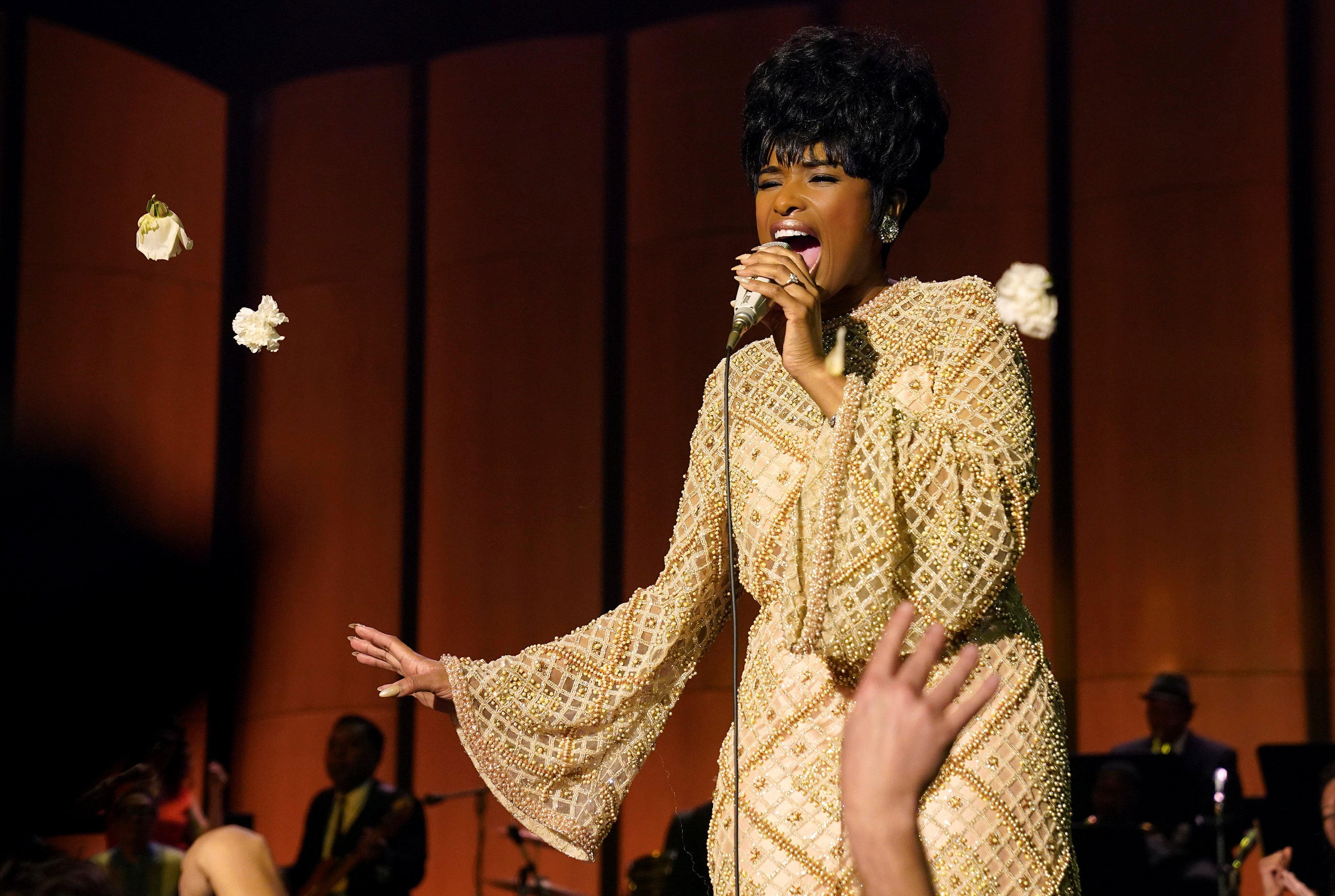
The film Respect, starring Jennifer Hudson (whom Aretha hand-picked for the role), is considered a generally accurate portrayal of her early life and her rise at Atlantic Records. While some dramatic liberties were taken with the timeline of specific recording sessions, the film successfully captured the spirit of her struggle to find her voice and the influence of her father’s complex legacy.
What is her most successful album?
While she had many hit singles, her 1972 gospel album Amazing Grace remains her most commercially successful and critically acclaimed full-length work. It has been certified double platinum and is frequently cited as one of the greatest live recordings in the history of music.
Final Recommendation for Exploring Her Catalog
To truly understand the Aretha Franklin life story, one must listen beyond the hits. Start with the 1967 album I Never Loved a Man the Way I Love You to hear the birth of the soul era. Follow this with the documentary film Amazing Grace (released in 2018) to witness her technical mastery in a live setting. Finally, explore her 1998 "Nessun Dorma" performance at the Grammys, where she stepped in at the last minute for Luciano Pavarotti, proving that her talent transcended genre boundaries and remains unparalleled in the history of recorded sound.
Image Gallery