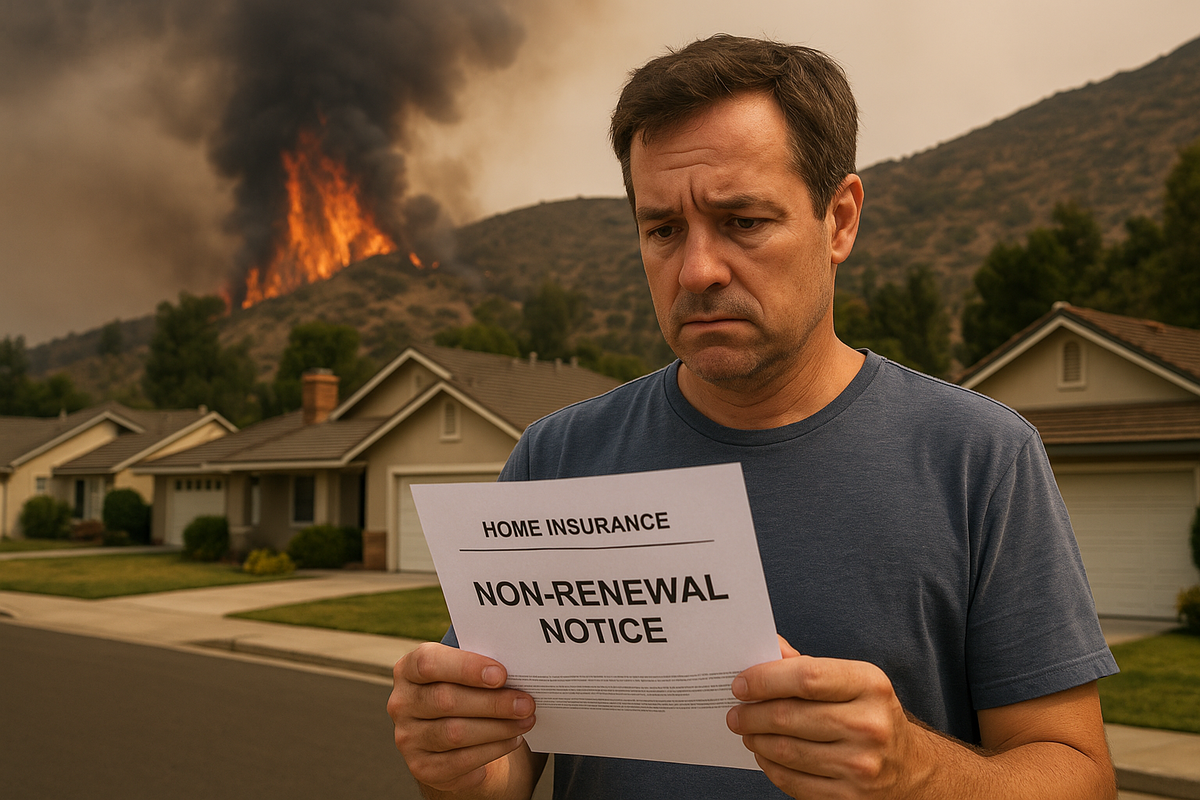
What Happens If My Auto Insurance Is Non-Renewed and How to Secure Coverage
When your auto insurance policy is non-renewed, your insurer has officially decided not to offer you a new contract upon the expiration of your current term. Unlike a cancellation, which occurs mid-term, a non-renewal happens at the en...
When your auto insurance policy is non-renewed, your insurer has officially decided not to offer you a new contract upon the expiration of your current term. Unlike a cancellation, which occurs mid-term, a non-renewal happens at the end of your policy period. You must secure a new policy before your current one expires to avoid a lapse in coverage, which can lead to legal penalties and higher future premiums.
Contents
Understanding Non-Renewal vs. Cancellation
It is vital to distinguish between a cancellation and a non-renewal. A cancellation is the termination of a policy before its stated expiration date, usually due to non-payment of premiums, material misrepresentation, or a significant change in risk profile. A non-renewal, by contrast, is the insurer’s decision to end the relationship at the natural conclusion of the policy term.
Insurance companies are regulated by state departments of insurance. They are generally required to provide written notice of non-renewal—typically 30 to 60 days before the policy expires—to allow you sufficient time to seek alternative coverage. This notice must state the specific reason for the decision. In some states, insurers are restricted from non-renewing policies except for specific, state-sanctioned reasons, such as excessive claims or a revoked driver’s license.
Common Reasons for Non-Renewal
Insurers evaluate risk based on actuarial data. If your profile shifts outside of the company’s "risk appetite," they may choose not to renew. Common reasons include:
- Excessive Claims History: Filing multiple claims—even those where you were not at fault—can flag your policy as high-risk. Insurers prefer policyholders with predictable loss patterns.
- Driving Record Changes: A significant increase in moving violations, at-fault accidents, or a major incident like a DUI conviction often triggers a non-renewal.
- Changes in Vehicle Usage: If you began using your vehicle for ride-sharing services without updating your policy, or if the number of drivers in your household changed significantly, the insurer may find your current policy terms incompatible with your actual usage.
- Underwriting Policy Shifts: Sometimes, an insurance company decides to exit a specific geographic market or stop insuring certain types of vehicles. In these cases, the non-renewal is not personal; it is a strategic business decision.
Immediate Steps to Take Upon Receipt of Notice
If you receive a non-renewal notice, do not wait until the final day of your current policy. Taking immediate action is the only way to avoid a lapse in coverage.
- Read the Notice Carefully: The document will specify the exact date your coverage ends. It will also explain the insurer's reasoning, which helps you understand what to disclose to prospective insurers.
- Request an Explanation: If the reason provided is vague or you believe it is based on inaccurate information (e.g., an incorrect accident on your CLUE report), contact your agent or the company’s customer service department immediately to dispute or clarify the data.
- Start Shopping for Quotes: Use the remaining time on your policy to gather quotes from multiple carriers. Because you have been non-renewed, you are considered a "non-standard" risk by some carriers. Be transparent about the non-renewal; failing to disclose it during the application process can lead to future policy rescission.
- Check for "High-Risk" Carriers: If standard insurance companies decline your application, look for carriers that specialize in non-standard or high-risk auto insurance.
Comparing Insurance Options After Non-Renewal
| Coverage Type | Best For | Typical Cost | Availability |
|---|---|---|---|
| Standard Carriers | Minor or no claim history | Lowest | High |
| Specialty Non-Standard Carriers | Recent accidents or violations | Higher | Moderate |
| State Assigned Risk Pools | Unable to find private coverage | Highest | Guaranteed |
Consequences of a Coverage Lapse
Allowing your insurance to expire without immediate replacement results in a lapse in coverage. This is a critical error for several reasons:
- Legal Implications: Every state requires proof of financial responsibility (typically liability insurance) to register or operate a vehicle. Driving without insurance can lead to hefty fines, suspension of your driver’s license, and, in some jurisdictions, impoundment of your vehicle.
- Increased Premiums: Insurance companies view a lapse in coverage as a sign of high risk. When you eventually apply for new insurance, you will likely face significantly higher premiums—often for several years—compared to a driver who maintained continuous coverage.
- Credit Impact: Some states allow insurers to use your insurance score, which is partially based on your history of continuous coverage, to set rates. A lapse can negatively impact this score.
When to Use the State Assigned Risk Pool
If you have been turned down by multiple private insurers, you may be eligible for your state’s "Automobile Insurance Plan" or "Assigned Risk Pool." These programs were created by state governments to ensure that high-risk drivers, who might otherwise be uninsurable in the private market, can still obtain the minimum liability coverage required by law.
While this ensures you can legally drive, it is usually the most expensive option. Use it as a last resort. Your goal should be to maintain coverage through the assigned risk pool for 12 to 24 months, clean up your driving record, and then attempt to migrate back to the private market where rates are more competitive.
Frequently Asked Questions
Does a non-renewal count as a cancellation? No. A cancellation occurs mid-term and can sometimes trigger a refund of unused premiums and a "cancellation fee." A non-renewal happens at the natural end of the policy term. However, both represent an end to your coverage and must be disclosed on future insurance applications.
Can I appeal a non-renewal decision? In many states, you can file a complaint with the state Department of Insurance if you believe the non-renewal was discriminatory or violated state regulations. While the department may not be able to force the insurer to renew the policy, they can investigate if the insurer acted outside of the law.
Will my rates go up if I find a new insurer? Often, yes. Even if the non-renewal was due to a company-wide shift in business strategy, new insurers will view you through a fresh underwriting lens. If the non-renewal was caused by your driving record or claims, you will almost certainly pay more for new coverage.
How do I prove I had continuous insurance? Keep your previous policy's "Declarations Page" and any correspondence regarding the non-renewal. You may need to provide proof of prior coverage to your new insurer to qualify for "prior insurance" discounts and avoid the "lapse" penalty.
What if I cannot afford the new premiums? If premiums are unaffordable, explore raising your deductible or reducing optional coverages (like comprehensive or collision) if your vehicle is older and has low market value. However, never drop liability coverage below the state-mandated minimum.
Does a non-renewal stay on my record forever? Insurance companies generally look back at the past three to five years of your history. While the non-renewal is a part of your permanent record, its impact on your rates will diminish over time, provided you maintain a clean driving record and consistent coverage moving forward.
Final Recommendation
The most critical step is to secure new coverage before your current policy expires. Do not allow even a single day of a gap. Contact a licensed independent insurance agent who has access to multiple carriers; they are often better equipped to navigate non-standard situations and find underwriters willing to accept your specific risk profile. If you have been non-renewed for significant driving infractions, focus on safe driving habits to lower your risk profile, as your premiums will eventually stabilize as those incidents age off your record.
Image Gallery