Understanding Tarjetas Bancarias in the U.S.: A Comprehensive Guide to the American Banking System
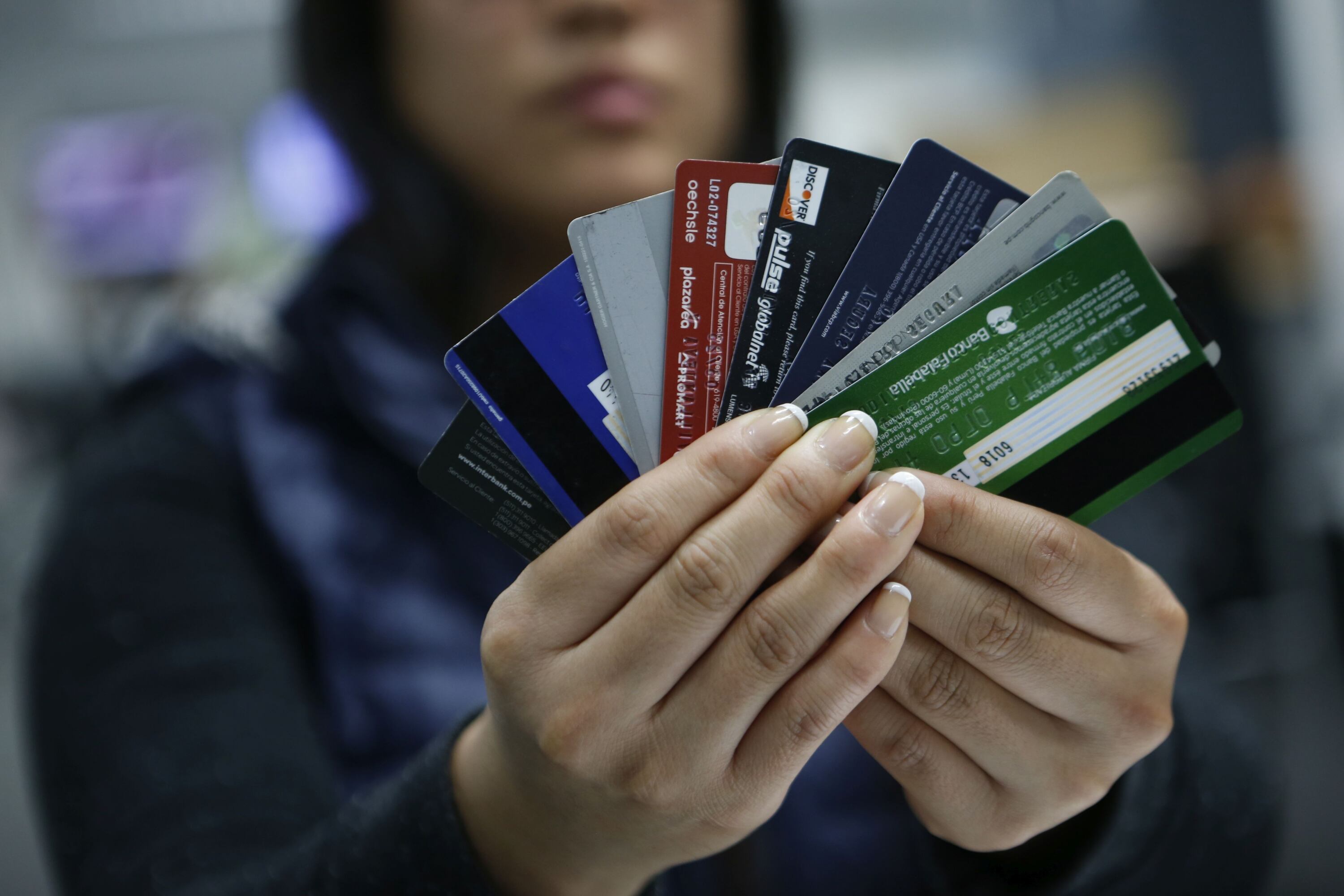
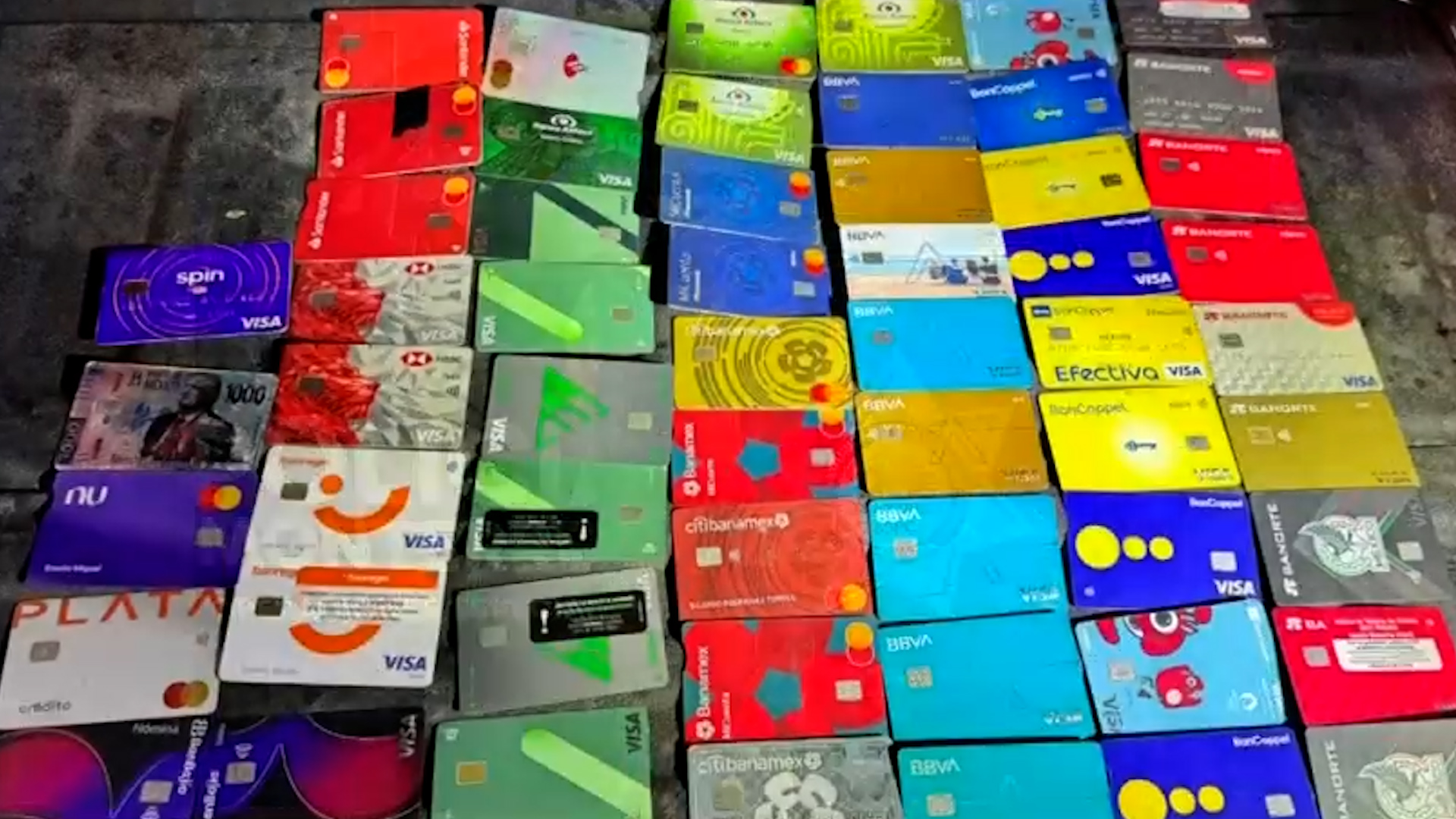
In the United States, "tarjetas bancarias" (bank cards) primarily consist of debit, credit, and prepaid cards. Obtaining them requires specific documentation—typically a Social Security Number (SSN) or Individual Taxpayer Identificatio...
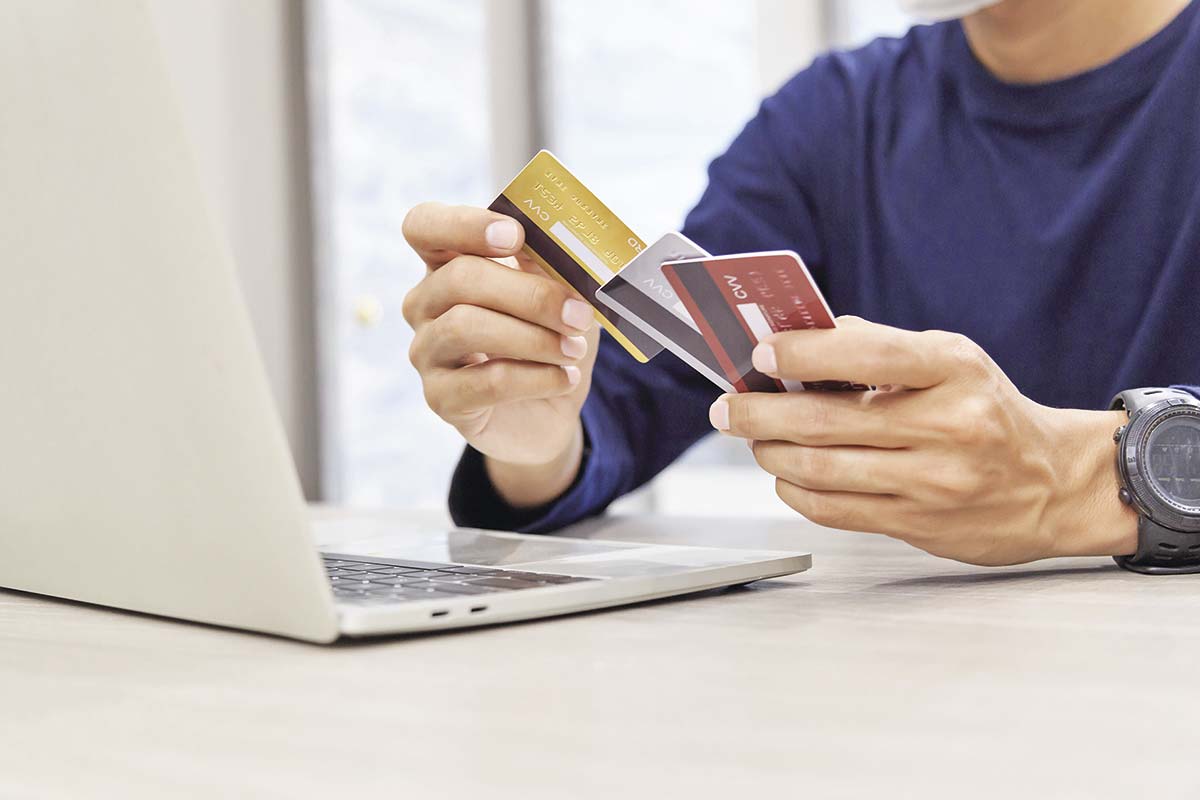
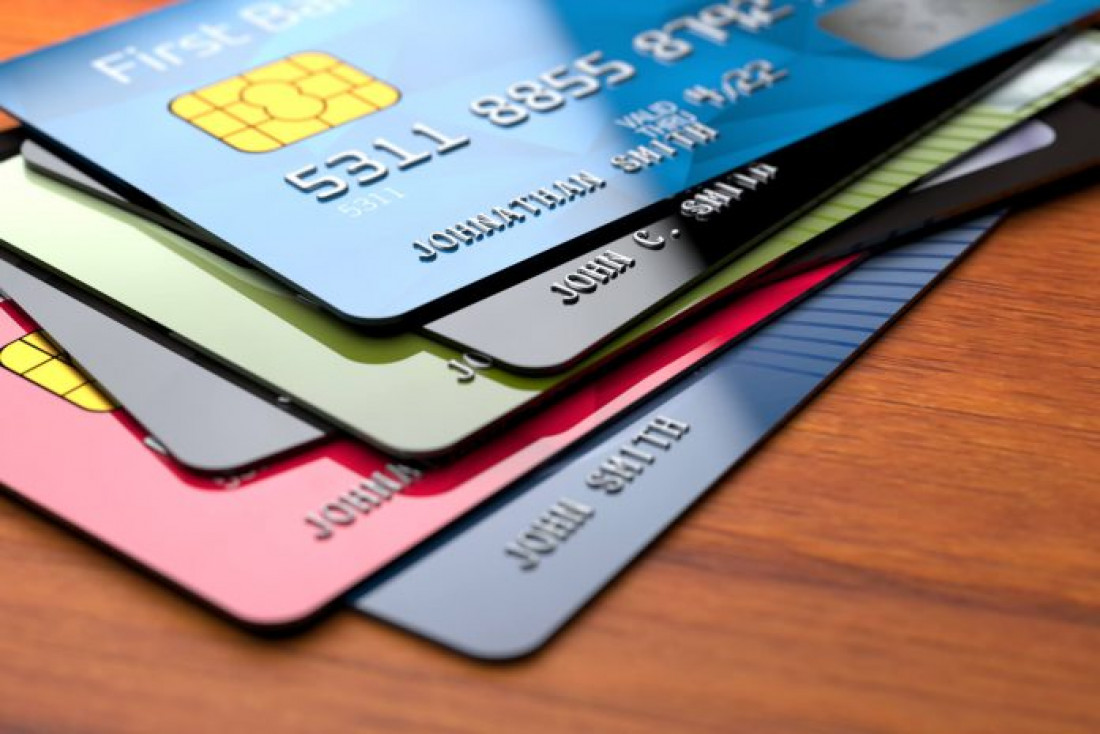
In the United States, "tarjetas bancarias" (bank cards) primarily consist of debit, credit, and prepaid cards. Obtaining them requires specific documentation—typically a Social Security Number (SSN) or Individual Taxpayer Identification Number (ITIN)—and a formal application process through a financial institution. Understanding the distinction between these cards is crucial for building credit history and managing personal liquidity within the American economy in 2026.
Contents
The Landscape of Bank Cards in the United States
As of 2026, the American financial landscape has become increasingly digitized, yet the fundamental structure of bank cards remains the cornerstone of consumer finance. Whether you are a new resident, an international student, or a long-time inhabitant, navigating the nuances of "tarjetas bancarias" is essential for daily transactions, establishing a financial footprint, and accessing larger credit facilities like auto loans or mortgages.
The U.S. system is unique in how it weights credit usage. Unlike many other countries where debit transactions are the norm, the U.S. economy is heavily incentivized toward credit card usage. This is driven by robust consumer protections, lucrative reward programs, and the ubiquitous "Credit Score," a mathematical representation of your reliability as a borrower. Understanding which card to use and when is not just a matter of convenience; it is a strategic financial decision.
Primary Types of Bank Cards
Debit Cards (Tarjetas de Débito)
A debit card is directly linked to your checking account. When you make a purchase, the funds are deducted almost immediately. In 2026, with the full implementation of real-time payment systems like FedNow and RTP, the "float" time—the delay between a purchase and the money leaving your account—has virtually disappeared.
Debit cards are essential for ATM withdrawals and are generally easier to obtain than credit cards because they do not involve an extension of credit. Most banks offer a debit card automatically upon opening a checking account. However, they offer fewer protections under the Electronic Fund Transfer Act (EFTA) compared to credit cards. If a debit card is stolen, your actual cash is at risk until the bank resolves the fraud claim.
Credit Cards (Tarjetas de Crédito)
Credit cards allow you to borrow funds from a lender up to a certain limit to purchase items or withdraw cash. You are then required to pay back the borrowed amount, plus any applicable interest, by a specific due date. These are the primary tools for building a FICO or VantageScore credit history.
In the U.S., credit cards are divided into two main categories:
- Unsecured Credit Cards: These are the most common. They do not require a deposit and are granted based on your creditworthiness and income.
- Secured Credit Cards: Ideal for those new to the country or with no credit history. You provide a refundable security deposit (e.g., $200–$500), which usually serves as your credit limit. This acts as collateral for the bank while you prove your payment reliability.
Prepaid Cards (Tarjetas Prepagadas)
Prepaid cards are not linked to a bank account. Instead, you "load" money onto the card in advance. These are often used by the "unbanked" population or those who wish to strictly limit their spending. While they function like debit cards at the point of sale, they typically do not help build credit history and often come with various maintenance or reload fees.
Requirements for Obtaining Bank Cards in 2026
To apply for most "tarjetas bancarias" in the U.S., you must satisfy several regulatory and internal bank requirements. The Consumer Financial Protection Bureau (CFPB) ensures that these processes are transparent, but the burden of proof remains with the applicant.
- Identification: A valid government-issued photo ID is mandatory. This can be a U.S. Driver’s License, a State ID, or a foreign Passport. Many banks also accept a Consular ID (Matrícula Consular).
- Taxpayer Identification: Most banks require a Social Security Number (SSN). However, for non-residents or those ineligible for an SSN, an Individual Taxpayer Identification Number (ITIN) is widely accepted by major lenders like Capital One, American Express, and Chase.
- Proof of Address: You must demonstrate that you reside in the U.S. This is usually done via a utility bill (electricity, water, internet), a lease agreement, or a bank statement from another institution.
- Income Verification: For credit cards, federal law requires lenders to evaluate your "ability to pay." You may need to provide pay stubs, tax returns, or proof of recurring transfers into a bank account.
The Importance of Credit History and FICO Scores
In the U.S., your use of credit cards is reported to three major credit bureaus: Equifax, Experian, and TransUnion. This data is compiled into a credit report, which generates your credit score.
A high credit score (typically 700 or above) is the key to financial mobility in 2026. It determines your eligibility for lower interest rates on car loans, the ability to rent premium apartments without a massive deposit, and even impacts insurance premiums in many states. For those using "tarjetas bancarias" for the first time, starting with a secured card and keeping the "credit utilization" (the amount of credit used vs. the total limit) below 10% is the fastest way to build a strong score.
Understanding Fees and Interest Rates (APR)
The cost of a bank card is not always apparent at the time of signing. In 2026, standardizing fee disclosures has made it easier to compare options, but consumers must still be vigilant.
- Annual Percentage Rate (APR): This is the interest rate charged on balances carried over from month to month. In a fluctuating economic environment, APRs for credit cards often range from 18% to 30%. However, if you pay your "Statement Balance" in full every month, you can avoid interest charges entirely due to the "grace period."
- Annual Fees: Some premium cards charge a yearly fee (ranging from $95 to $695) in exchange for high-end rewards, airport lounge access, or travel credits.
- Foreign Transaction Fees: If you use your U.S. card abroad, many banks charge a 3% fee on every transaction. Travelers should look for cards specifically labeled "No Foreign Transaction Fees."
- Late Fees: Missing a payment deadline can result in fees up to $40 and, more importantly, a significant drop in your credit score if the payment is more than 30 days late.
Comparison of Bank Card Types
| Feature | Debit Card | Secured Credit Card | Unsecured Credit Card |
|---|---|---|---|
| Source of Funds | Personal Bank Account | Line of Credit (Collateralized) | Line of Credit (Uncollateralized) |
| Credit Building | No | Yes (Reports to Bureaus) | Yes (Reports to Bureaus) |
| Security Deposit | No | Yes (Usually $200+) | No |
| Interest Charges | No | Yes (If balance is carried) | Yes (If balance is carried) |
| Fraud Protection | Limited (EFTA) | Robust (FCBA) | Robust (FCBA) |
| Accessibility | Very High | Moderate (Requires Deposit) | High (Requires Good Credit) |
Security and Consumer Protections
The U.S. offers some of the strongest consumer protections in the world for credit card users under the Fair Credit Billing Act (FCBA). If you see an unauthorized charge on your credit card, your maximum liability is $50, and most major issuers offer "Zero Liability" policies, meaning you pay nothing for fraud.
Furthermore, in 2026, most "tarjetas bancarias" are equipped with advanced security features:
- EMV Contactless Chips: Standardized for secure, encrypted physical transactions.
- Virtual Card Numbers: Many banking apps now allow you to generate a unique card number for online shopping, keeping your "real" card number hidden from potential hackers.
- Biometric Authorization: High-value transactions often require a fingerprint or facial scan via a mobile banking app before they are approved.
Common Pitfalls to Avoid
When navigating the U.S. banking system, many consumers fall into traps that can derail their financial health. One common mistake is treating a credit card like an extension of one's salary. In 2026, with the ease of digital payments, "lifestyle creep" is a significant risk.
Another error is closing old credit card accounts. Length of credit history accounts for 15% of your FICO score. If you have an old card with no annual fee, it is generally better to keep it open—even if you don't use it—to maintain a longer average account age. Finally, avoid applying for multiple "tarjetas bancarias" in a short period. Each application triggers a "hard inquiry" on your credit report, which can temporarily lower your score.
FAQs
Can I get a bank card in the U.S. without a Social Security Number?
Yes. Many financial institutions allow you to apply for both debit and credit cards using an ITIN (Individual Taxpayer Identification Number). Some "Neobanks" and international-friendly banks may also accept a foreign passport and proof of U.S. residency without requiring an ITIN or SSN initially, though options are more limited.
What is the difference between a "Statement Balance" and a "Current Balance"?
The "Statement Balance" is the total amount you owed at the end of your last billing cycle. The "Current Balance" includes the statement balance plus any new purchases made since then. To avoid interest, you only need to pay the "Statement Balance" by the due date.
How long does it take to build a credit score using a bank card?
Generally, it takes about six months of consistent card activity for a FICO score to be generated. However, your credit report will begin reflecting your payment history within 30 to 60 days of your first transaction.
Are digital wallets safer than physical "tarjetas bancarias"?
In many ways, yes. Digital wallets (like Apple Pay or Google Pay) use "tokenization," which sends a one-time code to the merchant instead of your actual card number. This makes it nearly impossible for hackers to steal your card data from a merchant's database.
Does a debit card help me buy a house later?
Directly, no. Debit card transactions are not reported to credit bureaus and do not contribute to your credit score. However, a well-managed checking account shows "banking stability" and "liquidity," which mortgage lenders will review during the manual underwriting process.
Practical Recommendation
If you are just beginning your journey with "tarjetas bancarias" in the U.S., the most effective path is to open a checking account at a major national bank or a local credit union to secure a debit card for daily expenses. Simultaneously, apply for a secured credit card to begin building your credit history. Set a small recurring bill (like a streaming service) to the credit card and enable "Auto-Pay" for the full statement balance. This ensures you never miss a payment and prevents interest charges, effectively allowing you to build a top-tier credit score for free.
Image Gallery