Understanding the Role of an Auto Insurance Fraud Investigator
An auto insurance fraud investigator is a specialized professional responsible for uncovering, examining, and documenting suspicious automobile insurance claims to prevent financial payouts on fraudulent policies. They utilize surveill...
An auto insurance fraud investigator is a specialized professional responsible for uncovering, examining, and documenting suspicious automobile insurance claims to prevent financial payouts on fraudulent policies. They utilize surveillance, forensic analysis, database tracking, and interviews to protect insurance companies and consumers from billions of dollars in annual losses.
Contents
Insurance fraud is a pervasive issue affecting global economies, driving up premium costs for honest policyholders and burdening the judicial system. Within the broader ecosystem of risk management, an auto insurance fraud investigator serves as the primary defense line between organized criminal rings, opportunistic fraudsters, and legitimate insurance payouts. This comprehensive guide explores the core responsibilities, methodologies, qualifications, and operational challenges that define the profession in 2026.
The Scope and Impact of Automobile Insurance Fraud
Automobile insurance fraud is not a victimless crime. According to industry estimates from organizations like the Coalition Against Insurance Fraud, fraudulent claims cost billions of dollars annually in the United States alone. These costs are ultimately absorbed by everyday consumers through inflated premium rates. Fraud schemes range from opportunistic padding of legitimate repair bills to complex, multi-party organized rings staging high-velocity collisions.
Investigators operate across various sub-sectors of the insurance industry, including private carriers, specialized special investigation units (SIUs), and independent adjusting firms. Their primary objective is to differentiate between genuine accidents caused by negligence or misfortune and premeditated scams designed to extract maximum financial compensation from carriers.
Common Types of Auto Insurance Fraud
To effectively combat illicit claims, an auto insurance fraud investigator must master the taxonomy of automotive scams. Fraud schemes generally fall into two broad categories: hard fraud and soft fraud.
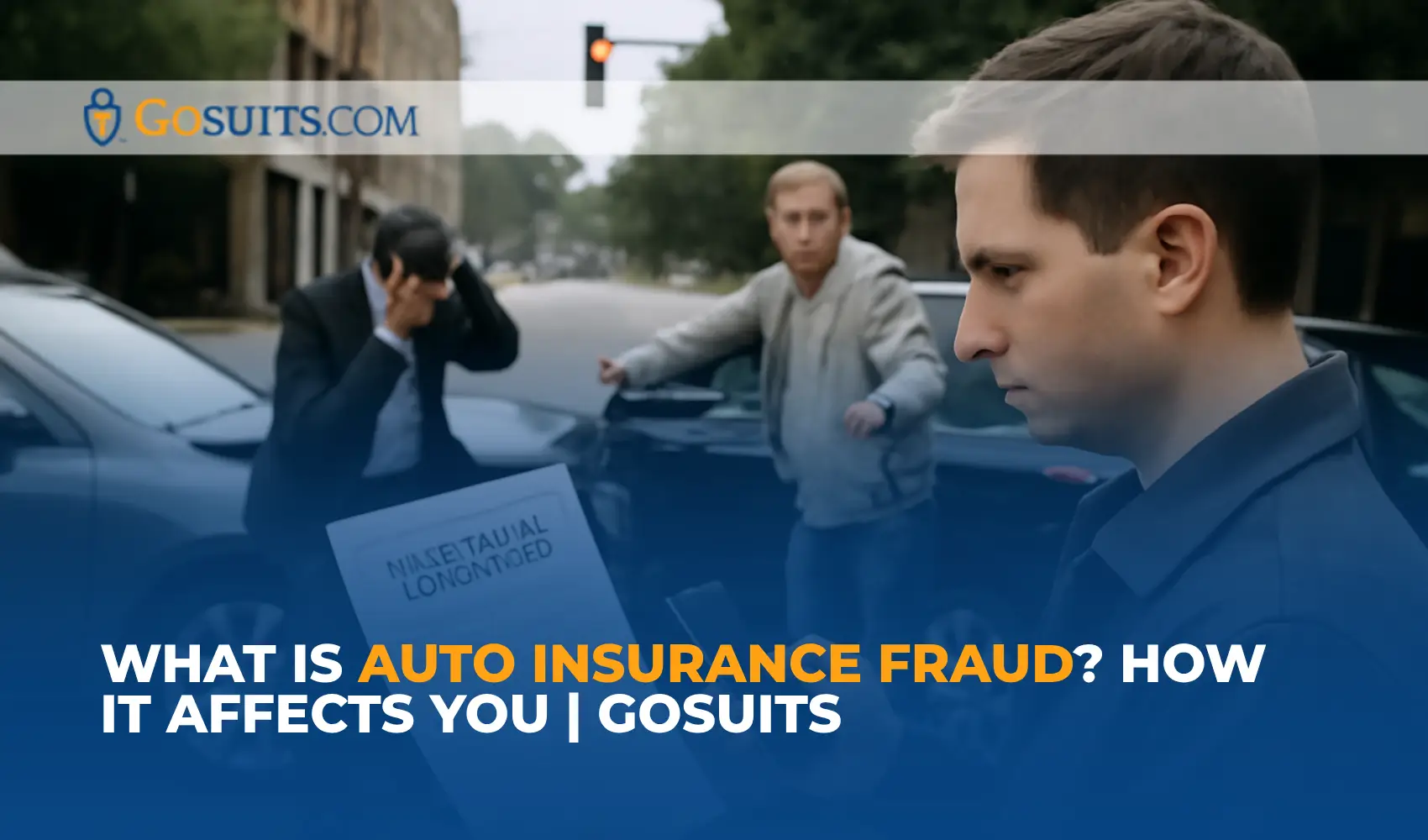
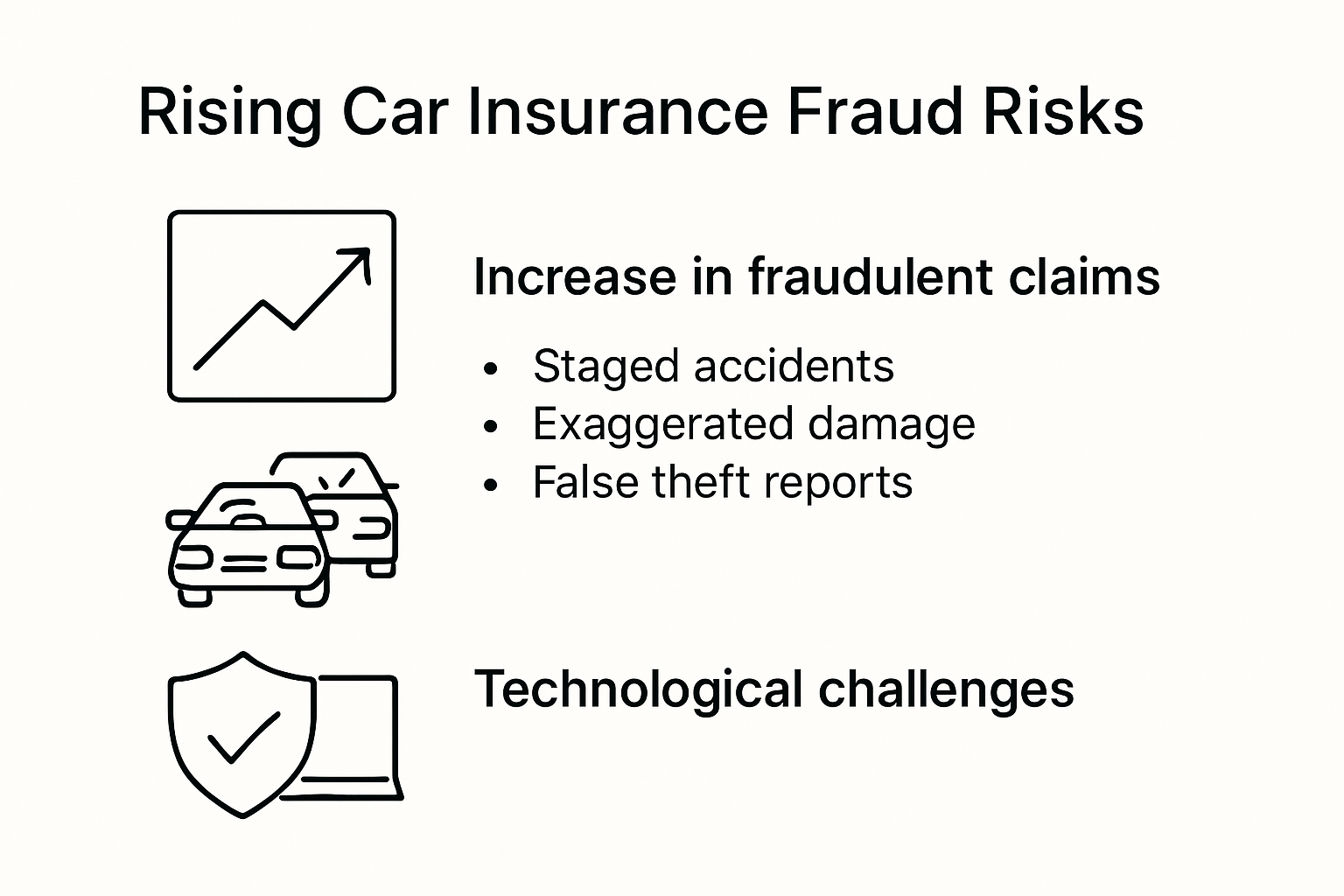
- Hard Fraud (Staged Accidents): Criminals deliberately cause collisions or fabricate accidents entirely. Common tactics include "drive-down" scams (where a driver yields right-of-way to a victim, waves them ahead, and then intentionally rams their vehicle) and "swoop and squat" operations involving multiple vehicles coordinating to trap an innocent driver.
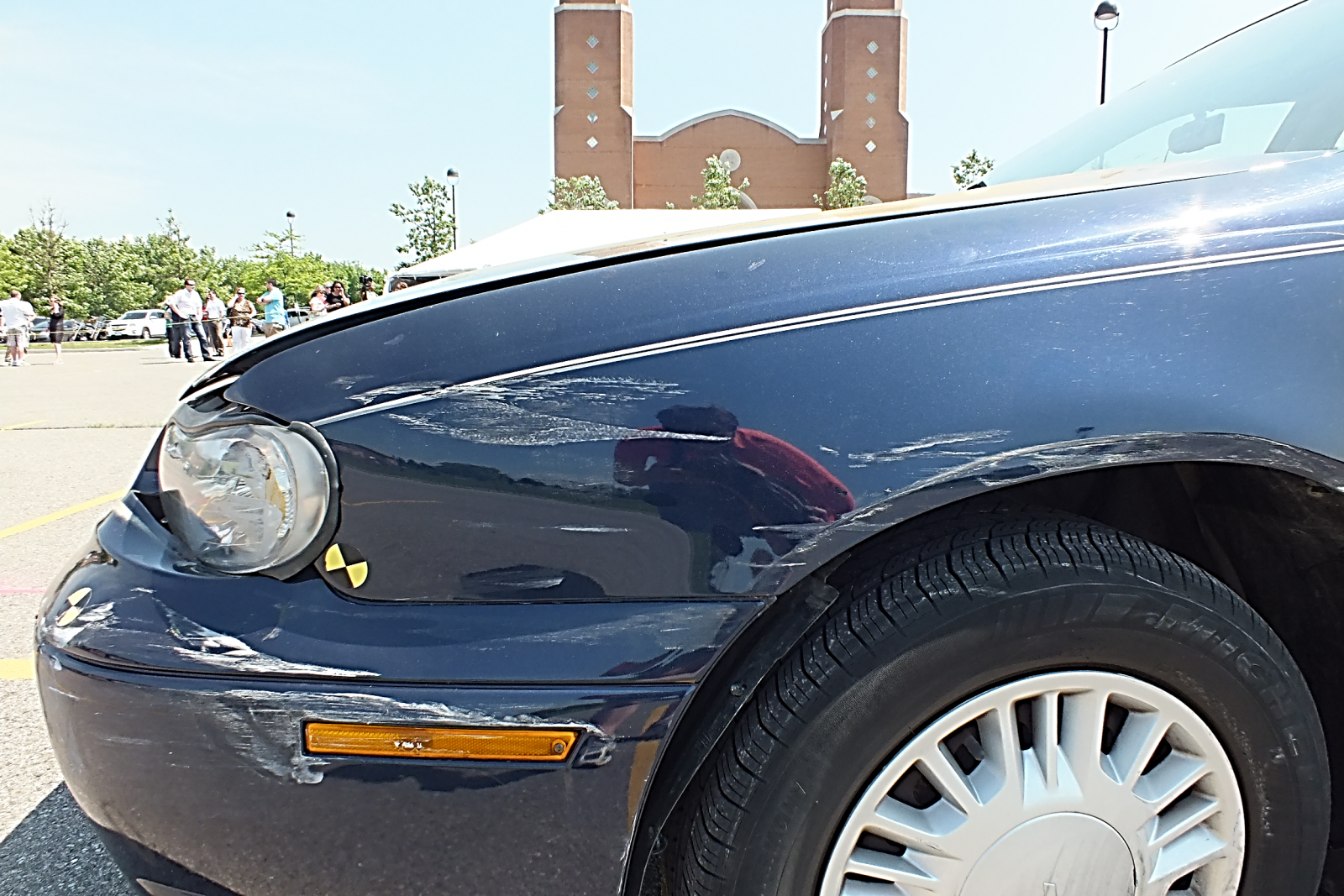
- Soft Fraud (Opportunistic Padding): A genuine, accidental collision occurs, but the claimant or service provider exaggerates the severity of property damage, inflates medical bills, or reports preexisting vehicle damage as part of the new claim.
- Paper Accidents: Vehicles that do not exist, or are already severely damaged in a salvage yard, are insured and subsequently reported stolen or burned to collect the comprehensive insurance payout.
- Provider Fraud: Collusion between dishonest medical practitioners, legal representatives, and claimants to bill insurance companies for unnecessary treatments, physical therapy sessions, or inflated legal fees.
Core Responsibilities and Daily Operations
The daily routine of an auto insurance fraud investigator requires a blend of investigative fieldwork, data analytics, and legal compliance. When a claim triggers a red flag—such as an uncooperative claimant, a newly issued policy preceding an immediate total-loss accident, or suspicious medical bills—it is routed to an investigator or an SIU team.
1. Initial Claim Assessment and Red Flag Analysis
Before conducting fieldwork, investigators review claim files for anomalies. Common red flags include:
- Policies purchased immediately before an incident.
- Cash-only vehicle purchases without verified titles.
- Inconsistent statements between drivers, passengers, and independent witnesses.
- Lack of police reports or delayed reporting of severe accidents.
- Similar or identical bodily injury claims involving the same medical clinics and law firms.
2. Surveillance and Fieldwork
When desk reviews fail to resolve suspicions, investigators utilize physical and digital surveillance. This may involve monitoring a claimant’s residence or workplace to verify whether alleged physical injuries—such as debilitating back pain or restricted mobility—are genuine, or if the individual is engaging in strenuous physical activity that contradicts their medical statements. Investigators must conduct all surveillance within strict legal boundaries to ensure evidence remains admissible in court.
3. Witness Interviews and Examinations Under Oath (EUO)
Investigators interview claimants, witnesses, repair technicians, and medical professionals. In complex cases, insurers may require an Examination Under Oath (EUO), a formal proceeding where the claimant answers questions under penalty of perjury, conducted in the presence of legal counsel. Investigators assist attorneys in formulating targeted questions based on inconsistencies found in the claim file.
Comparisons of Fraud Investigation Techniques
| Technique | Primary Objective | Key Tools / Methods | Legal & Operational Constraints |
|---|---|---|---|
| Database Screening | Identify claim history and cross-industry patterns | ISO ClaimSearch, NICB databases, DMV records | Compliance with data privacy laws and FCRA guidelines |
| Physical Surveillance | Verify physical capabilities and daily routines | Telephoto lenses, dashcams, GPS tracking (where legal) | Must respect reasonable expectations of privacy |
| Forensic Collision Analysis | Reconstruct physical dynamics of impact | EDR (Event Data Recorder) downloads, skid-mark analysis | Requires certified accident reconstruction credentials |
| Examination Under Oath (EUO) | Secure legally binding testimony under penalty of perjury | Recorded statements, legal counsel presence | Must be explicitly authorized by the insurance policy contract |
Qualifications, Training, and Certification
Becoming an auto insurance fraud investigator requires a combination of formal education, professional experience, and specialized certifications. Many professionals enter the field after careers in law enforcement, military intelligence, forensic accounting, or claims adjusting.
Educational Background and Skills
Most employers prefer candidates holding a bachelor’s degree in criminal justice, forensic science, finance, or a related field. Essential skills include:
- Analytical Acumen: Ability to parse complex financial records, medical bills, and telematics data.
- Interviewing Expertise: Mastery of behavioral analysis and interrogation techniques to detect deception.
- Legal Literacy: Working knowledge of insurance contract law, privacy regulations, and civil/criminal statutes governing fraud.
- Technical Proficiency: Familiarity with automotive telematics, event data recorders (EDRs), and proprietary insurance databases.
Professional Certifications
Industry-recognized credentials enhance professional credibility and career advancement. Prominent designations include:
- Certified Insurance Fraud Investigator (CIFI): Awarded by the International Association of Special Investigation Units (IASIU).
- Fraud Claim Law Specialist (FCLS): Administered by the American Educational Institute (AEI).
- Certified Fraud Examiner (CFE): Offered by the Association of Certified Fraud Examiners (ACFE), focusing broadly on white-collar crime detection.
Regulatory Environment and Ethical Boundaries
Auto insurance fraud investigators must navigate a complex web of state and federal regulations. Insurance fraud is a criminal offense in many jurisdictions, carrying penalties ranging from heavy fines to multi-year prison sentences. However, investigators themselves are legally bound to respect civil rights, privacy laws, and fair claims practices.
Compliance and Defamation Risks
Investigators must avoid overstepping legal boundaries during fieldwork. Improperly obtained evidence can be suppressed in court, and aggressive surveillance tactics can expose the insurance carrier and the investigator to civil lawsuits involving invasion of privacy, harassment, or defamation. Consequently, professional codes of ethics emphasize objectivity, thorough documentation, and strict adherence to statutory guidelines.
Frequently Asked Questions
What triggers an auto insurance fraud investigation?
Investigations are triggered by specific red flags, such as delayed reporting, suspicious damage patterns, conflicting statements between parties, policies bought shortly before a claim, or claimants with a history of frequent, low-impact collisions.
Can an insurance company deny a claim without proof of fraud?
No. Insurance carriers must possess verified evidence, substantial documentation, or a legal basis (such as material misrepresentation during an Examination Under Oath) to legally deny a claim or accuse a policyholder of fraud.
Do auto insurance fraud investigators work for police departments?
While many investigators are former law enforcement officers, most work directly for insurance companies, independent investigative agencies, or industry-funded groups like the National Insurance Crime Bureau (NICB), rather than municipal or federal police departments.
What is an Examination Under Oath (EUO)?
An EUO is a formal, recorded proceeding where an insurance claimant answers questions asked by an insurance company’s legal counsel under oath. Providing false statements during an EUO constitutes insurance fraud and perjury.
How do investigators prove that a staged accident occurred?
Investigators analyze Event Data Recorder (EDR) "black box" data, police accident reports, vehicle crush patterns, and cell phone records to prove that drivers intentionally maneuvered their vehicles to cause a collision without applying brakes or taking evasive action.
Next Actions and Professional Resources
For individuals seeking to enter the profession or policyholders wishing to understand investigative procedures, consulting official industry bodies provides the most reliable pathway. Review guidelines published by the Coalition Against Insurance Fraud or explore certification requirements via the International Association of Special Investigation Units. Maintaining transparency, documenting vehicle damage thoroughly, and understanding your policy terms remain the most effective safeguards against fraudulent disputes.
Image Gallery