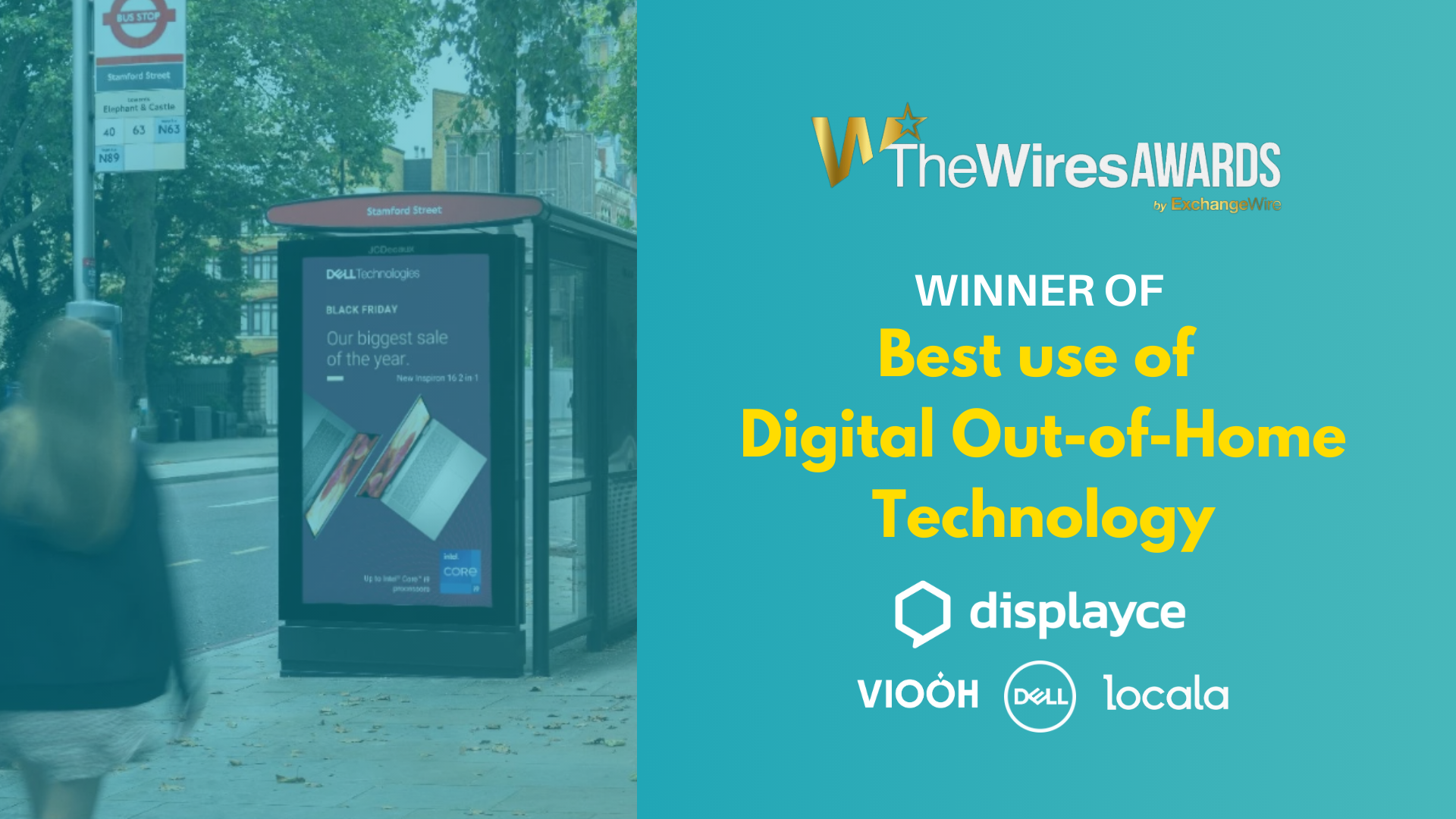
The Global Expansion of Digital Out-of-Home Advertising: Trends and Technology in 2026
Digital Out-of-Home (DOOH) advertising has transitioned from a supplementary media channel to a primary pillar of omnichannel marketing strategies. By 2026, the rise of DOOH is driven by programmatic automation, high-precision geospati...
Digital Out-of-Home (DOOH) advertising has transitioned from a supplementary media channel to a primary pillar of omnichannel marketing strategies. By 2026, the rise of DOOH is driven by programmatic automation, high-precision geospatial data, and the integration of dynamic creative optimization, allowing brands to reach consumers in the physical world with the same agility as digital web advertising.
Contents
Defining Digital Out-of-Home (DOOH) in the Modern Era
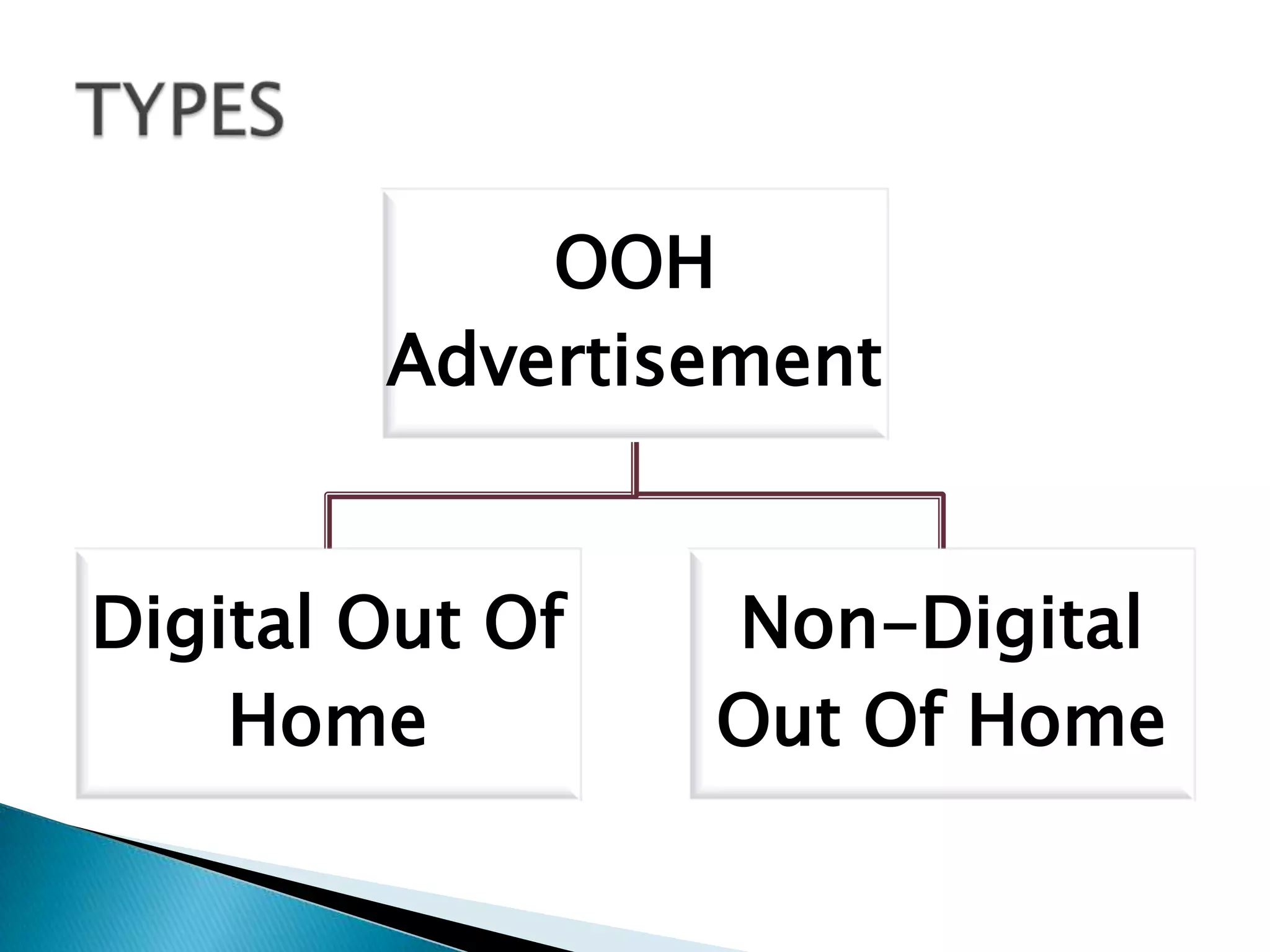
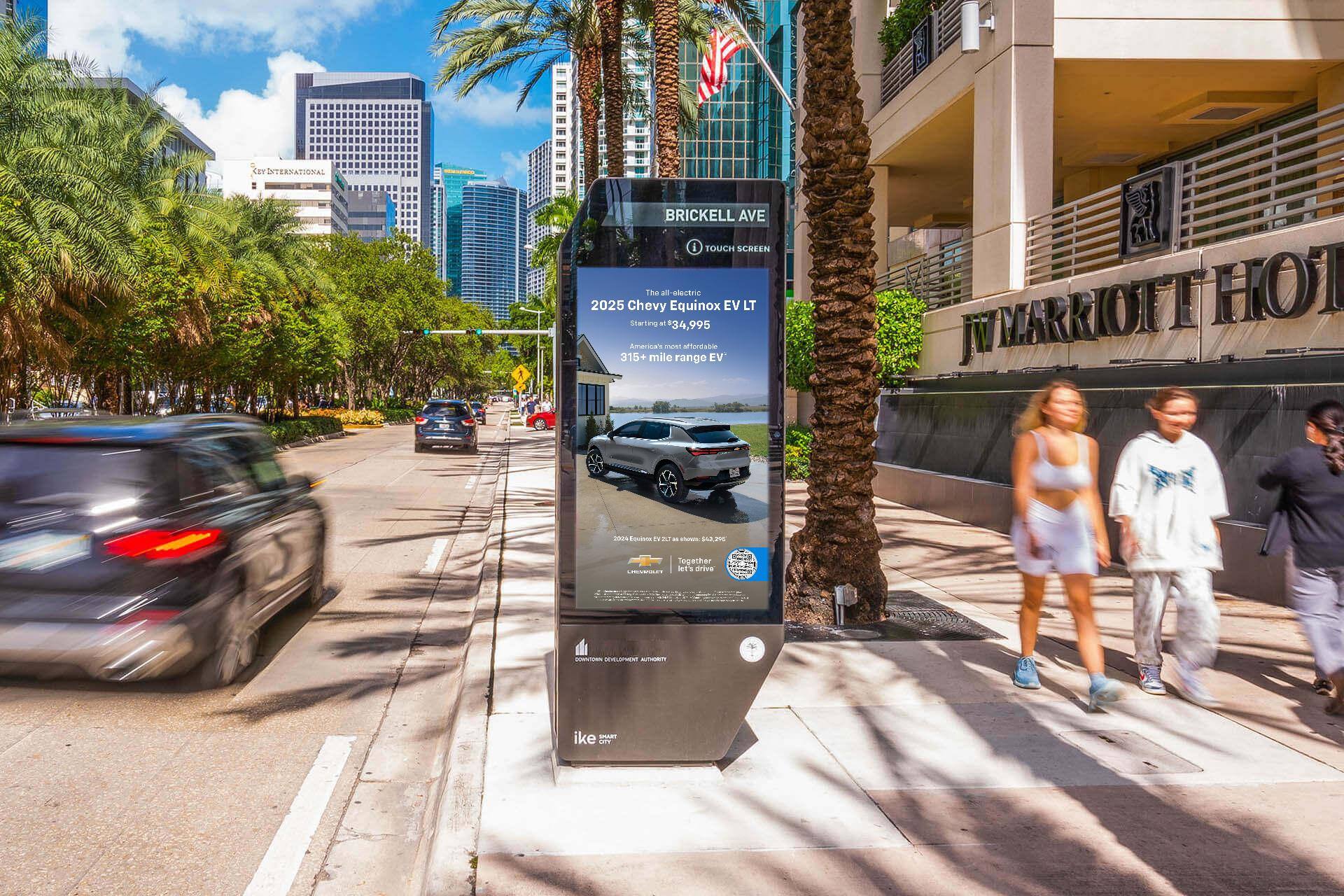
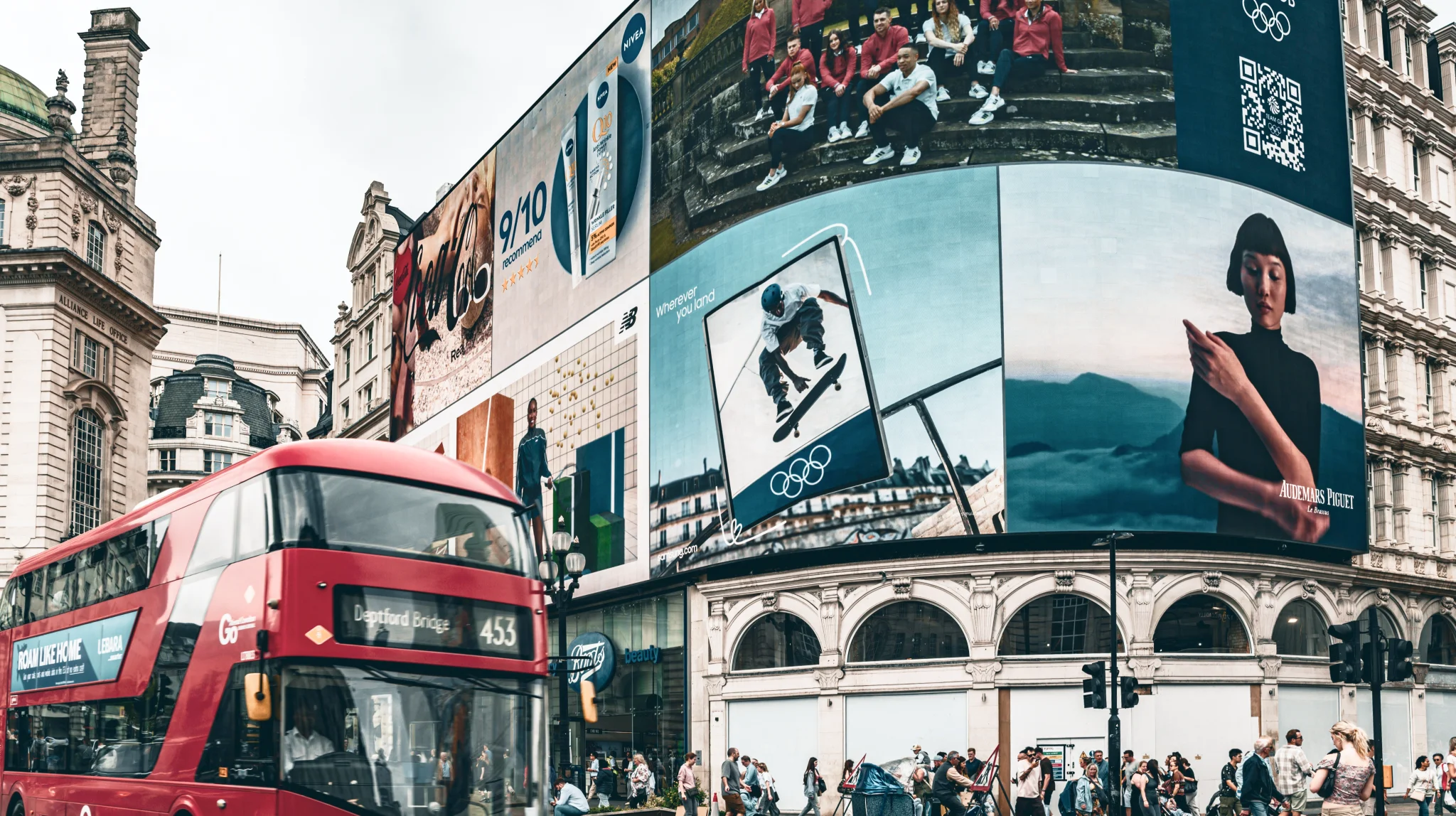
To understand the rise of digital out-of-home advertising, one must first distinguish it from its predecessor. Traditional Out-of-Home (OOH) refers to static physical signage—printed billboards, posters on bus shelters, and vinyl wraps. DOOH digitizes these touchpoints, utilizing LED, LCD, and projection technology to deliver motion graphics, video, and interactive content.
In 2026, the definition has expanded further to include "Place-Based Media." This encompasses screens found in highly specific environments such as gym monitors, elevator screens in office towers, point-of-sale displays in retail pharmacies, and charging station screens for electric vehicles. The core value of DOOH lies in its unblockable nature; unlike mobile or desktop ads, DOOH cannot be skipped, hidden by ad-blockers, or ignored through subscription-based "premium" tiers. It exists in the public square, capturing attention during the "interstitial moments" of a consumer’s day—commuting, shopping, or socializing.
Key Drivers Behind the Exponential Growth of DOOH
The rapid ascent of DOOH over the last several years is not a result of a single innovation but rather a convergence of several technological and macroeconomic factors.
The Programmatic Revolution (pDOOH)
The shift from manual, direct-buy insertions to Programmatic DOOH (pDOOH) has been the single greatest catalyst for growth. In the past, buying a billboard required weeks of negotiation and manual installation. Today, advertisers use Demand-Side Platforms (DSPs) to bid on screen inventory in real-time. This automation allows for "audience-based buying" rather than "location-based buying." Instead of buying a specific screen in Times Square, an advertiser can buy "commuters in financial districts" across multiple cities, with the software selecting the optimal screens at the optimal times.
The Decline of Third-Party Cookies
As the digital advertising industry navigated the "cookie-less" transition of 2024 and 2025, DOOH emerged as a primary beneficiary. Because DOOH relies on aggregate geospatial data and environmental triggers rather than individual tracking pixels, it is inherently more privacy-compliant than personalized web tracking. Advertisers looking for scale and impact without the regulatory headaches of GDPR or CCPA have shifted significant portions of their budgets toward DOOH.
Infrastructure and Hardware Accessibility
The cost of high-density LED modules and energy-efficient displays has plummeted, making it viable for smaller municipalities and retail centers to convert static assets to digital. Furthermore, the 2026 landscape features ubiquitous 5G connectivity, which allows screens to stream high-definition 8K content and process real-time data feeds without the latency issues that plagued early digital signage.
Technological Pillars Supporting DOOH in 2026
The sophistication of DOOH in 2026 is supported by several integrated technologies that make the medium smarter and more responsive than ever before.
Data Integration and Environmental Triggers
DOOH is no longer a "set it and forget it" medium. Modern campaigns use Application Programming Interfaces (APIs) to trigger specific creatives based on real-time conditions.
- Weather Triggers: A beverage brand might display hot coffee ads when the temperature drops below 40°F and pivot to iced coffee when it rises above 70°F.
- Traffic and Transit Data: Displays near highways can adjust messaging based on traffic congestion levels, offering "stop and shop" incentives when delays are high.
- Live Scores and Stocks: Financial and sports betting brands use real-time feeds to keep content relevant to the immediate context of the viewer.
Dynamic Creative Optimization (DCO)
DCO allows for thousands of variations of an ad to be generated and served automatically. In 2026, AI-driven DCO engines analyze which visual elements (colors, CTA placements, fonts) are performing best in specific locations and optimize the creative on the fly. This level of personalization, once reserved for Facebook or Google ads, is now standard for digital billboards.
Anamorphic and 3D Visuals
The "forced perspective" or 3D billboard has moved from a novelty in Tokyo and London to a mainstream global phenomenon. These displays use specific viewing angles to create the illusion of three-dimensional depth. For high-end luxury brands and movie studios, these activations provide significant "social amplification," as passersby frequently film the displays and share them on social media platforms, effectively turning a localized OOH buy into a global viral campaign.
Comparing Advertising Mediums: Traditional vs. Digital OOH
| Feature | Traditional OOH | Standard DOOH | Programmatic DOOH (pDOOH) |
|---|---|---|---|
| Format | Static Vinyl/Paper | Digital Video/Loop | Dynamic/Real-time |
| Buying Process | Direct Contract (Weeks) | Direct/Loop-based | Automated Bidding (Seconds) |
| Flexibility | Fixed for 4+ weeks | Day-parting enabled | Instant start/stop/pivot |
| Measurement | Modeled Estimates | Loop Verification | Impression-level/Real-time |
| Creative Cost | High (Printing/Labor) | Low (Digital Asset) | Low (DCO/Automated) |
| Triggers | None | Limited (Scheduled) | Environmental/Data-driven |
Measuring Success: From Impressions to Outcomes
One of the historical criticisms of OOH was the difficulty of measurement—the "I know half my advertising is wasted" dilemma. In 2026, the industry has solved this through sophisticated attribution models.
Mobile Location Data and Footfall Attribution
By correlating the time and location of an ad play with anonymized mobile location data, advertisers can track "exposed" versus "unexposed" groups. This allows for accurate footfall attribution, measuring exactly how many people visited a retail store after seeing a specific DOOH screen.
Brand Lift and Sentiment Analysis
In major metro areas, DOOH networks are often equipped with optical sensors (fully anonymized) that measure aggregate dwell time and "gaze detection." This provides brands with data on how long an audience looked at an ad and their general demographic makeup (age range and sentiment), allowing for rapid creative testing and optimization.
Integration with Mobile Conversions
Many DOOH campaigns now utilize "Near Field Communication" (NFC) or high-contrast QR codes that are designed to be scanned from a distance. This creates a direct bridge from the physical screen to a mobile landing page, allowing for immediate conversion tracking and retargeting on other digital devices.
Challenges and Operational Limitations
Despite its rise, DOOH faces several hurdles that practitioners must navigate.
- Fragmentation: The DOOH market is split across hundreds of media owners (e.g., JCDecaux, Clear Channel, Lamar, and thousands of smaller niche networks). Navigating these disparate inventories requires sophisticated supply-side platforms (SSPs) to ensure a cohesive campaign.
- Standardization: While organizations like the Out of Home Advertising Association of America (OAAA) and VIOOH have made strides, there is still variance in how an "impression" is defined across different screen types (e.g., a massive roadside billboard vs. a small screen at a gas pump).
- Creative Constraints: Advertisers must adhere to strict local regulations regarding brightness, motion speed (to prevent driver distraction), and content types. What works in a pedestrian mall may be illegal on a high-speed expressway.
The Intersection of DOOH and Retail Media Networks
As of 2026, the fastest-growing sub-sector of DOOH is Retail Media. Major retailers have installed screens at the "point of inspiration"—the actual aisles where purchasing decisions are made. These in-store screens allow brands to capture the "last mile" of the consumer journey. Because retailers possess first-party purchase data, they can close the loop, proving that a specific ad on an end-cap screen led directly to a transaction at the register.
FAQs
What is the difference between DOOH and pDOOH?
DOOH is the physical medium—the digital screens themselves. pDOOH (Programmatic Digital Out-of-Home) is the method of buying those screens. Programmatic buying uses software to automate the purchase, allowing for real-time bidding, better targeting, and more flexible campaign management compared to traditional direct-buy methods.
How is DOOH measured in 2026?
Measurement is primarily handled through a combination of mobile location data (tracking footfall to stores), optical sensors (measuring dwell time and impressions), and third-party verification services that ensure ads were played as intended. Brands use "control vs. exposed" studies to determine the specific lift in sales or brand awareness caused by the campaign.
Is DOOH privacy-compliant?
Yes. Unlike web advertising, DOOH does not require individual tracking cookies or PII (Personally Identifiable Information). It uses aggregate data—analyzing groups of people rather than individuals—to determine where and when to show an ad. This makes it one of the most resilient mediums against changing privacy laws.
Can small businesses afford DOOH?
Absolutely. The rise of pDOOH has lowered the barrier to entry. Small businesses can now set daily budgets as low as $50 and bid on specific neighborhood screens during peak hours, rather than having to commit thousands of dollars to a month-long billboard lease.
What are "Environmental Triggers" in DOOH?
Environmental triggers are data points that tell an ad server to change the creative based on the surrounding world. Common triggers include current weather (rain vs. sun), temperature, traffic density, time of day, or even the outcome of a live sporting event.
Practical Recommendation for 2026 Campaigns
For brands looking to capitalize on the rise of digital out-of-home, the recommended next action is to integrate DOOH into a multi-channel retargeting strategy. Do not view DOOH as an isolated "awareness" play. Instead, use mobile geofencing to "prime" audiences with DOOH screens in high-traffic areas, and then retarget those same anonymized device IDs with social media or display ads later in the day. This "surround sound" approach has been proven to increase conversion rates by up to 30% compared to single-channel campaigns.
Image Gallery