Your Net Worth Is Not the Same as Your Company's Net Worth
Personal net worth and business net worth are distinct financial metrics representing different legal entities. While a business owner’s personal wealth often includes the value of their equity in a company, the two figures are calcula...
Personal net worth and business net worth are distinct financial metrics representing different legal entities. While a business owner’s personal wealth often includes the value of their equity in a company, the two figures are calculated differently, taxed under separate frameworks, and subject to different liability protections and liquidity constraints.
Contents
For many entrepreneurs and business owners in 2026, the line between personal identity and professional enterprise often blurs. However, failing to distinguish between your personal net worth and your company's net worth is a fundamental mistake that can lead to catastrophic legal, tax, and operational consequences. Whether you are a sole proprietor or the CEO of a multi-state corporation, understanding these boundaries is essential for long-term financial stability and asset protection.
Defining the Two Financial Identities
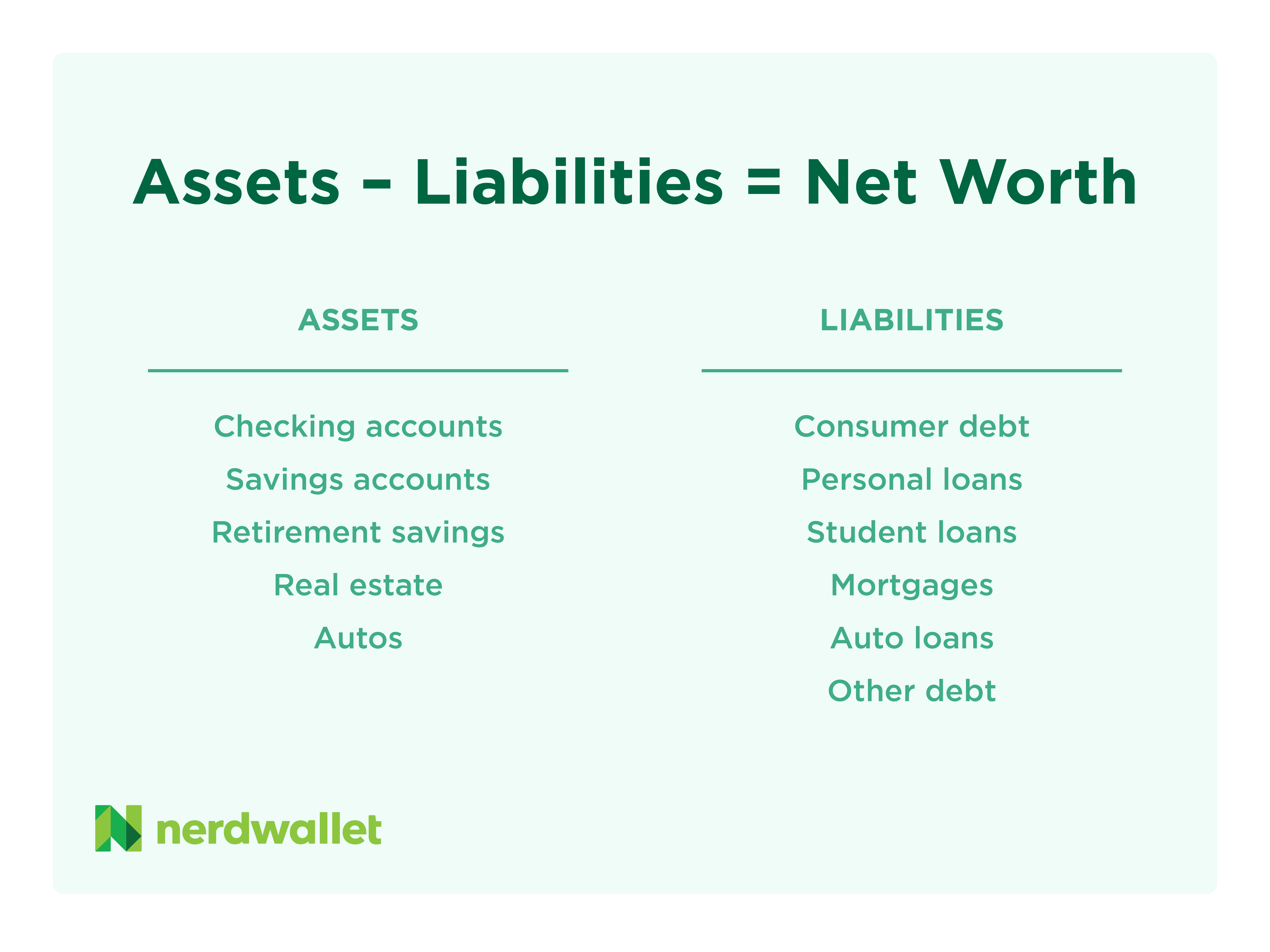
To understand why these values differ, we must first define the core components of each. At its simplest level, net worth is always calculated as Total Assets minus Total Liabilities. However, the "assets" and "liabilities" included in the calculation vary significantly depending on whether the entity is a human being or a business.
Personal Net Worth
Your personal net worth is a snapshot of your individual financial health. It encompasses everything you own in your own name, such as your primary residence, personal vehicles, jewelry, retirement accounts (like a 401(k) or IRA), and cash in personal savings accounts. On the liability side, it includes your mortgage, student loans, personal credit card debt, and auto loans.
Crucially, if you own a business, the fair market value of your ownership stake in that business is considered an asset on your personal balance sheet. However, the business itself owns its own equipment, inventory, and intellectual property, which you do not own directly.
Company Net Worth (Owner's Equity)
In accounting terms, a company's net worth is known as book value or shareholder equity. This is found on the company's balance sheet. It includes business-specific assets like commercial real estate, machinery, accounts receivable, and patents. The liabilities include business loans, accounts payable, and payroll obligations.
The distinction becomes complex because a company’s "market value" (what someone would pay to buy it) often exceeds its "book value" (assets minus liabilities). As of 2026, market valuations are frequently driven by intangible assets and future earnings potential, meaning a company could have a low "accounting" net worth but a very high "valuation" that contributes to the owner's personal net worth.
The Legal and Financial "Corporate Veil"
One of the primary reasons for maintaining a strict separation between these two metrics is the legal concept of the corporate veil. When you incorporate a business as an LLC or a Corporation, you create a legal entity that is separate from yourself. This separation is designed to protect your personal assets from business-related lawsuits or creditor claims.
Protecting Personal Assets
If your company goes into debt or is sued, and you have maintained a clear distinction between your personal and business finances, your personal net worth (like your home and retirement savings) is generally shielded. However, if you treat the company's bank account as a personal piggy bank—a practice known as commingling funds—a court may "pierce the corporate veil." This allows creditors to pursue your personal assets to satisfy business debts, effectively merging your two net worths in the eyes of the law, to your detriment.
Fiduciary Responsibility
Even if you own 100% of the company, you have a fiduciary duty to the entity itself. This is especially true if the company has any debt. Creditors have a claim on the company’s assets before you do. If you withdraw too much capital for personal use, you could be accused of "fraudulent conveyance" if the business later becomes insolvent and cannot pay its bills.
Valuation vs. Liquidity: The "Paper Wealth" Trap
A common mistake for founders in 2026 is equating a high company valuation with high personal liquidity. You may own a company valued at $10 million, which theoretically adds $10 million to your personal net worth. However, unless you sell shares or the entire company, that wealth is "on paper."
The Liquidity Gap
Personal net worth is often measured by how quickly assets can be converted to cash without losing value. Business net worth is notoriously illiquid. You cannot easily pay for a personal medical emergency or a child’s tuition using "equity" in a private company without a complex transaction, such as a secondary share sale or a dividend distribution.
EBITDA and Multipliers
In 2026, business valuations are often calculated using a multiple of EBITDA (Earnings Before Interest, Taxes, Depreciation, and Amortization). For example, a service business might sell for 4x to 6x EBITDA, while a high-growth tech firm might sell for much more. These multiples fluctuate based on interest rates and market sentiment. Your personal net worth might swing wildly based on these market conditions, even if the actual cash in your personal bank account remains the same.
Comparative Overview: Personal vs. Business Wealth Metrics
The following table outlines the key differences in how assets and liabilities are treated across these two domains.
| Feature | Personal Net Worth | Company Net Worth (Equity) |
|---|---|---|
| Primary Assets | Home, Cash, Retirement, Business Value | Inventory, Equipment, IP, Accounts Receivable |
| Primary Liabilities | Mortgage, Student Loans, Personal Credit | Business Loans, Accounts Payable, Accrued Wages |
| Valuation Basis | Fair Market Value of holdings | Book Value or Market Multiple (EBITDA) |
| Tax Treatment | Individual Income Tax / Capital Gains | Corporate Tax / Pass-through (S-Corp/LLC) |
| Legal Protection | Limited (Personal Liability) | High (Corporate Veil Protection) |
| Liquidity | Typically higher (Cash/Stocks) | Typically lower (Private Equity) |
| Regulatory Body | Internal Revenue Service (IRS) | SBA / Secretary of State |
Why You Can’t Spend Business Assets Like Personal Cash
New business owners often assume that if the company "made" $200,000 this year, their personal net worth increased by that amount and the cash is theirs to spend. This is a dangerous misconception due to the way taxes and accounting are structured in 2026.
Double Taxation and Payroll
If your business is a C-Corporation, the company pays taxes on its profits. If you then take that money out as a dividend, you are taxed again on your personal return. Even in pass-through entities like S-Corps or LLCs, the "profit" of the business is not the same as your "take-home pay." You must account for reinvestment needs, such as replacing old equipment or hiring new staff, before determining what can be safely distributed to yourself.
The Role of Working Capital
A healthy company net worth requires maintaining working capital—the difference between current assets and current liabilities. If you drain the company's cash to increase your personal net worth (by buying personal assets), the company may lack the liquidity to survive a market downturn. Maintaining a strong balance sheet within the company is a prerequisite for a stable personal financial future.
Best Practices for Managing the Distinction in 2026
To ensure your financial health and legal safety, you should follow strict operational guidelines. The Financial Accounting Standards Board (FASB) provides the underlying principles for how business entities should report their financial status, and following these standards—even for small businesses—is highly recommended.
- Separate Bank Accounts: Never use a business credit card for personal groceries, and never pay a business utility bill from your personal checking account.
- Formal Compensation: Pay yourself a consistent salary or structured owner's draw. This creates a paper trail that reinforces the separate nature of the two entities.
- Regular Valuations: Once a year, have a professional valuation performed on your business. This helps you understand how much of your personal net worth is tied up in a single, illiquid asset.
- Diversification: Do not keep all your wealth within the company. Move profits into personal investment accounts (when tax-efficient) to ensure that if the company’s net worth drops, your personal net worth is not completely wiped out.
Common Pitfalls and How to Avoid Them
The most frequent error is the over-leveraging of personal assets for business growth. In 2026, many entrepreneurs use "home equity sharing" or personal guarantees to secure business loans. While this can provide necessary capital, it effectively tethers your personal net worth to your company's success. If the company net worth turns negative (insolvency), your personal net worth follows suit.
Another pitfall is ignoring deferred tax liabilities. If your company has a high net worth on paper due to appreciated assets, you may owe significant taxes when those assets are eventually sold. Your "real" personal net worth should account for the "net-of-tax" value of your business ownership, rather than the raw market valuation.
Frequently Asked Questions
1. Does my company's debt affect my personal credit score?
Generally, no—provided the debt is in the company's name and you did not sign a personal guarantee. However, for many small business loans in 2026, lenders still require a personal guarantee, which means a business default could lead to a personal liability and a drop in your personal credit score.
2. If my company's net worth is negative, is my personal net worth also negative?
Not necessarily. If your company owes more than it owns (negative equity), but you have a million dollars in a personal savings account and a paid-off home, your personal net worth remains positive. Because of limited liability laws, you are usually not personally responsible for the company’s negative balance, provided you haven't commingled funds.
3. Can I use my personal net worth to get a business loan?
Yes. Banks often look at the owner's personal financial statement (PFS) to determine the risk level of a business loan. They want to see that you have a high personal net worth because it suggests you are financially responsible and have assets that could potentially back the loan if you choose to offer a guarantee.
4. Why is the "book value" of my company so much lower than what I think it’s worth?
Book value is based on historical cost minus depreciation. For example, if you bought a piece of machinery for $50,000 five years ago, its book value might be $10,000 today. However, the machine's "value" to your operations might be much higher. Similarly, book value rarely accounts for brand reputation or customer lists, which are vital to market value.
5. How should I report my business on my personal financial statement?
You should list your ownership interest as a "closely held business interest." Use a conservative estimate of the fair market value (the price a willing buyer would pay), rather than the company’s total assets or book value.
Practical Recommendation
If you have not done so this year, sit down with a Certified Public Accountant (CPA) or a financial advisor to create two separate balance sheets. Seeing your personal assets on one page and your business assets on another is the most effective way to internalize that they are not the same. Focus on building your company's net worth through sustainable growth, but prioritize "taking chips off the table" by moving a portion of that wealth into personal, diversified investments. This strategy ensures that your personal financial security is not entirely dependent on the volatile valuation of a single business entity.
Image Gallery