Understanding Professional Oriental Rug Cleaning Services: Standards and Procedures
Maintaining the integrity and beauty of an Oriental rug requires a specialized approach that goes beyond standard carpet cleaning methods. Professional services, often sought through established specialists like Reillys Oriental Rug Cl...
Maintaining the integrity and beauty of an Oriental rug requires a specialized approach that goes beyond standard carpet cleaning methods. Professional services, often sought through established specialists like Reillys Oriental Rug Cleaning, utilize immersion cleaning techniques, pH-balanced solutions, and meticulous drying processes to protect natural fibers—such as wool and silk—from damage, color bleeding, and structural degradation caused by improper maintenance.
Contents
The Necessity of Professional Oriental Rug Care
Oriental rugs are complex textiles, often crafted by hand with natural dyes and protein-based fibers. Unlike broadloom carpeting, which is designed for durability under heavy foot traffic and often incorporates synthetic backing materials, an Oriental rug is a structural masterpiece. The foundation (warp and weft) and the pile are susceptible to chemical reactions if cleaned with the high-alkalinity detergents commonly found in consumer-grade machines.
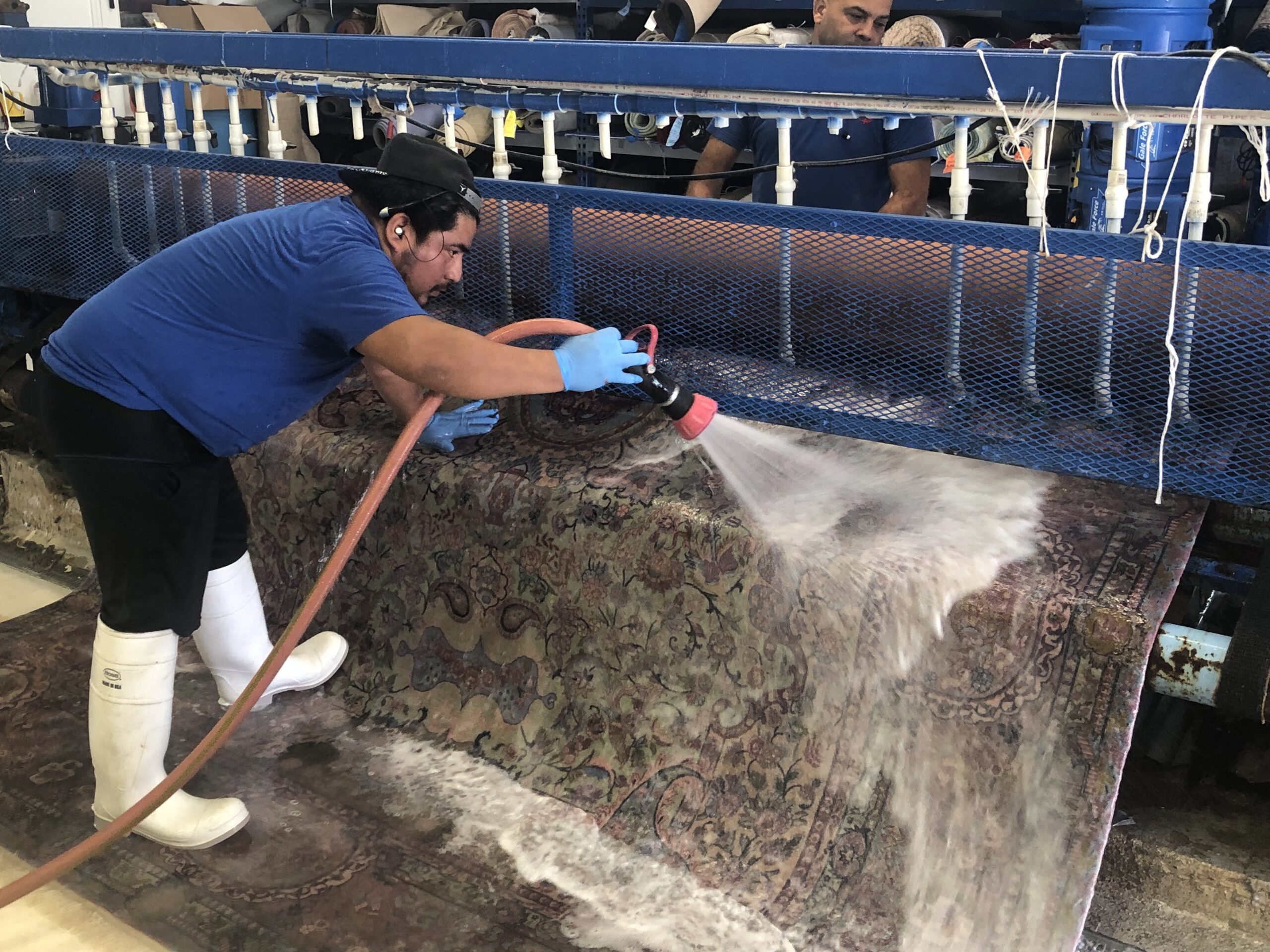
Professional cleaning services emphasize the "immersion" process. In a controlled facility, rugs are submerged in basins of water and mild, specialty cleaning agents. This method is the only way to effectively flush out deeply embedded particulate matter, such as silicates, sand, and dust, which act like sandpaper against rug fibers over time. By choosing a specialized service, owners ensure their investments are treated with methods that respect the specific weave density and dye stability of the rug’s origin.
Evaluating Cleaning Prerequisites and Preparation
Before a rug is accepted for professional cleaning, it must undergo a rigorous inspection process. Professionals look for signs of structural instability, such as dry rot, severe insect damage, or pre-existing color migration.
- Fiber Identification: A technician must identify if the pile is wool, silk, cotton, or a synthetic blend. Silk, for instance, requires lower temperatures and specific chemical treatments to prevent stiffness.
- Dye Testing: Colorfastness is verified using a controlled test on a hidden area of the rug. If the dyes are fugitive—meaning they tend to bleed—special stabilizers must be applied before any moisture is introduced.
- Soil Analysis: Determining the type of soil is critical. Pet urine, for example, is highly acidic and requires an enzyme-based neutralizing pre-treatment that differs significantly from cleaning general tracked-in dirt.
The Technical Workflow of Professional Cleaning
The cleaning sequence is designed to maximize cleanliness while minimizing mechanical stress on the fibers. Understanding this process helps owners verify that their service provider is following industry standards.
- Dusting (Beating): Before any liquid is applied, the rug is subjected to a vibrating dusting machine or gentle compressed air. This removes up to 80% of dry particulate matter that is trapped deep in the foundation, which a standard vacuum cleaner cannot reach.
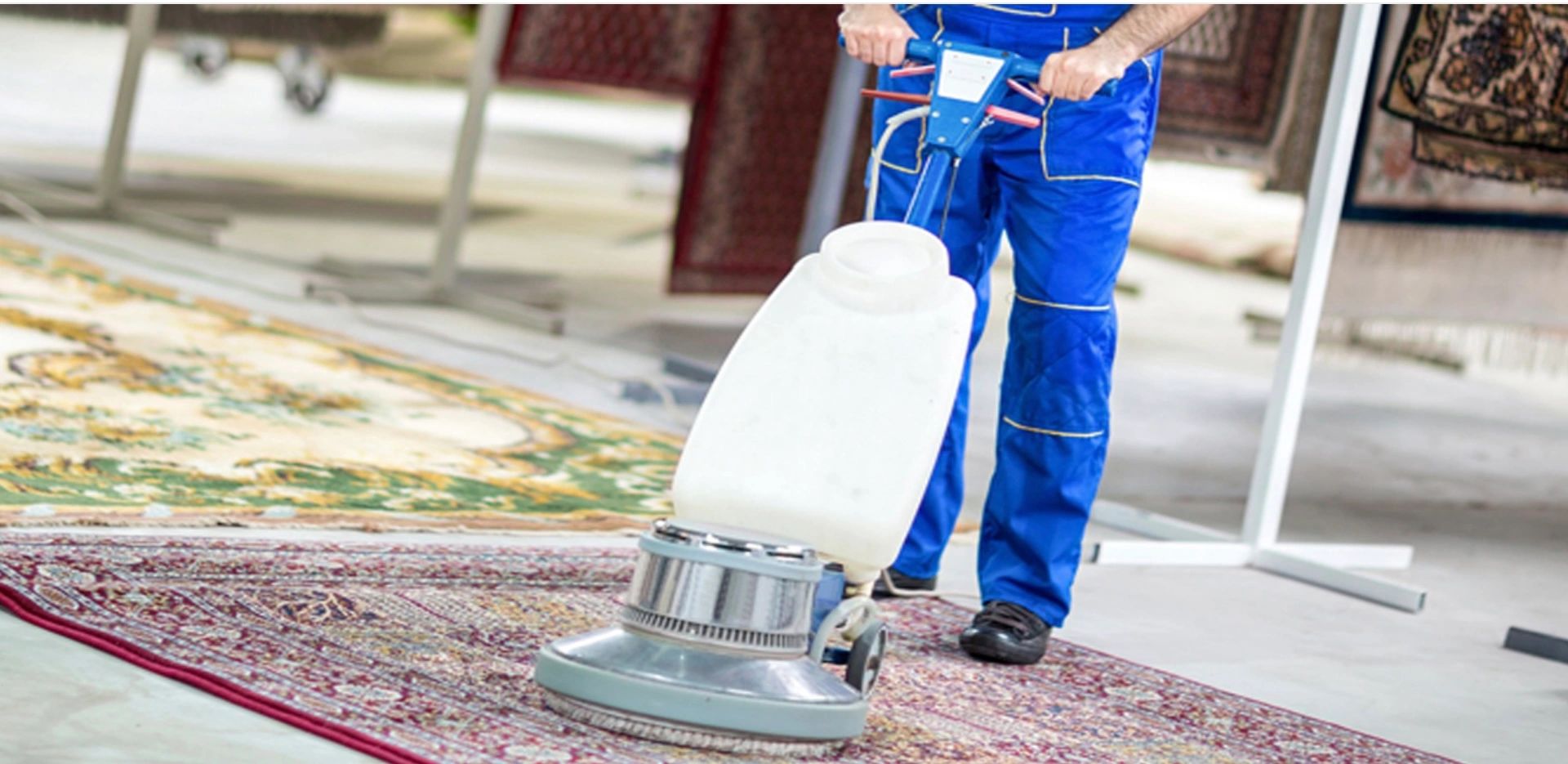
- Immersion Wash: The rug is placed in a shallow pool of water with a surfactant specifically formulated for oriental textiles. Technicians use soft brushes to work the solution into the pile, ensuring the foundation is reached without over-saturating or twisting the delicate knots.
- Controlled Rinsing: A high-volume, low-pressure rinse removes all cleaning agents. Leaving soap residue behind is a common error that leads to rapid re-soiling, as sticky detergent remnants attract new dust particles.
- Controlled Drying: Rugs are never hung to dry in direct sunlight, which causes UV fading. Instead, they are placed in climate-controlled environments with high-velocity airflow. This prevents "wicking," where dirty water rises to the surface during the evaporation phase.
Comparative Overview of Cleaning Methods
| Method | Suitability for Oriental Rugs | Risk Level | Primary Benefit |
|---|---|---|---|
| Immersion Wash | Excellent | Very Low | Deepest clean; removes all contaminants |
| Foam/Encapsulation | Poor | High | Incomplete soil removal; chemical residue |
| Steam/Hot Water Extraction | Moderate (If done by hand) | Moderate | Good for surface; risks shrinkage/browning |
| Hand Dry Cleaning | Limited | Moderate | Only for fragile, non-colorfast antiques |
Preventing Common Mistakes
Many owners inadvertently damage their rugs by attempting DIY spot cleaning. The most frequent error is the use of household ammonia, vinegar, or store-bought "carpet cleaners." These products often have a pH that is far too high, which can permanently strip the natural oils from wool, leaving it brittle and prone to shedding.
Furthermore, over-wetting a rug in a home setting leads to "browning." This occurs when the cellulose in the foundation fibers (cotton or jute) releases tannins during the drying process, which migrate to the surface and create dark, permanent stains. A professional service manages the moisture content of the rug throughout the entire drying cycle to ensure these tannins remain locked in the foundation.
Managing Maintenance and Scheduling
While professional cleaning is essential, it is not required on a monthly basis. For most households, a professional immersion cleaning is recommended every 18 to 24 months, depending on traffic levels and the presence of pets. In the interim, routine maintenance should be limited to:
- Gentle Vacuuming: Use a suction-only vacuum or a machine with the beater bar turned off. Rotating brushes can tear at the fibers and weaken the knots of an antique rug.
- Rotation: Rotate your rug 180 degrees once a year to ensure even wear patterns and to prevent localized fading caused by uneven exposure to sunlight.
- Padding: Always use a high-quality, non-slip felt and rubber rug pad. A proper pad acts as a shock absorber, protecting the back of the rug from being crushed against hard flooring, which significantly extends the lifespan of the pile.
Frequently Asked Questions
How can I tell if my rug is safe for water immersion? Most authentic hand-knotted Oriental rugs are designed to be cleaned with water, provided the dyes are stable. Professional cleaners perform a ph-balanced test to determine if the dyes will bleed. If they do, specialized color-fixing agents are used to lock the pigment during the wash process.
Can professional cleaning remove pet urine odors? Yes, but it requires a specialized enzyme treatment. Because pet urine is acidic and can crystallize in the foundation of the rug, simple washing is often insufficient. Professionals use a soaking process that fully neutralizes the urea salts to permanently eliminate the odor rather than masking it.
Why does it take so long to get my rug back? A thorough professional cleaning includes a 24-to-48-hour drying phase in a controlled environment. Rushing the drying process can cause mold growth or structural deformation. A reputable cleaner prioritizes the health of the fiber over a quick turnaround.
What should I do if I spill red wine on my silk rug? Act immediately by blotting—not rubbing—the spill with a white cotton cloth to remove as much liquid as possible. Do not apply soap or water. Contact a professional cleaner immediately for instructions, as silk is highly sensitive to moisture and can lose its sheen or distort if treated with incorrect chemistry.
Is it normal for a rug to look different after cleaning? If the rug was heavily soiled, the colors will often appear more vibrant and the pile "loftier" after a professional wash. If your rug appears dull after cleaning, it may indicate that the professional did not fully rinse out the cleaning agents, which often leaves a sticky residue that dulls the fibers.
Final Recommendations for Rug Preservation
To ensure the longevity of your investment, identify a cleaning facility that utilizes traditional immersion techniques and employs certified textile specialists. Before committing, ask if they handle the cleaning in-house or outsource it to a third party. If you are in a humid climate, inquire about their humidity-controlled drying capabilities, as this is the most critical stage for preventing fiber damage. By prioritizing professional, expert-led care over convenience-based methods, you protect the structural and aesthetic value of your Oriental rug for future generations.
Image Gallery