Professional Jetter Services Overview: Technology, Applications, and Standards for 2026
Professional jetter services, commonly referred to as hydro-jetting, utilize high-pressure water streams—typically ranging from 3,000 to 60,000 PSI—to clear obstructions, remove debris, and scour the internal surfaces of piping systems...
Professional jetter services, commonly referred to as hydro-jetting, utilize high-pressure water streams—typically ranging from 3,000 to 60,000 PSI—to clear obstructions, remove debris, and scour the internal surfaces of piping systems. This method is the current industry standard for restoring flow in residential, commercial, and municipal sewer lines without the need for invasive excavation or harmful chemical agents.
Contents
The Mechanics of High-Pressure Water Jetting
Understanding jetter services requires a grasp of the relationship between water pressure and water flow. In the professional plumbing and industrial cleaning industry of 2026, these two variables are precisely calibrated to address specific types of blockages.
Pressure (PSI - Pounds per Square Inch) represents the "cutting" power of the water. High PSI is essential for breaking through solid obstructions like tree roots, hardened mineral scale, or industrial byproducts. For most residential applications, pressures between 3,000 and 4,000 PSI are sufficient. However, industrial applications, such as "hydro-milling," may utilize ultra-high-pressure systems exceeding 40,000 PSI to strip coatings or concrete from the interior of large-diameter pipes.
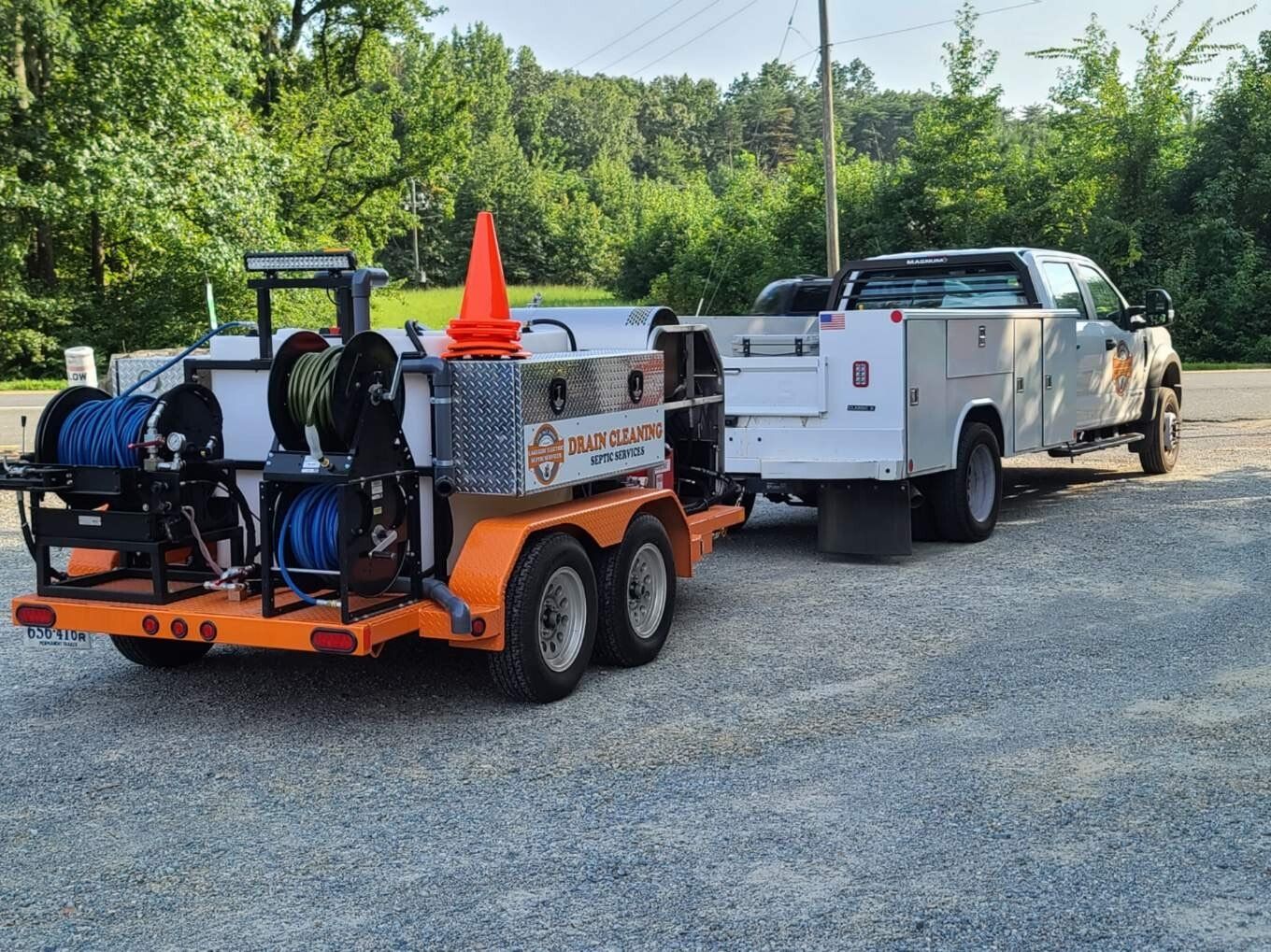
Flow (GPM - Gallons per Minute) represents the "flushing" power of the system. While pressure breaks the debris apart, the volume of water is what carries that debris out of the pipe and into the larger sewer main. A high-pressure system with low flow might poke a hole through a clog but fail to clear the pipe, leading to an immediate re-blockage. Professional-grade trailer-mounted jetters used in 2026 typically deliver between 12 and 25 GPM for commercial sewer cleaning.
The synergy of these two forces allows jetter services to achieve a state of "scouring." Unlike mechanical snakes or augers, which merely create a path through a clog, hydro-jetting cleans the pipe walls to a near-original condition, removing the "grease shelf" and bacterial biofilm that often lead to recurring issues.
Specialized Equipment and Nozzle Technology
The effectiveness of a jetter service is largely dependent on the nozzle attached to the end of the high-pressure hose. Modern nozzle technology has evolved to include precision-engineered orifices that direct water in specific patterns.
- Penetrator Nozzles: These feature a single forward-facing jet designed to blast through a total blockage, creating a pilot hole for subsequent cleaning passes.
- Descaling/Rotating Nozzles: These utilize a rotating head that spins at high speeds, providing 360-degree coverage of the pipe walls. They are the primary tool for removing calcium deposits and "tuberculation" (rust nodules) in cast iron pipes.
- Root Cutters: Specialized nozzles equipped with circular saws or high-torque turbine blades powered by water pressure. These are used specifically when invasive tree roots have breached the structural integrity of the pipe.
- Flushing Nozzles: These have multiple rear-facing jets angled to provide maximum thrust, pulling the hose deep into the pipe while simultaneously pushing all loosened debris backward toward the entry point.
The hoses themselves are constructed from high-tensile synthetic fibers or steel braids coated in thermoplastic to reduce friction. In 2026, many professional services utilize "low-friction" hoses that allow for longer runs—up to 500 feet—without significant pressure drop.
Primary Applications of Jetter Services
Jetter services are categorized based on the environment and the nature of the debris being targeted. As of 2026, the demand for these services is split across four primary sectors.
Residential Maintenance and Emergency Repair
For homeowners, jetter services are typically a curative measure for stubborn clogs that a standard plunger or hand-snake cannot resolve. Common residential targets include kitchen stacks clogged with heavy grease and main sewer lines obstructed by invasive roots. In many jurisdictions, hydro-jetting is now recommended as a preventative measure every 3 to 5 years for older homes with clay or cast iron piping.
Commercial Food Service (FOG Management)
Restaurants and commercial kitchens face unique challenges regarding Fats, Oils, and Grease (FOG). Even with properly maintained grease traps, FOG eventually solidifies in the downstream lines. Jetter services for the food industry often involve "hot water jetting," where the water is heated to approximately 160°F–180°F to emulsify the grease, making it easier to flush from the system. This is a critical component of regulatory compliance and fire safety.
Municipal Sewer Systems
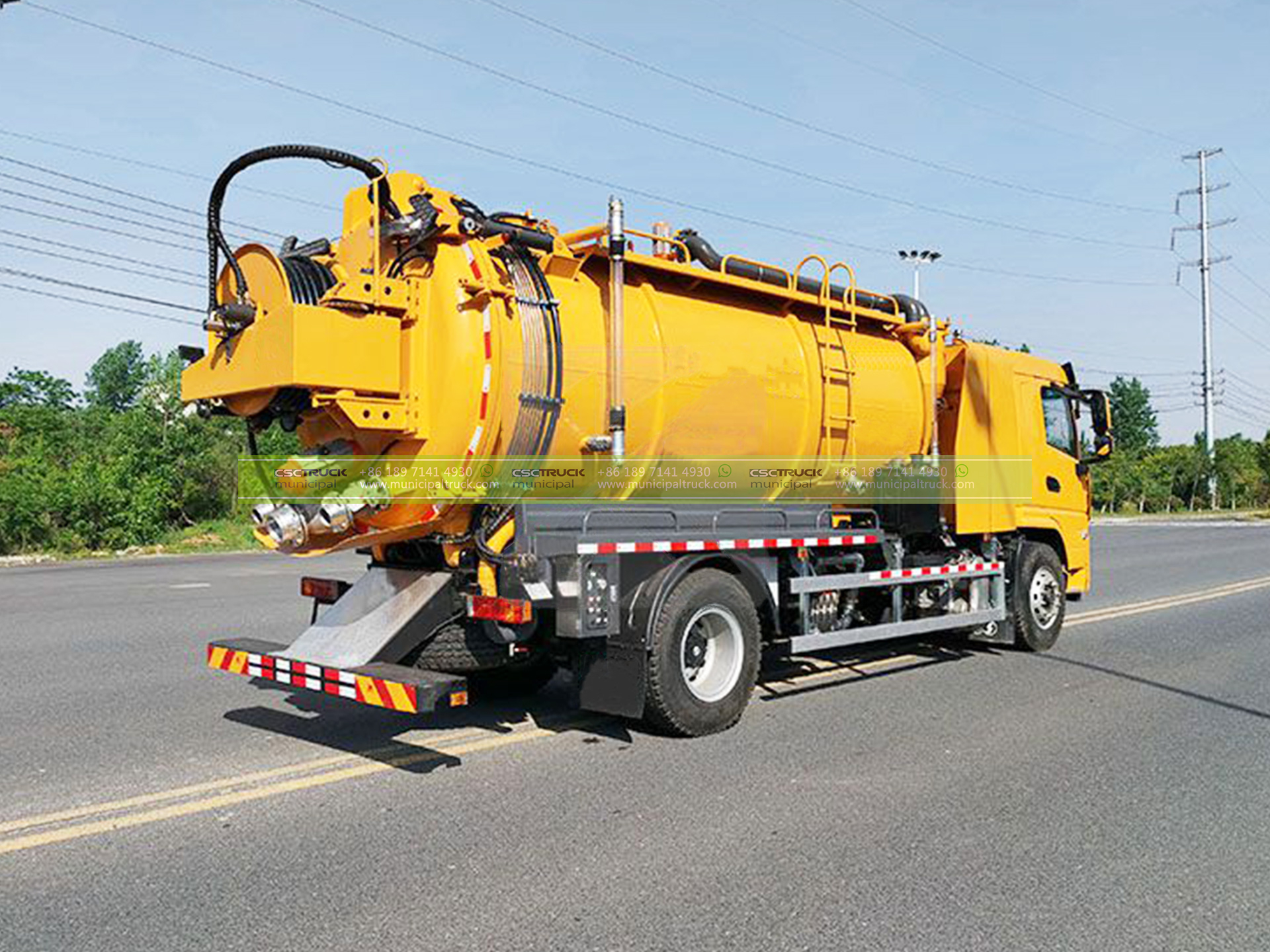
City governments utilize large, truck-mounted "vactor" units that combine high-pressure jetting with high-volume vacuuming. These services are essential for maintaining the integrity of municipal infrastructure, preventing sanitary sewer overflows (SSOs) during heavy rain events, and cleaning out storm drains that have become filled with silt and street litter.
Industrial Facilities and Heat Exchangers
In industrial settings, jetter services are used for more than just drains. They are vital for cleaning heat exchanger tubes, boilers, and storage tanks. This "hydro-blasting" removes chemical scaling and product buildup that reduces thermal efficiency, helping plants maintain operational productivity and reduce energy consumption.
The Professional Workflow: Step-by-Step
A professional jetter service is not a "blind" operation. In 2026, the standard protocol involves a sophisticated series of steps to ensure both efficacy and safety.
- Initial CCTV Video Inspection: Before any water is pressurized, a technician inserts a high-definition camera into the line. This step is non-negotiable for professional outfits because it identifies the nature of the blockage and, more importantly, the condition of the pipe. Jetting a collapsed or severely cracked pipe can cause a total structural failure.
- Access Point Selection: Technicians identify the most effective entry point, usually a "clean-out" (a dedicated pipe access point) or a manhole.
- Pressure Calibration: Based on the pipe material (PVC, Orangeburg, Cast Iron, or HDPE), the technician sets the maximum PSI. For example, older Orangeburg pipes (bituminous fiber) are fragile and require much lower pressure than modern PVC.
- The Jetting Pass: The hose is fed into the pipe. The rear-facing jets propel the nozzle forward while the technician manually controls the speed of the "feed." Once the nozzle reaches the blockage, the technician may use a "pulse" mode to break through.
- The Scouring Pass: After the blockage is cleared, additional passes are made to clean the pipe walls.
- Post-Jetting Verification: A final camera inspection is performed to verify that the pipe is completely clear and to document the results for the client.
Comparative Analysis of Drain Cleaning Methods
The following table compares hydro-jetting with traditional mechanical and chemical methods as of 2026.
| Feature | Hydro-Jetting (Professional) | Mechanical Snaking / Augering | Chemical Cleaners |
|---|---|---|---|
| Primary Mechanism | High-pressure water scouring | Mechanical torque / cutting | Chemical reaction / dissolution |
| Effectiveness | Removes 95-100% of debris/grease | Creates a hole; leaves residue | Only effective on organic hair/soap |
| Pipe Safety | Safe (if calibrated to material) | Can scrape or puncture thin pipes | Corrosive to metal/older plastics |
| Environmental Impact | Minimal (water only) | Neutral | High (toxic to groundwater) |
| Longevity of Result | High (prevents immediate regrowth) | Moderate (residue remains) | Low (temporary fix) |
| Cost (2026 Est.) | $450 - $900+ per session | $150 - $350 per session | $15 - $40 per application |
Cost Factors and Market Trends in 2026
The cost of jetter services in 2026 is influenced by several variables beyond just the labor hours. Understanding these can help facility managers and homeowners budget effectively.
- Accessibility: If the technician must remove a toilet or work from a roof vent because a ground-level clean-out is unavailable, labor costs increase significantly.
- Severity of Obstruction: Standard grease or soft-tissue blockages are handled quickly. However, heavy root intrusion or "calcified" scale requires specialized nozzles and more time on-site.
- Disposal Fees: In some commercial and industrial applications, the debris flushed out of the system cannot simply be sent down the line; it must be vacuumed and disposed of at a certified hazardous waste facility.
- Technology Integration: Services that include AI-assisted pipe mapping or digital "before and after" reporting typically command a premium but provide better long-term value for asset management.
According to data from industry associations, the average national cost for a residential hydro-jetting service in 2026 ranges from $450 to $900, while commercial emergency services can exceed $1,500 depending on the complexity and equipment required.
Safety and Professional Standards
Jetter services involve significant physical risks. High-pressure water can cause "injection injuries," where water is forced under the skin, leading to severe internal damage and infection.
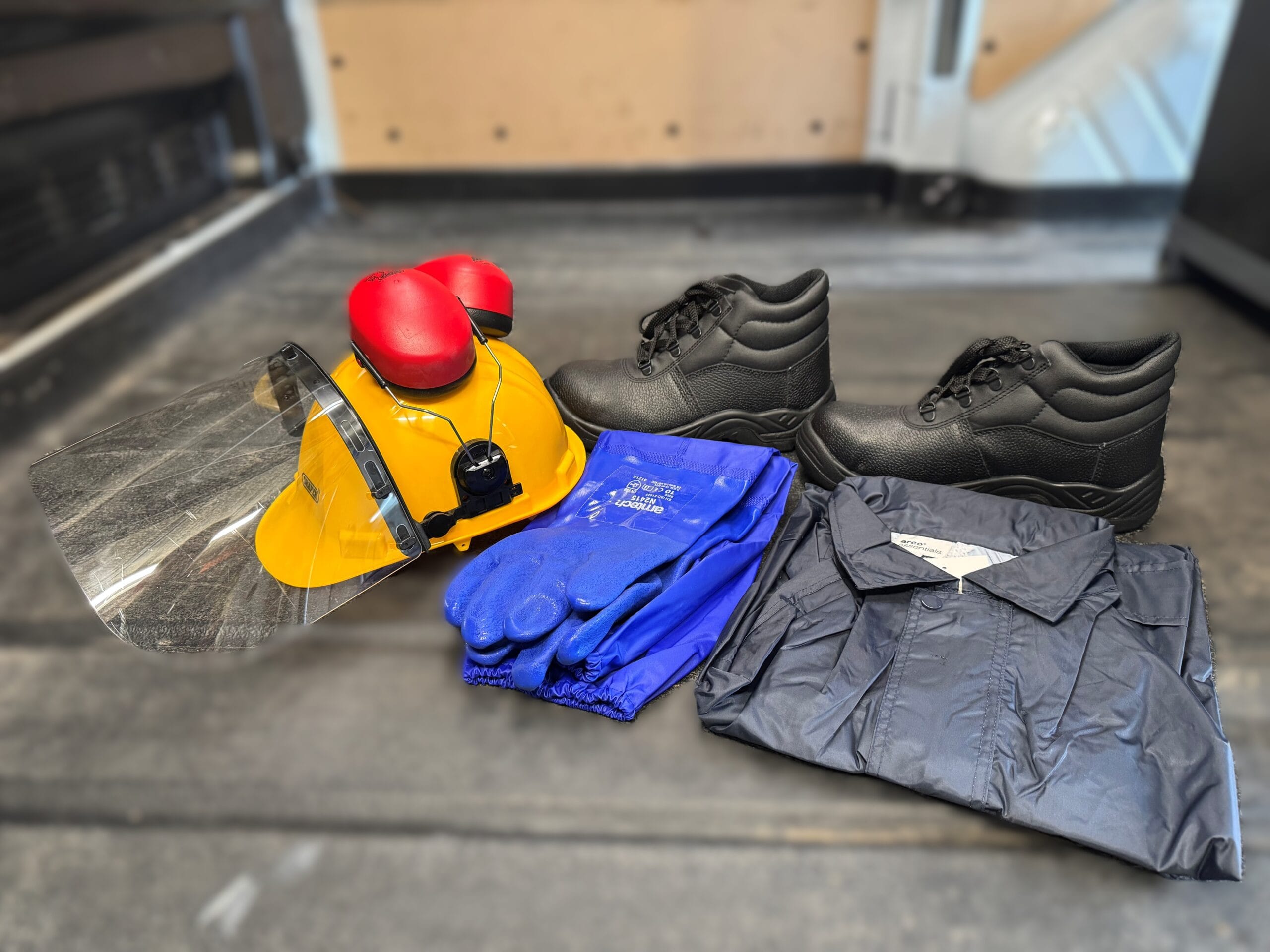
Professional technicians must adhere to safety guidelines established by organizations such as the WaterJet Technology Association (WJTA) and OSHA. This includes the use of specialized personal protective equipment (PPE) such as metatarsal guards, pressure-rated suits, and full-face shields. Furthermore, reputable services in 2026 carry specific liability insurance that covers potential pipe damage—a critical protection for the property owner.
Frequently Asked Questions
Can hydro-jetting damage my old pipes?
If performed by an untrained operator using incorrect pressure settings, hydro-jetting can damage compromised or extremely old pipes. However, when preceded by a camera inspection to assess the pipe's structural integrity, a professional can adjust the PSI to a safe level. For pipes that are already failing, jetting may expose existing holes, but it does not "create" them in healthy material.
Is hydro-jetting better than snaking?
Yes, for long-term results. Snaking is an excellent "first response" to an emergency blockage because it is cheaper and faster. However, snaking leaves behind the sticky residue that caused the clog in the first place. Hydro-jetting is a comprehensive cleaning service that restores the entire diameter of the pipe, meaning you will likely go much longer before needing another service.
How often should commercial restaurants have their lines jetted?
Most high-volume commercial kitchens should schedule professional jetting every 3 to 6 months. This preventative maintenance prevents grease-related backups that can lead to health department violations or temporary business closures. Facilities with lower FOG output might extend this to an annual service.
Can I rent a hydro-jetter and do it myself?
While some equipment rental yards offer small electric jetters, they lack the PSI and GPM necessary to clear significant blockages. More importantly, without a sewer camera and professional training, DIY operators frequently damage their pipes or cause personal injury. The risk of pipe rupture or a high-pressure injury far outweighs the potential savings.
Does hydro-jetting remove tree roots?
Yes, hydro-jetting is one of the most effective ways to remove tree roots from sewer lines. Specific "root cutter" nozzles use water-driven turbines to slice through roots. However, it is important to note that jetting does not "kill" the tree or seal the hole where the root entered; chemical root inhibitors or pipe relining may be needed as a follow-up.
Professional Recommendation
When seeking jetter services in 2026, always prioritize providers who offer integrated video inspections as part of their standard package. A "jet-first, look-later" approach is a sign of an amateur operation and poses a significant risk to your plumbing infrastructure. For residential properties, a maintenance jetting every few years is a sound investment that prevents the costly emergency of a sewage backup. For commercial managers, establishing a preventative maintenance contract is the only reliable way to ensure uninterrupted operations and compliance with local FOG regulations.
Image Gallery