Understanding the Coca-Cola Cooked Ham: A Culinary Tradition
A Coca-Cola cooked ham is a festive centerpiece prepared by basting or glazing a cured ham with a reduction of Coca-Cola, typically combined with brown sugar, spices, and aromatics. The sugars and acidity in the soda aid in caramelizat...
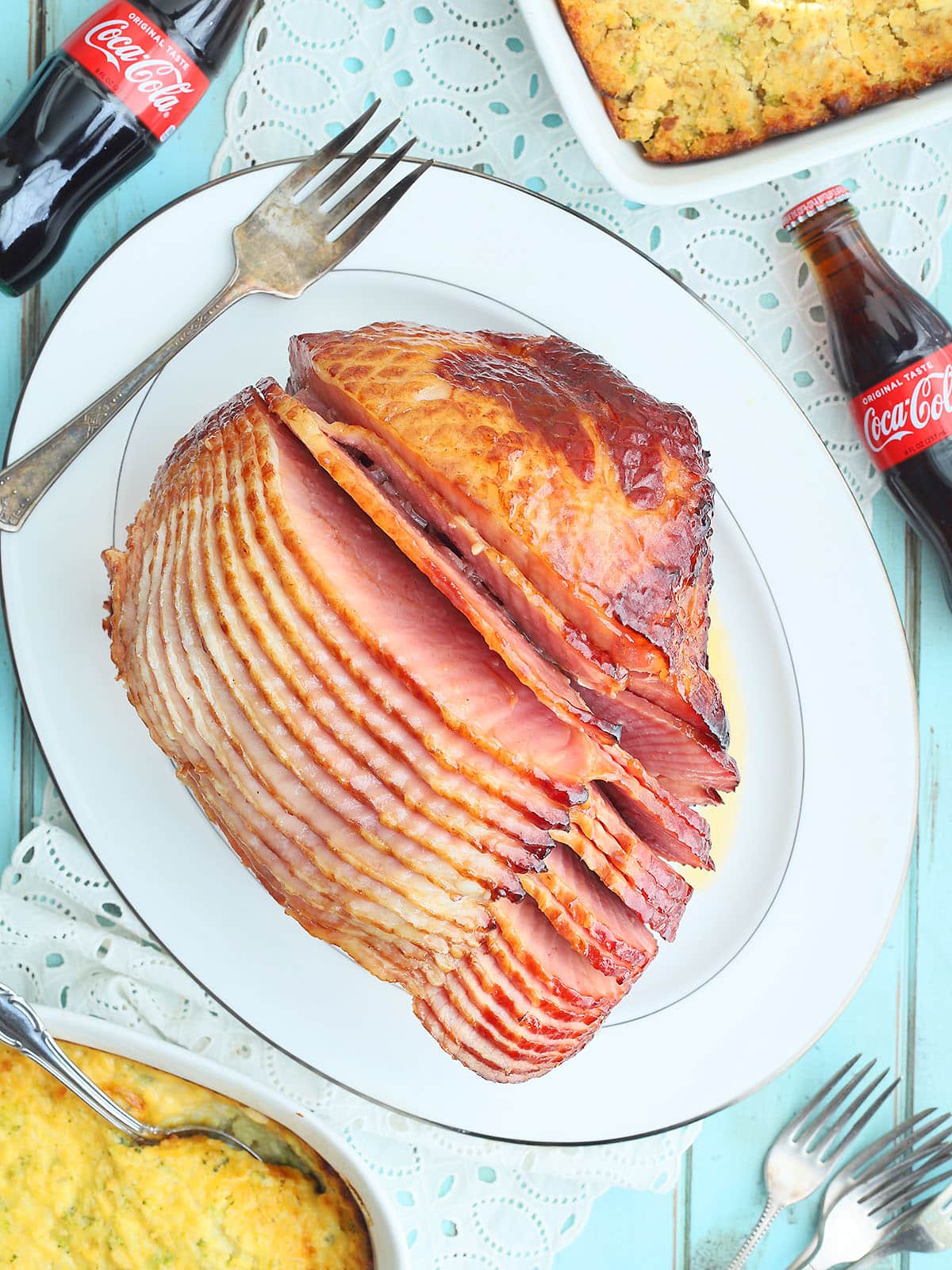
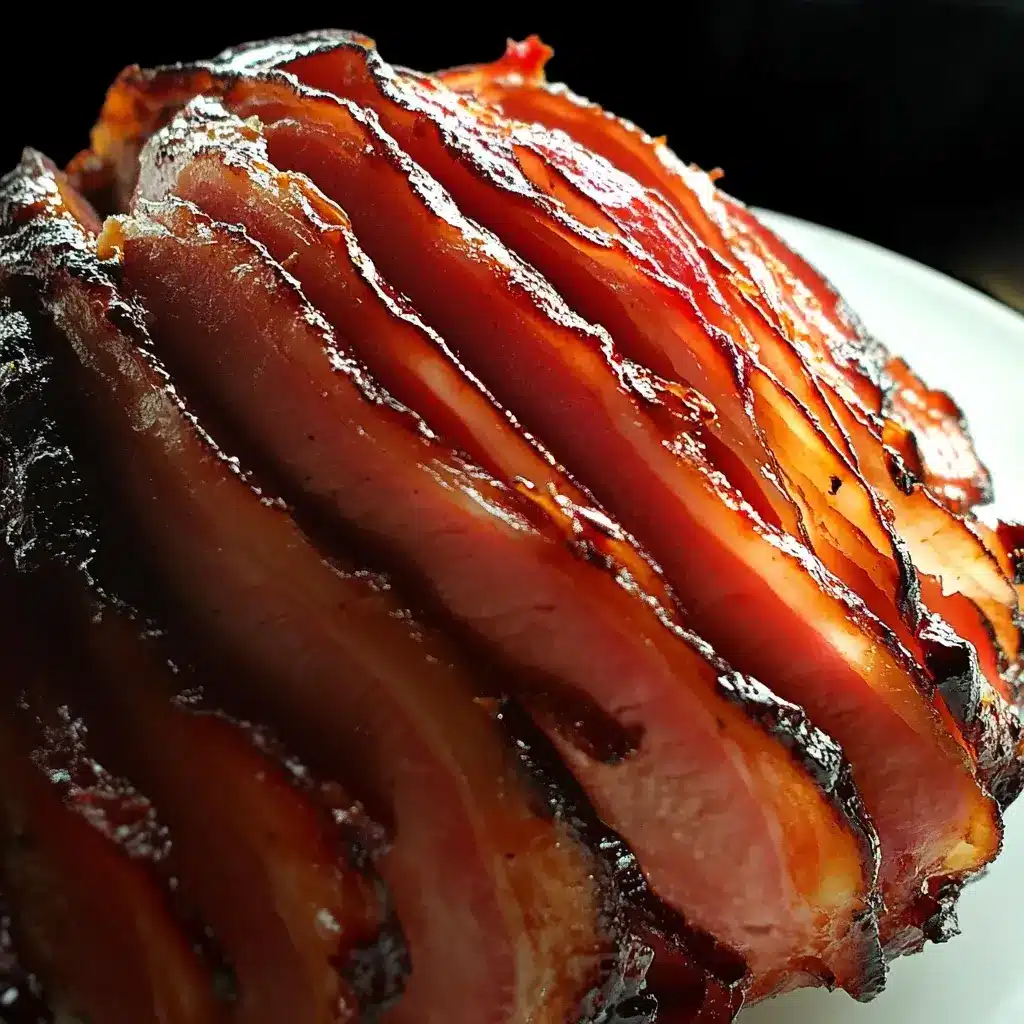
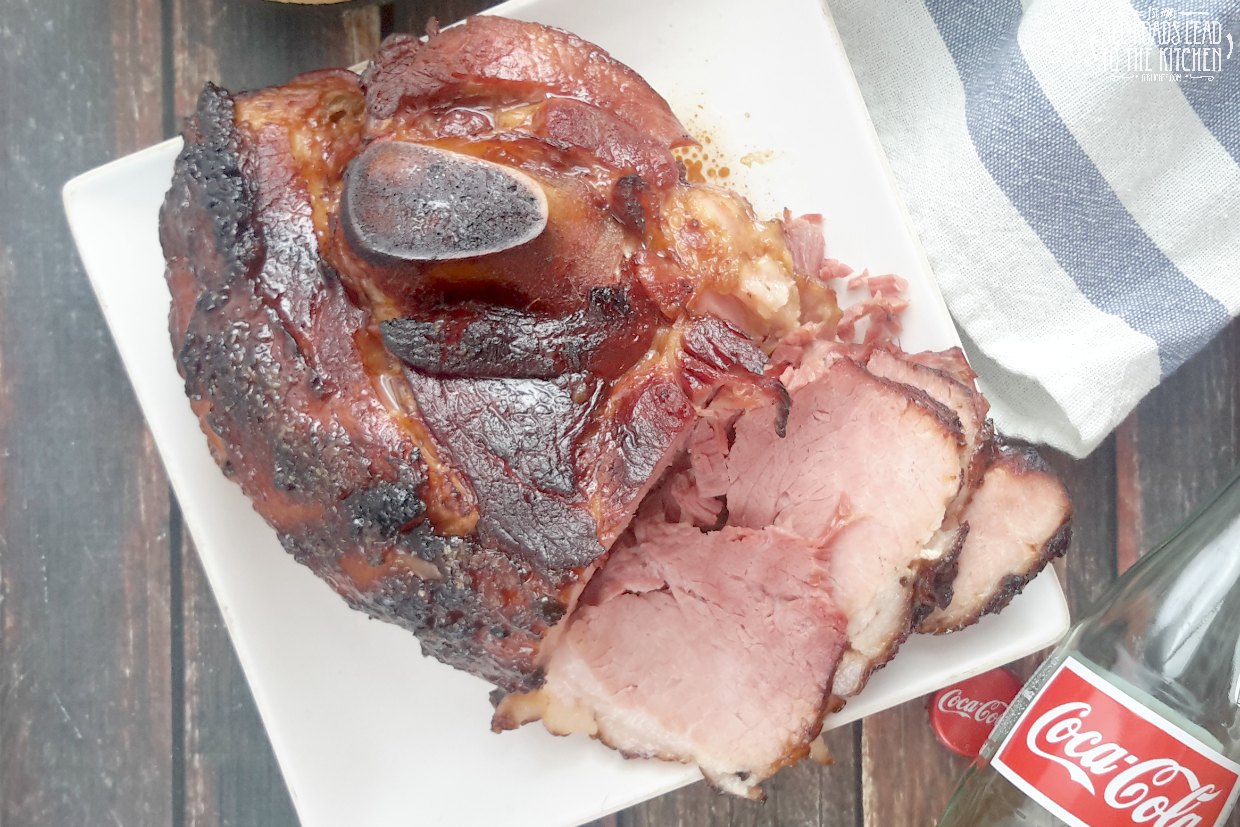
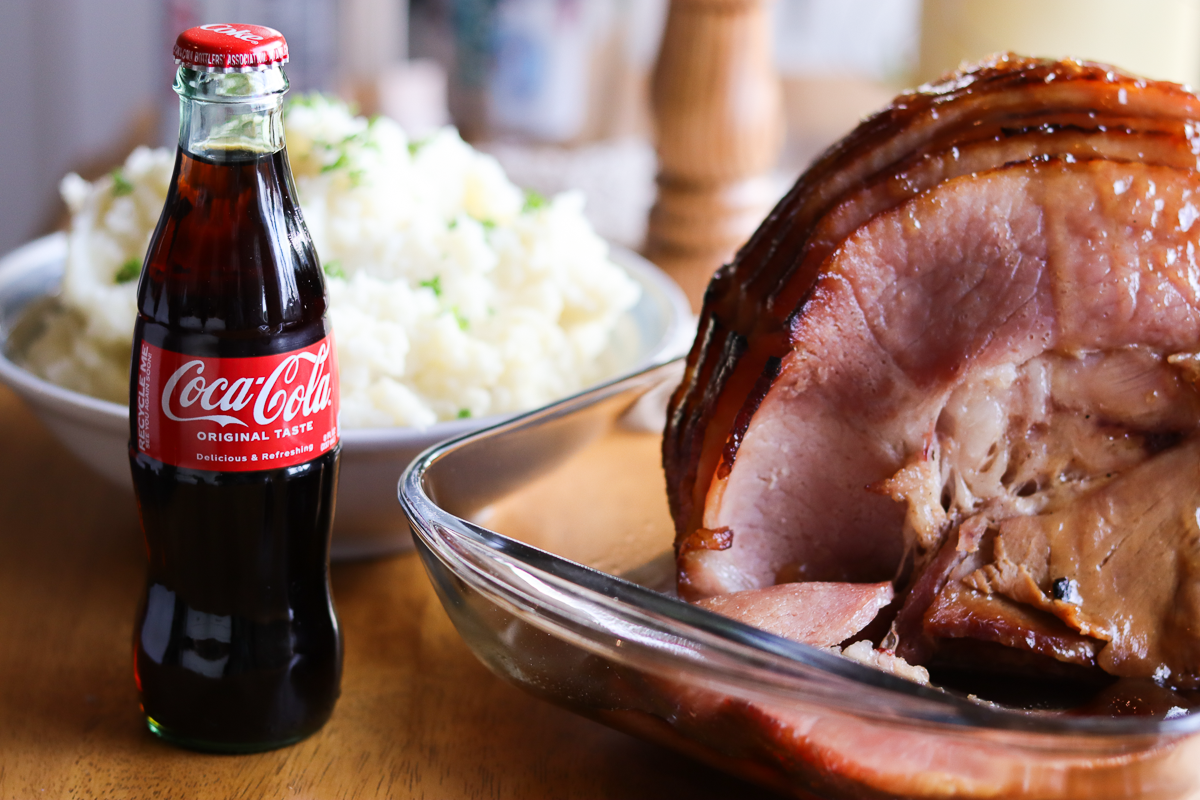
A Coca-Cola cooked ham is a festive centerpiece prepared by basting or glazing a cured ham with a reduction of Coca-Cola, typically combined with brown sugar, spices, and aromatics. The sugars and acidity in the soda aid in caramelization, creating a deep, mahogany-colored glaze that balances the savory saltiness of the pork with a distinct, spiced sweetness.
Contents
The Science of the Coca-Cola Glaze
The popularity of using soda in meat preparation—particularly with ham—is rooted in fundamental food chemistry. Coca-Cola contains a high concentration of high-fructose corn syrup or sucrose, which acts as the foundation for the glaze’s viscosity. When reduced over low to medium heat, these sugars undergo caramelization, a process where sugar molecules are broken down and reorganized into complex compounds that provide deep flavor and color.
Furthermore, Coca-Cola is acidic, typically due to the presence of phosphoric acid. In a culinary context, this mild acidity helps to tenderize the exterior of the meat and provides a sharpness that cuts through the rich, fatty profile of a traditional cured ham. The carbonation, while mostly lost during the cooking process, helps create a light, frothy initial emulsion when mixed with other ingredients like mustard or brown sugar, ensuring the glaze clings effectively to the ham’s scored surface.
Prerequisites and Preparation Requirements
Before beginning a Coca-Cola cooked ham, you must identify the correct type of ham. Most recipes are designed for a "city ham," which is already cured and often partially cooked. Attempting this method on a "country ham" or a fresh, raw pork leg requires significant adjustments to both cooking time and salinity management.
- Ham Selection: Look for a bone-in, spiral-cut, or whole cured ham. Bone-in varieties generally yield better flavor, as the bone contributes to the moisture levels during the roasting process.
- The Reduction: You cannot simply pour soda over the meat. The glaze must be prepared by simmering the Coca-Cola—often with ingredients like Dijon mustard, brown sugar, cloves, or ginger—to remove excess water. This concentrates the flavor and ensures the glaze remains tacky rather than runny.
- Thermal Management: Because of the high sugar content in the Coca-Cola glaze, it is prone to burning. Use a meat thermometer to ensure the internal temperature of the ham reaches a safe 140°F (60°C) for a pre-cooked ham, applying the glaze only during the final 30 to 45 minutes of the cooking process to avoid carbonizing the exterior.
Step-by-Step Execution
Achieving a balanced result requires attention to the progression of heat and flavor.
- Preparation: Bring your ham to room temperature for approximately 30 minutes before placing it in the oven. Preheat your oven to 325°F (165°C).
- Scoring: If the ham is not spiral-cut, use a sharp knife to score the skin in a diamond pattern. This increases the surface area for the glaze to penetrate.
- Initial Roast: Place the ham in a roasting pan with a small amount of liquid (water or apple juice) at the bottom to maintain humidity. Tent with foil and roast until the ham reaches an internal temperature of about 120°F.
- Glazing: Remove the foil. Brush the prepared Coca-Cola reduction generously over the entire surface. Increase the heat to 400°F (200°C) for the final stage.
- Caramelization: Apply additional layers of glaze every 10–15 minutes. Watch the edges closely; if the sugar begins to turn black rather than a deep mahogany brown, reduce the oven temperature.
Comparative Methods of Ham Glazing
| Glaze Component | Primary Flavor Profile | Texture/Finish | Best For |
|---|---|---|---|
| Coca-Cola & Sugar | Sweet, Spiced, Deep | Thick, Sticky | Traditional Holiday Hams |
| Honey & Mustard | Sharp, Floral, Sweet | Glossy, Thin | Smaller Roast Hams |
| Pineapple & Brown Sugar | Tropical, Bright, Sweet | Syrupy | Spiral-Cut Hams |
| Maple Syrup & Bourbon | Earthy, Rich, Woody | Dark, Lacquered | Bone-in Whole Hams |
Troubleshooting Common Issues
One of the most frequent errors in preparing a Coca-Cola glazed ham is the failure to properly reduce the soda. If you pour straight soda over the ham, it will simply run off into the pan and evaporate, leaving a watery mess rather than a rich crust. You must simmer the soda until it reaches the consistency of syrup.
Another common issue is the "bitter burn." This occurs when the spices—particularly whole cloves—are left in the glaze for too long or if the oven temperature is set too high during the final glazing stage. If you are inexperienced with high-sugar glazes, it is better to set the oven to 350°F and glaze more frequently than to use higher temperatures that may cause the sugar to scorch.
Frequently Asked Questions
Does the ham taste like soda? No. The final product does not taste like a carbonated beverage. The cooking process drives off the carbonation and concentrates the sugars and spices, resulting in a sweet, savory, and complex profile similar to a traditional molasses or brown sugar glaze.
Can I use diet or zero-sugar soda? It is not recommended. Diet sodas contain artificial sweeteners that do not possess the same chemical properties as sucrose or high-fructose corn syrup. They will not caramelize or thicken into a proper glaze when reduced.
What should I do if the glaze is burning? If the glaze begins to darken too quickly, immediately tent the ham loosely with aluminum foil. This prevents further browning while still allowing the internal temperature to rise.
How far in advance can I prepare the glaze? The Coca-Cola glaze can be prepared up to three days in advance and stored in the refrigerator. Reheat it slightly before application to ensure it has the correct consistency for brushing.
Is this suitable for a large group? Yes, this method is ideal for large gatherings, particularly during holiday seasons. Because it relies on a pre-cooked cured ham, it is a low-risk, high-reward dish that scales easily depending on the weight of the meat.
Recommendation
For the best results, use a classic, full-sugar Coca-Cola rather than regional variants unless you are seeking a specific flavor deviation. Focus your effort on the reduction process; the quality of your ham depends almost entirely on the thickness and tackiness of the glaze you apply in those final 30 minutes. Always allow the ham to rest for at least 15 to 20 minutes after removing it from the oven before carving, as this allows the juices to redistribute and the glaze to set into a firm, professional-looking finish.
Image Gallery