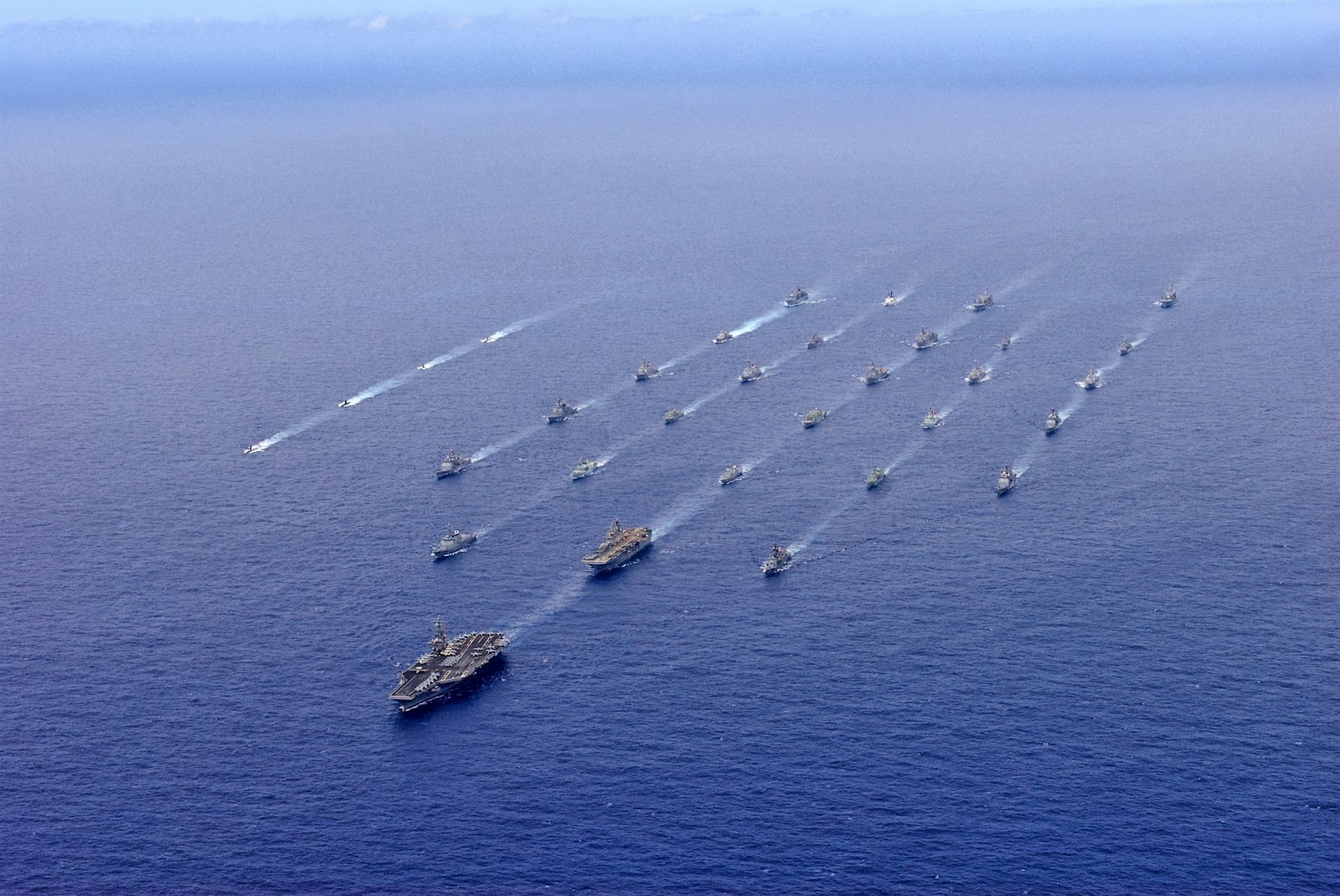
Why the Navy Market Still Matters for Global Trade
The navy market remains vital to global trade because naval forces safeguard critical sea lines of communication, protect international shipping from piracy and geopolitical conflict, and ensure freedom of navigation for over 80 percen...
The navy market remains vital to global trade because naval forces safeguard critical sea lines of communication, protect international shipping from piracy and geopolitical conflict, and ensure freedom of navigation for over 80 percent of world trade volume. Beyond maritime security, naval defense spending drives dual-use technological innovation, maintains essential shipyard infrastructure, and stabilizes maritime insurance premiums across complex global supply chains.
Contents
Safeguarding Sea Lines of Communication and Commercial Freedom
International trade is fundamentally a maritime endeavor. According to the United Nations Conference on Trade and Development (UNCTAD), over 80 percent of global trade volume and more than 70 percent of trade value travel via sea lanes. The commercial shipping industry relies on open, predictable, and secure transit through shared international waters. However, commercial container ships and energy tankers carry minimal organic defensive capabilities, making them vulnerable to hostile state actions, non-state armed groups, sea piracy, and illegal blockades.
This security asymmetry is where the global navy market plays an indispensable macroeconomic role. Naval procurement, fleet maintenance, and defense posture provide the physical architecture required to maintain Freedom of Navigation Operations (FONOPs). By patrolling international sea lines of communication (SLOCs), sovereign navies act as a deterrent against maritime interdiction, state-sponsored trade coercion, and maritime lawlessness.
- Global Maritime Trade (80%+ of Global Trade Volume / 70%+ of Trade Value)
- Naval Defense Infrastructure (Fleet Presence, Patrols, Strike Groups, Mine Countermeasures)
- Strategic Chokepoint Security (Malacca, Hormuz, Bab-el-Mandeb, Suez, Taiwan Strait)
- Economic & Risk Stabilization (War Risk Insurance Control, Freight Rate Predictability)
- Naval Defense Infrastructure (Fleet Presence, Patrols, Strike Groups, Mine Countermeasures)
When naval authority lapses or becomes constrained, the financial costs manifest rapidly across global supply chains. The international naval market—encompassing warship construction, naval aviation, subsea technology, weapon systems, and command-and-control (C4ISR) networks—is not merely an instrument of national defense. It functions as an economic insurance policy for global commerce.
Strategic Chokepoint Security and Geopolitical Stability
The vulnerability of global maritime commerce is concentrated in a small number of strategic chokepoints. Disruptions at any of these critical nodes ripple through supply chains, causing vessel rerouting, localized shortages, inventory bullwhip effects, and sharp increases in fuel consumption and carbon emissions.
Major Maritime Chokepoints Secured by Naval Presence
The Strait of Malacca: Connecting the Indian Ocean to the South China Sea, this narrow waterway sees over 90,000 ships annually, carrying roughly one-quarter of world trade and a significant portion of Asian crude oil imports. Multilateral naval coordination, including patrols by regional navies, deters piracy and illegal boarding.
The Strait of Hormuz: The world's primary energy transit corridor, handling approximately 20 percent of global petroleum liquids. Naval mine countermeasures, escort missions, and carrier strike group deployments maintain maritime stability despite localized geopolitical tensions.
Bab-el-Mandeb and the Suez Canal: Connecting the Arabian Sea to the Mediterranean, this passage handles roughly 12 to 15 percent of global trade. The vulnerability of this corridor was highlighted during the 2023–2025 Red Sea crisis, where merchant vessels faced drone and missile attacks from non-state actors, prompting large-scale international naval escorts under coalitions like Operation Prosperity Guardian and EUNAVFOR Aspides.
The Taiwan Strait: A critical artery for containerized cargo traveling from East Asian manufacturing hubs to North America and Europe, as well as a primary corridor for global semiconductor shipments.
[ South China Sea & Pacific ]
(Strait of Malacca)
[ Indian Ocean Hub ]
(Bab-el-Mandeb)
[ Red Sea Corridor ]
(Suez Canal)
[ Europe & Atlantic ]
Without persistent naval forces capable of anti-surface warfare, integrated air and missile defense (IAMD), and mine countermeasure operations, these maritime arteries would remain exposed to asymmetric warfare and embargoes. Naval power ensures these key transit corridors remain governed by international maritime law, primarily the United Nations Convention on the Law of the Sea (UNCTAD/UNCLOS framework), rather than unilateral physical control.
Economic and Risk Stabilization: The Insurance Connection
The presence of naval capabilities directly impacts the bottom line of commercial shipping companies, freight forwarders, and global consumers. Commercial vessel operators purchase several categories of maritime insurance, including Protection and Indemnity (P&I) coverage, Hull and Machinery (H&M) insurance, and War Risk insurance.
When maritime security degrades in a region, marine underwriters designate that area as a High Risk Area (HRA). War risk premiums can skyrocket from negligible fractions of a vessel's hull value to several percentage points per voyage within days of an escalation.
| Maritime Region / Scenario | Primary Threat Profile | Naval Mitigation Mechanism | Direct Economic Impact on Trade |
|---|---|---|---|
| Bab-el-Mandeb & Southern Red Sea | Anti-ship cruise missiles, loitering munitions, unmanned surface vessels (USVs) | Multi-nation air defense escorts, kinetic interception, electronic warfare | Prevents complete avoidance of Suez Canal; stabilizes War Risk insurance surcharges. |
| Strait of Hormuz | Vessel seizures, limpet mines, state-sponsored boarding | Destroyer patrols, persistent aerial surveillance, commercial vessel convoy escorts | Limits spikes in Brent Crude oil futures and tanker charter rates. |
| Gulf of Guinea & Horn of Africa | Armed piracy, hostage-taking, maritime cargo theft | Anti-piracy task forces, maritime domain awareness sharing, armed response teams | Reduces maritime security surcharges; lowers P&I insurance claims. |
| South China Sea Corridor | Territorial overreach, illegal maritime assertions, gray-zone harassment | Freedom of Navigation Operations (FONOPs), multilateral naval exercises | Preserves open access for international shipping lanes; protects regional fishing and energy transit. |
When effective naval escorts and maritime domain awareness operations are deployed, war risk underwriters have the operational risk mitigation required to keep coverage available and affordable. For commercial operators, the alternative to naval protection is rerouting around alternative geographic routes—such as bypassing the Red Sea via the Cape of Good Hope—which adds 10 to 14 days of transit time between Asia and Northern Europe, dramatically increases bunker fuel expenditures, and reduces available global fleet capacity.
Defense Shipbuilding as an Engine for Maritime Industrial Base
The navy market generates significant economic spillovers into the broader commercial maritime sector. Building, maintaining, and modernizing a modern naval fleet requires a sophisticated industrial ecosystem, including advanced shipyards, specialized steel and alloy fabricators, marine engine manufacturers, and complex software integration firms.
In many seafaring nations, military shipbuilding contracts sustain shipyards during cyclical downturns in the commercial shipbuilding market. Because commercial ship construction is highly sensitive to global economic cycles, high-volume naval orders provide the capital stability necessary to maintain dry docks, skilled labor forces (such as specialized marine welders, naval architects, and systems engineers), and supply chain networks.
- Sustained Naval Procurement
- Shipyard & Drydock Retention (Infrastructure available for commercial MRO during slumps)
- Workforce Expertise Retention (Naval Architects, Marine Engineers, Systems Integrators)
- Resilient Maritime Industrial Base & Supply
Furthermore, maintenance, repair, and overhaul (MRO) facilities established for military fleets frequently support commercial maritime fleets. Shared drydock infrastructure, heavy lifting equipment, and deep-water ports reduce capital expenditure burdens across both public and private sectors, ensuring that global shipping fleets have access to essential repair hubs worldwide.
Dual-Use Technological Innovation in the Naval Sector
The naval defense sector functions as an incubator for advanced technologies that eventually transform commercial shipping and logistics. High-value research and development funded by naval defense programs regularly yields dual-use applications that enhance the efficiency, safety, and environmental sustainability of commercial trade.
Key Technological Spillovers from Naval to Commercial Maritime
- Autonomous and Unmanned Maritime Systems: Naval investments in Unmanned Surface Vessels (USVs) and Autonomous Underwater Vehicles (AUVs) for intelligence, surveillance, and mine countermeasures are accelerating the commercial development of autonomous cargo vessels and remote hydrographic surveying.
- Advanced Hull Designs and Propulsion: Naval hydrodynamics research—focused on reducing acoustic signatures and improving fuel efficiency—informs modern commercial vessel bow designs, air-lubrication systems, and hybrid electric propulsion systems.
- Maritime Cybersecurity: As commercial ships become increasingly digitalized through IoT sensors and satellite connectivity, they face heightened risks of GPS spoofing and cyber interference. Naval cyber-defense frameworks and resilient position, navigation, and timing (PNT) technologies help secure commercial navigation systems against cyber attacks.
- Satellite Domain Awareness and Radar Integration: High-resolution maritime domain awareness tools initially developed for naval command centers feed directly into commercial vessel tracking platforms, enabling optimized weather routing and real-time supply chain visibility.
Navigating Future Challenges: Balancing Costs, Capabilities, and Geopolitics
Despite its importance, the modern naval market faces operational and financial pressures that impact its ability to safeguard global trade. Naval procurement is increasingly expensive, with modern guided-missile destroyers, frigates, and attack submarines requiring multi-billion-dollar investments.
Navies worldwide face structural challenges that affect their operational readiness:
- Capacity vs. Capability Trade-Offs: Many blue-water navies have transitioned toward smaller numbers of highly sophisticated, expensive warships. However, protecting dispersed commercial shipping lines requires physical mass—a sufficient quantity of hulls on the water to patrol thousands of nautical miles simultaneously.
- Asymmetric Cost Dynamics: Modern naval platforms often use high-cost interceptors to destroy low-cost asymmetric threats, such as anti-ship drones or improvised attack craft. Sustaining long-term defensive operations requires navies to adopt cost-effective point-defense capabilities, such as directed-energy weapons (lasers) and hyper-velocity projectiles.
- Shipyard Bottlenecks: A shortage of skilled shipyard labor and aging repair infrastructure in several Western nations has led to maintenance backlogs, leaving military vessels out of service for extended periods and reducing available operational presence along key trade corridors.
Addressing these structural friction points is essential for maintaining the security of international trade routes. Governments and defense prime contractors are increasingly exploring modular frigate designs, low-cost uncrewed escort platforms, and international shipyard partnerships to balance fleet availability with fiscal constraints.
Frequently Asked Questions
How does the navy market directly influence international shipping costs?
The navy market influences shipping costs by providing security that stabilizes war risk insurance premiums and prevents vessel rerouting around volatile waterways. When naval task forces secure high-risk corridors like the Red Sea or Strait of Malacca, commercial ships avoid multi-thousand-mile detours, holding down bunker fuel costs, operational delays, and freight rate volatility.
What is the difference between a navy's strategic role and maritime security patrols?
A navy's strategic role focuses on high-end deterrence, national defense, and blue-water force projection against state adversaries. Maritime security patrols are low-to-medium intensity operational missions focused on protecting merchant shipping, conducting anti-piracy sweeps, enforcing international maritime law, and maintaining open access through international chokepoints.
Why cannot commercial shipping lines protect themselves without naval support?
Commercial vessels are limited by maritime law, liability constraints, and operational logistics. While merchant ships can employ passive defense measures (like razor wire and water cannons) or carry small private maritime security teams (PMSTs) for small-arms defense, they cannot deploy heavy air-defense missiles, anti-submarine sensors, or mine-clearing technology required to counter advanced military-grade threats.
How do naval defense contracts support commercial shipbuilding facilities?
Naval defense contracts provide long-term, multi-billion-dollar revenue streams to shipyards, helping them offset the boom-and-bust cycles of commercial ship construction. This military capital supports critical drydock infrastructure, advanced tooling, and skilled labor pools that are essential for commercial vessel repair and construction.
What dual-use technologies developed for navies are used in global trade?
Key dual-use technologies include satellite-based Automatic Identification Systems (AIS), synthetic aperture radar (SAR) for vessel tracking, advanced hull hydrodynamics, autonomous vessel control software, cyber-resilient positioning systems, and hybrid-electric propulsion architectures.
Actionable Recommendations for Maritime and Supply Chain Leaders
To effectively manage geopolitical risks and leverage naval security dynamics, commercial logistics executives, trade strategists, and supply chain operators should adopt the following operational practices:
- Integrate Naval Domain Awareness into Risk Modeling: Utilize real-time maritime intelligence platforms that monitor naval deployments, joint maritime task force alerts, and high-risk area designations to proactively adjust commercial vessel routing and cargo schedules.
- Diversify Multi-Modal Transport Corridors: Avoid single-point-of-failure reliance on volatile maritime chokepoints by establishing contingency routing plans—such as sea-rail landbridges or alternative deep-water ports—when naval presence in high-risk zones is strained.
- Align Insurance Coverage with Dynamic Threat Profiles: Work closely with marine underwriters to evaluate how active naval escorts or coalition patrols affect War Risk insurance surcharges, ensuring transit plans leverage verified security corridors to minimize premium costs.
- Monitor Defense Industrial Base Trends: Track shipbuilding capacity and maintenance backlogs in key regions. Shipyard constraints in military sectors often correlate with drydock availability and hull repair lead times for commercial maritime fleets.
Image Gallery