Understanding Why the Silver Loans Market Needs Caution
The "silver loans" market—a niche financial sector involving lending against physical precious metals or specialized lending products targeted at retirees—carries inherent risks due to market volatility, regulatory fragmentation, and t...
The "silver loans" market—a niche financial sector involving lending against physical precious metals or specialized lending products targeted at retirees—carries inherent risks due to market volatility, regulatory fragmentation, and the potential for predatory lending practices. Borrowers and investors must exercise heightened due diligence, as fluctuations in spot prices and complex fee structures can quickly erode equity or lead to default.
Contents
Defining the Scope of Silver-Backed Lending
The term "silver loans" generally refers to two distinct but equally sensitive areas: asset-backed lending where physical silver bullion is used as collateral, and retirement-targeted financial products (often overlapping with reverse mortgages or home equity schemes colloquially termed "silver" loans).
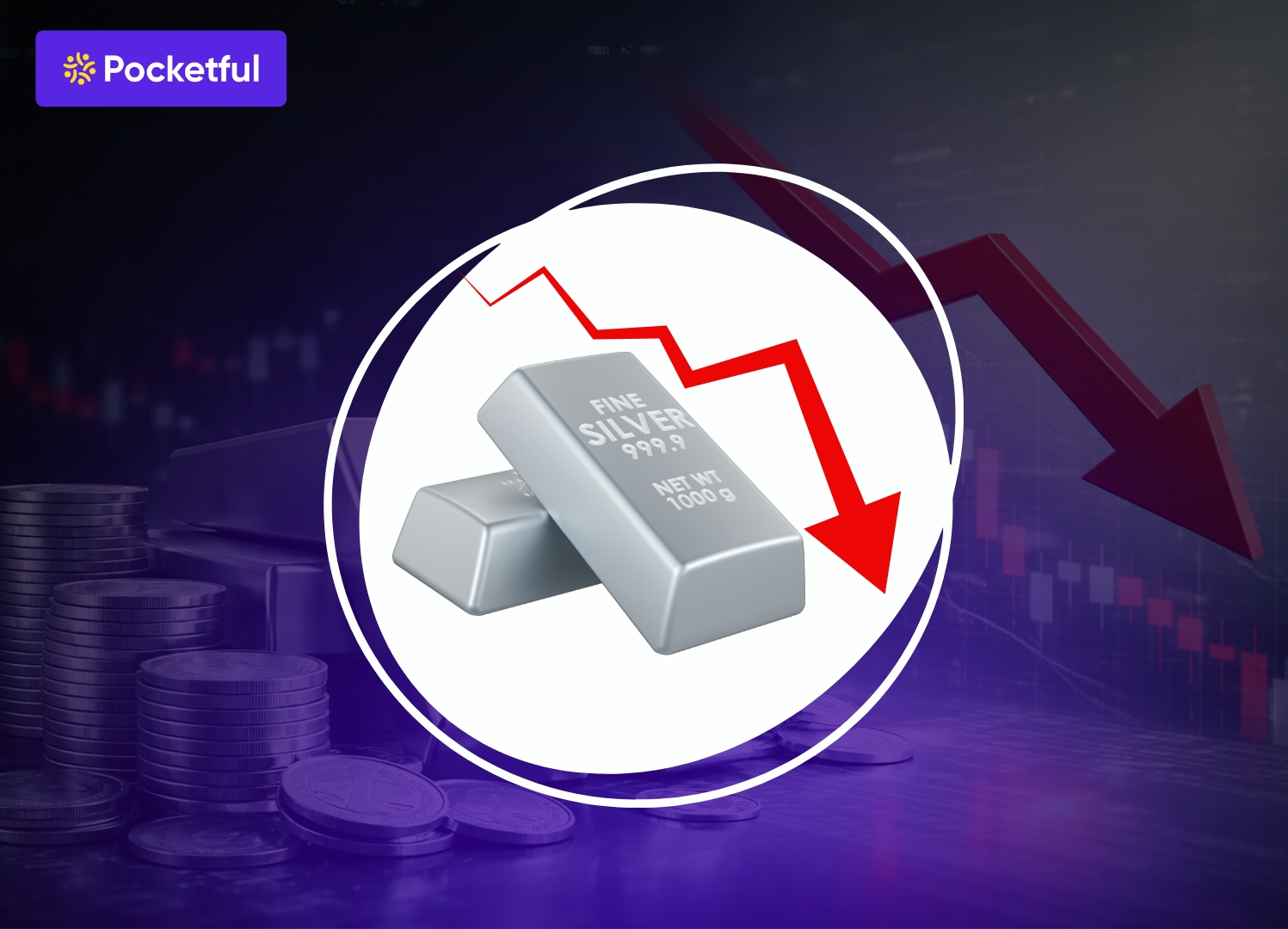
In the context of collateralized lending, the market involves pawn-style or institutional lending where physical bars, coins, or industrial-grade silver are held in custody. The risk here is primarily tied to the price volatility of the underlying asset. Unlike fiat-backed loans, the value of the collateral fluctuates daily. If the spot price of silver drops significantly, lenders may issue margin calls, requiring the borrower to provide additional capital or more collateral, failing which the assets may be liquidated at a loss.
For retirement-focused silver loans, the terminology often describes lending products intended for seniors. These are frequently subject to intense regulatory scrutiny because they often rely on the borrower’s home equity or pension streams. The "caution" requested here is necessitated by the long-term compounding of interest, which can exhaust a senior’s primary financial safety net, leaving little to no inheritance or emergency liquidity.
Market Volatility and Asset Depreciation
Silver is historically more volatile than gold, with a higher industrial demand component. This industrial dependency means that silver prices react more sharply to changes in manufacturing cycles and geopolitical shifts.
When you use silver as collateral, you are essentially engaging in a leveraged trade. If you borrow 70% of the value of your silver at a specific spot price, and the price of silver drops by 30%, your Loan-to-Value (LTV) ratio shifts instantly. Most silver loan agreements include "maintenance clauses" that dictate what happens when the LTV exceeds a set threshold. Because these agreements are often written in favor of the lender, they may grant the institution the right to sell your physical bullion without significant prior notice.
The Complexity of Fees and Holding Costs
One of the most overlooked aspects of the silver loan market is the "cost of carry." Unlike stocks or bonds, physical silver requires storage, insurance, and audit verification. Many lenders pass these costs directly to the borrower.
- Storage Fees: Physical bullion must be held in secured, insured vaults. These fees can range from 0.5% to 2% of the total asset value annually.
- Audit/Verification Fees: Some contracts mandate periodic third-party audits to verify the silver's weight and purity (usually .999 fineness).
- Interest Rates: Due to the risk profile, interest rates for collateralized asset loans are often higher than standard personal loans, sometimes reaching double-digit APRs.
When these costs are compounded, the total cost of borrowing can often exceed the appreciation of the silver itself, meaning the borrower effectively pays a premium to maintain ownership of an asset that is slowly being depleted by debt service.
Regulatory Fragmentation and Consumer Protection
The regulatory environment governing silver loans is not uniform. In many jurisdictions, entities that offer loans against precious metals operate under pawn licensing laws rather than banking regulations. This is a critical distinction for the consumer.
Banking regulations require strict transparency regarding APR, default terms, and borrower rights. Pawn and niche asset-lending laws are often less stringent, offering fewer avenues for recourse if a dispute arises regarding the valuation of the metal or the handling of the collateral. Before entering into any agreement, borrowers should verify the lender’s license with state or national financial oversight bodies. If the lender cannot provide a verifiable regulatory registration number, it is a significant red flag.
Comparison of Loan Risk Factors
| Risk Factor | Silver-Collateralized Loan | Retirement-Focused Silver Loan |
|---|---|---|
| Primary Risk | Spot price volatility | Compounding interest debt |
| Asset Liquidity | High (liquidates instantly) | Low (tied to home equity) |
| Regulatory Oversight | Moderate (varies by state) | High (subject to consumer law) |
| Default Consequence | Loss of physical metal | Foreclosure or loss of equity |
| Best For | Short-term cash flow | Long-term capital release |
Identifying Predatory Practices
Caution is especially required when dealing with "silver" retirement loans. Predatory lenders often target seniors with marketing materials that frame these loans as "free money" or "passive income streams." These materials frequently omit the impact of the total debt load on the borrower’s estate.
Look for the following warning signs:
- Pressure to Act Quickly: Legitimate financial advisors never pressure clients into immediate decisions regarding home equity or large asset liquidations.
- Opaque Fee Structures: If the contract lists multiple "origination," "administrative," and "management" fees that are not clearly defined, consult an independent financial planner.
- Lack of Exit Strategy: A good financial product has a clear path for repayment. If the loan structure implies that the debt will only be cleared upon the borrower's death or the sale of their primary residence, proceed with extreme caution.
The Role of Due Diligence
Before proceeding, you must establish a clear financial objective. If you need cash, evaluate if selling a portion of your silver is a safer alternative to borrowing against it. Often, the transaction costs of selling and rebuying silver are lower than the long-term interest and storage fees associated with a loan.
If you must proceed with a loan, request a "Total Cost of Loan" (TCL) statement. This should account for the loan principal, all interest payments, storage fees, and insurance costs over the duration of the loan term. Compare this total to the projected market performance of the silver. If the TCL is higher than the expected gain in the silver's value, the loan is logically unsound.
Frequently Asked Questions
Is it safer to store silver at home if I am getting a loan? No. Professional lenders generally require that collateral be held in a bonded, insured third-party vault. If a company claims to offer a loan while letting you keep the silver at home, this is often a sign of a fraudulent scheme or a predatory unsecured loan disguised as an asset-backed product.
What happens if the silver market crashes while I have a loan? If your LTV ratio exceeds the lender’s threshold, you will face a margin call. You must either pay down the principal immediately or provide more collateral. If you cannot do either, the lender has the legal right to sell your silver at the current, depressed market price to recover their funds.
Are "silver loans" for seniors covered by the same laws as a mortgage? It depends on the specific structure. If the loan is secured by a home, it may fall under specific home-equity lending regulations. However, many "silver" products are designed as alternative financial instruments that fall into regulatory gaps, offering fewer protections than traditional mortgages.
Can I deduct interest paid on silver-backed loans? Generally, interest on loans for investment purposes can be tax-deductible in some jurisdictions, but this is subject to specific rules regarding investment income. Always consult with a tax professional before assuming these deductions apply to your specific situation.
How do I verify a lender's legitimacy? Check for a valid business license and look them up in the relevant financial regulator's database. Additionally, search for the company name followed by "complaint" or "lawsuit" to identify any history of disputes regarding collateral handling or predatory lending practices.
Final Recommendation
The primary action for anyone considering a silver loan is to separate the need for liquidity from the desire to retain an asset. If you are struggling with cash flow, seek a traditional, low-interest personal loan or a line of credit from an established financial institution first. Use asset-backed silver loans only if you have a short-term, clear-cut strategy to repay the debt using non-collateral funds. If you do not have a defined exit strategy, the risk of losing your assets—or your equity—outweighs the benefit of the immediate liquidity. Always obtain a written copy of the loan agreement and have it reviewed by an independent professional before signing.
Image Gallery