How Long Can Pedialyte Sit Out Safely: Guidelines for Storage and Use
Once opened, Pedialyte can sit safely at room temperature for up to one hour, provided it is not exposed to direct heat or contamination. However, standard food safety guidelines recommend placing an opened bottle directly into the ref...
Once opened, Pedialyte can sit safely at room temperature for up to one hour, provided it is not exposed to direct heat or contamination. However, standard food safety guidelines recommend placing an opened bottle directly into the refrigerator immediately after pouring a serving to minimize bacterial growth and preserve its chemical balance.
Contents
Understanding how to store medical and rehydration products correctly is essential for both safety and efficacy, especially when caring for infants, children, or vulnerable adults recovering from illness. Improperly stored oral electrolyte solutions can become breeding grounds for microorganisms, rendering them unsafe for consumption. This comprehensive guide covers the shelf life of Pedialyte across various states—unopened, opened, and prepared from powder—alongside the biological reasons behind these timelines, signs of spoilage, and best practices for safe administration.
Understanding Pedialyte Composition and Safety Requirements
Pedialyte is an oral electrolyte solution (OES) designed specifically to replace fluids and minerals lost during bouts of acute gastroenteritis, vomiting, diarrhea, or dehydration. Its precise formulation includes water, electrolytes like sodium, potassium, and chloride, and a carbohydrate source, typically dextrose, in exact osmolar concentrations. Because it lacks artificial preservatives in many of its liquid formulations, it creates an inviting environment for opportunistic bacteria once the sterile factory seal is broken.
When evaluating how long Pedialyte can sit out safely, you must differentiate between unopened containers sitting on a pantry shelf and opened bottles sitting on a kitchen counter or bedside table. The manufacturing process ensures that unopened bottles remain sterile until their printed expiration date, provided they are kept in a cool, dry place away from direct sunlight. Once opened, that sterility is lost, and the countdown to potential contamination begins.
The Two-Hour Rule and Room Temperature Limitations
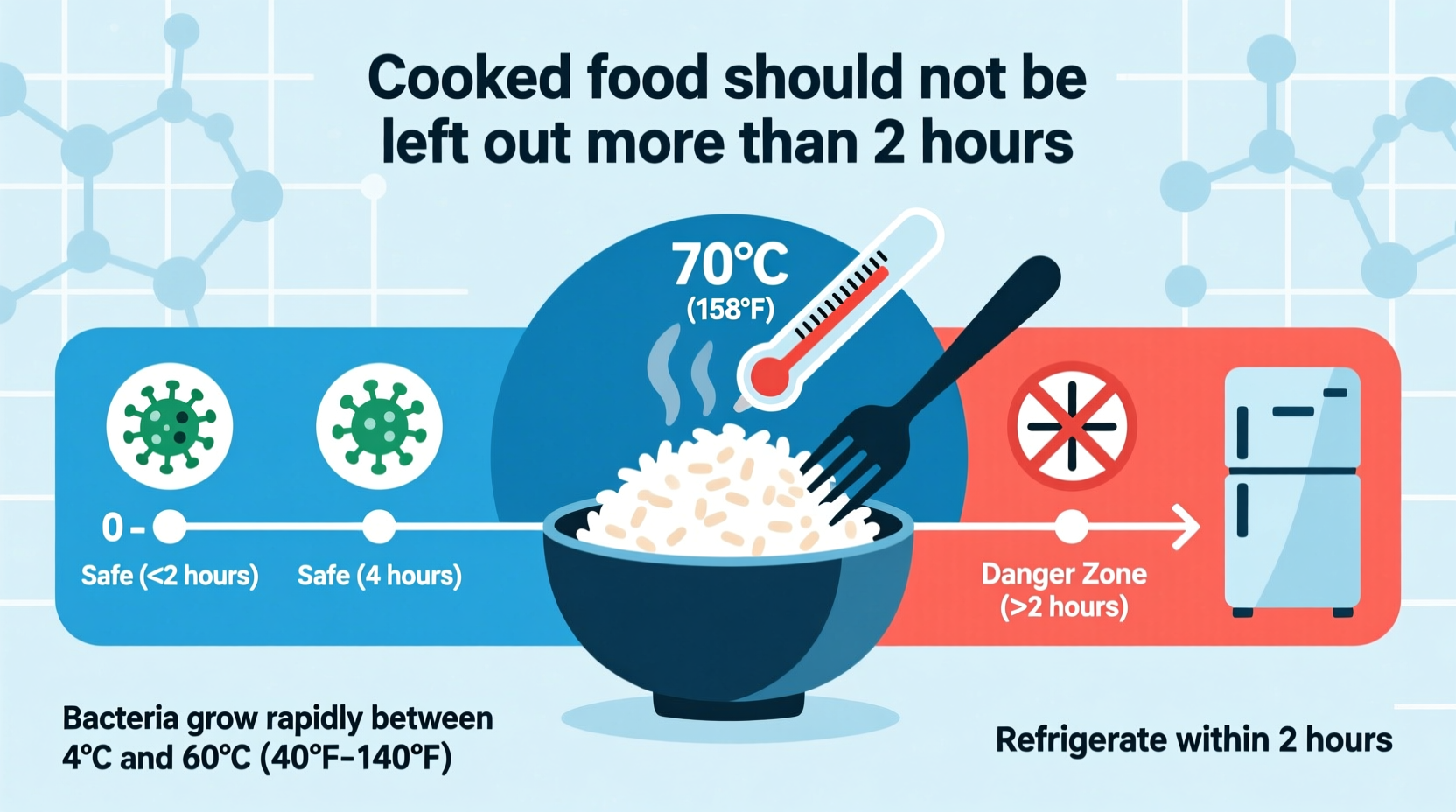
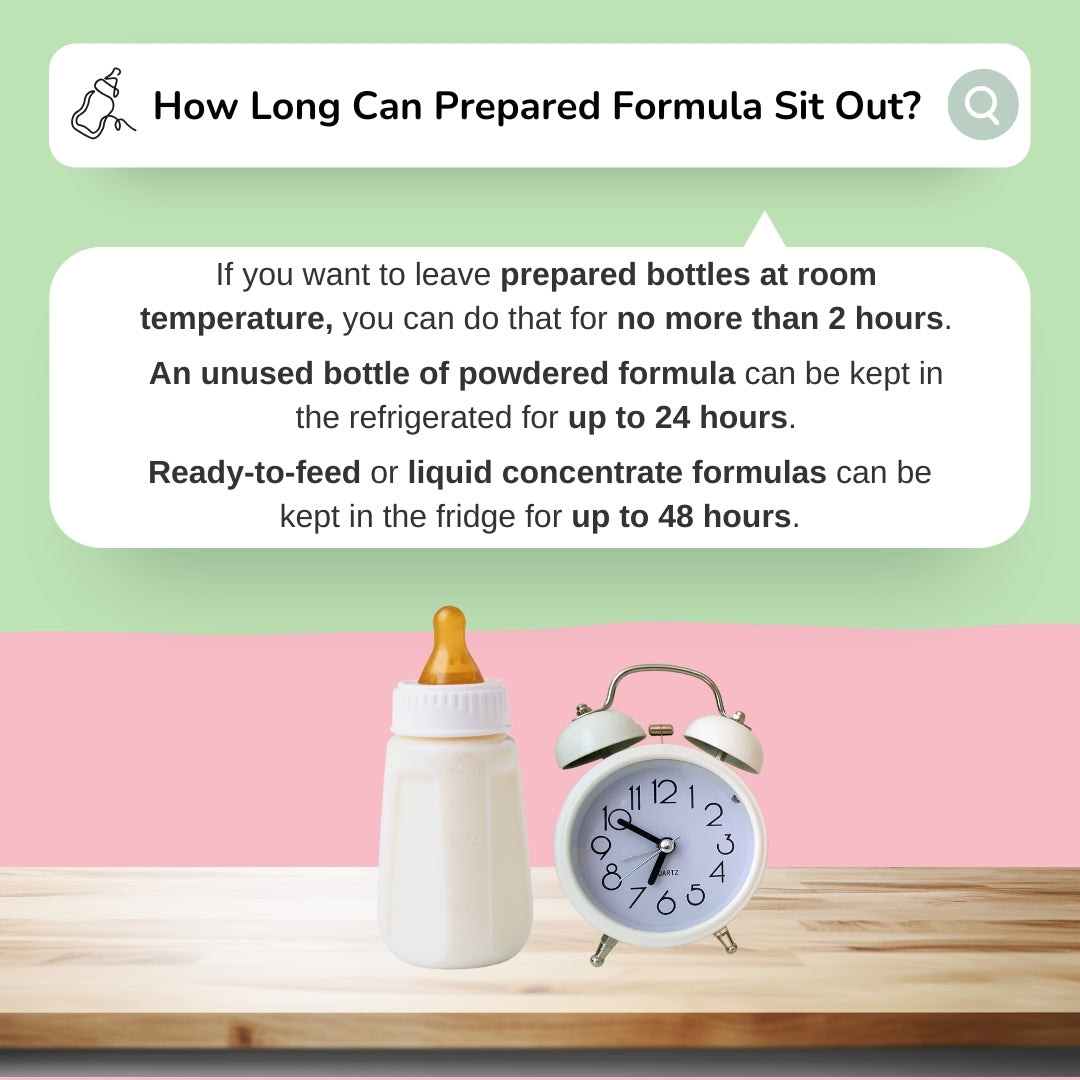
Public health standards established by organizations like the U.S. Food and Drug Administration (FDA) and the U.S. Department of Agriculture (USDA) regarding perishable beverages generally dictate a strict "two-hour window" for room temperature exposure. However, for vulnerable populations such as infants and toddlers, medical professionals and manufacturers recommend a more conservative threshold of one hour for liquids left sitting out at room temperature.
Several variables influence how quickly a beverage spoils when left on a counter:
- Ambient Temperature: Higher room temperatures accelerate bacterial proliferation. A bottle sitting in a hot, humid room will degrade much faster than one in an air-conditioned environment.
- Direct Contamination: Drinking directly from the bottle introduces oral bacteria and enzymes into the remaining liquid, drastically shortening its safe window. Pouring the solution into a separate cup helps maintain the integrity of the bulk supply.
- Exposure to Light: Ultraviolet rays and heat from sunlight can break down the packaging materials and alter the chemical stability of the solution.
Shelf Life Breakdown by Product Format and State
Pedialyte is sold in several distinct formats, each with its own storage requirements and post-opening timelines. Knowing how to handle liquids, powders, and freezer pops prevents accidental illness and ensures the product performs as intended.
The following table outlines the expected timelines and storage rules for the primary Pedialyte product types:
| Product Format | Unopened Shelf Life | Opened / Mixed Storage Guidelines | Max Time Sitting Out at Room Temp |
|---|---|---|---|
| Ready-to-Use Liquid | Until printed expiration date on pantry shelf | Refrigerate immediately after opening; discard after 48 hours | 1 hour (recommended) / 2 hours (maximum) |
| Powder Packs | Until printed expiration date in dry storage | Mix with fresh water; use immediately or refrigerate for up to 24 hours | 1 hour once mixed |
| Freezer Pops | Until printed expiration date | Freeze or store at room temp; once opened/slushed, consume immediately | N/A (consume upon opening) |
| Advanced / Sport Solutions | Until printed expiration date | Refrigerate immediately after opening; discard after 48 hours | 1 hour (recommended) / 2 hours (maximum) |
Ready-to-Use Liquid Bottles
Unopened liquid Pedialyte can sit on a pantry shelf until the expiration date stamped on the bottle or cap. Once opened, the clock starts. The manufacturer explicitly recommends storing opened bottles of liquid Pedialyte in the refrigerator and discarding any unused portion after 48 hours. If a bottle has been left sitting out at room temperature for more than two hours—or one hour if exposed to warm ambient conditions—it should be discarded out of an abundance of caution.
Powder Packs and Reconstituted Solutions
Pedialyte powder packs offer a longer shelf life in their dry, sealed packets. However, once mixed with water, the product behaves just like the ready-to-use liquid. Reconstituted powder should ideally be consumed immediately. If it is stored, it must be placed in the refrigerator and consumed within 24 hours. A mixed powder solution left sitting out on a counter is susceptible to rapid bacterial growth due to the presence of sugars and moisture.
Freezer Pops
Pedialyte Freezer Pops are designed for convenience, particularly for children who refuse to drink fluids. Unopened boxes can be stored at room temperature or in the freezer. Once a pop is opened and consumed, it must be finished entirely. Because they melt into liquid form quickly at room temperature, any melted residue left sitting out should never be saved or re-frozen.
Identifying Signs of Spoilage and Contamination
Because electrolyte solutions do not curdle like dairy or develop fuzzy mold immediately, determining whether Pedialyte has gone bad requires careful inspection. Relying solely on visual cues can be misleading, but certain physical indicators confirm that a solution is no longer safe to consume.
Visual and Olfactory Indicators
- Cloudiness or Turbidity: Fresh liquid Pedialyte is completely clear or lightly tinted depending on the specific flavor. If the liquid appears cloudy, milky, or contains particulate matter that was not originally present, discard it immediately.
- Color Discoloration: Significant fading or darkening of the solution compared to a fresh bottle indicates chemical breakdown or oxidation, often hastened by heat exposure.
- Unusual Odor: A sour, fermented, or off-putting smell indicates that microbial activity has begun within the bottle.
- Container Bloating: If the plastic bottle appears swollen or the foil seal is distended, gas-producing bacteria or yeast have contaminated the product.
The Danger of Direct Contamination
The most common vector for contaminating an opened bottle of Pedialyte is backwash. When a person drinks directly from the bottle, oral flora—including bacteria from the mouth and esophagus—is transferred into the solution. Even if the bottle is immediately placed back in the refrigerator, these introduced bacteria can multiply over the course of 24 to 48 hours, turning a sterile rehydration tool into a source of secondary gastrointestinal distress. Always pour the required amount into a clean cup or feeding bottle to protect the remaining contents.
Best Practices for Safe Storage and Handling
Implementing simple kitchen habits ensures that rehydration products remain safe and effective whenever illness strikes. Proper handling protects vulnerable family members from preventable foodborne issues.
Preparation and Pouring Habits
- Use Clean Utensils: Always pour Pedialyte into a washed and sanitized cup, glass, or baby bottle rather than drinking directly from the container.
- Cap Immediately: Close the bottle tightly right after pouring to minimize airborne dust and microbial exposure.
- Date the Bottle: Use a waterproof marker to write the date and time of opening directly on the label of the bottle. This eliminates guesswork when checking the 48-hour expiration window in the refrigerator.
- Avoid Cross-Contamination: Keep open rehydration solutions away raw meat, eggs, and unwashed produce in the refrigerator.
Disposing of Compromised Solutions
When in doubt, throw it out. Electrolyte solutions are relatively inexpensive compared to the medical costs and discomfort of a secondary bacterial infection or food poisoning. If a bottle has sat out overnight, exceeded the 48-hour refrigeration limit, or shows any signs of turbidity, pour it down the drain and open a fresh container.
Frequently Asked Questions
Can I leave a bottle of Pedialyte in a warm car?
No. Leaving Pedialyte in a warm car can cause temperatures inside the vehicle to spike well above room temperature, accelerating chemical degradation and microbial growth. If a sealed bottle was subjected to extreme heat for an extended period, the safety of the product is compromised, and it should be discarded.
Is it safe to warm up Pedialyte after it has been sitting in the fridge?
Yes, you can warm Pedialyte slightly by placing a poured serving in a cup and setting that cup in a warm water bath. However, you should never microwave Pedialyte, as uneven heating can destroy the balance of nutrients and create hot spots that could burn an infant's mouth. Furthermore, once a portion is warmed, it must be consumed immediately and never returned to the refrigerator.
What happens if my child drinks Pedialyte that sat out too long?
Consuming Pedialyte that has been left at room temperature past the safe threshold can lead to ingestion of harmful bacteria, potentially causing vomiting, diarrhea, or abdominal cramps. If your child exhibits new or worsening gastrointestinal symptoms after consuming an improperly stored beverage, contact a pediatrician or healthcare provider immediately.
Can I freeze liquid Pedialyte to extend its shelf life?
Freezing ready-to-use liquid Pedialyte is generally not recommended by manufacturers. The freezing and thawing process can alter the delicate suspension of minerals and electrolytes, potentially leading to uneven distribution of sodium and potassium when it thaws. If you want frozen rehydration options, use the official Pedialyte Freezer Pops designed specifically for that purpose.
Conclusion
Managing oral electrolyte solutions requires the same vigilance applied to dairy and other perishable items. While an unopened bottle of Pedialyte remains stable until its expiration date, an opened container should never sit out at room temperature for longer than one hour. By pouring servings into separate cups, refrigerating opened bottles promptly, and adhering strictly to the 48-hour post-opening discard rule, you ensure that the product remains safe, sterile, and effective when treating dehydration. When safety is uncertain, discarding the compromised solution is always the correct choice.
Image Gallery