How to Understand Life Insurance Quotes for Term and Whole Life Policies
Understanding life insurance quotes requires distinguishing between the death benefit (the payout to beneficiaries) and the premium (the monthly or annual cost). For term life, focus on the "level" period where rates remain fixed. For...
Understanding life insurance quotes requires distinguishing between the death benefit (the payout to beneficiaries) and the premium (the monthly or annual cost). For term life, focus on the "level" period where rates remain fixed. For whole life, evaluate the "guaranteed" versus "non-guaranteed" cash value projections alongside the permanent death benefit.
Contents
Navigating the complexities of life insurance in 2026 involves more than just looking at a monthly price tag. Because underwriting processes have become increasingly data-driven, a quote is no longer a simple estimate; it is a detailed projection of financial liability and asset growth. To truly understand a quote, you must look beyond the "sticker price" and analyze the underlying policy mechanics, health classifications, and long-term guarantees that define the contract’s value.
The Anatomy of a Life Insurance Quote
A life insurance quote is a preliminary offer from an insurance carrier based on basic demographic data. However, the document you receive—often called an "illustration" for permanent policies—contains several distinct sections that dictate your actual out-of-pocket costs and the security your family receives.
Personal Information and Risk Class
Every quote begins with your profile: age, gender, tobacco use, and location. In 2026, many carriers also include a "Health Class" or "Underwriting Tier." These tiers, such as Preferred Plus, Preferred, Standard Plus, and Standard, are the primary drivers of cost. If you see a quote for $30 a month but you have a history of high blood pressure, you may eventually be "rated" at a Standard tier, which could double that initial estimate.
The Premium and Payment Frequency
The premium is the amount you pay to keep the policy in force. Quotes typically show this as an annual figure, though monthly, quarterly, or semi-annual options are common. It is important to note that paying monthly often incurs "modal loading" fees—small administrative charges that make monthly payments slightly more expensive than a single annual payment.
The Death Benefit (Face Amount)
This is the tax-free lump sum paid to your beneficiaries upon your death. When reviewing a quote, ensure the face amount aligns with your financial needs, such as mortgage protection, income replacement, or estate taxes.
Understanding Term Life Insurance Quotes
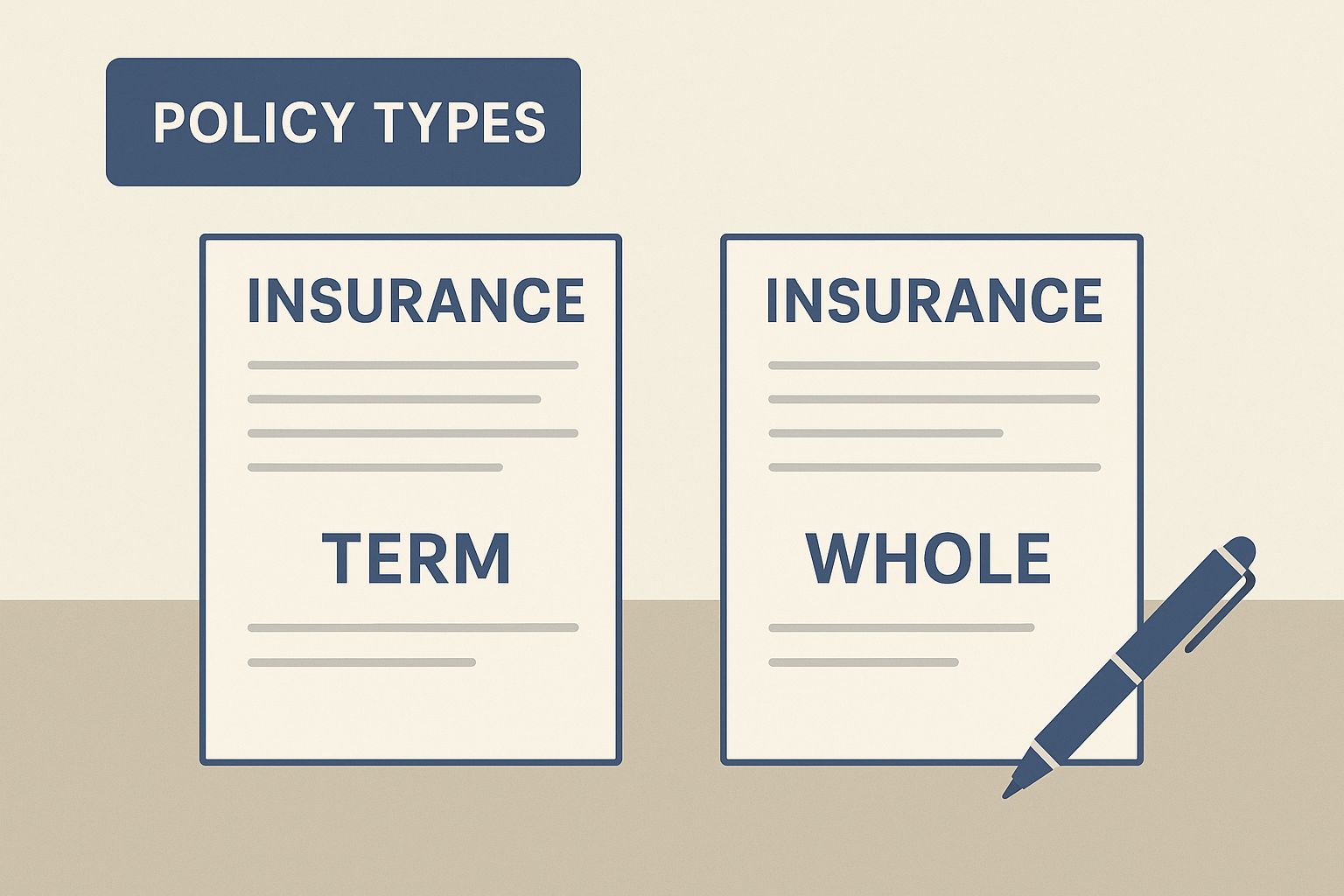
Term life insurance is straightforward, designed to provide coverage for a specific period—usually 10, 20, or 30 years. Because it lacks a savings component, term quotes are significantly lower than whole life quotes for the same death benefit.
The Level Premium Period
The most critical part of a term quote is the "Level Term" duration. If you receive a quote for a "20-year level term," your premium is guaranteed to remain exactly the same for those 20 years. Once that period expires, the policy does not necessarily end, but the premiums usually skyrocket to "annual renewable" rates that increase every year based on your attained age.
Convertibility Options
Many high-quality term quotes in 2026 include a Conversion Rider. This allows you to turn your term policy into a permanent (whole life) policy without undergoing a new medical exam. When reviewing the quote, check if there is a deadline for this conversion, such as age 65 or the end of the term period.
Renewability Clauses
A "Renewable" clause allows you to extend coverage after the initial term ends without proving you are still healthy. While the cost will be much higher at that stage, this feature provides a safety net if you become uninsurable during the initial term.
Analyzing Whole Life Insurance Quotes and Illustrations
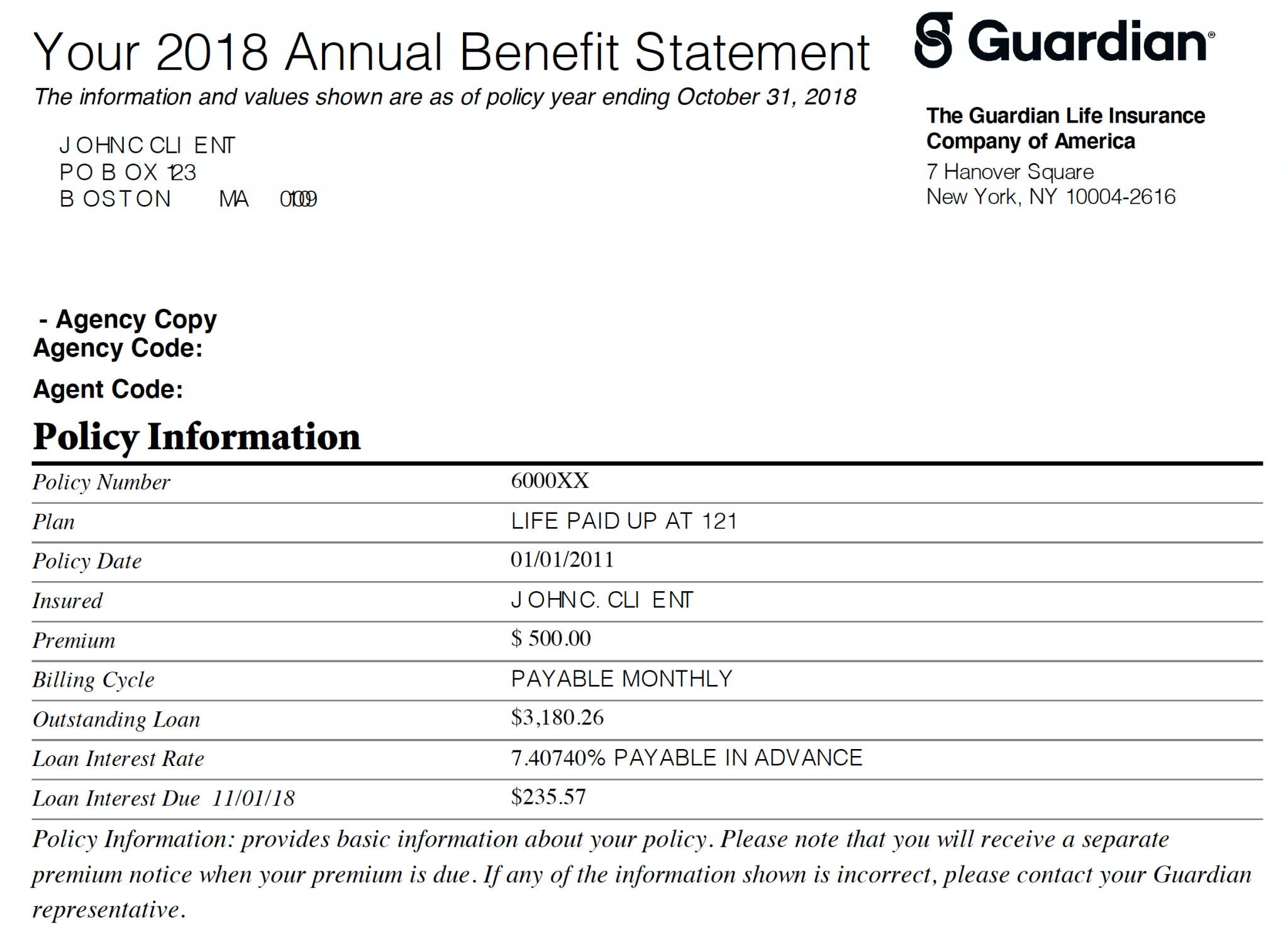
Whole life insurance is a permanent product that includes a "Cash Value" accumulation feature. Because of this complexity, a whole life quote is usually a multi-page document called an illustration. Understanding this document requires a more technical eye.
Guaranteed vs. Non-Guaranteed Values
A whole life illustration is split into two primary columns:
- Guaranteed Values: This is the absolute minimum the policy will perform. It shows the minimum cash value and the death benefit the company is legally obligated to provide as long as premiums are paid.
- Non-Guaranteed (Current Scale) Values: This column includes projected dividends. Dividends are not guaranteed; they are a share of the insurance company's profits. In 2026, dividend scales are influenced by the carrier’s investment performance and mortality experience.
Cash Value Accumulation
The "Cash Value" column represents the equity within your policy. In the early years of a whole life policy (typically years 1 through 10), the cash value grows slowly because a large portion of your premium goes toward commissions and administrative setup. By years 15 and 20, the growth should accelerate. If you are using life insurance as a wealth-building tool, pay close attention to the "Internal Rate of Return" (IRR) on the cash value.
Paid-Up Additions (PUAs)
If your quote mentions "Paid-Up Additions," it means your dividends are being used to buy more insurance. This increases both your total death benefit and your cash value over time. This is a common strategy for maximizing the "living benefits" of a whole life policy.
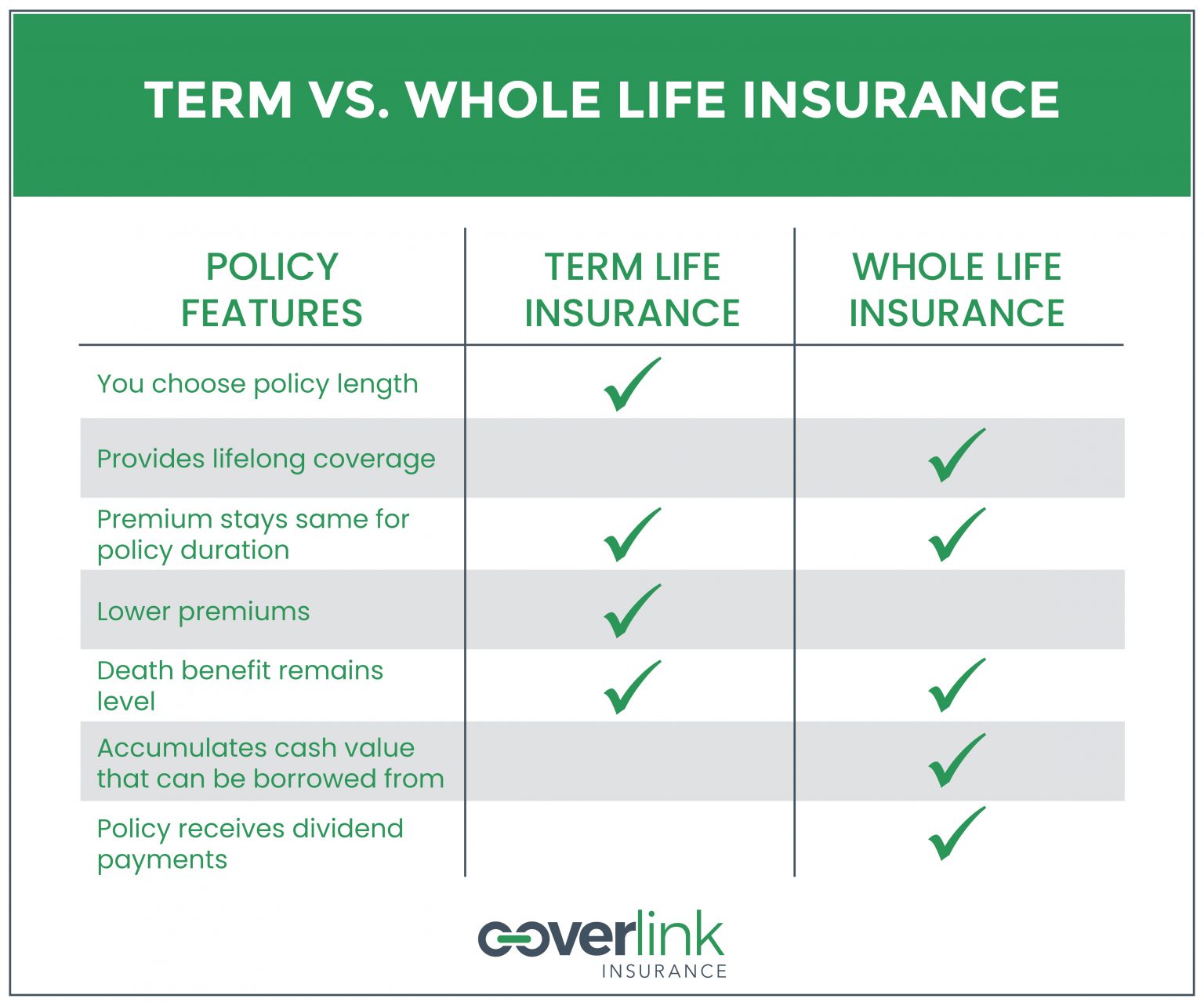
Comparison of Term and Whole Life Quote Components
| Feature | Term Life Quote | Whole Life Quote |
|---|---|---|
| Duration | Fixed (e.g., 10, 20, 30 years) | Permanent (Life of the insured) |
| Premium Stability | Level for the term duration | Fixed for life |
| Cash Value | None | Grows over time (Guaranteed + Dividends) |
| Initial Cost | Very Low (e.g., $25-$50/mo) | High (e.g., $250-$500/mo) |
| Complexity | Simple (Premium vs. Benefit) | Complex (Illustrations and Projections) |
| Main Focus | Income replacement / Debt protection | Estate planning / Wealth accumulation |
| End of Policy | Coverage expires or cost spikes | Policy matures (often at age 100 or 121) |
Key Factors That Influence Your Quote in 2026
When you receive a quote, it is based on the information provided, but several factors can change the final "offer" during the underwriting process.
Digital Underwriting and Algorithmic Rating
In 2026, insurance companies utilize "Accelerated Underwriting." Instead of a traditional paramedical exam (blood and urine samples), they may pull data from your electronic health records (EHR), prescription histories, and even motor vehicle records. If your quote is "Instant Issue," it means the company is confident in its algorithmic assessment of your risk.
Tobacco and Nicotine Status
Quotes are highly sensitive to tobacco use. It is important to clarify how a carrier defines a "smoker." In 2026, many carriers distinguish between cigarette smokers and occasional cigar or e-cigarette users. Using the wrong category can result in a quote that is 200% to 300% lower than what you will actually be charged.
Policy Riders
Riders are "add-ons" that customize your policy. Common riders that appear on quotes include:
- Waiver of Premium: If you become totally disabled, the company pays your premiums for you.
- Accelerated Death Benefit: Allows you to access a portion of the death benefit if you are diagnosed with a terminal or chronic illness.
- Child Term Rider: Provides a small amount of coverage for your children under your policy.
How to Verify and Evaluate a Quote
Do not take a quote at face value without performing due diligence on the issuing company and the specific policy terms.
Check the Financial Strength Rating
A life insurance policy is only as good as the company’s ability to pay the claim decades from now. Look for ratings from independent agencies like A.M. Best, Standard & Poor’s (S&P), or Moody’s. In 2026, you should prioritize companies with an "A" rating or higher. A quote from a "B" rated company might be cheaper, but it carries higher long-term institutional risk.
Identify the "Net Cost"
For whole life policies, look at the "Net Cost of Insurance." This is calculated by taking the total premiums paid and subtracting the cash value accumulated. If the cash value is higher than the premiums paid after 20 years, your "net cost" is effectively negative—meaning the policy has paid for itself.
Look for the "Free Look" Period
Almost every state requires a "Free Look" period, usually 10 to 30 days. This allows you to receive the actual policy contract, read it in full, and return it for a full refund of your premium if the terms do not match the quote you were originally shown.
Common Mistakes When Interpreting Quotes
- Ignoring the "Projected" vs. "Guaranteed" distinction: Many people buy whole life policies based on the high numbers in the non-guaranteed column. Always plan your finances around the guaranteed numbers to ensure you aren't left short if interest rates or company profits drop.
- Focusing only on the premium: The cheapest quote is not always the best. A slightly more expensive policy might have a "Conversion Rider" that is much more flexible, or a more stable dividend history.
- Underestimating coverage needs: Often, people request quotes for a round number like $500,000 without calculating their actual needs. In 2026, inflation-adjusted needs for a young family often exceed $1 million to cover education, mortgages, and lost income.
Frequently Asked Questions
Why is the final price different from my initial quote?
The initial quote is a "best-guess" estimate. The final price, or "offer," is determined after the underwriting process. If the insurance company discovers a health issue (like high cholesterol) or a lifestyle risk (like private aviation) during their background check, they will "rate" the policy, which increases the premium above the initial quote.
Can I change a term life quote into a whole life policy later?
Yes, provided the policy includes a Convertibility Rider. This is a standard feature in many 2026 term policies. It allows you to switch to a permanent policy at your current health rating (the one you had when you first bought the term policy), though the premium will increase to reflect the whole life rates for your age at the time of conversion.
What does "Level Premium" mean on a term quote?
"Level Premium" means your cost is locked in. For the entire duration of the term (10, 20, or 30 years), your payment will never increase, regardless of changes to your health or the economy. This provides budget predictability for the length of the coverage.
Is the cash value in a whole life quote part of the death benefit?
Usually, no. In a standard whole life policy, the beneficiary receives the face amount (death benefit). The cash value is an internal account that the policyholder can access while alive. If you die, the company keeps the cash value and pays out the death benefit. However, some policies are structured to pay "Face Amount plus Cash Value," but these quotes will have much higher premiums.
What is the "Dividend Scale" mentioned in my whole life illustration?
The dividend scale is the interest rate and profit-sharing percentage the insurance company uses to calculate your non-guaranteed growth. It is set annually by the company's board of directors. While many top-tier mutual insurers have paid dividends for over 100 years, the specific rate can fluctuate based on the company's financial performance.
Practical Recommendation
When comparing life insurance quotes, request "Level Term" quotes for immediate, low-cost protection and "Whole Life Illustrations" if you have long-term estate or savings goals. Always compare quotes at the "Standard" health class rather than "Preferred" to get a more realistic view of potential costs. Before signing, verify that the insurance carrier has an A.M. Best rating of "A" or better to ensure long-term stability.
Image Gallery