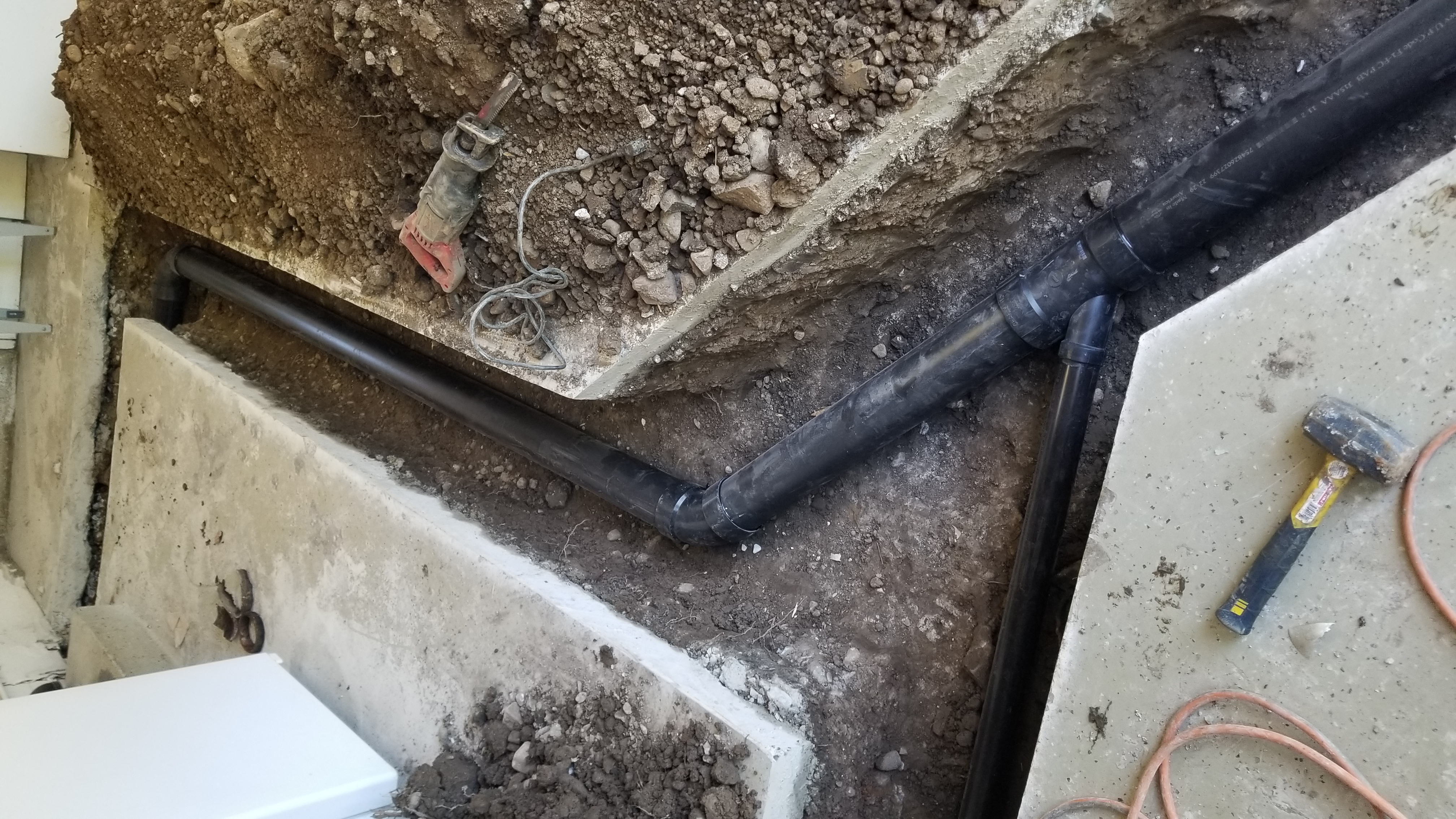
Understanding the Services Offered by The SewerMan Plumbing Company
The SewerMan Plumbing Company specializes in comprehensive residential and commercial wastewater management, focusing on trenchless sewer repair, drain cleaning, and advanced pipe inspection. By utilizing non-invasive diagnostic tools...
The SewerMan Plumbing Company specializes in comprehensive residential and commercial wastewater management, focusing on trenchless sewer repair, drain cleaning, and advanced pipe inspection. By utilizing non-invasive diagnostic tools and high-efficiency hydro-jetting, they provide property owners with long-term solutions for structural pipe failure, root intrusion, and chronic blockage issues, aiming to minimize property disruption.
Contents
Core Service Philosophy: Trenchless Technology
The defining characteristic of The SewerMan’s operational model is its emphasis on "trenchless" technology. Traditional sewer line repair often required excavating large sections of a property’s landscaping, driveways, or building foundations to access damaged pipes. In 2026, property owners increasingly prioritize minimal intervention to preserve real estate aesthetics and structural integrity.
The SewerMan utilizes two primary methods to achieve this: pipe bursting and cured-in-place pipe (CIPP) lining. In pipe bursting, a specialized tool is pulled through the existing damaged line, which fractures the old pipe while simultaneously pulling a new, high-density polyethylene (HDPE) pipe into its place. CIPP lining, conversely, involves inserting a resin-saturated flexible liner into the interior of the existing pipe. Once the resin cures, it creates a "pipe-within-a-pipe" that is often stronger than the original material, effectively sealing cracks and preventing future root infiltration without the need for trenching.
Diagnostic Precision Through Video Inspection
Before any mechanical work begins, The SewerMan emphasizes the necessity of high-resolution video inspection. This process involves threading a miniature, high-definition camera through the sewer line to identify the exact location and nature of the issue.
This diagnostic phase is critical for distinguishing between different types of failure:
- Root Intrusion: Fine root hairs enter pipe joints and expand, eventually causing severe blockages or structural collapse.
- Pipe Belly: A section of the pipe has settled or "sagged," creating a low point where waste and water pool, leading to recurring clogs.
- Offset Joints: Soil movement causes pipe sections to misalign, creating an obstruction where solids can catch.
- Cracks and Collapses: Structural degradation that requires immediate trenchless reinforcement or replacement.
By providing the client with visual evidence of the pipe’s interior, the company eliminates guesswork, ensuring that the chosen repair method is both necessary and appropriate for the specific damage found.
Drain Cleaning and Hydro-Jetting
While structural repairs fix the pipe itself, drain cleaning services address the symptoms of accumulation that disrupt daily operations. For both residential kitchens and commercial grease-producing environments, The SewerMan employs hydro-jetting.
Unlike traditional mechanical "snaking," which merely punches a hole through a clog, hydro-jetting uses high-pressure water streams to scour the interior walls of the pipe. This process removes grease, soap scum, and mineral scale buildup, restoring the pipe to its original diameter. For commercial clients, this service is often scheduled on a preventative basis to avoid the costly downtime associated with a catastrophic drainage failure.
Comparing Plumbing Remediation Methods
| Method | Primary Application | Minimally Invasive? | Longevity |
|---|---|---|---|
| Mechanical Snaking | Simple clogs/soft blockages | Yes | Short-term |
| Hydro-Jetting | Heavy grease/sediment buildup | Yes | Medium-term |
| CIPP Lining | Cracked or leaking pipes | Yes | High (50+ years) |
| Pipe Bursting | Collapsed or severely damaged lines | Yes | High (50+ years) |
| Conventional Digging | Major structural collapse/re-routing | No | High |
Operational Standards and Safety Requirements
Engaging with a specialized contractor like The SewerMan requires a basic understanding of what happens before and during the service. First, the company typically requires access to a cleanout—a capped pipe that provides direct access to the main sewer line. If a cleanout does not exist, the technician may need to install one to facilitate the inspection and repair process.
Property owners should be aware of the "call before you dig" regulations. Even in trenchless operations, technicians must confirm the location of underground utilities (such as gas, electric, and fiber-optic lines) to prevent accidental damage during the setup phase. As of 2026, most municipalities enforce strict permit requirements for sewer lateral work. The SewerMan usually manages the permit procurement process, ensuring that the work is compliant with local building codes and subject to municipal inspection upon completion.
Troubleshooting Common Sewer Issues
Property owners often notice specific symptoms before calling a professional. Understanding these indicators helps in providing the technician with accurate information:
- Multiple Drains Slowing Down: This is often a sign of a main line clog rather than an issue with a single fixture.
- Gurgling Sounds: A toilet or sink gurgling while another fixture is being used indicates air venting issues, often caused by a blockage in the main stack.
- Water Backup: The most urgent symptom, occurring when waste water pushes back up through floor drains or toilets. This signifies a total blockage of the line.
If these symptoms arise, the recommended immediate action is to cease using water throughout the building to prevent further backing up, and to refrain from using chemical drain cleaners. Chemical cleaners are often ineffective on main line blockages and can damage the pipes or pose safety risks to the technician performing the later repair.
Frequently Asked Questions
How long does a trenchless sewer repair take? Most trenchless repairs, such as CIPP lining, can be completed in a single day. This is a significant advantage over traditional excavation, which can take several days or even weeks depending on the permit process and the restoration of landscaping or paving.
Is it necessary to replace the entire sewer line? Not always. Video inspection often reveals that the damage is localized. In such cases, point-repairs or sectional lining can be utilized to fix only the compromised portion of the pipe, saving the owner the cost of a full replacement.
Does my insurance cover sewer line repair? Coverage varies significantly by policy. Many standard homeowner insurance policies exclude "wear and tear" or "ground movement." However, if the damage is caused by a sudden, accidental pipe burst, some policies may provide coverage. It is advised to review your specific policy documents or contact your agent before authorizing major work.
What is the benefit of hydro-jetting over standard snaking? Standard snaking is a temporary fix for clogs. Hydro-jetting cleans the entire interior diameter of the pipe, removing the debris and buildup that cause clogs to recur. It is effectively a "reset" for the pipe’s flow capacity.
Can The SewerMan work on commercial properties? Yes. Commercial properties often have higher-volume usage and stricter code requirements for grease management and line capacity. The company adapts its equipment—using larger hoses and higher pressure settings—to meet the requirements of larger commercial-diameter pipes.
Next Steps for Property Owners
If you suspect a sewer line issue, the most effective next step is to request a professional video inspection. Avoid the temptation to perform repeated mechanical drain cleaning, as this can mask the severity of a collapsing line, leading to a more expensive emergency repair later. Contact The SewerMan to schedule a diagnostic appointment, ensuring that you have your property layout and any records of previous plumbing work readily available for the technician.
Image Gallery