Understanding Brooklyn Home Inspector Roles, Standards, and Choosing Guidance
Navigating the Brooklyn real estate market requires a rigorous due diligence process, and hiring a qualified home inspector is the most critical step in protecting your investment. A professional inspector evaluates a property’s struct...
Navigating the Brooklyn real estate market requires a rigorous due diligence process, and hiring a qualified home inspector is the most critical step in protecting your investment. A professional inspector evaluates a property’s structural and mechanical systems, identifying existing defects and potential hazards. By understanding the established standards of practice, licensing requirements, and the specific nuances of Brooklyn’s unique housing stock, you can select an inspector who provides the clarity needed to make informed purchase decisions.
Contents
The Essential Role of a Home Inspector in Brooklyn
In the context of a Brooklyn real estate transaction, the home inspector acts as an objective, third-party observer. Their primary role is not to tell you whether to buy the house, but rather to provide a comprehensive, data-backed assessment of the property's condition at the time of the inspection.
In Brooklyn, inspectors deal with diverse building types, ranging from pre-war brownstones and row houses to modern luxury condos and converted industrial lofts. Each of these property types presents specific challenges. For instance, a century-old brownstone may have legacy electrical wiring, aging masonry, or historic drainage issues that are entirely absent in a high-rise condominium. An effective inspector understands these building archetypes and adjusts their diagnostic approach accordingly.
The inspector’s report serves as the foundation for your post-inspection negotiations. If the inspection reveals significant structural issues, environmental hazards like lead paint or asbestos, or critical system failures, this information is used by your attorney to request repairs, price concessions, or even to exercise a contingency clause to walk away from the deal.
Regulatory Standards and Licensing in New York
The State of New York regulates the home inspection profession through the Department of State (DOS). It is critical to confirm that any individual you hire is currently licensed. As of 2026, New York law requires that home inspectors hold a valid license, which involves meeting specific educational requirements, passing a state-approved examination, and completing a set number of mentored inspections.
Standards of Practice
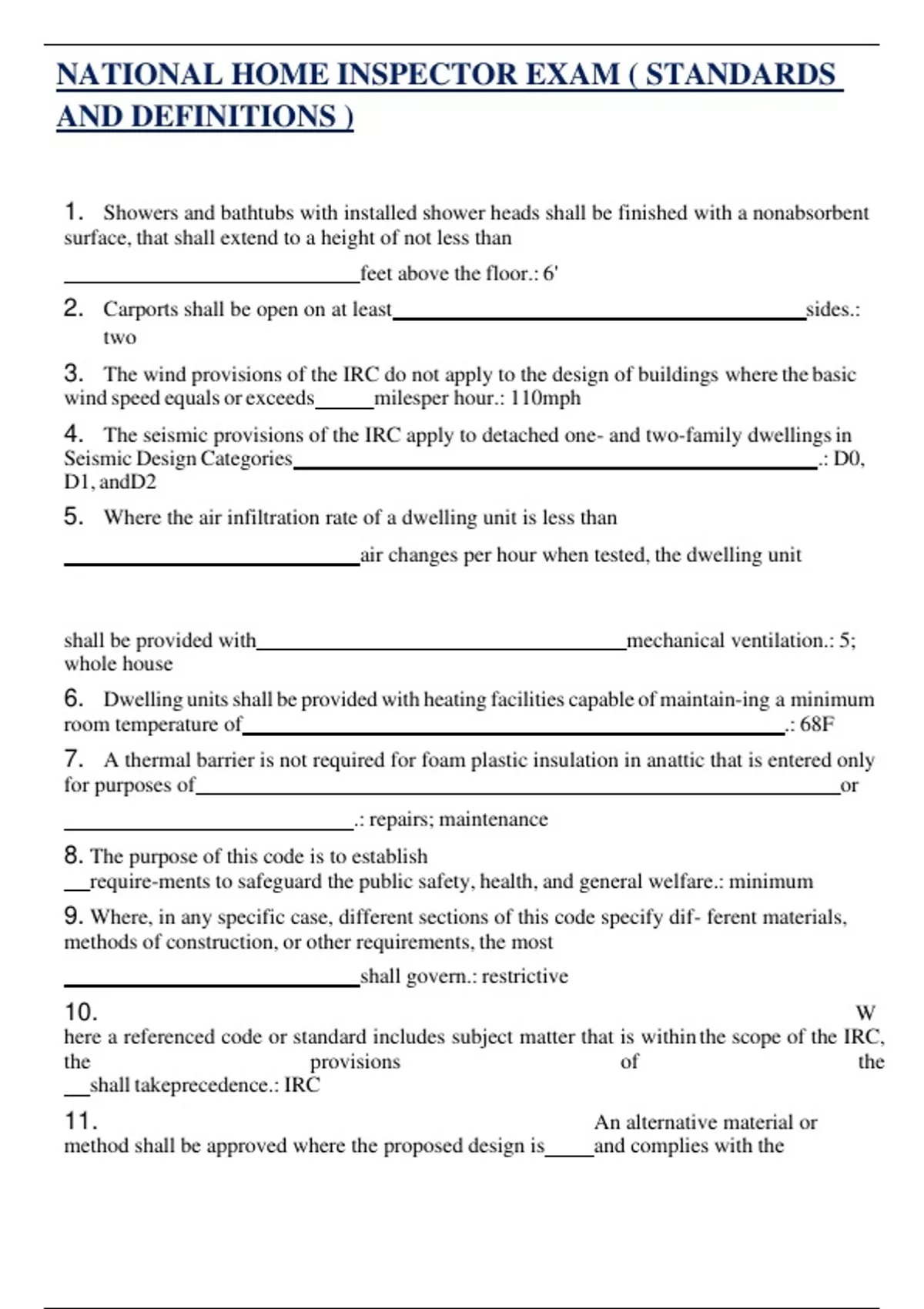
All licensed inspectors in New York must adhere to the New York State Standards of Practice. These standards define the minimum scope of a home inspection, which includes:
- Structural Systems: Foundations, floors, walls, and roofs.
- Exterior: Siding, windows, doors, decks, and drainage.
- Roofing: Roof coverings, flashings, and chimney venting.
- Plumbing: Water supply, distribution systems, and fixtures.
- Electrical: Service entrance, grounding, circuit breakers, and wiring.
- Heating and Cooling: Furnaces, boilers, and central air systems.
- Interior: Insulation, ventilation, and general interior finish quality.
It is important to note that these standards are "non-invasive." An inspector is generally not required to move furniture, dismantle walls, or perform destructive testing. If an area is inaccessible—such as behind a heavy wall unit in a co-op or in a crawl space blocked by debris—the inspector will note this as an exclusion in their report.
How to Choose the Right Brooklyn Inspector
Choosing an inspector in a dense urban environment like Brooklyn requires more than just checking their license. You should vet candidates based on their experience, communication style, and local expertise.
1. Verify Professional Affiliations
While state licensing is mandatory, many top-tier inspectors also belong to national organizations such as the American Society of Home Inspectors (ASHI) or the International Association of Certified Home Inspectors (InterNACHI). These organizations often require members to adhere to a stricter code of ethics and participate in ongoing continuing education, which is essential as building codes and technologies evolve.
2. Request Sample Reports
Always ask to see a sample inspection report. The report is the primary deliverable of the service. A high-quality report should be clear, concise, and heavily supported by photography. It should prioritize items by urgency, distinguishing between safety hazards that require immediate attention and general maintenance items that can be addressed over time.
3. Evaluate Local Experience
Ask prospective inspectors how many brownstones or historic row houses they have inspected in the past year. Brooklyn’s housing stock is aging; an inspector who only understands modern, wood-frame suburban homes may miss the nuances of historic mortar joints, radiator heating systems, or common-wall fire safety issues prevalent in NYC tenements and townhouses.
Comparison Table: Evaluating Potential Inspectors
| Criteria | Basic Compliance | High-Performance Standard |
|---|---|---|
| Licensing | NY State Licensed | Licensed + Fully Insured (E&O) |
| Reporting | Checklist-based | Detailed Narrative + Photos + Video |
| Accessibility | Available by email | Available for walkthrough/Q&A |
| Specialization | Generalist | Expertise in NYC historic/urban stock |
| Turnaround | 48-72 hours | 24 hours |
Navigating the Inspection Process
The inspection usually occurs after the contract has been signed but before the closing date. This "inspection window" is typically limited to a few days, so you must have your inspector lined up in advance.
On-Site Participation
It is highly recommended that you accompany the inspector for at least a portion of the visit. While you should avoid hovering—which can distract the inspector—being present allows you to see the conditions firsthand. The inspector can show you exactly what they are looking at, explain how a particular system operates, and help you understand the difference between a major defect and standard "wear and tear."
Limitations and Exclusions
Manage your expectations regarding what an inspector can actually see. Inspectors are not experts in environmental testing (unless they hold separate certifications for mold, radon, or lead), nor are they structural engineers or pest control experts. If an inspection reveals a potentially major structural problem, your inspector may recommend that you hire a specialized engineer to provide a more in-depth assessment. Do not view this as a failure of the inspector; view it as a necessary precaution to protect your capital.
Frequently Asked Questions
Does a clean inspection report mean the property is perfect? No. A "clean" report simply means that no major, readily observable defects were identified at the time of the inspection. It does not guarantee that systems will not fail in the future or that latent, hidden defects do not exist behind walls or within floors.
What should I do if the inspector finds a major problem? If a significant issue arises, contact your real estate attorney immediately. They will advise on whether you can renegotiate the price, request that the seller perform repairs before closing, or if the findings trigger a clause in your contract that allows you to withdraw your offer without penalty.
Do I need a separate inspection for a condo versus a house? Yes. Even if you are purchasing a unit in a large building, a home inspection is vital. While you are not responsible for the exterior of the building, you are responsible for the interior systems, plumbing, and electrical within your specific unit. An inspector can also identify issues related to building-wide common elements that might impact your unit.
Are pre-purchase inspections and pre-listing inspections the same? Functionally, yes; they follow the same standards. However, the intent differs. A pre-listing inspection is conducted by a seller to identify potential deal-breakers before going on the market, whereas a pre-purchase inspection is performed by the buyer to gain leverage and verify the quality of the property before closing.
Next Actions
Once you have identified a few qualified candidates, verify their credentials through the New York Department of State's licensing portal. Schedule an initial consultation to discuss your specific property—especially if it is an older building—and request references. By approaching the inspection as a technical collaboration rather than a mere box-checking exercise, you ensure that you enter your Brooklyn home purchase with eyes wide open, fully aware of the condition of your future asset.
Image Gallery