Understanding the Truck Bed: Anatomy, Types, and Practical Uses
The truck bed is the open-air, rear cargo compartment of a pickup truck designed specifically for hauling, towing-adjacent utility work, and transporting heavy or oversized goods that cannot fit inside a standard vehicle cabin. What Is...
The truck bed is the open-air, rear cargo compartment of a pickup truck designed specifically for hauling, towing-adjacent utility work, and transporting heavy or oversized goods that cannot fit inside a standard vehicle cabin.
Contents
What Is the Truck Bed?
The truck bed—often referred to as the box—is the defining structural element that separates a pickup truck from an ordinary passenger car, SUV, or van. Bolted or welded directly to the vehicle's frame, the bed consists of a flat floor, two vertical side walls, a front bulkhead (or header panel) positioned directly behind the cab, and a hinged rear gate commonly known as the tailgate.
While the cab protects the driver and passengers, the truck bed serves as an open-air utility zone engineered to withstand heavy impacts, weather exposure, and abrasive materials. Modern truck beds vary significantly in construction materials, ranging from traditional stamped steel to lightweight aluminum alloys and high-strength composite materials like sheet-molded compound (SMC). The primary purpose of this compartment is to provide maximum volumetric capacity and structural load-bearing strength for cargo transportation, ranging from construction aggregates like gravel and lumber to recreational gear, furniture, and specialized work equipment.
Anatomy and Structural Components of a Truck Bed
To fully understand a truck bed, one must look beyond its basic appearance and examine the integrated components that provide its structural integrity and functional utility. Every standard pickup bed is a sophisticated assembly of panels, reinforcements, and access points.
The Floor and Tailgate
The floor of the truck bed absorbs the majority of the impact when heavy objects are loaded. It is typically ribbed or stamped with channels to increase rigidity and allow moisture to drain toward the rear. At the back sits the tailgate, a removable or folding vertical gate that provides ground-level access to the cargo area. Modern tailgates often feature integrated steps, work surfaces, or multi-function articulation (such as split-folding gates) to improve accessibility.
Side Walls, Wheel Wells, and Bulkhead
The side walls enclose the cargo area. Inside these walls, interior wheel wells protrude upward to accommodate the rear tires, creating a specific clearance width that dictates whether standard 4-foot-wide sheets of plywood or drywall can lay flat on the bed floor. The bulkhead forms the front boundary of the bed, shielding the rear cab window from shifting cargo during sudden stops.
Tie-Down Points and Stake Pockets
Factory-installed tie-down cleats or loops are positioned along the interior walls and floor to secure cargo straps, ropes, and bungee cords. Additionally, stake pockets—rectangular openings cut into the top rails of the side walls—allow owners to mount side rails, ladder racks, or tie-down anchors for oversized loads.
Common Truck Bed Dimensions and Configurations
Truck beds are categorized by their length, side wall height, and overall cab configuration. Choosing the right bed size depends on whether the vehicle is intended for commercial hauling, family transportation, or recreational off-roading.
Standard Length Classifications
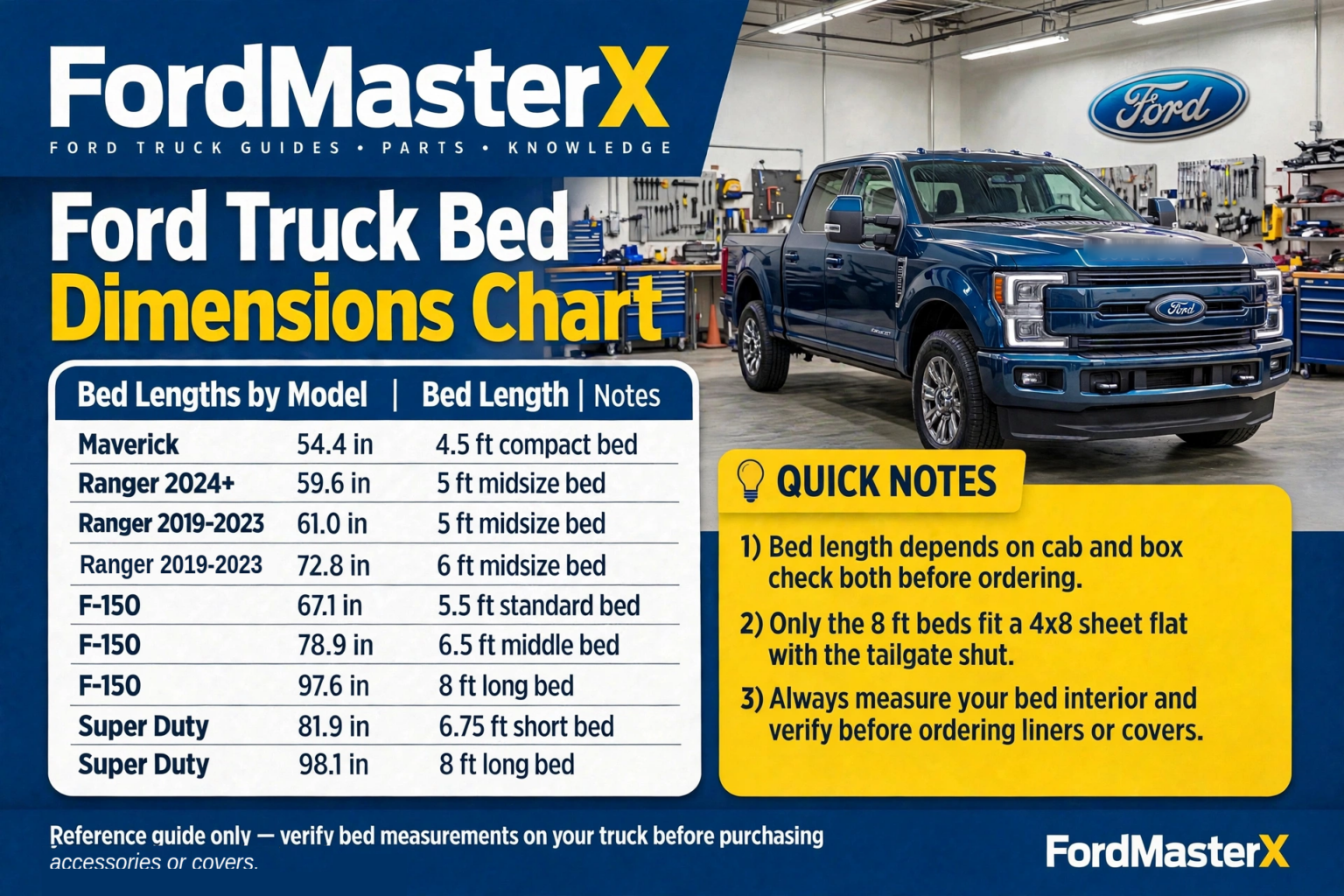
Manufacturers generally offer three distinct bed lengths, though availability varies by model, brand, and cab style:
- Short Bed (Compact/Short Box): Typically measuring between 5 to 5.5 feet in length, these beds prioritize cabin passenger space over cargo volume. They are common on crew cab trucks designed for daily commuting and light weekend projects.
- Standard Bed (Regular Box): Ranging from 6 to 6.5 feet, the standard bed represents the most balanced compromise between cab legroom and cargo capacity, accommodating standard recreational equipment and moderate DIY supplies.
- Long Bed (Long Box): Measuring 8 feet or more, long beds are standard on regular cab work trucks and heavy-duty models. They allow full sheets of building materials to lie completely flat with the tailgate closed.
Styleside vs. Stepside Beds
The exterior styling of a truck bed generally falls into two design categories:
| Bed Style | Design Characteristic | Advantage | Limitation |
|---|---|---|---|
| Styleside (Fleetside) | Smooth exterior side panels where the wheel wells are enclosed inside the bed interior. | Maximum interior floor width; modern aerodynamics; cleaner aesthetic. | Harder to reach items stored near the front sides over the high rail. |
| Stepside (Fendered) | Narrower interior floor with prominent, external fenders and integrated steps on the outside. | Easier side access to cargo via exterior steps; classic vintage styling. | Reduced interior bed width, often preventing wide sheets of material from lying flat. |
Materials and Protection: Steel, Aluminum, and Composites
The durability of a truck bed depends heavily on its manufacturing material and protective treatments. As automotive engineering evolves, manufacturers utilize different compounds to balance weight, payload capacity, and corrosion resistance.
Traditional steel beds offer exceptional structural strength and ease of repair if dented, but they are susceptible to rust if the paint or protective coating is compromised. Aluminum beds, popularized by manufacturers like Ford in modern full-size trucks, significantly reduce vehicle weight, improving overall fuel efficiency and increasing maximum payload ratings without sacrificing structural integrity. However, aluminum requires specialized repair techniques when damaged.
Composite beds—constructed from heavy-duty plastics and resin-reinforced fiberglass—offer ultimate resistance to denting, scratching, and rust. These beds do not require spray-in liners to prevent corrosion, though they have distinct impact limits under extreme point-load conditions.
Protective Accessories
Because raw truck beds endure constant wear and tear, owners frequently invest in protective upgrades:
- Spray-In and Drop-In Liners: Spray-in polyurethane coatings bond permanently to the metal, preventing rust and slippage. Drop-in plastic liners offer removable protection but can trap moisture underneath if not properly maintained.
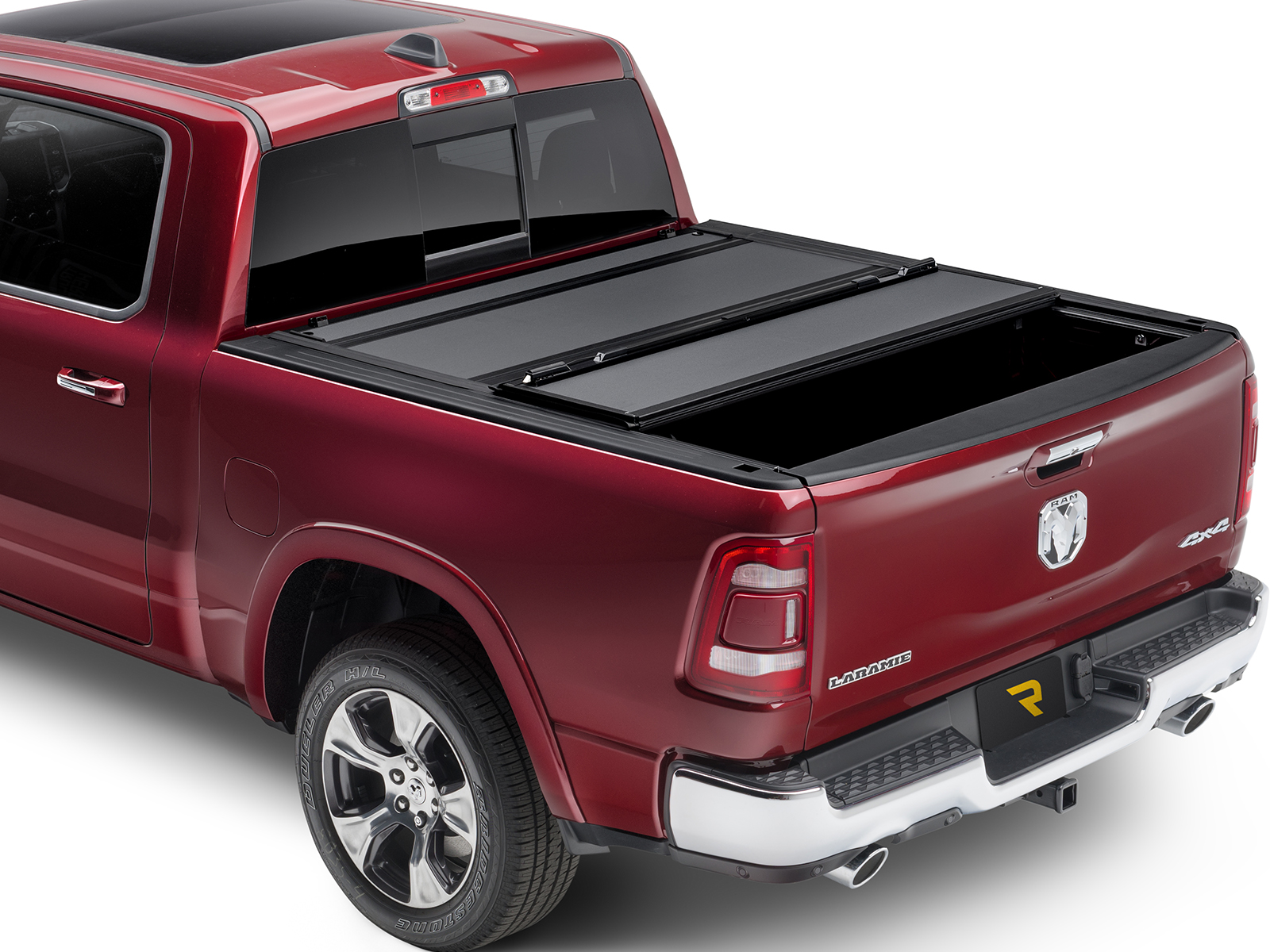
- Tonneau Covers: Folding, rolling, or hard-shell covers enclose the bed to protect cargo from weather and theft while improving vehicle aerodynamics on the highway.
- Bed Mats: Heavy rubber mats protect the floor from impact dents and keep cargo from sliding around during transit.
Practical Uses and Applications
The versatility of the truck bed makes it an indispensable tool across multiple industries and lifestyle pursuits.
Commercial and Construction Utility
In the trades, the truck bed serves as a mobile workshop. Contractors utilize bed caps, tool chests, and sliding drawer systems to organize power tools, hardware, and safety gear. The open-air design allows for the bulk transport of gravel, sand, cement bags, and lumber that would otherwise damage the interior of an enclosed vehicle.
Recreation and Overland Travel
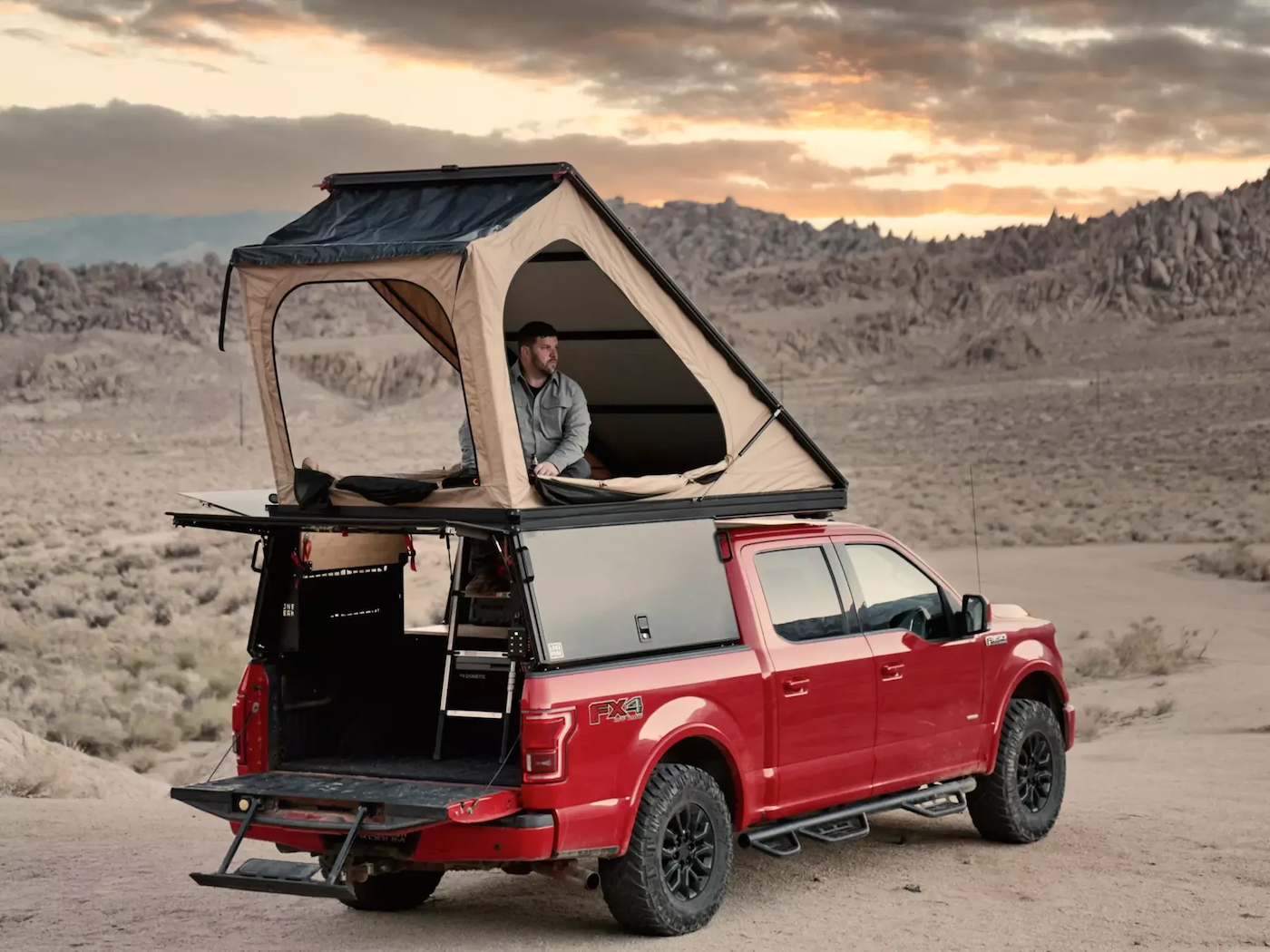
Outdoor enthusiasts use truck beds to transport motorcycles, bicycles, kayaks, and camping equipment. In recent years, the overland and truck-camping community has transformed the bed into a foundation for rooftop tents, slide-in campers, and custom storage vaults, turning the pickup into a self-contained mobile basecamp.
Frequently Asked Questions
What is the difference between a truck bed and a trunk?
A trunk is an enclosed, weather-sealed storage compartment separated from the passenger cabin, typically found in sedans and coupes. A truck bed is an open-air cargo box structurally attached to the rear of a pickup truck, designed to handle much larger, taller, and heavier items that exceed the spatial limits of an enclosed trunk.
Can a truck bed fit 4x8 sheets of plywood?
Yes, but only if the truck is equipped with a standard (6.5-foot) or long (8-foot) bed, or if the wheel wells are spaced at least 48 inches apart. Trucks with short 5-foot beds or specialty stepside designs often require the tailgate to remain down, as the distance between the interior wheel wells or the overall length is insufficient to lay flat sheets entirely enclosed.
What is a bed liner and do I need one?
A bed liner is a protective coating or molded insert designed to shield the interior metal or aluminum of the truck bed from scratches, dents, and chemical corrosion. If you frequently haul abrasive materials, gravel, or heavy tools, a liner is highly recommended to preserve the resale value and structural integrity of the vehicle.
How much weight can a truck bed hold?
The weight a truck bed can hold is determined by the vehicle's payload capacity, which is the maximum allowable weight for passengers, fuel, and cargo combined. This rating varies widely by model—ranging from 1,000 pounds in compact trucks to over 3,000 pounds in heavy-duty commercial configurations. Exceeding this limit can compromise braking performance, suspension integrity, and tire safety.
How do I measure a truck bed accurately?
To measure a truck bed, close the tailgate and run a tape measure from the inside edge of the bulkhead (the front wall of the bed) straight back to the inside edge of the tailgate. Do not measure along the top rails, as tailgate thickness and slope can skew the true usable floor length.
To maximize the utility of your pickup, evaluate your primary hauling needs—whether transporting bulky construction materials or recreational gear—before selecting a truck bed length, style, and protective liner combination that matches your operational requirements.
Image Gallery