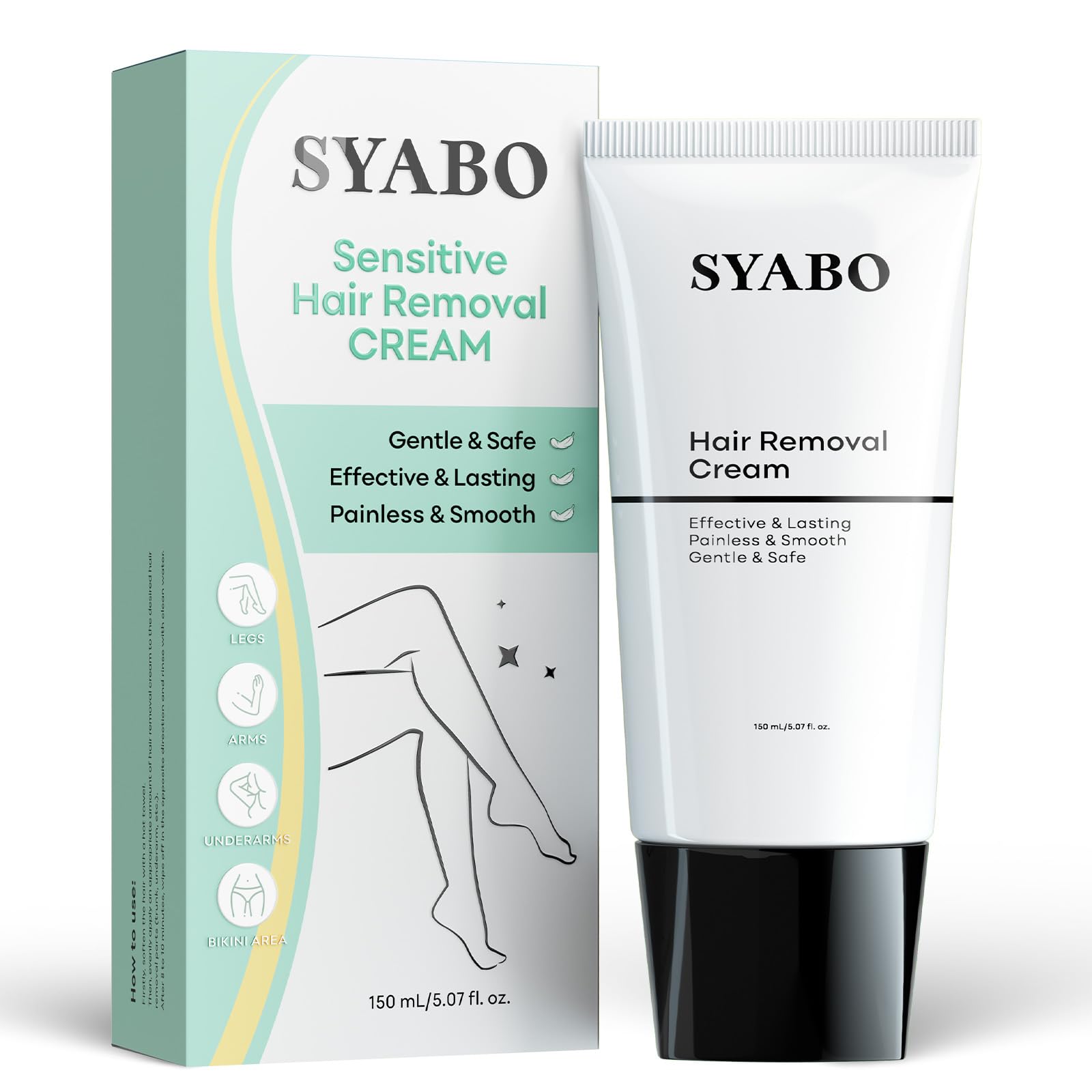
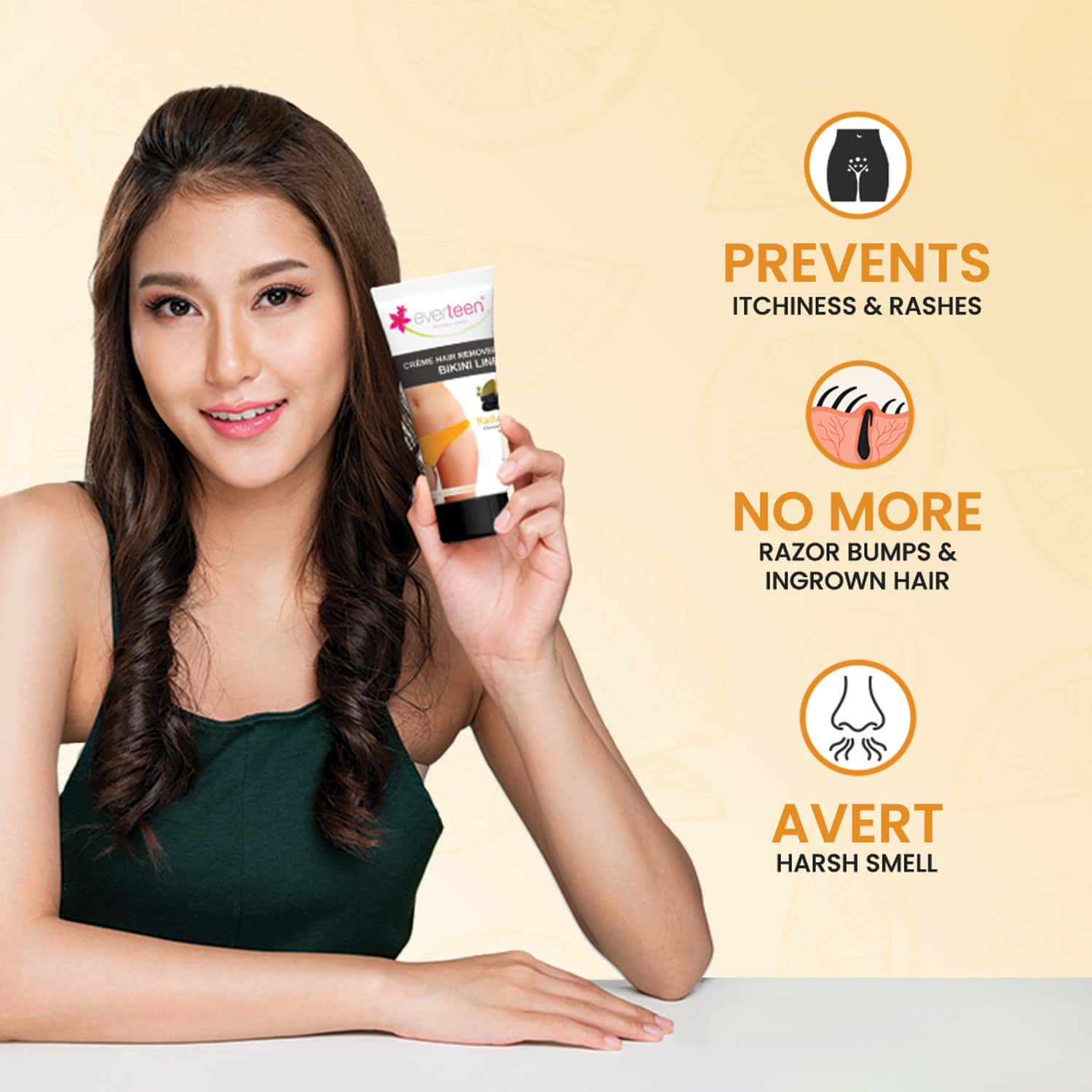
The Rise of Bikini Line Cream Hair Removal: Formulations, Benefits, and Safe Application
Bikini line cream hair removal has surged in popularity as advanced depilatory formulations offer a pain-free, smooth alternative to traditional shaving and waxing. Modern creams utilize balanced thioglycolate chemistry paired with soo...
Bikini line cream hair removal has surged in popularity as advanced depilatory formulations offer a pain-free, smooth alternative to traditional shaving and waxing. Modern creams utilize balanced thioglycolate chemistry paired with soothing botanicals to dissolve keratin bonds at the skin’s surface without causing razor burn, micro-tears, or severe folliculitis in sensitive intimate regions.
Contents
Understanding the Popularity Shift: Why Depilatory Creams Are Surging
For decades, depilatory creams were widely viewed as a fallback option for body hair removal. Older chemical formulations were known for harsh chemical odors, unpredictable active ingredients, and a high likelihood of causing contact dermatitis or chemical burns on sensitive skin. Consequently, consumers predominantly relied on mechanical shaving or salon waxing for intimate grooming.
In recent years, a major shift in cosmetic chemistry and consumer preferences transformed depilatory products into a primary choice for bikini line maintenance. Modern formulations replace high-alkaline, foul-smelling mixtures with optimized pH-balanced formulas containing odor-masking technology, moisturizing lipid complexes, and calming botanicals such as aloe vera, bisabolol, and shea butter.
Several key factors drive the growing adoption of bikini-specific hair removal creams:
- Elimination of Mechanical Friction: Unlike razor blades, which physically drag across the epidermis and slice hair down to or just below the skin surface, depilatory creams melt hair structure chemically. This process eliminates razor bumps, blade cuts, and friction-induced hyperpigmentation.
- Lower Risk of Pseudofolliculitis Barbae: Shaving cuts hair strands at an acute, sharp angle, creating jagged points that easily curl backward into hair follicle walls during regrowth. Creams dissolve hair into rounded, soft tips, substantially reducing the occurrence of painful ingrown hairs.
- Accessibility and Cost-Efficiency: High-end waxing treatments and clinical laser hair removal sessions require significant financial investment and scheduling commitment. Depilatory creams provide comparable initial smoothness at home for a fraction of the cost.
- Painless Operation: Compared to waxing or sugaring, which forcibly pull hair follicles from the dermal papilla, chemical depilation operates without physical trauma to the root.
How Depilatory Creams Work on Bikini Line Hair
To understand why specialized formulations are necessary for the bikini zone, it is essential to examine the underlying biochemical reaction between depilatory agents and human hair.
The Biochemistry of Chemical Depilation
Human hair consists primarily of keratin, a fibrous structural protein stabilized by strong chemical bonds. The structural integrity and rigidity of hair fibers depend largely on disulfide bonds (covalent linkages between cysteine amino acid residues).
Depilatory creams rely on salts of thioglycolic acid—most commonly potassium thioglycolate or calcium thioglycolate—in combination with an alkaline base such as calcium hydroxide or sodium hydroxide.
Keratin Disulfide Bond + Thioglycolate Base
Broken Protein Chains
Gelatinized Hair structure
Alkaline Swelling: The alkaline component elevates the pH of the hair shaft (typically between pH 11 and 12.5), causing the protein structure to swell and opening the outer cuticle layer.
Disulfide Reduction: The thioglycolate ions penetrate the hair shaft and break down the disulfide cross-links within the keratin matrix.
Gelatinization: As the internal protein architecture degrades, the hair loses structural tension, dissolving into a soft gel consistency at or slightly below the surface of the follicle opening.
Wiping Away: The degraded hair protein easily wipes away using a damp cloth or soft spatula, leaving a rounded tip on the remaining shaft under the skin.
Why the Bikini Zone Requires Specialized Formulations
The skin of the bikini line differs significantly from the skin on the legs, arms, or back. The stratum corneum (the outermost skin barrier) in the groin and intimate areas is noticeably thinner, highly vascularized, and subject to constant friction, heat, and moisture. Furthermore, proximity to delicate mucosal membranes (such as the labia minora and vulvar vestibule) heightens the risk of severe chemical irritation if product spreads inappropriately.
Standard full-body hair removal creams often contain higher concentrations of alkaline agents designed to break down coarse leg hair rapidly. Applying these aggressive mixtures to intimate regions frequently leads to epidermal barrier breakdown, burning, and prolonged chemical erythema. Dedicated bikini line creams feature lower, carefully controlled concentrations of active thioglycolates balanced by higher ratios of skin-conditioning emollients, ceramides, and anti-inflammatory compounds.
Comparing Hair Removal Methods for the Bikini Area
Choosing the right hair removal approach requires balancing parameters such as longevity, pain levels, skin irritation risk, cost, and user convenience.
| Feature / Metric | Bikini Line Depilatory Cream | Manual Shaving | Waxing / Sugaring | In-Office Laser Hair Removal |
|---|---|---|---|---|
| Primary Mechanism | Chemical reduction of disulfide bonds | Mechanical cutting of hair shaft | Physical extraction of hair follicle | Selective photothermolysis of melanin |
| Longevity of Smoothness | 3 to 7 days | 1 to 3 days | 3 to 6 weeks | Long-term reduction (months to years) |
| Pain Level | None (if used correctly) | None (unless cut/nicked) | High to moderate | Moderate (described as rubber band snaps) |
| Ingrown Hair Risk | Very Low | High | Moderate | Low |
| Skin Cut / Razor Burn Risk | Zero | High | Zero (Risk of skin lifting/tearing) | Zero |
| Treatment Time | 6 to 10 minutes | 2 to 5 minutes | 20 to 45 minutes | 15 to 30 minutes per session |
| Relative Cost | Low ($8 - $20 per tube) | Very Low ($2 - $10 per razor) | Moderate/High ($50 - $120/session) | High ($150 - $400/session) |
Depilatories vs. Shaving
While shaving remains a rapid, low-cost option, it cuts hair at a sharp diagonal angle right at the epidermal surface. In intimate areas where hair is naturally coarse and curly, these sharp tips rub against hair follicle walls as they re-emerge, causing pseudofolliculitis barbae (ingrown hairs) and localized inflammation. Depilatory creams dissolve the hair tip into a soft, rounded shape, significantly dampening regrowth irritation.
Depilatories vs. Waxing
Waxing pulls hair roots out from the dermal layer, providing long-lasting smoothness. However, the mechanical force often pulls epidermal cells along with the hair, damaging the skin barrier. On sensitive pubic skin, this can cause extreme redness, petechiae, and increased susceptibility to bacterial folliculitis (Staphylococcus aureus infections). Depilatory creams leave the root intact, avoiding follicle tearing while preserving surrounding skin integrity.
Essential Safety Protocols and Step-by-Step Application Guide
Dermatological Disclaimer: Depilatory creams contain active chemical agents. Individuals with pre-existing skin conditions such as eczema, psoriasis, active contact dermatitis, or open skin lesions should consult a board-certified dermatologist before using chemical depilatories in intimate areas.
Step 1: Selection and Ingredient Verification
When purchasing a depilatory product for intimate use, select items explicitly labeled for "Bikini," "Intimate," or "Sensitive" areas. Inspect the ingredient label to confirm the inclusion of barrier-supporting ingredients:
- Recommended Additives: Aloe vera leaf juice, bisabolol, panthenol, colloidal oatmeal, shea butter, allantoic acid, and ceramides.
- Ingredients to Limit/Avoid: High concentration synthetic fragrances, denatured alcohol (alcohol denat), and harsh physical exfoliants within the same formula.
Step 2: The Essential 24-Hour Patch Test
Never apply a newly purchased chemical depilatory directly across the entire bikini area without testing first.
Cleanse a small, discreet patch of skin along the outer bikini line (approx. 1 inch square).
Apply a thin layer of the cream using the supplied applicator.
Leave the cream on for the minimum recommended duration specified on the package (usually 4–5 minutes).
Gently wipe off the product with a damp cloth and rinse thoroughly with cool water.
Wait 24 hours. Check the test site for redness, itching, burning, swelling, or small vesicles (blisters). If any reaction occurs, discontinue use immediately.
Perform 24-Hour Patch Test
- No Irritation Observed: Proceed to Full Application
- Redness / Burning: Discontinue Product Use
Step 3: Skin Preparation
Proper pre-treatment prep ensures even hair dissolution and minimizes chemical irritation:
- Avoid Physical Exfoliation: Do not scrub the bikini line with loofahs, dry brushes, or acid washes (AHAs/BHAs) for at least 48 hours prior to application. Exfoliation thins the stratum corneum, increasing chemical penetration and burn risk.
- Trim Long Hair: If hair is longer than half an inch, trim it gently with electric clippers. Excessive hair length requires more cream and longer contact times, raising the risk of skin contact side effects.
- Ensure Skin Is Clean and Dry: Wash the outer area with a mild, fragrance-free cleanser to remove body oils and sweat. Pat the area completely dry. Never apply depilatory cream to wet or damp skin, as moisture can alter the cream's pH balance and cause uneven application.
Step 4: Cream Application Procedure
- Protect Internal Anatomy: Apply a physical barrier (such as a thin layer of pure petroleum jelly) over delicate inner mucosal zones (labia minora and vaginal entrance) to prevent accidental contact with the active cream.
- Apply Generously Without Rubbing: Smooth a thick, even layer of cream over the external bikini line hair using the flat edge of an applicator or gloved hands. Do not rub the cream into the skin, as pushing chemicals into hair follicles increases irritation risk.
- Time Precisely: Start a digital timer immediately after finishing application. Follow the manufacturer's exact recommended time frame—typically 5 to 8 minutes. Never leave depilatory cream on the skin longer than 10 minutes total, regardless of hair density.
Step 5: Removal and Post-Care Treatment
- Check a Small Test Area: At the minimum suggested time (e.g., 5 minutes), wipe away a small test section with a damp cloth or plastic spatula. If hair wipes away cleanly, proceed with full removal. If hair remains, leave the product on for up to 2–3 additional minutes, checking periodically.
- Remove Gently: Use a soft, damp microfiber cloth or the provided spatula to wipe away the cream in smooth, gentle strokes opposite the direction of hair growth. Avoid rough rubbing or scratching.
- Rinse thoroughly: Wash the entire area with ample cool or lukewarm water. Ensure every trace of chemical residual is washed away. Do not use soap or hot water immediately after removal, as opened pores and temporarily sensitized skin can react poorly.
- Apply Post-Depilatory Soothing Care: Pat the skin dry with a clean towel. Apply a generous layer of fragrance-free, non-comedogenic moisturizing lotion or pure aloe vera gel to restore hydration and support skin barrier repair.
- Wear Loose Clothing: Wear loose, breathable cotton underwear for the first 12–24 hours post-treatment. Avoid tight synthetic activewear, lace, or restrictive jeans that create friction and trap sweat.
Managing Risks, Side Effects, and Troubleshooting Common Errors
Despite modern formulation safety improvements, chemical depilation involves strong active compounds that can cause side effects if mismanaged.
Identifying and Treating Chemical Burns
If cream is left on too long, or if the skin barrier is compromised, calcium or potassium thioglycolate can dissolve outer epidermal proteins alongside hair proteins, leading to a chemical burn.
- Symptoms: Intense stinging or burning sensations during or after application, deep redness, raw tenderness, localized swelling, or clear fluid weeping.
- Immediate First-Aid Protocol:
- Immediately rinse the area with copious amounts of cool running water for 10–15 minutes to dilute and wash away active chemicals.
- Do NOT apply acidic solutions (such as vinegar or lemon juice) under the mistaken belief that they will neutralise the base; chemical reactions can generate heat and worsen tissue injury.
- Apply a plain, sterile petroleum jelly or non-perfumed hydrocortisone 1% cream to reduce localized inflammation.
- Leave the area exposed to air as much as possible; refrain from wearing tight clothing.
- If blistering, severe erosion, or signs of secondary infection (pus, spreading red streaks, fever) develop, seek immediate medical attention from an urgent care physician or dermatologist.
Common User Mistakes to Avoid
- Using Body Creams on the Bikini Line: Leg formulations are designed for thicker skin and feature higher pH levels and chemical strengths. Always use products specifically engineered for intimate areas.
- Shaving Immediately Before or After: Combining chemical degradation with razor blade exfoliation creates severe irritation, barrier degradation, and burning. Space chemical treatment and shaving at least 5 to 7 days apart if transitioning methods.
- Soaking in Hot Baths or Hot Tubs Post-Treatment: Elevated water temperatures and chlorine expand blood vessels and irritate freshly depilated skin, triggering immediate itching and red bumps. Wait at least 24 hours before hot baths, swimming pools, or saunas.
- Applying Above Mucosal Borders: Chemical depilatories are strictly for external skin application (pubic mound and outer groin crease). Applying products internally or directly onto mucosal membranes can cause extreme chemical burns and disruption of sensitive microflora.
Frequently Asked Questions
How long do results from bikini line depilatory creams typically last?
Results generally last between 3 to 7 days, depending on your individual rate of hair growth and hair thickness. Because chemical creams dissolve hair shaft structure slightly below the surface of the skin, results last noticeably longer than standard manual shaving, which cuts hair strictly above or at the skin surface level.
Can depilatory creams cause permanent hair reduction over time?
No. Chemical depilatories target the non-living keratin shaft exposed within and above the upper portion of the hair follicle; they do not destroy or cauterize the dermal papilla or hair follicle stem cells responsible for generating new hair. Hair will continue to grow back according to your natural growth cycle. For permanent hair reduction, light-based modalities like laser or IPL treatments are required.
Is it normal to feel a slight tingling sensation during application?
A very mild, temporary tingling sensation can occur as active ingredients interact with hair proteins. However, if you experience sharp stinging, intense itching, or a burning sensation, the product is reacting negatively with your skin barrier. You should immediately wipe off the cream and rinse the area thoroughly with cool water.
Can I use bikini hair removal cream during pregnancy?
Depilatory cream active ingredients (thioglycolate salts) act locally on skin and hair, with minimal systemic absorption through intact skin. However, hormonal fluctuations during pregnancy can make skin significantly more sensitive and prone to sudden allergic reactions or hyperpigmentation. Always conduct a 24-hour patch test before full use and consult your obstetrician or dermatologist prior to application.
Why does hair removal cream have a distinct sulfur-like odor?
The distinct smell is a natural byproduct of thioglycolate breaking down the sulfur-to-sulfur (disulfide) chemical bonds within hair protein. While modern cosmetics incorporate advanced odor-encapsulation technology and soothing fragrance profiles to suppress this scent, a subtle chemical odor remains an intrinsic characteristic of the disulfide reduction process.
Recommended Action Plan for Safe At-Home Hair Removal
To achieve smooth, irritation-free results on your bikini line using modern depilatory creams, follow this straightforward action plan:
- Purchase the Right Product: Select an gentle, sensitive-formula depilatory cream explicitly labeled for bikini line use that features protective skincare additives like aloe vera or ceramides.
- Conduct a Patch Test: Apply a tiny amount to your outer bikini line 24 hours before your planned hair removal session to confirm skin tolerance.
- Prepare the Skin Properly: Cleanse and dry the target area thoroughly. Protect internal mucosal tissue using a thin layer of petroleum jelly.
- Time Application Strictly: Spread an even layer over target hair without rubbing in. Use a digital timer to restrict application time to the manufacturer's exact recommendations (never exceeding 10 minutes).
- Soothe and Protect: Rinse off completely with cool water, pat dry, apply a soothing fragrance-free moisturizer, and wear loose, comfortable cotton clothing to prevent friction while your skin barrier recovers.
Image Gallery