Understanding the Brokerage IRA: A Comprehensive Guide to Self-Directed Retirement Investing
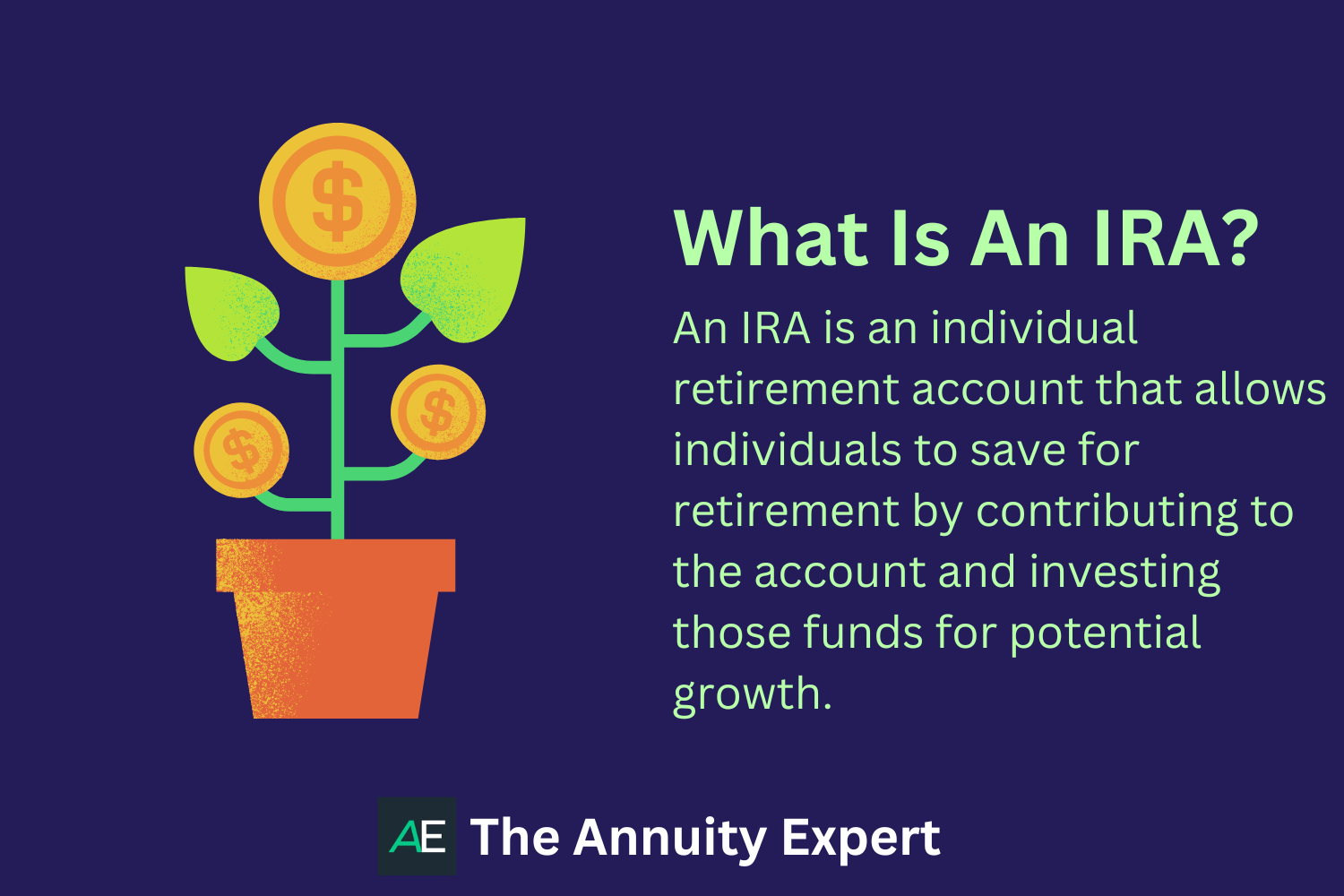
A brokerage IRA is an Individual Retirement Account held with a stockbroker or investment firm rather than a traditional bank. It allows investors to build a retirement portfolio using a wide range of assets, including stocks, bonds, e...
A brokerage IRA is an Individual Retirement Account held with a stockbroker or investment firm rather than a traditional bank. It allows investors to build a retirement portfolio using a wide range of assets, including stocks, bonds, exchange-traded funds (ETFs), and mutual funds, offering significantly higher growth potential than standard bank-held savings accounts.
Contents
Defining the Brokerage IRA
To understand a brokerage IRA, one must first distinguish between the "account type" and the "account custodian." An IRA is a tax-advantaged wrapper defined by the Internal Revenue Code. The custodian is the institution that holds the assets and reports to the IRS. While a bank IRA typically limits you to certificates of deposit (CDs) and low-interest savings vehicles, a brokerage IRA provides access to the broader financial markets.
In 2026, the landscape of retirement planning continues to favor the brokerage model due to its flexibility and the democratization of sophisticated trading tools. When you open an account at a firm like Fidelity, Charles Schwab, or Vanguard, you are not just saving money; you are actively managing capital. This distinction is critical because the primary goal of an IRA is to outpace inflation and compound wealth over several decades—a task that is statistically difficult to achieve using only bank-based interest rates.
The brokerage IRA acts as a self-directed vehicle. While the broker provides the platform, the research, and the execution services, the individual investor (or their appointed financial advisor) decides exactly how the funds are allocated. This level of control is the hallmark of the brokerage model.
Brokerage IRA vs. Bank IRA: The Key Differences
The choice between a bank and a brokerage for your IRA depends largely on your risk tolerance and your proximity to retirement. Banks offer stability and Federal Deposit Insurance Corporation (FDIC) protection, but they offer very little in the way of capital appreciation.
Growth Potential and Asset Classes
The most significant difference lies in the menu of available investments. A bank IRA is essentially a specialized savings account. In contrast, a brokerage IRA allows you to participate in the equity and debt markets. Over a 30-year horizon, the difference between a 2% annual return in a bank CD and a 7% to 10% historical average return in a diversified stock portfolio can represent hundreds of thousands of dollars in retirement wealth.
Risk Profiles
Bank IRAs are often considered "risk-free" in terms of nominal value because they are insured up to $250,000 by the FDIC. Brokerage IRAs do not have this guarantee against market loss. However, brokerage accounts are protected by the Securities Investor Protection Corporation (SIPC). It is important to note that SIPC does not protect against a decline in the value of your stocks; it protects against the insolvency of the brokerage firm itself, covering up to $500,000 in securities and cash (including a $250,000 limit for cash).
Fee Structures
In 2026, most major brokerages have maintained a "zero-commission" model for online stock and ETF trades. However, brokerage IRAs may still carry other costs, such as expense ratios for mutual funds, advisory fees, or specialized service charges. Bank IRAs are generally fee-simple but "cost" the investor in the form of opportunity cost—the growth they miss out on by staying in low-yield vehicles.
Types of Brokerage IRAs
Choosing a brokerage IRA also requires selecting the correct tax treatment. The two primary versions are the Traditional IRA and the Roth IRA, though business-centric versions also exist.
Traditional IRA
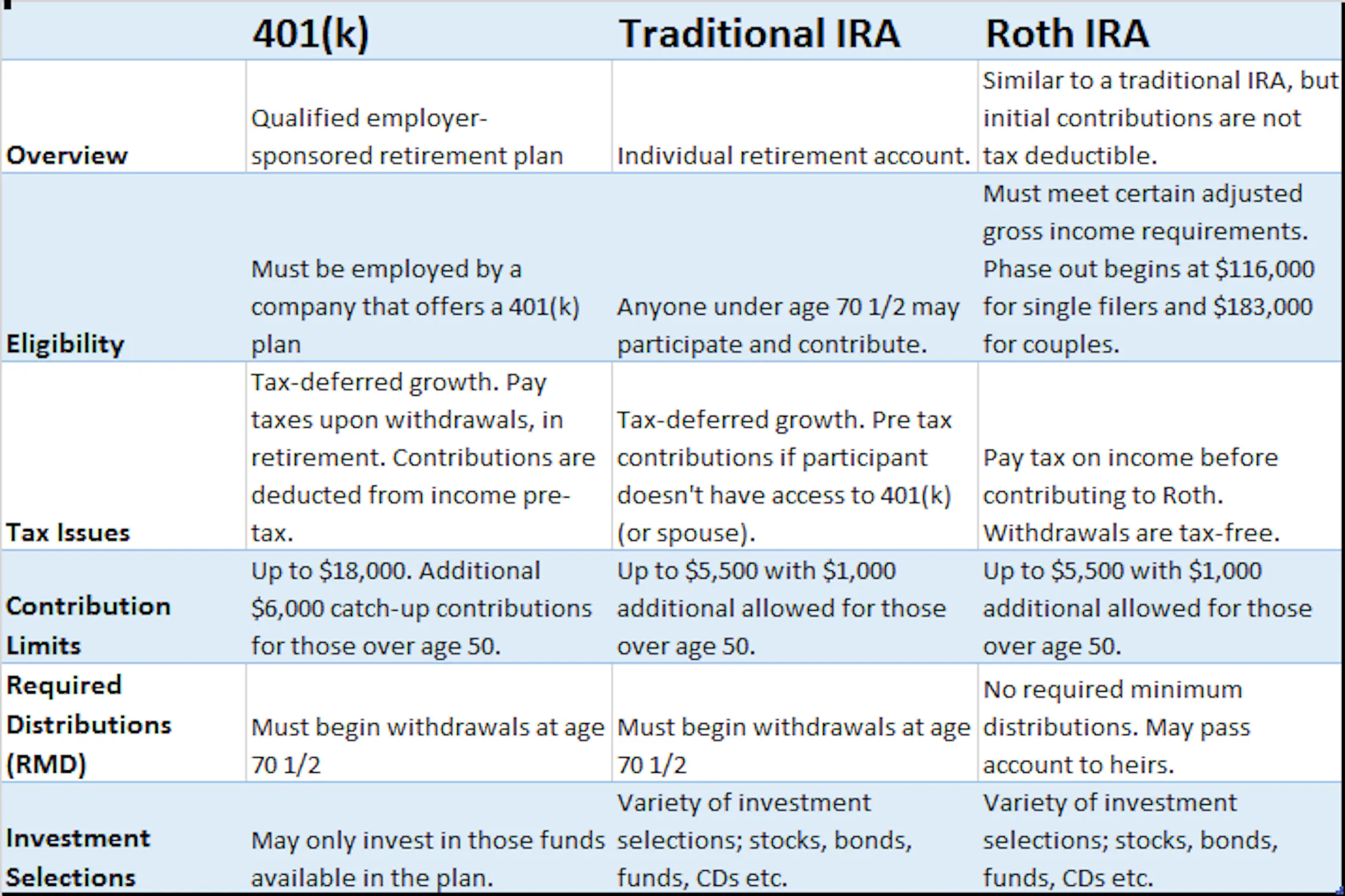
In a Traditional brokerage IRA, contributions are often tax-deductible in the year they are made, depending on your income and whether you are covered by a workplace retirement plan. The investments grow tax-deferred, meaning you pay no capital gains or dividend taxes annually. However, withdrawals in retirement are taxed as ordinary income.
Roth IRA
A Roth brokerage IRA is funded with after-tax dollars. There is no immediate tax break, but the "magic" happens at the end: all qualified withdrawals in retirement are completely tax-free. For many investors in 2026, especially those who expect to be in a higher tax bracket later in life, the Roth IRA is the preferred brokerage vehicle.
SEP and SIMPLE IRAs
For freelancers, contractors, and small business owners, brokerage firms offer Simplified Employee Pension (SEP) IRAs and Savings Incentive Match Plan for Employees (SIMPLE) IRAs. these allow for much higher contribution limits than standard IRAs, making them powerful tools for self-employed individuals to invest their business earnings into the stock market.
Contribution Limits and Eligibility for 2026
For the 2026 tax year, the IRS has maintained inflation-adjusted contribution limits that reflect the current economic environment. Staying within these limits is essential to avoid excise taxes and penalties.
| Feature | 2026 Limit / Rule | Notes |
|---|---|---|
| Annual Contribution (Under 50) | $7,000 | Total across all Traditional and Roth IRAs. |
| Catch-up Contribution (50+) | $1,000 | Total limit of $8,000 for older investors. |
| Traditional IRA Deductibility | Phase-outs apply | Depends on filing status and employer plan. |
| Roth IRA Income Limits | Phase-outs apply | High earners may need to use "Backdoor" strategies. |
| Early Withdrawal Penalty | 10% | Applies to distributions before age 59½ (with exceptions). |
| Required Minimum Distributions | Starts at age 73 or 75 | Based on the SECURE Act 2.0 timeline. |
Investment Options Within a Brokerage IRA
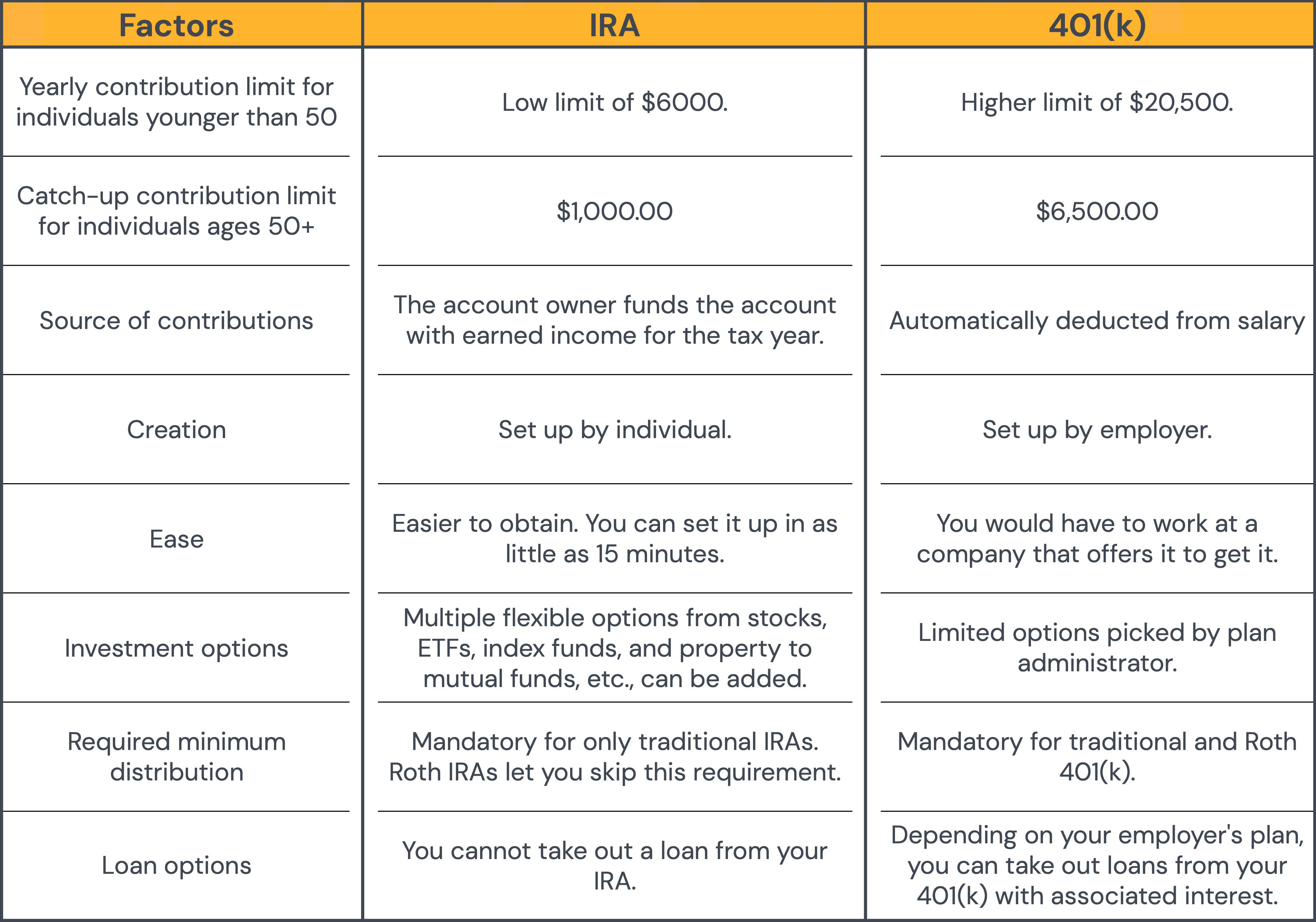
The primary advantage of the brokerage model is the breadth of the "investable universe." When you open a brokerage IRA, you can typically access:
- Individual Stocks: You can buy shares of specific companies, allowing for targeted growth or dividend income strategies.
- Exchange-Traded Funds (ETFs): These are baskets of securities that trade like stocks. They are highly popular in 2026 for their low costs and ability to provide instant diversification.
- Mutual Funds: Professional managed pools of capital. Many brokerages offer "No-Transaction-Fee" (NTF) mutual funds.
- Bonds and Fixed Income: You can purchase Treasury bonds, corporate bonds, or municipal bonds (though municipal bonds are usually avoided in IRAs because the tax-exempt status is redundant).
- Options: Some brokerages allow conservative options strategies, such as covered calls, within an IRA to generate additional income.
- REITs: Real Estate Investment Trusts allow you to invest in property markets without owning physical real estate.
How to Open and Manage a Brokerage IRA
Opening a brokerage IRA in 2026 is a streamlined, digital process that usually takes less than fifteen minutes.
Step 1: Select a Custodian
Look for a firm with a strong reputation, a user-friendly interface, and $0 commissions on stocks and ETFs. Consider whether you want a "self-directed" experience or a "robo-advisor" that manages the portfolio for you based on an algorithm.
Step 2: Account Application
You will need your Social Security number, employment information, and bank details for funding. During this phase, you must choose between a Traditional or Roth IRA. If you are moving money from an old 401(k), you would choose a "Rollover IRA."
Step 3: Funding the Account
You can fund the account via electronic transfer (ACH), wire transfer, or by mailing a check. If you are performing a rollover, it is best to use a "Direct Rollover" where the funds move directly from your old provider to the new brokerage to avoid tax withholding issues.
Step 4: Executing Trades
A common mistake beginners make is funding the account but forgetting to invest the cash. Once the money is in the account, it usually sits in a "sweep fund" (a low-interest money market account). You must manually enter orders to buy the stocks or funds you want.
Common Pitfalls and Risks
While a brokerage IRA is a powerful wealth-building tool, it requires more discipline than a bank IRA.
- Market Volatility: Unlike a savings account, your balance will fluctuate. During market downturns, investors must resist the urge to sell at a loss.
- Over-Trading: Because brokerage accounts make it easy to buy and sell, some investors trade too frequently. This can lead to underperformance compared to a simple "buy and hold" strategy.
- Complexity: The sheer number of choices can lead to "analysis paralysis." Many experts suggest using a simple "Three-Fund Portfolio" consisting of a total domestic stock fund, a total international stock fund, and a total bond fund.
- Wash Sale Rules: While the IRS wash sale rule technically applies to taxable accounts, trading the same security in a taxable account and an IRA can create complicated tax situations.
FAQs
Can I have both a bank IRA and a brokerage IRA?
Yes. You can have as many IRA accounts as you like at as many different institutions as you choose. However, your total annual contribution across all accounts cannot exceed the IRS limit ($7,000 or $8,000 for those 50+ in 2026).
Is a brokerage IRA safe from a market crash?
No. The investments within a brokerage IRA are subject to market risk. If the stocks you own lose value, your retirement balance will decrease. This is why diversification and an appropriate asset allocation (balancing stocks with bonds) are vital as you approach retirement age.
What is a "Self-Directed IRA" (SDIRA)?
While all brokerage IRAs are technically self-directed, the term "Self-Directed IRA" usually refers to a specialized account that allows for alternative investments like physical real estate, precious metals, or private equity. These require a specialized custodian and have stricter compliance rules than a standard brokerage IRA.
Can I withdraw money from a brokerage IRA before retirement?
You can, but it is often costly. For a Traditional IRA, early withdrawals (before age 59½) are generally hit with ordinary income tax plus a 10% penalty. For a Roth IRA, you can always withdraw your contributions (the money you put in) tax and penalty-free, but withdrawing earnings before 59½ usually triggers taxes and penalties.
How do I move my existing 401(k) into a brokerage IRA?
This is called a rollover. You contact your new brokerage and initiate a request. They will provide instructions for your former employer's plan administrator to send the funds. This is a common way to gain more investment choices than a standard workplace 401(k) provides.
Practical Recommendation
If you have a long time horizon before retirement, a brokerage IRA is almost certainly superior to a bank IRA due to the compounding power of the stock market. To get started, identify a low-cost brokerage firm and open a Roth IRA if you qualify based on income. Begin by investing in a low-cost S&P 500 index fund or a total market ETF. This provides immediate diversification and allows you to benefit from the growth of the largest companies in the world while maintaining the tax advantages of the IRA structure.
Image Gallery