Why Term Life Insurance Usually Costs Less for Most Families
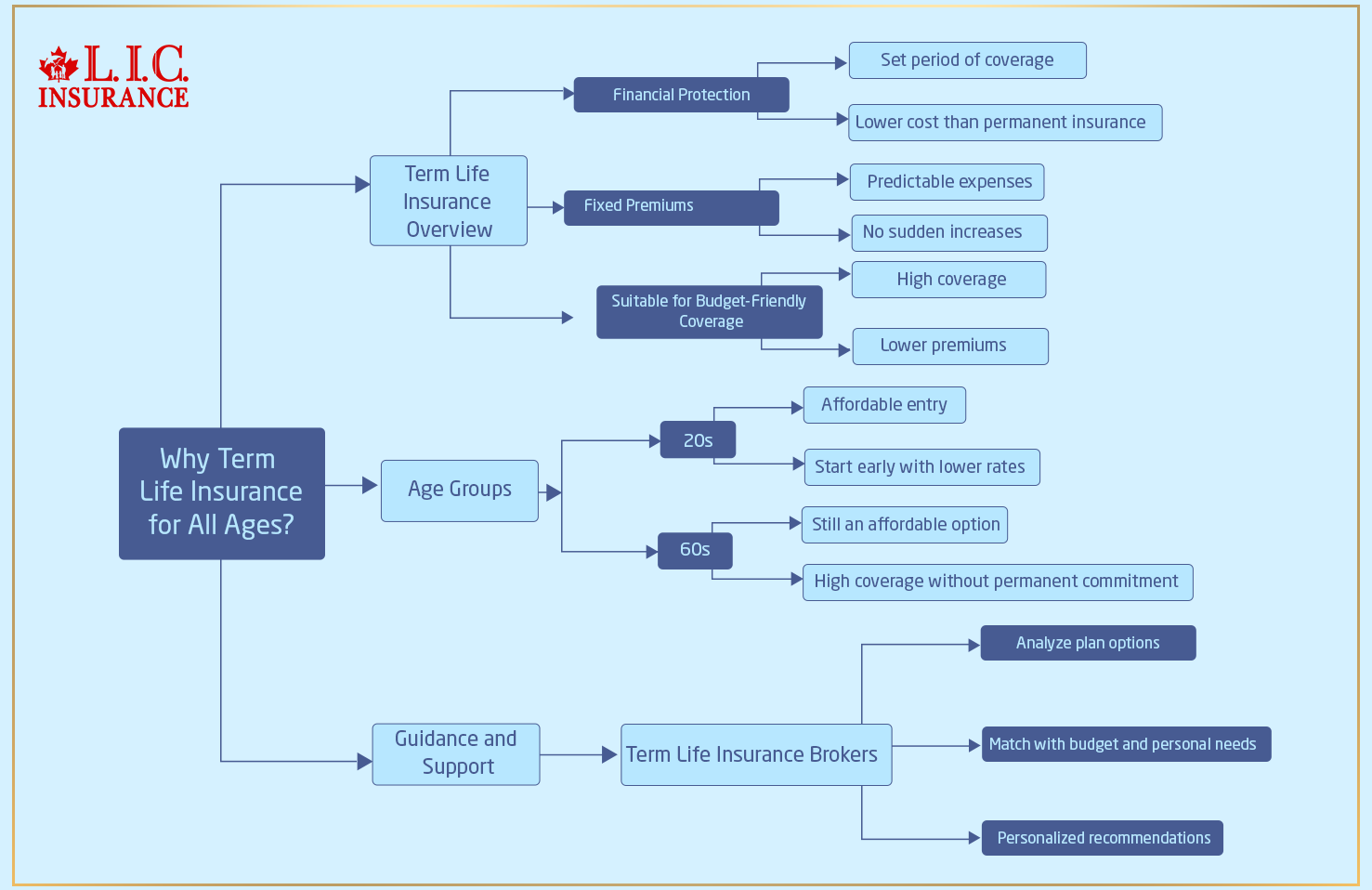
Term life insurance is more affordable because it provides "pure protection" without an investment component. Families pay only for the death benefit over a specific period, such as 20 or 30 years. Because the insurer does not manage a...
Term life insurance is more affordable because it provides "pure protection" without an investment component. Families pay only for the death benefit over a specific period, such as 20 or 30 years. Because the insurer does not manage a cash-value account and the policy often expires before a claim is made, premiums remain significantly lower than permanent alternatives.
Contents
For most families in 2026, the primary goal of life insurance is to replace lost income or cover specific debts like a mortgage. Term life insurance remains the most popular vehicle for achieving this because it offers the highest death benefit for the lowest out-of-pocket cost. To understand why this price disparity exists, one must look at the structural differences between "pure" insurance and "permanent" insurance models, as well as the actuarial math that governs how insurance companies price risk.
The Core Concept of Pure Protection
The fundamental reason term life insurance costs less is that it serves a single, narrow purpose: providing a death benefit if the insured passes away during the specified "term." This is known as pure death protection. Unlike whole life or universal life insurance, term policies do not have a savings account or investment portfolio attached to them.
In permanent life insurance policies, a portion of every premium payment is funneled into a cash value account. This account grows over time, often at a guaranteed rate or based on market performance. Managing these investments requires the insurance company to hire portfolio managers, maintain complex accounting systems, and comply with additional financial regulations. These overhead costs are passed on to the policyholder in the form of higher premiums. Term life insurance bypasses these complexities entirely. When you pay a premium for a term policy, you are paying for the risk of mortality and the administrative costs of the policy—nothing more.
Actuarial Probability and Risk Pooling
Insurance is essentially a game of mathematical probability. Actuaries—the professionals who calculate insurance risks—know that the likelihood of a healthy 30-year-old dying within the next 20 years is statistically low. Since term life insurance only covers a set period, there is a high statistical probability that the policyholder will outlive the term.
If the policyholder outlives the 20-year or 30-year term, the insurance company keeps the premiums and never has to pay out a death benefit. This "risk of expiration" allows insurers to charge very little. In contrast, a permanent life insurance policy is guaranteed to pay out eventually, provided the premiums are paid, because everyone eventually passes away. Since a payout is 100% certain for a permanent policy, the insurer must charge enough to cover that eventual payout, plus profit and expenses.
The "High-Need" Years vs. Lifetime Coverage
Most families do not need life insurance forever. They need it during their "high-need" years—the decades when they are raising children, paying off a mortgage, and building their own retirement savings.
- Mortgage Protection: A 30-year term policy can be timed to expire exactly when the house is paid off.
- Child Rearing: A 20-year term can cover the years until children are financially independent and have finished their education.
- Income Replacement: Once a couple reaches retirement age and has a robust 401(k) or pension, the need for a massive life insurance payout often diminishes.
By choosing term life, families are only paying for coverage when they actually need it, rather than paying for a permanent policy that continues into their 80s and 90s when the financial "emergency" of a death is less catastrophic.
Lower Administrative and Operational Overhead
The administrative simplicity of term life insurance further drives down the cost. Permanent policies are complex financial instruments that often require ongoing management. They may involve "dividends," "loan provisions," and "surrender charges." If a policyholder wants to borrow against their cash value, the insurance company must process the loan and track the interest.
Term life insurance has almost none of these features. It is a "set it and forget it" product. In 2026, the industry has further streamlined this through accelerated underwriting. Many term policies are now issued using algorithmic data—checking medical databases and motor vehicle records—rather than requiring a manual medical exam by a nurse. This reduction in "acquisition cost" (the cost to get a new customer on the books) is most aggressive in the term life market, allowing those savings to be reflected in lower monthly premiums.
Comparing the Costs: Term vs. Permanent Insurance
To visualize the price gap, consider a healthy 35-year-old non-smoker seeking $500,000 in coverage. The following table illustrates the approximate difference in monthly premiums based on standard 2026 pricing models.
| Feature | 20-Year Term Life | Whole Life (Permanent) |
|---|---|---|
| Monthly Premium | $25 – $45 | $450 – $600 |
| Cash Value Accumulation | None | Yes (Guaranteed growth) |
| Coverage Duration | Fixed (e.g., 20 years) | Lifelong |
| Complexity | Low (Simple contract) | High (Investment/Tax rules) |
| Primary Purpose | Income replacement | Estate planning / Wealth transfer |
| Flexibility | Limited (Fixed benefit) | High (Loans, partial surrenders) |
As shown, the premium for a whole life policy can be 10 to 20 times higher than a term policy for the exact same death benefit amount. For a family on a budget, this difference is the choice between having $500,000 of coverage or potentially being uninsured because the "better" policy was too expensive to maintain.
Factors That Influence Term Costs in 2026
While term insurance is generally the cheapest option, several factors determine the exact premium a family will pay. Understanding these can help families lock in the lowest possible rates.
- Age and Health: This remains the primary driver. In 2026, insurers utilize real-time health data more than ever. Maintaining a healthy lifestyle and securing a policy while young is the most effective way to keep costs low.
- The Length of the Term: A 10-year term is cheaper than a 30-year term because the insurer's risk increases as the policyholder ages.
- The Death Benefit Amount: While $1 million in coverage costs more than $250,000, the cost per thousand dollars of coverage often stays flat or decreases at higher tiers.
- Policy Riders: Adding "bells and whistles" like a Waiver of Premium (which pays your premiums if you become disabled) or a Child Rider will increase the cost of a term policy, though it will still remain cheaper than permanent insurance.
Common Misconceptions About Term Costs
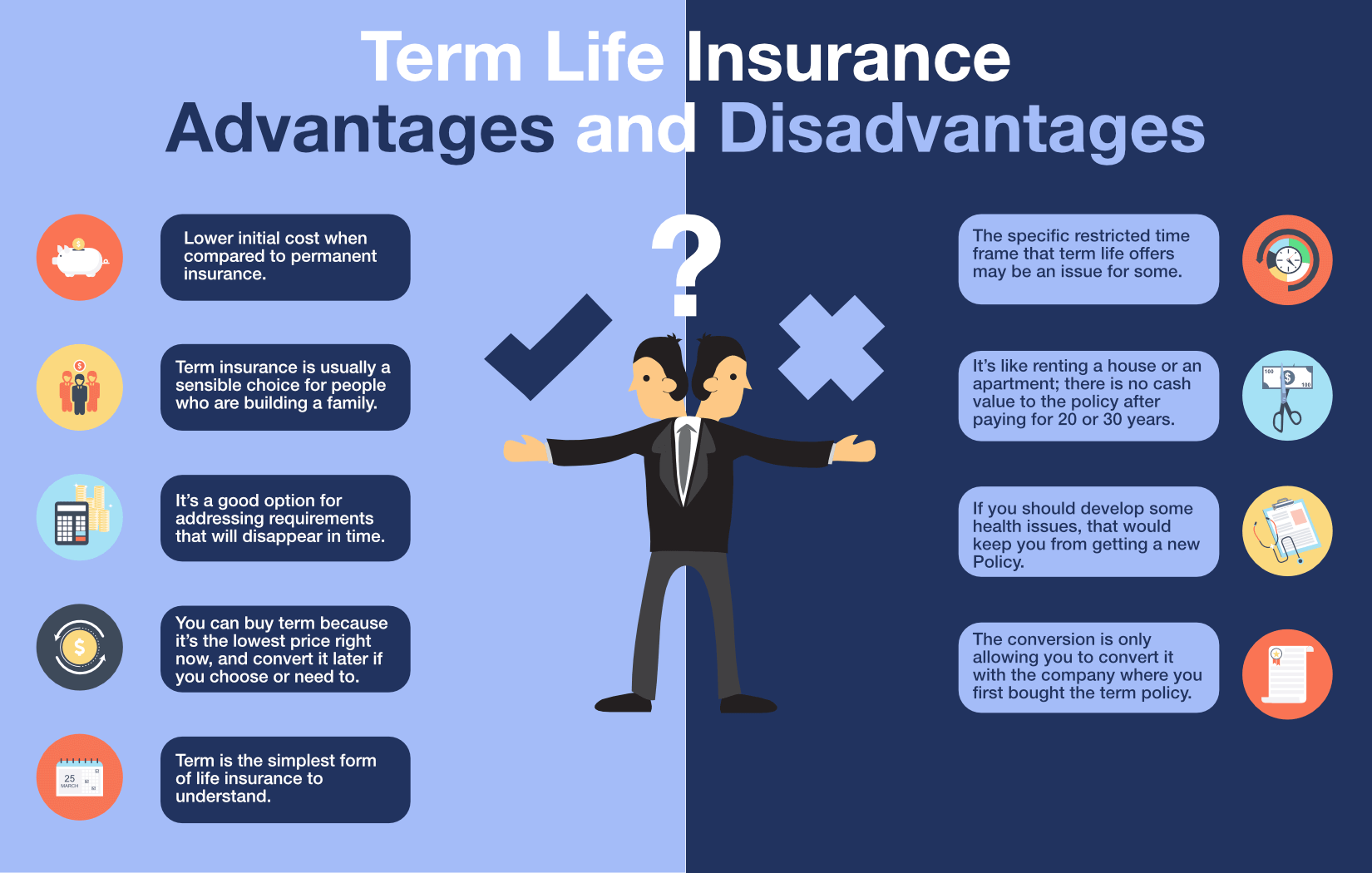
A common argument against term insurance is that it is "wasted money" if you don't die. However, from a financial planning perspective, this is a misunderstanding of the purpose of insurance. You don't view your auto insurance as "wasted" if you don't get into a car accident; you are paying for the transfer of risk.
Another misconception is that term insurance is always "temporary." While the initial term is fixed, most modern policies in 2026 include a convertibility clause. This allows the family to convert their cheap term policy into a permanent policy later in life without undergoing a new medical exam. This provides a "safety net" for families whose health might decline during the term, ensuring they can maintain coverage if their financial needs change.
When Term Life Might Not Be the Cheapest Long-Term Option
While term life has the lowest monthly premium, it is important to note the "cumulative cost" for specific scenarios. If a person knows they will need life insurance for 50 years (for example, to provide for a child with special needs), buying a series of term policies will eventually become more expensive than one permanent policy bought at a young age. As you age, the cost to start a new term policy rises exponentially.
However, for the vast majority of families whose financial obligations have a clear "end date," term life insurance is the most mathematically sound and cost-effective choice. It allows families to redirect the hundreds of dollars they save each month into their own retirement accounts, college funds, or mortgage principal, which often yields a better return than the cash-value component of a permanent insurance policy.
Frequently Asked Questions
Why is whole life insurance so much more expensive than term? Whole life insurance is more expensive because it is designed to last your entire life and includes a savings component called cash value. Because the insurance company is guaranteed to pay a death benefit at some point (as long as you keep the policy), and because they must manage the investment of your premiums, they charge significantly higher rates to cover these future liabilities and administrative costs.
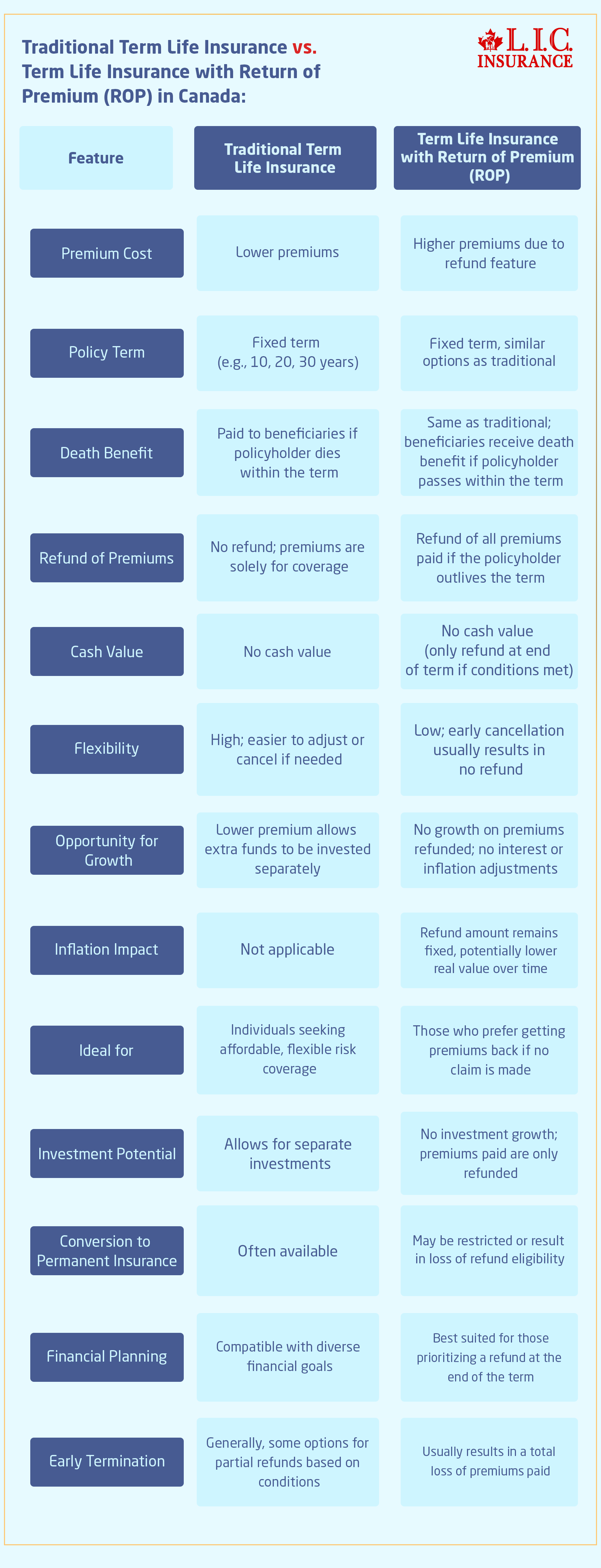
What happens to my money if I outlive my term life insurance policy? In a standard term life policy, the premiums stay with the insurance company and the coverage simply ends. You do not get a refund of the premiums. While this may feel like a loss, it is why the coverage was so inexpensive to begin with—you were paying only for the "possibility" of a payout, not a "guarantee" of one. Some "Return of Premium" (ROP) riders exist, but they significantly increase the cost of the policy.
Can I increase my coverage later if I buy a term policy now? Usually, you cannot simply "increase" the death benefit on an existing policy. Instead, you would need to purchase an additional policy or undergo new medical underwriting to replace the old one. This is why many financial experts recommend "laddering" policies or buying slightly more coverage than you think you need while you are young and healthy.
Does term life insurance have any tax benefits? The primary tax benefit of term life insurance is that the death benefit is generally paid out to beneficiaries income tax-free. While it does not offer the tax-deferred growth of a permanent policy's cash value, the tax-free nature of the payout ensures that your family receives the full amount you intended for their protection.
Is 20 years the best term length for a family? The "best" length depends on your specific debts and the ages of your children. A 20-year term is standard for families with young children, as it covers them until they reach adulthood. However, if you recently took out a 30-year mortgage, a 30-year term may be more appropriate to ensure the home is protected until the debt is cleared.
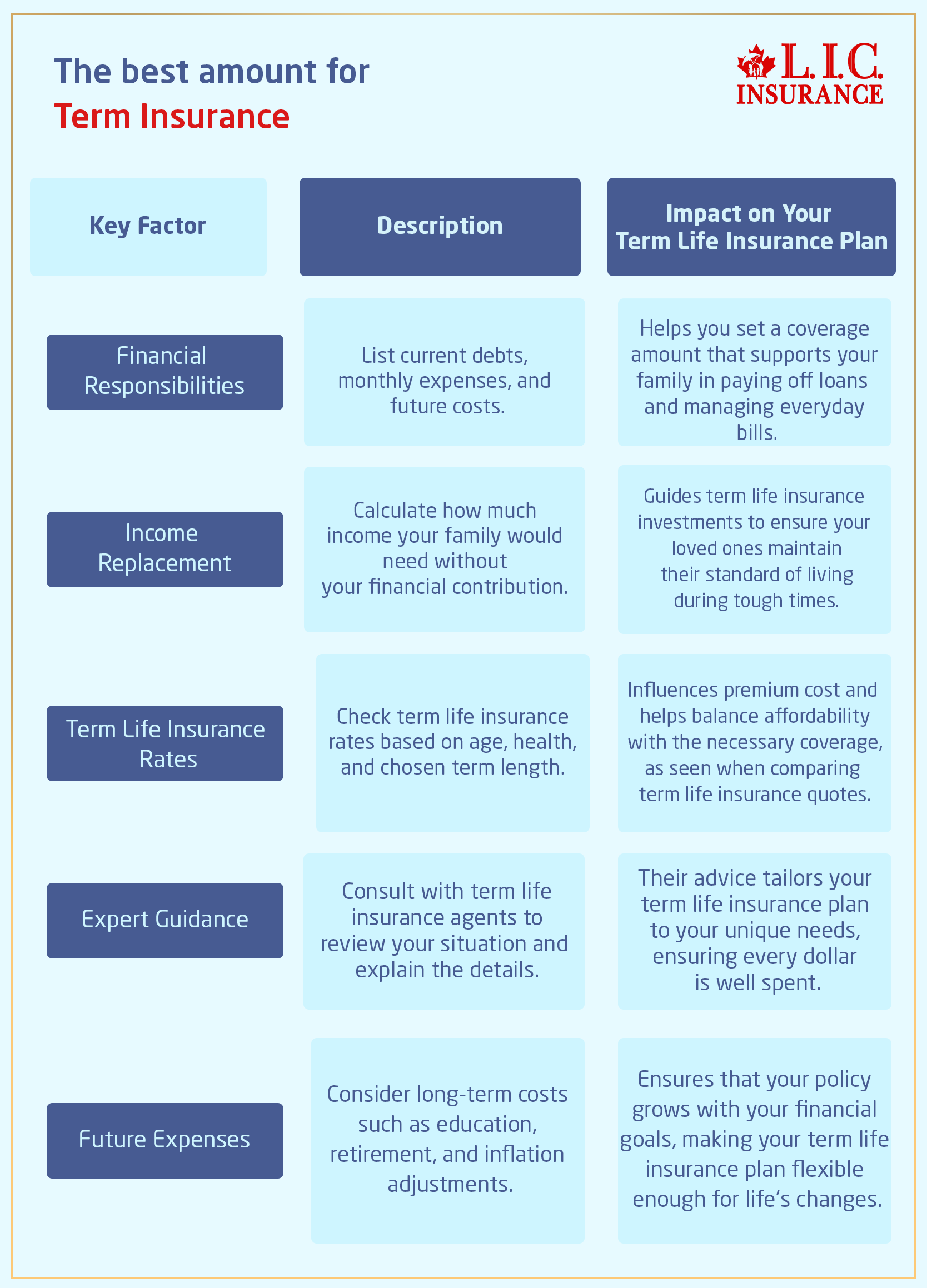
Final Recommendation: Families should prioritize "coverage gap" analysis before purchasing. Calculate your total debt, 20 years of income replacement, and future education costs. If this total is $1 million, a term life policy will allow you to secure that full amount immediately for a manageable monthly fee, ensuring your family’s standard of living is protected without straining your current monthly budget.
Image Gallery