Solar Panels at Disney World: How Walt Disney World Powers Its Magic with Renewable Energy
Walt Disney World powers a substantial portion of its 40-square-mile Central Florida resort using enterprise-scale solar facilities. Featuring over 200 megawatts of total utility-scale capacity—including an iconic 5-megawatt Mickey Mou...
Walt Disney World powers a substantial portion of its 40-square-mile Central Florida resort using enterprise-scale solar facilities. Featuring over 200 megawatts of total utility-scale capacity—including an iconic 5-megawatt Mickey Mouse-shaped array and multi-hundred-acre solar farms—Disney’s solar infrastructure generates enough clean electricity to supply up to 40% of the resort’s total annual energy demand.
Contents
The Evolution of Renewable Energy at Walt Disney World
Managing the electrical demand of four major theme parks, two water parks, tens of thousands of hotel rooms, and an extensive transportation network requires an infrastructure comparable to a mid-sized American city. Historically, the resort relied heavily on a centralized natural gas cogeneration facility operated by the Reedy Creek Improvement District—now the Central Florida Tourism Oversight District—alongside conventional grid power purchased from regional utility providers.
As part of a broader corporate commitment to achieve net-zero greenhouse gas emissions for direct operations by 2030, Disney launched a multi-phase transition toward utility-scale renewable energy. Rather than relying solely on off-site renewable energy certificates (RECs), Disney prioritized local solar generation directly connected to the regional power grid servicing the resort.
Central Florida offers high solar irradiance, averaging between 4.5 and 5.2 peak sun hours per day. However, deploying high-capacity photovoltaics (PV) in a subtropical environment presents distinct operational challenges, including frequent summer thunderstorm activity, high humidity, and potential hurricane-force winds. The development of Disney's solar capacity demonstrates how large-scale enterprise consumers can partner with utilities and independent power producers (IPPs) to build resilient, high-yield clean energy systems.
Detailed Breakdown of Disney’s Solar Installations
Disney’s renewable energy portfolio consists of several distinct generation sites built in partnership with leading energy companies. Each installation serves a specific operational purpose and utilizes technology tailored to its footprint.
- Walt Disney World Solar Portfolio Overview
- 5 MW Array (2016): 22 Acres / Epcot | 48,000 Fixed Panels
- 50 MW Array (2019): 270 Acres / SR 429 | 518,000 Tracking
- 150 MW Arrays: 1,000+ Acres
- Total Capacity: 200+ Megawatts (AC)
- Powers up to 40% of Resort Annual Energy Needs
1. The 5-Megawatt Mickey-Shaped Array (2016)
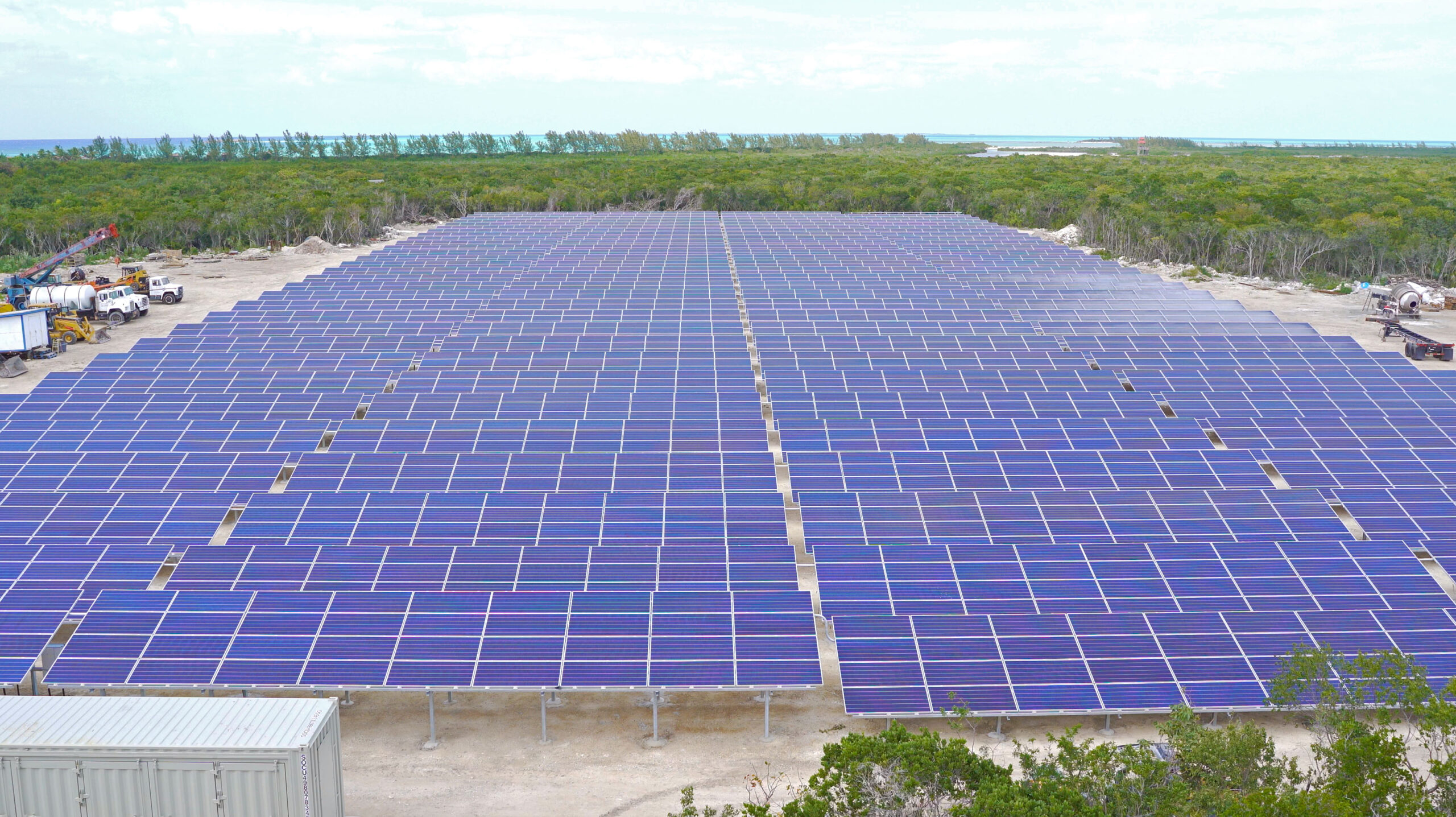
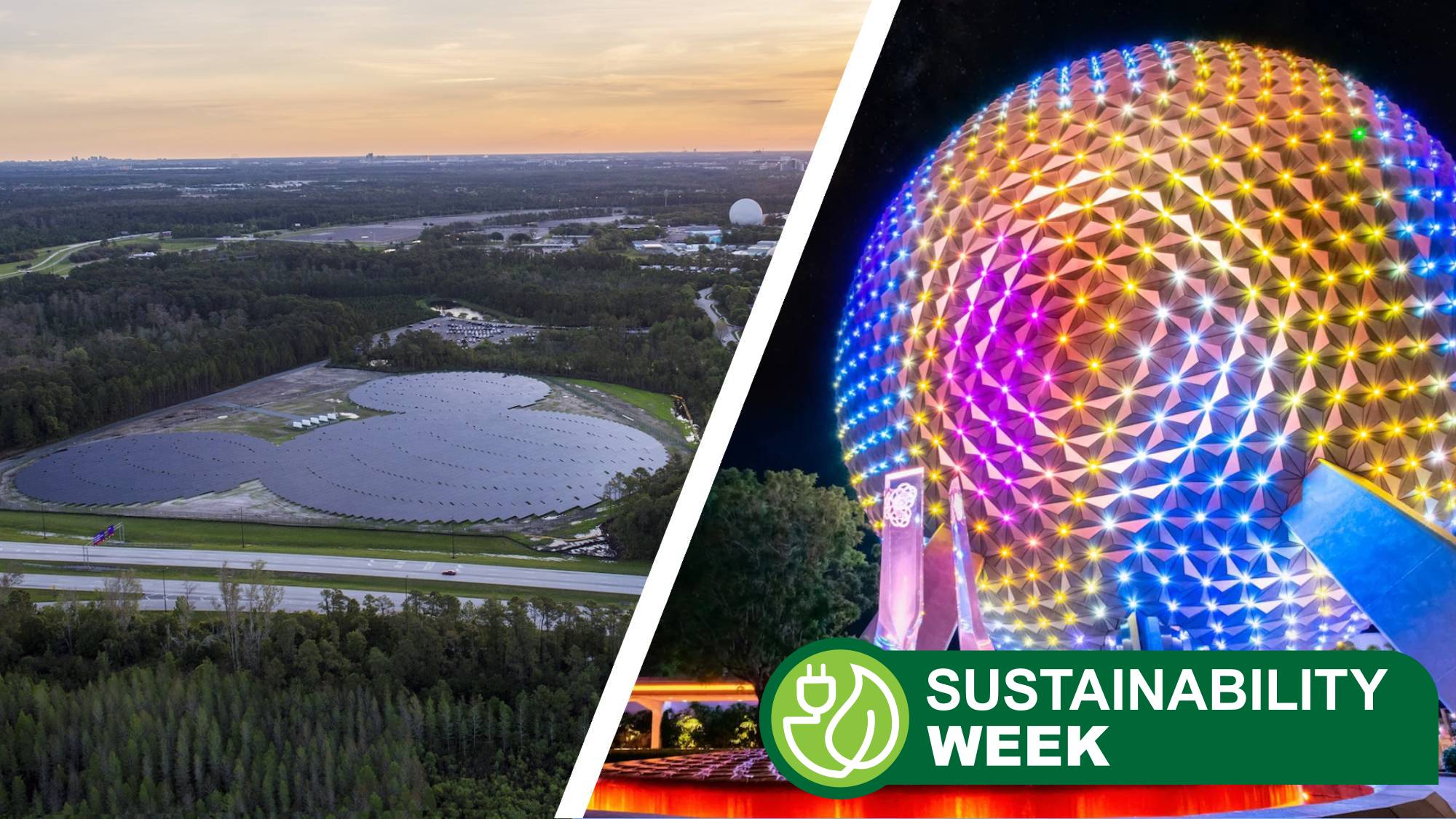
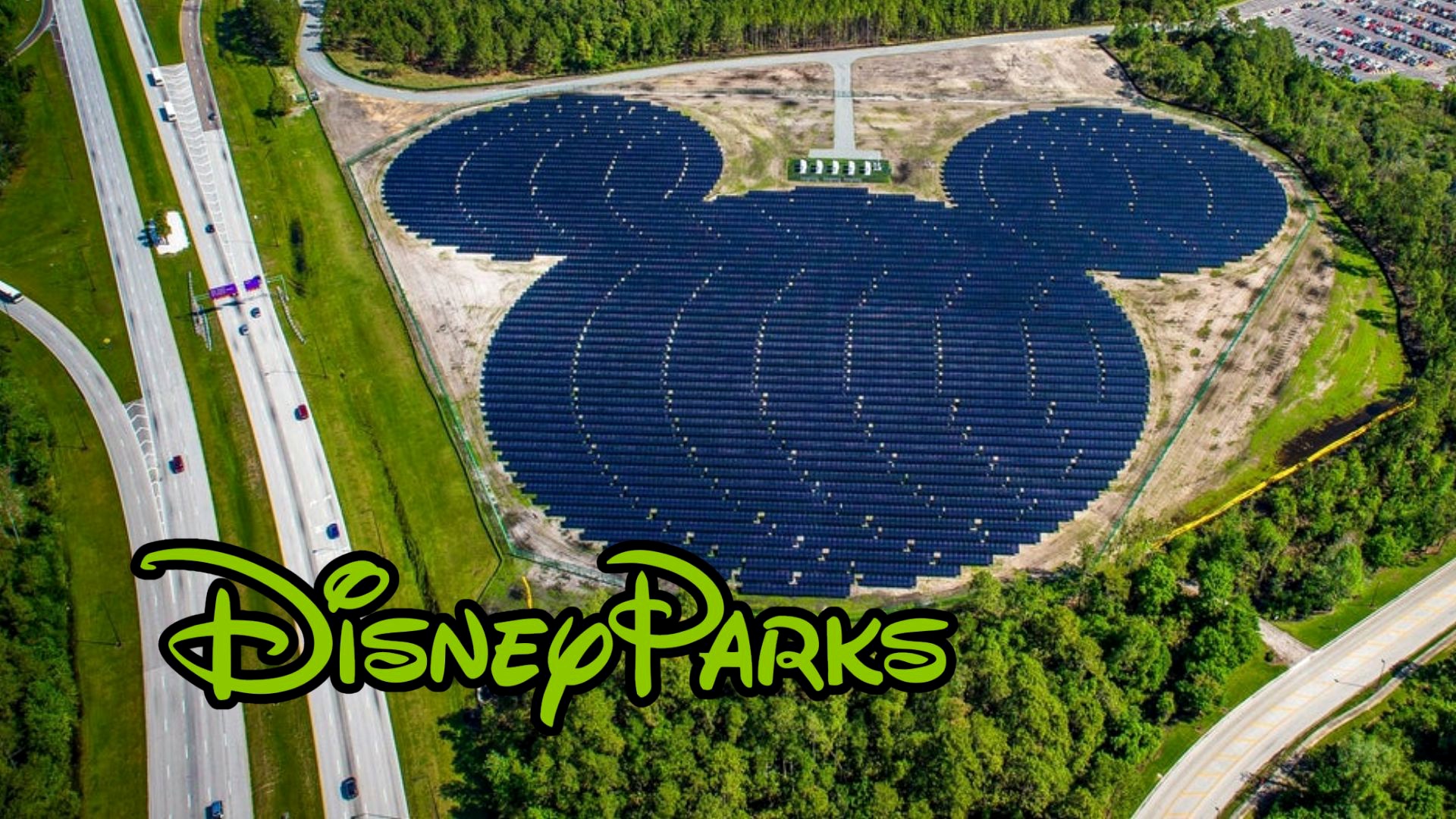
Located directly off World Drive near Epcot, the resort’s first major solar installation gained international attention for its visual design. Constructed by Duke Energy Florida, the 5-megawatt (MW) AC facility spans approximately 22 acres and consists of roughly 48,000 fixed-tilt crystalline silicon solar panels.
- Design & Layout: Arranged in the distinct silhouette of a Mickey Mouse head, the facility spans 1,000 feet in diameter.
- Ownership Structure: Duke Energy owns, operates, and maintains the facility, selling the generated power directly to the local utility district under a long-term Power Purchase Agreement (PPA).
- Grid Output: The facility produces enough electricity to power the equivalent of 1,000 average residential homes, serving primarily as a proof-of-concept for larger installations.
2. The 50-Megawatt SR-429 Solar Facility (2019)
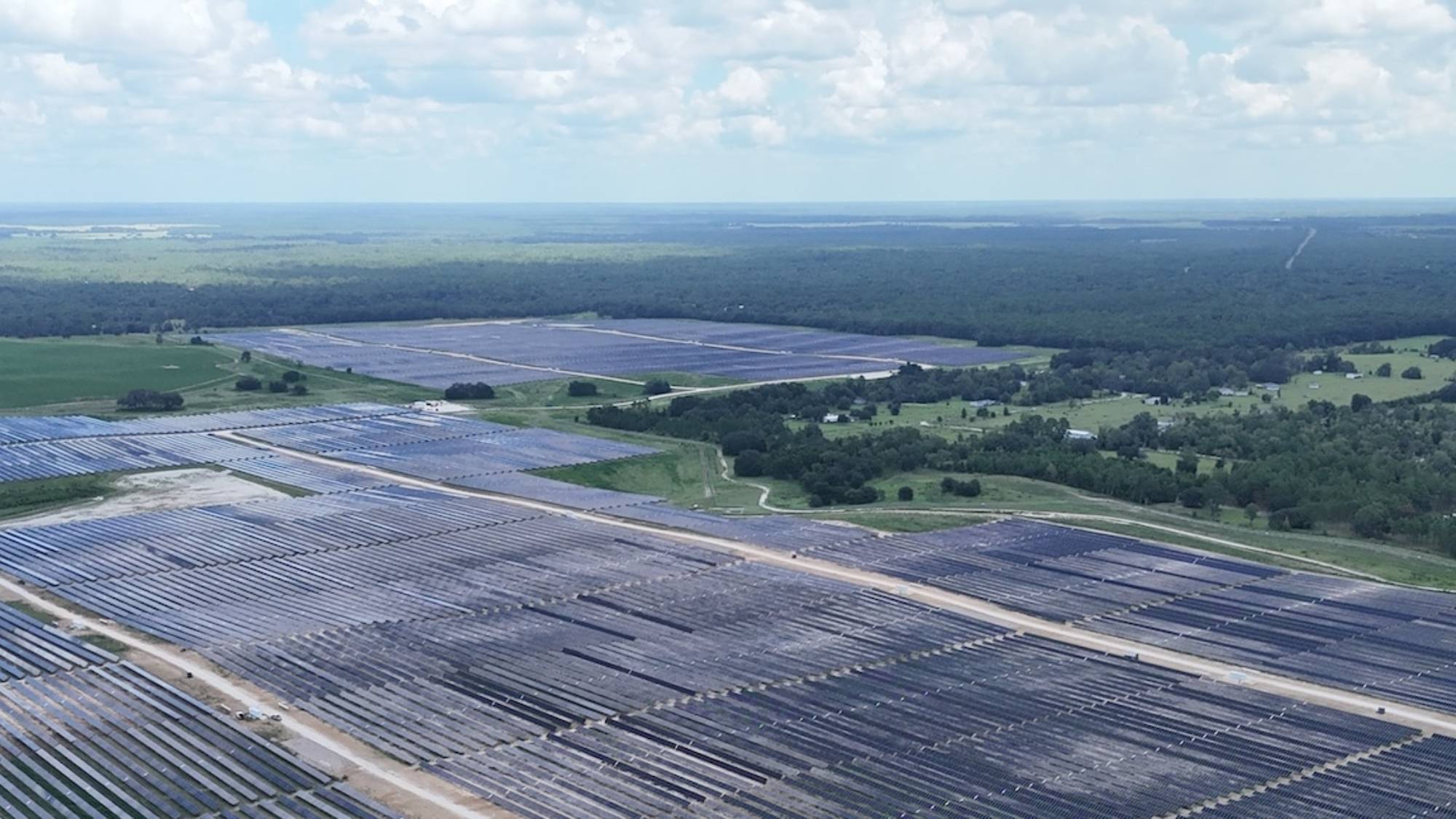
Expanding from localized generation to utility-scale offset, Disney partnered with developer Origis Energy to build a 50-MW solar facility near State Road 429, outside Disney's Animal Kingdom. Spanning 270 acres, this project marked a major leap in output.
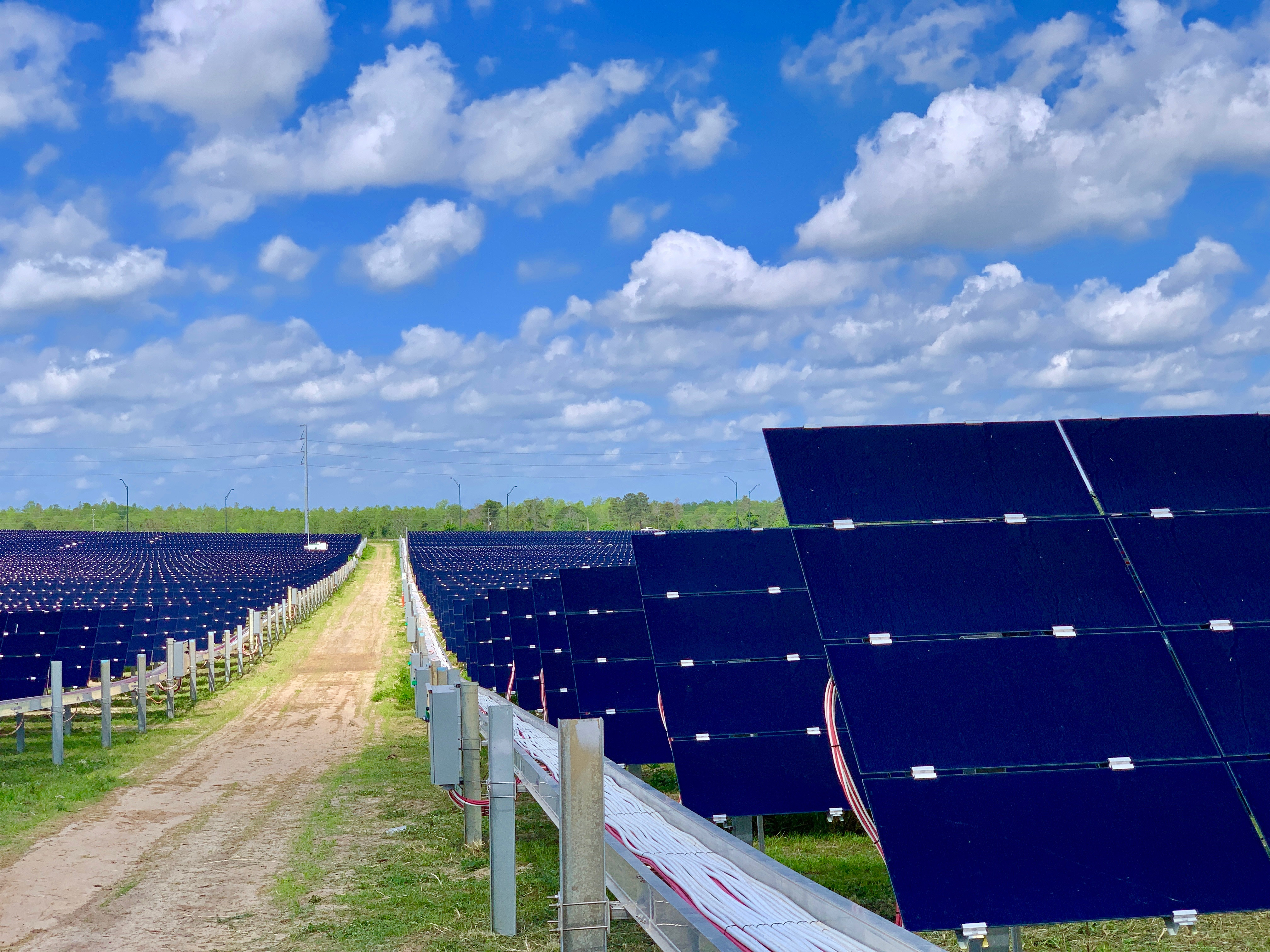
- Panel Technology: The site features over 518,000 single-axis tracking panels. Unlike fixed-tilt systems, single-axis trackers follow the sun’s trajectory from east to west throughout the day, increasing total daily energy yield by 15% to 25% compared to static mounts.
- Annual Output: The array generates approximately 120,000 megawatt-hours (MWh) of electricity annually. This generation is equivalent to powering two of Disney World’s four theme parks for an entire year under standard operating conditions.
3. The 150-Megawatt Utility-Scale Expansion
Building on the performance of the 50-MW site, Disney and the local utility district commissioned two additional 75-MW solar facilities. Completed in the mid-2020s, these installations added roughly 1,000 acres of solar generation capacity to the resort's energy profile.
- Total Capacity: Combined with the earlier projects, the expansion brought the resort's total solar capacity past 200 MW (AC).
- Grid Impact: On sunny peak operating days, solar power can fulfill up to 40% of the resort’s total real-time electrical demand, significantly dampening the grid load during midday demand spikes.
Technical Architecture & Grid Integration
Integrating large-scale solar arrays into a dense, high-reliability tourist resort grid requires precise electrical engineering and load management.
- Solar Photovoltaic (PV) Modules (DC Power)
- Inverter Substation (DC to AC Conversion)
- Distribution Transformers (Step-Up Voltage)
- CFTOD / Utility Substation & Distribution Grid
- Disney Theme Parks, Resorts, & Infrastructure
Photovoltaic Technology and Tracking Systems
The utility-scale arrays primarily utilize monocrystalline silicon PV modules, which offer solar cell efficiency ratings ranging between 20% and 22%. The single-axis tracking mounts are driven by automated control systems that adjust panel angle based on geographical algorithms and real-time sun position sensors.
Inverters and Substation Interconnection
Direct current (DC) generated by the panel strings flows to central ground-mounted inverters, which convert the power to alternating current (AC). High-efficiency step-up transformers then boost the voltage (typically from 1,500V DC to 12.47kV or 69kV AC) for loss-minimized transmission to local utility substations.
Weather Resilience and Automated Safety
Central Florida is designated as a High-Velocity Hurricane Zone (HVHZ). To mitigate damage from severe weather, the tracking systems feature automated stow routines:
- High-Wind Mitigation: When wind speeds exceed predefined safety thresholds (typically 45–50 mph), tracking motors automatically rotate the panels into a flat, horizontal position ("wind stow mode") to reduce aerodynamic lift and structural stress.
- Hail and Flooding Protection: Panels are stowed at specific angles during hail warnings and engineered on elevated pilings to withstand localized stormwater retention events without submerging sensitive electronics.
Ecological Stewardship and Environmental Benefits
Utility-scale solar farms require substantial land areas. Disney and its development partners integrated ecological preservation strategies into the physical layout of the solar fields to minimize environmental impact on Central Florida's ecosystems.
| Environmental Integration Feature | Details |
|---|---|
| Pollinator Habitats | Native wildflowers, minimal pesticide application |
| Wildlife Corridors | Elevated perimeter fencing allowing small fauna passage |
| Stormwater Management | Permeable land surfaces and natural filtration basins |
Pollinator-Friendly Solar Design
Traditional solar installations often clear native vegetation and cap ground cover with gravel or turf grass maintained via intensive herbicide use. Under advice from agricultural experts at the U.S. Department of Agriculture, Disney and Origis Energy established pollinator-friendly habitats beneath and around the panels at the 50-MW and 150-MW sites.
- Flora Selection: Native wildflowers, low-growing clover, and native grasses were planted to provide forage for native bees, butterflies, and other pollinators.
- Maintenance: Ground crews utilize reduced-mowing protocols and limit chemical pesticide applications, allowing native plants to complete flowering cycles.
Wildlife Corridors and Habitat Connectivity
Central Florida serves as a critical habitat for wildlife species, including gopher tortoises, black bears, and various birds of prey. The perimeter fencing around the solar arrays includes raised bottom clearances, allowing smaller species to pass through intact wildlife corridors without entering high-voltage transformer yards.
Comparative Matrix of Disney World Solar Facilities
The table below outlines the core technical specifications and operational metrics across Disney World's primary solar generation projects.
| Installation Name | Year Commissioned | Capacity (AC) | Footprint (Acres) | Panel Technology Type | Primary Developer / Operator | Key Grid Function |
|---|---|---|---|---|---|---|
| Mickey-Shaped Array | 2016 | 5 MW | ~22 Acres | Fixed-tilt Monocrystalline | Duke Energy Florida | Targeted local distribution offset & public engagement |
| SR-429 Solar Array | 2019 | 50 MW | ~270 Acres | Single-axis Tracking Monocrystalline | Origis Energy USA | Utility-scale baseline generation for theme parks |
| Expansion Facilities (North & South) | 2023–2024 | 150 MW (Total) | ~1,000 Acres | Single-axis Tracking High-Efficiency Monocrystalline | Origis Energy / Duke Energy | Major peak demand shaving & corporate net-zero target fulfillment |
How Solar Fits into Disney's Broader Sustainability Strategy
The solar arrays at Walt Disney World represent one component of a broader environmental sustainability program aimed at decarbonization. The strategy rests on three primary operational pillars:
- Disney 2030 Sustainability Framework
- Emissions Reduction: Net-zero operations via 200+ MW solar capacity
- Water Stewardship: Localized reclamation & conservation targets
- Waste Diversion: Zero waste to landfill targets across resorts
- Direct Emissions Reduction: By producing hundreds of thousands of megawatt-hours of clean power locally, the resort offsets tens of thousands of metric tons of carbon dioxide equivalent ($\text{CO}_2\text{e}$) per year, as measured under U.S. Environmental Protection Agency greenhouse gas accounting standards.
- Electrification of Fleet Transportation: The availability of bulk solar generation supports Disney’s transition toward electric fleet vehicles, including electric buses, utility vehicles, and the fully electrified Skyliner aerial gondola transit system.
- Water Conservation Synergies: Traditional fossil fuel power plants require millions of gallons of water annually for steam generation and cooling. Transitioning to photovoltaic solar generation eliminates cooling water consumption for that portion of the resort's energy mix, preserving local groundwater resources in the Floridan Aquifer.
Frequently Asked Questions
Can guests see the solar panels at Disney World from inside the theme parks?
Most solar arrays are located on the outer perimeter of the property to optimize space and visual integration. However, guests traveling along World Drive near Epcot can catch glimpses of the 5-MW Mickey-shaped solar farm. The larger 50-MW facility is visible from State Road 429 along the western boundary of the resort property, while aerial views are prominent when flying into Orlando International Airport (MCO).
How much of Walt Disney World's total energy comes from solar power?
Combined, the resort's solar facilities generate enough electricity to meet up to 40% of Walt Disney World’s total annual electricity consumption. On bright, clear days during peak production hours, solar output can fulfill a significantly higher percentage of real-time demand across the resort complex.
Who owns and operates the solar arrays at Walt Disney World?
Disney does not directly own the power plants. Third-party energy developers—primarily Duke Energy Florida and Origis Energy—own, operate, and maintain the solar arrays. Disney and the local utility district purchase the clean electricity generated by these facilities under long-term Power Purchase Agreements (PPAs).
How do the solar arrays handle cloudy weather and rain in Central Florida?
Photovoltaic panels continue to produce electricity during cloudy weather, though output drops to between 10% and 25% of peak capacity depending on cloud density. To maintain grid stability during sudden weather shifts or rainstorms, the Central Florida Tourism Oversight District utility system relies on a hybrid power mix, balancing solar with natural gas generation and regional grid interconnects.
What precautions are taken to protect the panels during hurricanes?
The arrays feature single-axis tracking mounts engineered to withstand hurricane-force winds up to 130–150 mph. When severe weather threatens the area, automated weather management systems rotate the panels into a flat, horizontal stow position to minimize wind resistance and prevent mechanical failure.
Key Considerations for Enterprise Solar Implementation
Organizations evaluating utility-scale solar projects can extract several practical operational strategies from Walt Disney World’s deployment model:
- Structure Power Purchase Agreements (PPAs): Partnering with independent power producers allows large commercial enterprises to sponsor utility-scale projects without taking on direct panel maintenance or capital ownership risks.
- Prioritize Single-Axis Tracking: In areas with moderate to high direct normal irradiance (DNI), single-axis trackers deliver higher annual yields per module compared to static tilt systems.
- Integrate Land-Use Stewardship: Designing solar sites with elevated perimeter fences and low-impact native ground covers reduces long-term vegetation maintenance costs while improving local environmental performance.
Image Gallery