Finding the Best Drugstore Face Cleanser for Everyday Use
The best drugstore face cleanser for everyday use is a gentle, pH-balanced formula that effectively removes dirt, oil, and makeup without stripping the skin's natural moisture barrier. Options like CeraVe Hydrating Cleanser and Cetaphi...
The best drugstore face cleanser for everyday use is a gentle, pH-balanced formula that effectively removes dirt, oil, and makeup without stripping the skin's natural moisture barrier. Options like CeraVe Hydrating Cleanser and Cetaphil Daily Facial Cleanser stand out because they utilize dermatologist-backed ingredients such as ceramides, glycerin, and hyaluronic acid to support all skin types, including sensitive and acne-prone skin, at an accessible price point.
Contents
Choosing a daily face wash requires balancing efficacy and skin compatibility. With hundreds of options lining pharmacy and supermarket shelves, finding a product that cleans thoroughly without causing irritation, tightness, or breakouts can feel overwhelming. This guide examines what makes a drugstore facial cleanser effective, compares top formulations, and provides practical criteria to help you select the ideal product for your specific skin type and daily routine.
Understanding Your Skin Barrier and Cleansing Fundamentals
Before evaluating specific product formulations, it is essential to understand the biological function of a face cleanser and how it interacts with the skin. The skin barrier—specifically the stratum corneum, composed of corneocytes surrounded by lipids like ceramides, cholesterol, and fatty acids—acts as the body’s primary defense against environmental pathogens, pollutants, and transepidermal water loss.
Harsh cleansers containing strong sulfate surfactants, such as sodium lauryl sulfate (SLS), can disrupt this lipid matrix. When the skin barrier is compromised, it leads to dryness, irritation, inflammation, and increased vulnerability to conditions like eczema and acne. Everyday cleansers must prioritize gentle surfactants that lift impurities without dissolving the protective lipids necessary for skin health.
Furthermore, the skin's natural surface pH is slightly acidic, typically ranging between 4.5 and 5.5. This acidic mantle inhibits the growth of harmful bacteria while supporting beneficial resident flora. High-pH, alkaline cleansers disrupt this mantle, leaving the skin feeling " squeaky clean"—a tactile indicator of barrier damage rather than true cleanliness. Modern drugstore cleansers increasingly focus on maintaining or matching this optimal pH range.
Key Criteria for Evaluating Everyday Drugstore Cleansers
When shopping for an affordable daily face wash, several critical factors distinguish a mediocre product from a dermatologist-recommended staple. Evaluating these criteria ensures your investment protects your skin health over the long term.
Formulation and Surfactant System
The choice of surfactant dictates how a cleanser behaves. Look for mild, non-ionic, or amphoteric surfactants like coco-glucoside, sodium cocoyl glycinate, or cocamidopropyl betaine. These agents create a gentle lather or lotion-like consistency that cleanses without excessive stripping. Avoid formulations heavily laden with drying alcohols (e.g., denatured alcohol) and synthetic fragrances, which are common culprits behind contact dermatitis and irritation.
Skin Type Compatibility
An everyday cleanser must align with your skin's unique biological demands:
- Dry Skin: Requires cream or lotion textures infused with humectants (glycerin, hyaluronic acid) and barrier-repairing lipids (ceramides).
- Oily and Acne-Prone Skin: Benefits from low-foaming gel cleansers or formulations containing low percentages of salicylic acid (BHA) to clear pore linings.
- Sensitive Skin: Demands minimalist, hypoallergenic, fragrance-free formulas with soothing agents like niacinamide or colloidal oatmeal.
Value, Accessibility, and Packaging
Drugstore products offer exceptional value, typically providing high-volume bottles with pump dispensers that last for months. Pump mechanisms also prevent product contamination compared to open-jar packaging. Cost-per-ounce efficiency makes consistent daily use sustainable without financial strain.
Comparative Overview of Leading Drugstore Cleansers
To navigate the market effectively, it helps to examine how the most popular everyday drugstore cleansers compare across key metrics. The table below outlines formulation types, target skin profiles, and standout active ingredients for top-tier options available in 2026.
| Product Name | Primary Texture | Best Suited For | Key Active Ingredients | Fragrance Status |
|---|---|---|---|---|
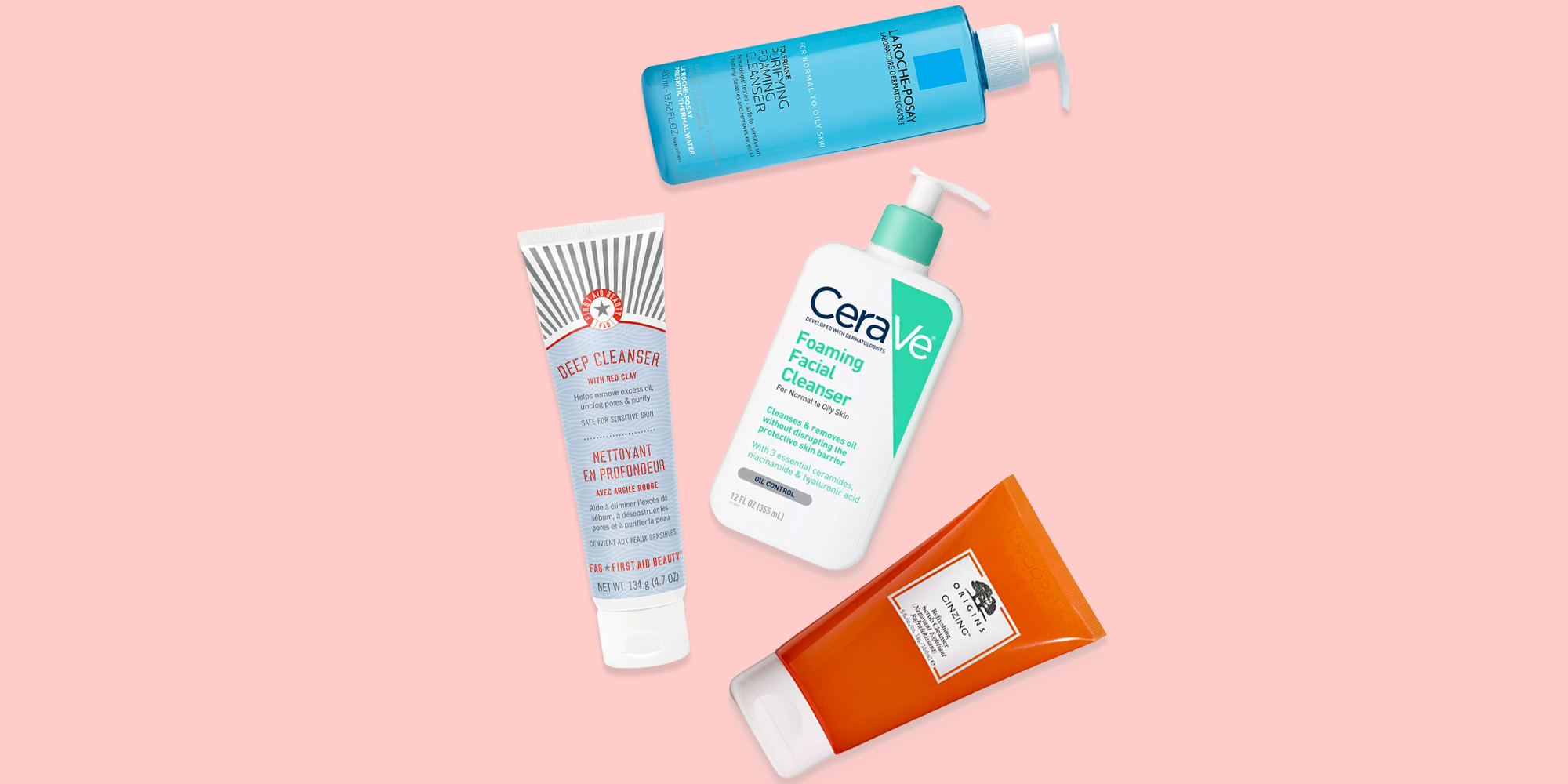
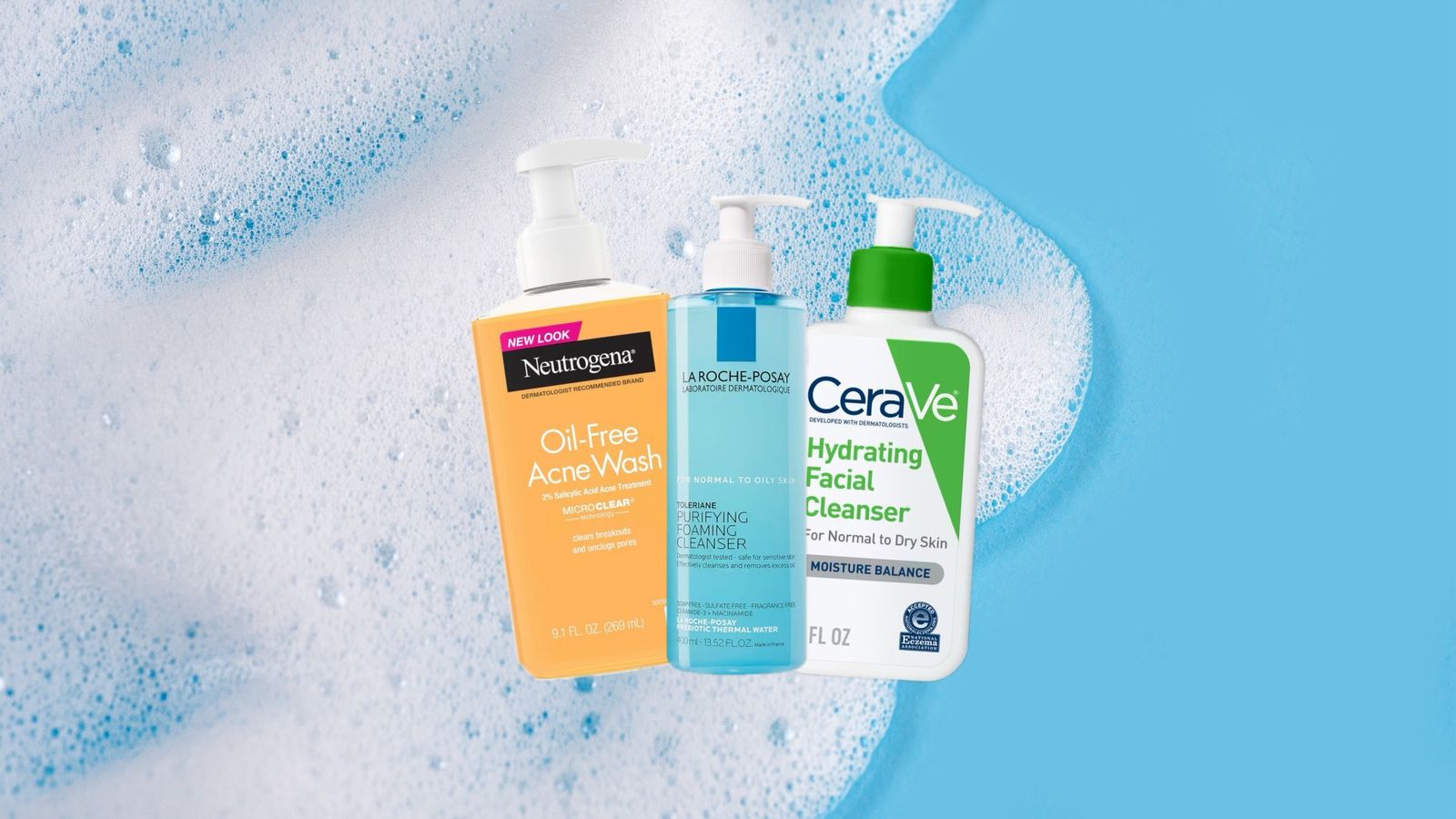
| CeraVe Hydrating Cleanser | Lotion / Non-foaming | Normal to Dry Skin | Ceramides 1, 3, 6-II, Hyaluronic Acid | Fragrance-Free |
| Cetaphil Daily Facial Cleanser | Low-foam Gel | Normal to Combination Skin | Glycerin, Niacinamide, Panthenol | Fragrance-Free |
| La Roche-Posay Toleriane Hydrating Gentle Cleanser | Cream | Sensitive & Reactive Skin | Ceramide-3, Niacinamide, Glycerin, Thermal Water | Fragrance-Free |
| Vanicream Gentle Facial Cleanser | Clear Liquid Gel | Extremely Sensitive / Eczema-Prone | Glycerin, Purified Water (Free of common chemical irritants) | Fragrance-Free |
| Neutrogena Hydro Boost Hydrating Cleansing Gel | Lightweight Gel | Normal to Dehydrated Skin | Hyaluronic Acid, Glycerin | Lightly Scented Options Available |
Deep Dive into Top-Rated Drugstore Options
Examining individual products reveals why certain formulations maintain enduring popularity among dermatologists and consumers alike.
CeraVe Hydrating Cleanser
Developed with dermatologists, this non-foaming lotion cleanser is a benchmark for dry and normal skin types. It utilizes Multi-Vesicular Technology (MVE) to release hydrating ingredients continually throughout the day and night. The inclusion of three essential ceramides helps restore and maintain the skin's natural barrier, while hyaluronic acid draws moisture into the epidermal layers. Because it does not foam, it leaves a protective, hydrating film on the skin after rinsing, making it ideal for morning routines or dry winter months.
Cetaphil Daily Facial Cleanser
Long recognized for its gentle profile, Cetaphil's reformulated daily cleanser now incorporates niacinamide (vitamin B3), panthenol (vitamin B5), and hydrating glycerin. It produces a very mild, non-stripping lather that effectively removes excess surface oil, makeup residue, and pollution particles without disrupting the skin barrier. It is particularly well-suited for combination skin types that require thorough cleansing of the T-zone without over-drying the cheeks.
La Roche-Posay Toleriane Hydrating Gentle Cleanser
This milky cream cleanser bridges the gap between drugstore accessibility and high-end dermatological science. Infused with prebiotic thermal water, ceramide-3, and niacinamide, it actively works to soothe redness and discomfort while cleansing. Its pH-balanced formula respects the skin's physiological balance, making it a reliable choice for individuals undergoing intensive dermatological treatments or those managing rosacea.
Vanicream Gentle Facial Cleanser
For consumers dealing with severe chemical sensitivities, contact dermatitis, or eczema, Vanicream provides a stripped-down formulation free of dyes, fragrance, masking fragrance, lanolin, parabens, and formaldehyde releasers. It cleanses effectively while minimizing the risk of allergic reactions, offering a straightforward, non-irritating experience for compromised skin barriers.
Step-by-Step Guide to Effective Daily Cleansing
Purchasing the right cleanser is only half the equation; proper technique ensures you maximize its benefits while protecting your skin.
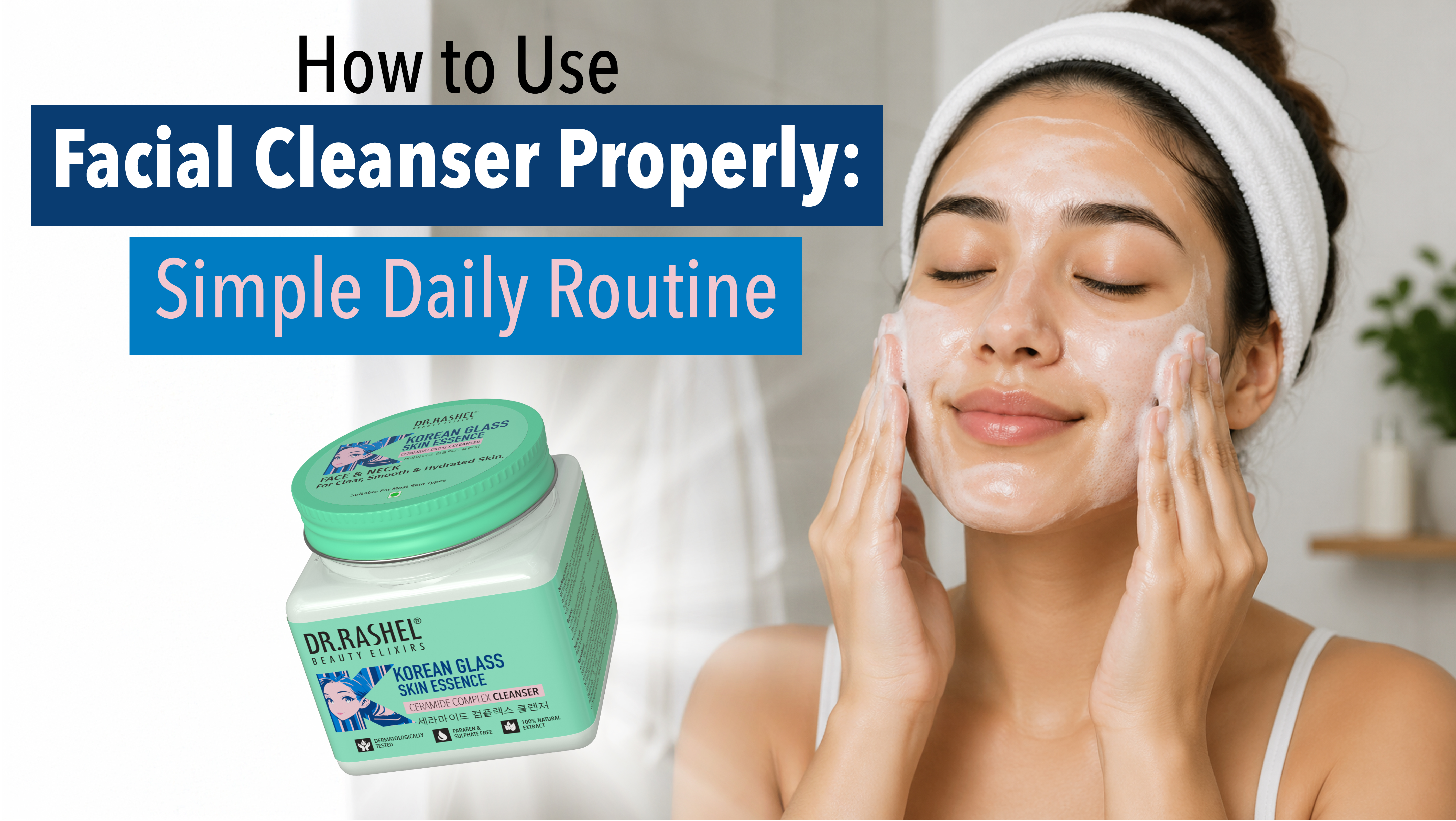
- Wash Your Hands: Always begin by washing your hands to prevent transferring bacteria, dirt, and oils onto your facial skin.
- Use Lukewarm Water: Wet your face with lukewarm water. Water that is excessively hot strips natural oils and dilates capillaries, leading to redness and irritation.
- Dispense and Emulsify: Pump a dime-to-quarter-sized amount of cleanser into your palms. Rub your hands together lightly to emulsify the product before application.
- Massage Gently: Using your fingertips, massage the cleanser across your face in gentle, circular motions for 30 to 60 seconds. Pay special attention to the hairline, jawline, and nose creases where oil and debris accumulate. Avoid aggressive scrubbing or using abrasive washcloths, which can cause micro-tears.
- Rinse Thoroughly: Splash lukewarm water over your face until all traces of the cleanser are completely removed. Residual cleanser left in creases can cause dryness and irritation.
- Pat Dry: Gently pat your skin dry with a clean, soft microfiber towel. Do not rub vigorously.
- Apply Successive Products: Follow up immediately with your toner, serum, and moisturizer while the skin is still slightly damp to lock in hydration.
Common Mistakes to Avoid with Daily Cleansers
Even with the best drugstore face cleanser, certain habits can undermine your skincare goals. Recognizing these pitfalls helps maintain long-term skin health.
- Over-Cleansing: Washing your face more than twice a day—unless directed by a dermatologist after heavy exercise—strips the skin barrier and triggers compensatory excess oil production.
- Skipping the Morning Cleanse: While some individuals with extremely dry skin prefer a simple water rinse in the morning, most skin types accumulate overnight sweat, sebum, and residual nighttime skincare products that require gentle removal.
- Chasing the "Squeaky Clean" Feel: As noted earlier, a tight, squeaky sensation indicates that the skin's protective lipids have been stripped away. Switch to a hydrating lotion or cream cleanser if you experience this.
- Ignoring Ingredient Labels: "Natural" or "organic" labels do not guarantee safety for sensitive skin; botanical extracts and essential oils are frequent triggers for allergic contact dermatitis. Stick to fragrance-free, clinically tested formulations.
Frequently Asked Questions
Can I use the same face cleanser morning and night?
Yes, using the same gentle cleanser twice daily is standard practice for most skin types. However, if you wear heavy makeup or sunscreen, you may want to incorporate a micellar water or cleansing balm as a first step at night (double cleansing) before following up with your standard drugstore water-based cleanser.
Are more expensive cleansers better than drugstore options?
Price does not correlate directly with cleansing efficacy. Many drugstore cleansers are developed in partnership with dermatologists, undergo rigorous clinical testing, and utilize the same gold-standard hydrating and soothing ingredients found in luxury department store brands.
How long should a bottle of daily cleanser last?
A standard 12-to-16-ounce drugstore cleanser used twice daily should typically last between two to four months, depending on the dispensed amount. If you are finishing a bottle in less than a month, you are likely using too much product per application.
Should I use a foaming cleanser if I have oily skin?
Oily skin types often prefer foaming cleansers because they provide a deeper-feeling clean that cuts through excess sebum. However, ensure the foam is generated by mild surfactants rather than harsh sulfates like sodium lauryl sulfate to prevent rebound oil production caused by barrier dehydration.
Can a face cleanser cure acne?
A face cleanser alone rarely cures moderate to severe acne, as cleansers have brief contact time with the skin before being rinsed off. However, a cleanser containing salicylic acid or benzoyl peroxide can serve as a supportive foundational step in an acne-management routine alongside targeted leave-on treatments.
Conclusion and Next Actions
Selecting the best drugstore face cleanser for everyday use comes down to respecting your skin's barrier and matching product textures to your individual needs. Products like CeraVe Hydrating Cleanser, Cetaphil Daily Facial Cleanser, and Vanicream Gentle Facial Cleanser offer scientifically proven, accessible formulations that clean effectively without causing irritation. To begin, assess your skin type, choose a fragrance-free, pH-balanced formula, and commit to a consistent, gentle cleansing technique twice daily. If you manage persistent skin conditions such as severe cystic acne, eczema, or chronic dermatitis, consult a board-certified dermatologist to tailor a comprehensive regimen.
Image Gallery